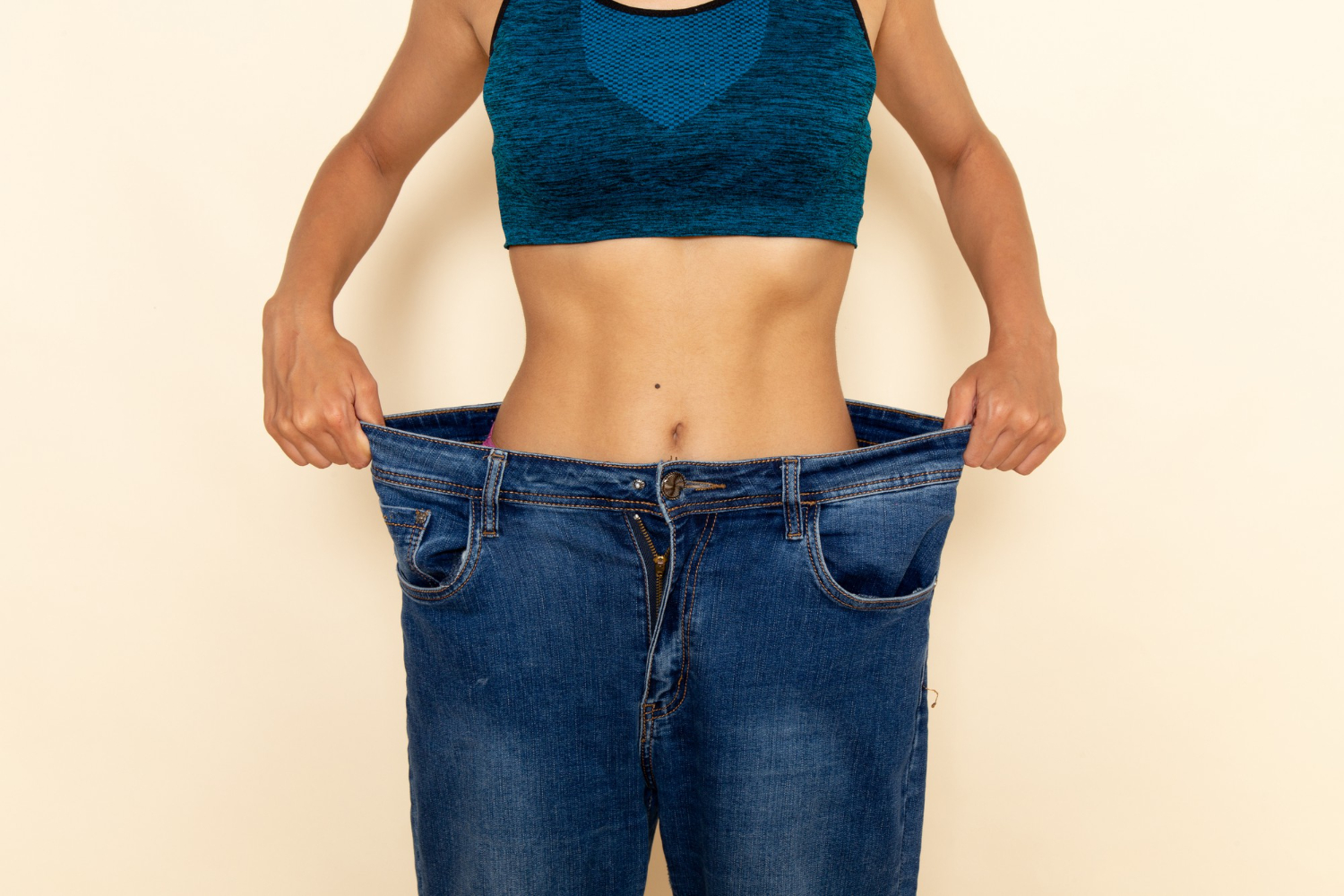
One of the simplest and most eco-friendly options in the fitness world is walking. It doesn’t require any high-cost tools, works for almost any fitness level, and is super easy to fit into any busy schedule. But if you’re interested in weight loss, you most likely wonder the following: whether to walk quicker, longer, or further.
The answer is yes, but all three parameters do not have the same impact on fat loss. According to studies, walking at a proper speed and for the right amount of time is a more effective option compared to focusing only on the length of the distance. When combined with a healthy diet and some weight training, walking can help you cut down on body fat, including fat in and around the belly area.
Does Walking Help in Losing Belly Fat?

A lot of people have the belief that walking helps in losing abdominal fat. Nevertheless, according to studies, the alleged effectiveness of spot reduction has not been established scientifically. The way our bodies lose fat depends on genetics, hormones, age, and the principle of calorie balance.
The following advantages can be gained from walking regularly:
- Increased caloric expenditure
- Better insulin sensitivity
- Reduced amount of visceral fat
- Support for sustainable weight loss
- Improved heart and metabolic health
Numerous studies demonstrate that walking at a moderate pace may ensure waist and visceral fat reduction, especially in case the diet is improved as well.
Pace vs Distance vs Duration: Which is more important?
The three factors should be regarded as the elements of one mathematical equation.
1. Pace: The Main Factor that Affects the Outcome
If the speed of your walking allows you to sing comfortably, it means you are not walking fast enough to burn more fat effectively.
The pace at which you should be walking is characterized by the ability to talk; however, singing has to be rather hard for you to achieve success.
Walking faster increases your heart rate and calorie burn, making each minute of exercise more effective.
Research suggests that brisk walking improves:
- Cardiovascular fitness
- Fat oxidation
- Waist circumference
- Blood sugar regulation
Tip: Instead of simply adding more steps, try increasing your speed during part of your walk.
2. Duration: Success Comes with Regularity
Walking for a few minutes brings in a pleasant experience. More so, longer walks yield better calorie consumption.
The minimum recommendations for exercise are
- 150 minutes of exercise of moderate intensity a week
- 30 minutes of exercise a day for five days a week.
It is said that those who want to lose weight can increase the duration of their exercise to 200-300 minutes a week.
Longer walks help burn calories without overstressing joints.
3. Distance: Helpful, But Not Everything
People usually treat 10,000 steps as an important target.
The ideal distance depends on:
- Walking speed
- Body weight
- Fitness level
- Daily activity
Reaching farther may help burn more calories, but one can walk not as much without losing calories.
Do Walks After Meals Benefit You?
Current studies indicate that walking immediately after meals for between 10 and 15 minutes could have beneficial metabolic properties.
Walking after meals may allow you to:
- Decrease blood sugar spikes
- Enhance your body’s ability to utilize insulin
- Increase your daily activity
- Support weight control
- Even a short walk counts and can be very effective.
Is it Important to Walk on a Daily Basis?
As a rule of thumb, daily walking is suited for healthy individuals.
A typical walking week might look like this: Monday: 30 minute fast walk Tuesday: 40 minutes walking Wednesday walking intervals Thursday: walking to get better Friday: 45 minutes brisk walking Saturday: long walk outside Sunday: easy walk or rest Why is it important to walk every day?
Walking daily is appropriate for healthy people as a rule of thumb.
A typical walking week might look like this: Monday brisk walking 30 minutes Tuesday: Walk for 40 minutes Interval walk (Wednesday) Thursday: walk for recovery Friday: Brisk walk for 45 minutes Saturday: long walk outside Sunday easy walking or rest
Interval Walking: A More Effective Approach?
You want to vary your speed throughout, rather than maintaining a constant pace all the way through.
Sample: 3 minutes fast paced 2 minutes tardy Repeat for a half hour.
Research shows that interval walking can provide positive changes in one’s fitness and increase calorie burn.
Common Mistakes That Slow Belly Fat Loss
Many people walk regularly yet struggle with weight loss due to some common mistakes.
Stopping Too Soon
If you don’t raise your heart rate much, there won’t be any significant calorie burning.
Counting Only the Number of Steps
Walking 10,000 steps at a slow pace will not burn more calories than walking 7,000 steps at a fast pace.
Neglecting Strength Training
It is good to build muscles since they help to burn more calories overall and make weight loss more sustainable.
Underestimating Calories Burned
Just because your fitness tracker tells you that you are burning a lot of calories doesn’t mean that you can eat more.
Inconsistent Walking
Walking infrequently won’t particularly serve as an effective way of introducing it into your weekly schedule.
Simple Tips to Make Walking More Effective
Walk briskly whenever possible.
- Use your arms naturally while walking.
- Walk up the hill or take the stairs now and then.
- Add segments of faster walking.
- Walk at least for 30 minutes each day.
- Wear appropriate walking shoes.
- Combine walking with good sleep and a protein intake.
The Bottom Line
With regards to walking in order to reduce excess weight from the abdomen, the tempo and the length of your walk are probably more important than the distance covered. For example, brisk walking for about half an hour almost every day of the week may lead to significant changes in both overall body fat and waist circumference, especially if combined with an appropriate diet and regular strength training.
Rather than count the steps, concentrate on developing a routine that can be managed for months. The most essential aspect of achieving permanent results is establishing sustainable habits, rather than resorting to temporary solutions.
FAQs
Q. Will walking for thirty minutes help reduce abdominal fat?
Yes, thirty minutes of brisk walking accomplished almost every day will contribute to overall weight loss, provided that one follows a healthy diet.
Q. Is walking fast more efficient than walking long?
Brisk walking helps one burn more calories during twenty minutes, but the right combination of speed and length will bring the best results.
Q. Is it true that 10,000 steps helps slim down belly fat?
While 10,000 steps can increase a person’s daily activity levels, it is the intensity, duration, and overall calorie usage that are much more important than this specific figure.
Q. Can walking help get rid of hard-to-lose belly fat?
Walking reduces visceral fat in the whole body but does not target lower belly fat specifically.
Q. Is it better to walk before or after eating?
Both ways are beneficial, but walking for 10 to 15 minutes after a meal (as long as the person does this regularly) improves blood sugar control and contributes to exercise habits.
(The article is written by Deepa Sarkar, Senior Medical Writer, and reviewed by Monalisa Deka, Deputy Manager, Clinical Health & Content, Medical Affairs)