Winter feels cozy. Your appetite goes up, your blanket becomes your best friend, and suddenly chai feels like the greatest invention in the world. But winter also slows digestion, weakens immunity, and makes you crave the exact foods that make things worse.
Ayurveda says winter is a powerful season. Your body’s natural digestive fire (Agni) becomes strong. So this is the right time to nourish your system with warm, grounding, and immunity-enhancing foods. The trick is balance: comfort without clogging digestion.
Let’s keep it simple. Here are winter-friendly Ayurvedic foods that you can enjoy without guilt.
1. Ghee

If winter had a best friend, it would be ghee.
Ayurveda calls ghee a healer. It supports digestion, lubrication of joints, healthy skin, and a calm nervous system. A small spoon of warm ghee on rotis, rice, khichdi, or even in milk at night works well. Many people avoid it, thinking they’ll put on weight. But when taken right, ghee helps metabolism and digestion.
2. Sesame (Til)
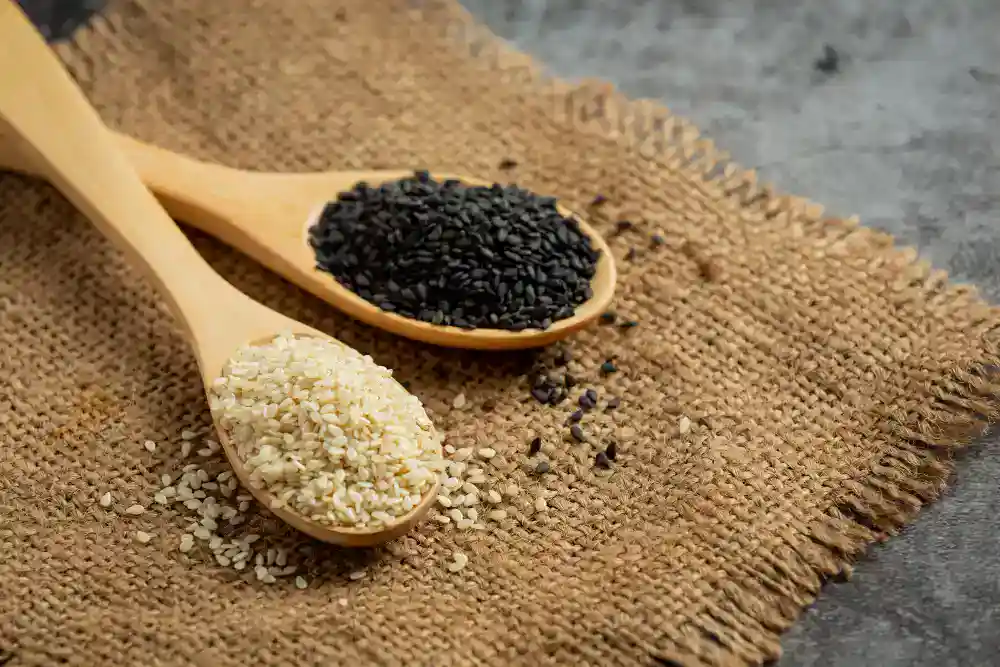
Winter and til ladoos feel like tradition. There’s a reason for that. Sesame seeds are warming, rich in minerals, and help with joint health. They balance Vata, which normally becomes high in winter and causes dryness, aches, and stiffness.
Even a small amount works. Maybe 3–4 til ladoos a week. Or sprinkle some sesame seeds on salads or vegetables.
3. Nuts and Dry Fruits

Walnuts, almonds, figs, dates, and raisins give steady energy. They help if you feel low, tired, or cold all the time. Soaking almonds overnight makes them easier to digest.
Dates with warm milk are a simple winter treat. It helps you sleep better and keeps your body strong.
4. Warm Spices
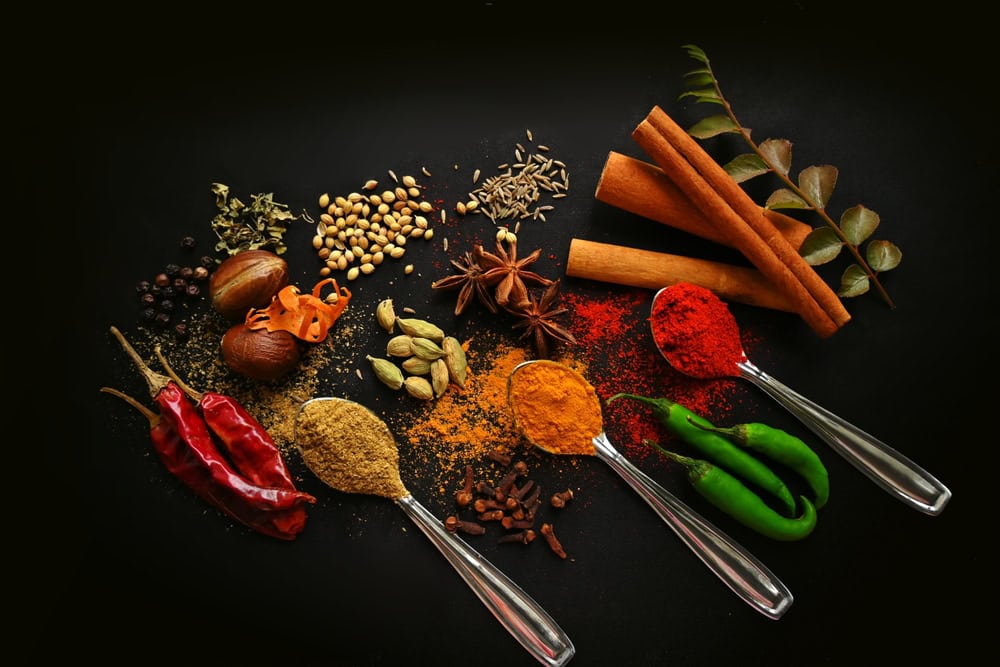
Not the fire-in-your-mouth kind. I mean helpful spices like ginger, cinnamon, turmeric, black pepper, fennel, and cardamom.
They support digestion, prevent gas and bloating, and keep you warm. You can add them to tea, soups, milk, or food.
If you struggle with indigestion or constipation in winter, warm water with ginger is magic.
5. Root Vegetables

Carrots, beets, sweet potatoes, and radish grow underground. Ayurveda calls them grounding foods. They nourish tissues, energize the body, and keep digestion stable.
A simple carrot-beet soup in the evenings feels comforting without feeling heavy.
6. Seasonal Fruits

Amla, oranges, apples, pears, and pomegranates are great in winter. Amla especially, is considered a Rasayana in Ayurveda. It strengthens immunity, skin health, digestion, and hair.
Fresh fruits are better than juices in winter because fiber keeps digestion strong.
7. Millets and Whole Grains

Bajra and jowar are amazing winter grains. They keep you full longer and support warmth in the body. Bajra roti with a little ghee is a classic Indian winter meal for a reason.
If you haven’t tried bajra khichdi yet, give it a chance. It tastes better than it sounds.
8. Herbal Tea Instead of Cold Drinks

Cold water shocks the digestive system in winter. Warm water, herbal tea, or even warm infused water with spices helps digestion stay strong.
Ginger tea, cinnamon tea, and tulsi tea, all simple and soothing.
9. Winter Greens

Sarson ka saag, methi, spinach, bathua — these greens detoxify the body, support energy, and keep skin glowing.
Eat them cooked, not raw. Raw salads feel healthy, but can be heavy for winter digestion.
10. Warm Milk With Spices

A small cup of warm milk with turmeric or nutmeg may help you sleep better and reduce dryness.
If milk doesn’t suit you, try almond milk or oat milk with spices.
FAQs
How much ghee should I consume daily?
Most people do well with 1–2 teaspoons a day. If you already have a very oily diet or digestion feels sluggish, start with less and see how your body reacts.
Are raw salads okay in winter?
Raw salads can feel hard to digest when the weather is cold. If you love salads, make them warm or lightly sauté your vegetables. Your stomach will thank you.
Can I drink water straight from the fridge?
It’s better to avoid cold water in winter. Warm or room-temperature water helps digestion stay strong and prevents discomfort.
I’m trying to lose weight; can I still eat nuts, seeds, and ghee?
Yes, but in moderation. These foods nourish the body and support metabolism. Overeating is the real issue, not the food itself.
Is milk necessary in winter?
Not for everyone. If milk suits you, warm milk with spices like turmeric or nutmeg can help you sleep and stay warm. If milk makes you bloated or uncomfortable, skip it.
When is the best time to eat fruits in winter?
Late morning works well. Avoid eating fruits late evening or with meals, because that can cause gas or indigestion.
Can children and older adults follow the same winter food rules?
Yes, but in a gentler way. Smaller portions, simple meals, and easily digestible food work well for them.
(The article is written by Mantasha, Sr. Executive, Clinical Health & Content, and reviewed by Monalisa Deka, Deputy Manager, Clinical Health & Content, Medical Affairs.)