
As winter arrives, we tend to eat heavier meals, richer gravies, more snacks, and drink less water. All these factors can quietly elevate uric acid levels and trigger painful flare-ups. High uric acid (hyperuricemia) can lead to gout, painful joint flares, and, if persistent, then kidney stones. But what raises uric acid? Can foods help bring it down? The right foods can support uric acid balance, reduce inflammation, ease discomfort, and improve joint health. With some small, everyday diet tweaks, one can take control over their health. This winter, try these 7 foods to reduce uric acid levels, along with lifestyle habits, and keep them under control.
What Raises Uric Acid Levels?

Uric acid is produced when your body breaks down purine, a compound naturally present in the body and found in certain foods. Normally, the kidneys filter out uric acid and remove it in the form of urine. But when the body produces too much, or the kidneys cannot remove it efficiently, it accumulates in the blood. This can form sharp crystals in joints (gout) or in the urinary tract.
If you are thinking that the pain you have been ignoring for days might be related to your kidney health.
Take a kidney health screening today and clear all your doubts!
Role of Diet in Reducing Uric Acid
Winter can increase the chances of raising your uric acid due to several reasons:
– As the water intake lowers, there is less urine output, leading to less uric acid elimination.
– Heavier comfort foods (read meat, sardines, etc.) can lead to a higher purine load.
– More alcohol consumption during holidays can trigger gout.
– Less physical activity can lead to weight gain.
– Uric acid production can be increased due to the consumption of more sugary and winter treats [1], like gajak and chikki, etc.
Diet can affect both the amount of uric acid your body makes and the amount it excretes [2]. That’s why it is important to choose foods to reduce uric acid levels and help support kidney function.
Winter-Friendly Foods to Reduce Uric Acid Levels
Below are some of the winter-friendly foods to reduce uric acid levels – along with simple tips to include them daily.
1. Cherries and Berries

Cherries (especially Tart cherries) or cherry juice contain anthocyanins, an anti-inflammatory and antioxidant compound. According to a study, cherries have been linked to reduced serum urate and risk of gout attacks [3].
Easy ideas: Mix some berries into curd or oatmeal, or add frozen cherries to porridge.
2. Whole Grains and Oats

Choose oatmeal, dalia, brown rice, and whole-grain rotis instead of refined flours. They help regulate sugar levels and are lower in purine content [4]. Whole grains can provide steady energy, help with weight control, and are part of balanced meals. Whole grains also help you feel full, so you’re less likely to overeat rich, purine-heavy foods.
How to include: Warm vegetable-rich khichdi or millet rotis are perfect for winter meals.
3. Low-Fat Dairy Products

Milk, paneer, and curd are associated with lower uric acid and fewer gout flares [4]. This is likely due to proteins in milk that promote uric acid excretion. They are low in purines and rich in beneficial proteins. Try making low-fat paneer burji, or warm low-fat milk with turmeric.
4. Citrus Fruits and Vitamin C-Rich Foods

Vitamin C helps the kidneys excrete uric acid more efficiently. Studies show that people who consume adequate vitamin C have a lower risk of high uric acid and gout flare-ups [5]. Regularly eat vitamin C-rich foods to reduce uric acid levels. Common examples include mosambi, guava, orange, amla (indian gooseberry), and grapefruit.
How to include: Start your day with warm lemon water or take amla juice in winter for added vitamin C.
5. Legumes and Plant-based Proteins

Contrary to myth, plant-based high-purine foods do not raise gout risk the way animal purines do [6]. Pulses (moong, chana, and masoor) are nutritious – using them in moderate portions and soaking/pressure cooking can improve digestibility.
6. Low-Purine Protein Choices
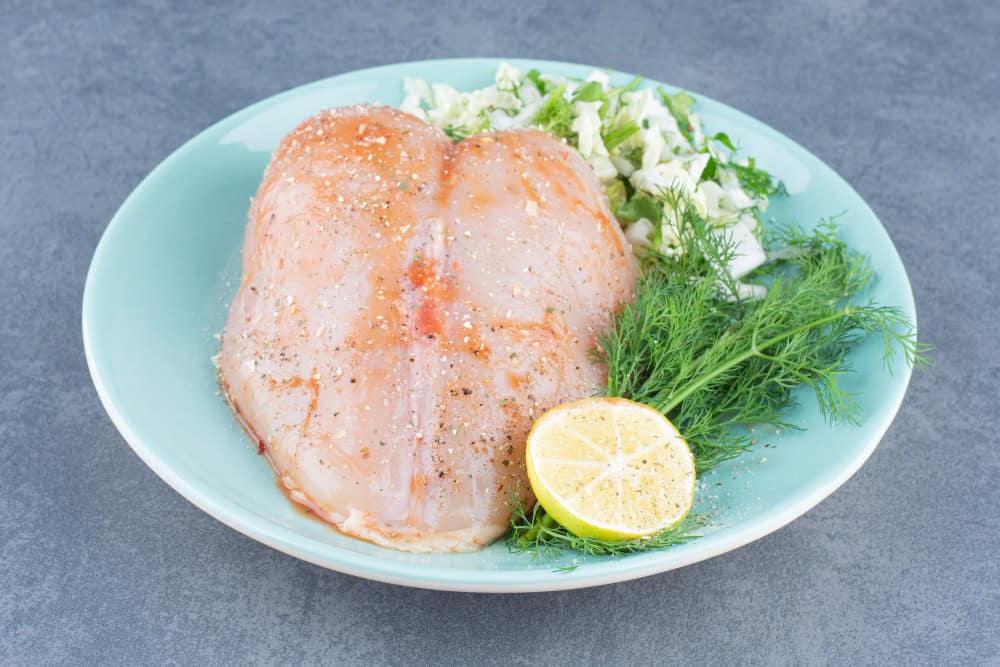
If you prefer non-vegetarian foods, choose lower-purine-content proteins. Opt for turkey, chicken breast, white fish (cod or sole), and eggs in moderate consumption.
7. Ginger and Turmeric
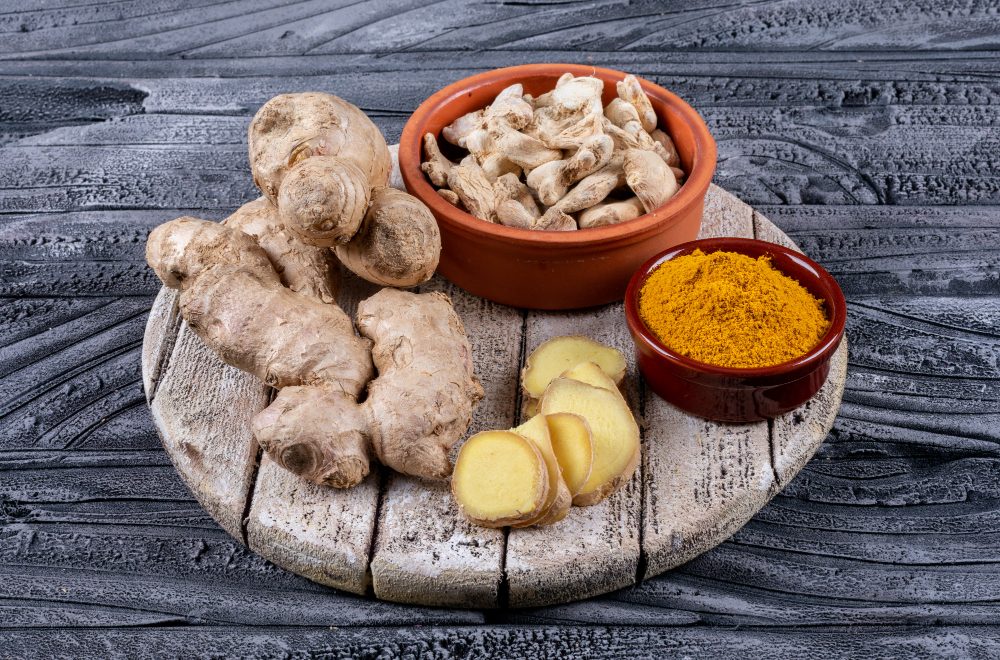
In winter, turmeric and ginger are quite warming with anti-inflammatory properties that may help manage joint discomfort when uric acid is elevated. Use them in soups, kadha, dals, and warm milk. These spices may help reduce inflammation but do not replace medical treatment for gout.
Foods to reduce uric acid help, but some people may need medications to effectively control uric acid levels.
Always consult and seek medical guidance before adapting to any dietary changes.
Lifestyle Tips That Matter As Much As Food

Even the best diet won’t help if foundational habits are ignored.
1. Avoid crash dieting or fasting
Sudden fasting or extreme diets release purines from tissues and can raise the uric acid levels.
2. Move daily
Winters can reduce movement, but walking for a few minutes can help the kidneys clear uric acid and improve metabolism.
3. Stay warm
Cold temperatures could narrow blood vessels and may aggravate gout symptoms. Dress warmly, and cover feet and hands.
4. Keep your weight in check
Being overweight can reduce excretion and increase uric acid production.
If you don’t know your uric acid levels, go test them out now!
Key Takeaway
– Winter can worsen uric acid levels due to dehydration, heavy meals, and less activity.
– Choosing the right foods to reduce uric acid levels can help prevent gout attacks.
– Long-term control is possible through a combination of dietary choices, hydration, weight management, and timely medical guidance.
FAQs
Q. How do I know if I have high uric acid levels?
Serum uric acid is a blood test that can confirm high uric acid. Symptoms like joint pain, swelling, redness, or sudden gout attacks may indicate elevated levels. Always seek medical help when these symptoms appear.
Q. Are there any medicines to reduce high uric acid levels if lifestyle changes don’t help?
Yes, some medicines can help reduce high uric acid if diet and lifestyle are insufficient. They should be taken only under a doctor’s supervision.
Q. How can I reduce high uric acid without medications?
Focus on lifestyle changes like weight management, etc., and try eating more fruits, vegetables, whole grains, and low-fat dairy. This way you can reduce high uric acid without medications.
Q. Does uric acid increase in the winter season?
Yes, gout flares and uric acid levels can rise in winter due to reduced physical activity, heavy foods, and dehydration.
Q. Are millets good for uric acid control?
Most millets are low in purine and rich in fiber, making them suitable for uric acid management.
Q. Can high uric acid go away on its own?
Mild elevation may improve with lifestyle changes, but chronic uric acid rarely resolves without proper management. Always talk to your doctor before taking any step.
Q. Can stress cause gout?
Yes, stress can increase inflammation and trigger hormonal changes that may contribute to gout flares.
Q. What organ is weak if you have gout?
Gout is not caused by a single weak organ, but poor kidney function can certainly play a part. It can reduce the body’s ability to remove uric acid, increasing the risk of gout.
References
1. Russo E, Leoncini G, Esposito P, Garibotto G, Pontremoli R, Viazzi F. Fructose and uric acid: major mediators of cardiovascular disease risk starting at paediatric age. International Journal of Molecular Sciences. 2020;21(12):4479. doi:10.3390/ijms21124479
2. Zhang Y, Chen S, Yuan M, Xu Y, Xu H. Gout and Diet: A Comprehensive Review of Mechanisms and Management. Nutrients. 2022;14(17):3525. doi:10.3390/nu14173525
3. Chen PE, Liu CY, Chien WH, Chien CW, Tung TH. Effectiveness of cherries in reducing uric acid and gout: a systematic review. Evidence-based Complementary and Alternative Medicine. 2019; 2019:1-7. doi:10.1155/2019/9896757
4. What to eat (and avoid) if you have gout. National Kidney Foundation. https://www.kidney.org/news-stories/what-to-eat-and-avoid-if-you-have-gout.
5. UK Gout Society. Diet. https://www.ukgoutsociety.org/PDFs/goutsociety-allaboutgoutanddiet-0917.pdf.
6. Jakše B, Jakše B, Pajek M, Pajek J. Uric acid and Plant-Based nutrition. Nutrients. 2019;11(8):1736. doi:10.3390/nu11081736
(The article is written by Sneha Jajoo, Intern, Clinical Health & Content, and is reviewed by Dr.Subita Alagh, Assistant Team Lead, Disease Content.)