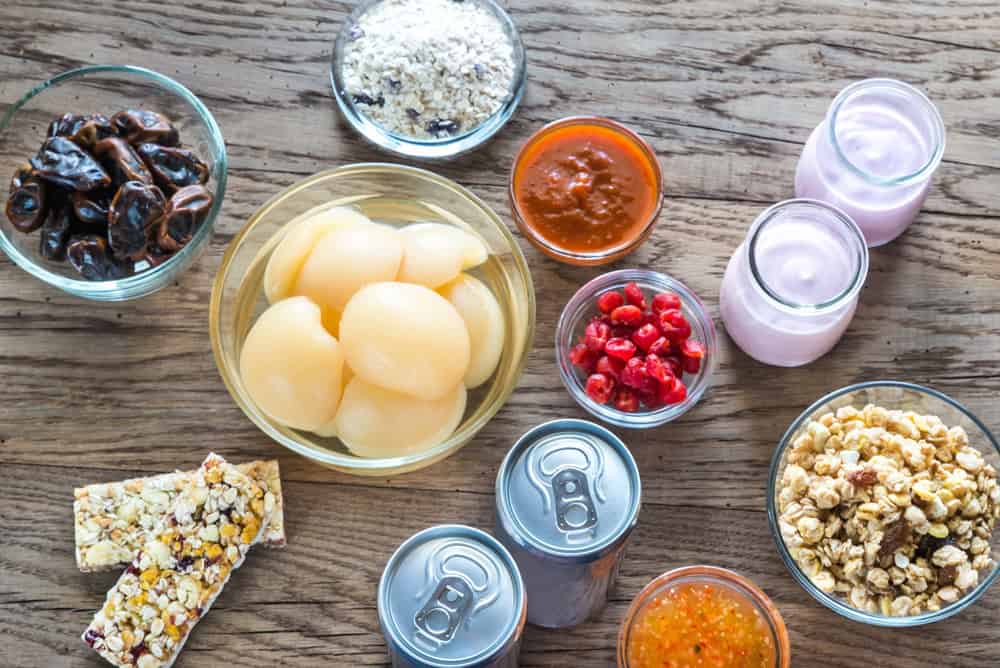
While we often associate sugar with sweetened foods like cakes and soft drinks, it is actually unsweetened foods with high added sugar that pose a greater health risk. These foods drive the increasing rates of Western lifestyle conditions such as obesity, fatty liver disease, diabetes, chronic inflammation, and hormonal imbalances—often without people realizing it.
Hidden sugar infiltrates our daily diet in forms like dextrose, high fructose corn syrup, maltose, cane juice, caramel, and concentrated fruit juice. As a result, even foods we consider nutritious often contain more sugar than is recommended.
Nutritionist Mamta Sharma at Tata 1mg highlights a detailed list of everyday foods packed with hidden sugars and explains why limiting them is essential for smarter, healthier eating.
Understanding the Dangers of Hidden Sugars
So, hidden sugars are bad for you, but sugar isn’t necessarily bad for you—it’s the amount that is too high (it’s recommended by the World Health Organization that people consume less than 6 tsp. of sugar/day over an extended period), which is often 2-3x what people consume daily without any knowledge.
Hidden sugars in our diets can affect our bodies in several harmful ways:
- Raises blood sugar and increases the risk of diabetes
- Insulin resistance development
- Increased fat storage, primarily in the abdominal area
- Mood swings and energy crashes
- Skin problems, breakouts, and early aging
- Damage to liver function
- Increased hunger and potential overeating
Ms. Sharma also mentions, “ Because of their hidden nature, hidden sugars pose a larger threat to our health than candies and chocolates. Awareness of hidden sugars is the first step in taking control of your health.”
Types of Food to Avoid (or Limit) That Contain Hidden Sugars
1) Flavoured Yogurt
While many people consider yogurt to be a healthy option, the average serving of store-bought flavoured yogurt contains 8-12 tsp. of sugar! Many flavoured yogurts also contain added high fructose corn syrup or other preservatives.
Instead of buying flavoured yogurt, try making homemade yogurt or eating plain Greek yogurt with fresh fruit added.
2) Breakfast Cereals
Cornflakes, chocos, muesli, granola, instant breakfast mixes. The majority has sugar listed in the top given ingredients. They provide an instant energy boost followed by a crash afterwards.
Nutritionist Tip: Select unsweetened oats or low-sugar granola, and add nuts or seeds to make it taste better.
3) Packaged Fruit Juices
Even the 100% Fruit juices are still made from concentrates, have had all the fibre removed, & are usually sweetened with sugar or some kind of fruit concentrate – up to 6 tsp of sugar can be found in a single glass of Juice.
Better Option: Eat whole fruit instead of drinking juice.
4) Energy & Protein Bars
Many energy / Protein bars are promoted as health/fitness foods, but many contain chocolate coatings, sweeteners, syrups, glucose, etc. For example, some protein bars can contain the same amount of sugar as candy bars.
Recommendation: Find energy/protein bars that have less than 5 grams of added sugars, or make homemade nut bars.
5) Ketchup & Sauces
Ketchup, chilli sauce, barbecue sauce, and salad dressings all contain roughly 20–25% sugar. For example, 1 tablespoon of ketchup contains around 4 grams of sugar.
Healthy Alternative: Make homemade tomato chutney, make hung-curd dips, and use olive oil-based dressings.
6) Flavoured Tea & Coffee Creamers
Café-style drinks use syrups and whipped cream, caramel, etc. This increases the sugar content significantly. For example, a single flavoured latte may contain from 20 to 30 g of sugar.
Healthy Alternatives: Black coffee, unsweetened milk coffee, herbal teas, cinnamon- or cardamom-flavoured drinks.
7) Packaged Snacks
Such items as instant noodles, biscuits, chips, and baked crackers use refined flour and sugar to flavour them. For example, even “digestive biscuits” contain malt extract and fructose syrup.
8) Bread & Bakery Products
The addition of sugar (for texture & colour) is common for white bread, rolls, pizza crusts, muffins, and pastries.
Healthier Alternatives: Whole-wheat multigrain bread without added sugars.
9) Low-Fat & Diet Foods
Ironically, many “low-fat” packaged foods use sugar instead of fat to enhance flavour. Examples include low-fat mayonnaise, dressings, milk drinks, and flavoured milk.
10) Instant Oats & Flavoured Porridges
Instant spice-flavoured oats or fruit-flavoured oats have sugars, preservatives, and flavour enhancers. Even healthy-looking varieties can contain 8–10 grams of sugar per serving.
Nutritionists Recommend Identifying Hidden Sugar Early
The insatiable appetite results from hidden sugars. The hidden sugars lead to:
- Chronic Inflammation (A major contribution to other chronic conditions)
- Weight Gain
- Acne/Pigmentation
- Polycystic Ovarian Syndrome symptoms
- Poor Gut Health
- Thyroid Disturbances
- Bloating/Acid Indigestion
- Fatigue/Lack of Energy
How to Eliminate Hidden Sugars (Simple Lifestyle Changes)
-Cook More Meals At Home: Cooking allows for more control over the amount of sugar, oil, etc., added to each meal.
-Choose Whole Foods: Fresh fruit, veggies, whole grains, nuts, seeds, beans, and other whole foods will assist you in avoiding hidden sugars.
Replace Sugar with Natural Products
- Stevia
- Jaggery (use cautiously)
- Dates
- Coconut Sugar
-Drink Water instead of Beverages:
Avoid any packaged juice, bottled tea drinks, energy drinks, carbonated beverages, etc.
Choose home-cooked meals such as plain oats, eggs, idlis, poha, and parathas instead of boxed cereals.
Final Takeaway
Hidden sugars can be found in so many foods that generally do not taste sweet to most people, but they also pose several potential health problems as they contribute to increased health risks, create a hormonal imbalance, drain a person’s energy levels, and cause other health issues. To reduce your hidden sugar intake, use whole foods versus processed or packaged foods, read product labels before purchasing a product, and opt for healthier food options whenever possible.
FAQs
- What are hidden sugars?
Hidden or integrated sugars are sugars that have been added to packaged/processed foods and labelled under a variety of names, such as dextrose, maltose, glucose syrup, etc.
- Are hidden/integrated sugars harmful?
Yes! Hidden sugars contribute to obesity, increased risk of diabetes, inflammation, low levels of energy, poor skin health, and hormone imbalance.
- How do I know if a product contains hidden sugars?
Check the ingredient list on the product. If the word sugar or any sweetener is among the first five ingredients listed, the product will most likely contain a large quantity of sugar.
- Are products that claim to be low-fat healthy?
Most times, no. Many companies that produce low-fat products add additional sugar in order to enhance the flavour of the products.
- Is whole fruit better for you than fruit juice?
Whole fruit contains all of the same nutrients as fruit juice but with added fibre to slow down the absorption of sugars into the bloodstream, thus preventing spikes in blood sugar levels.
- Should I buy biscuits labeled “healthy” or “digestive”?
Many of these products contain high levels of hidden sugar, refined flour, and other types of sweeteners. As such, only consume these biscuits occasionally.
- How many added sugars are it safe to eat each day?
According to the World Health Organization (WHO), the suggested maximum amount of added sugar you should eat in one day is no more than 6 teaspoons.
- What are some examples of healthy snacks with minimal sugar?
Instead of products high in sugar from packaged snacks, eat nuts, fruit, seeds, homemade granola, salads, roasted chana (a type of chickpea), boiled eggs, and/or coconut water instead.
Recommended Reads
7 Nourishing Winter Superfoods For A Happy Gut: Loved By Nutritionists