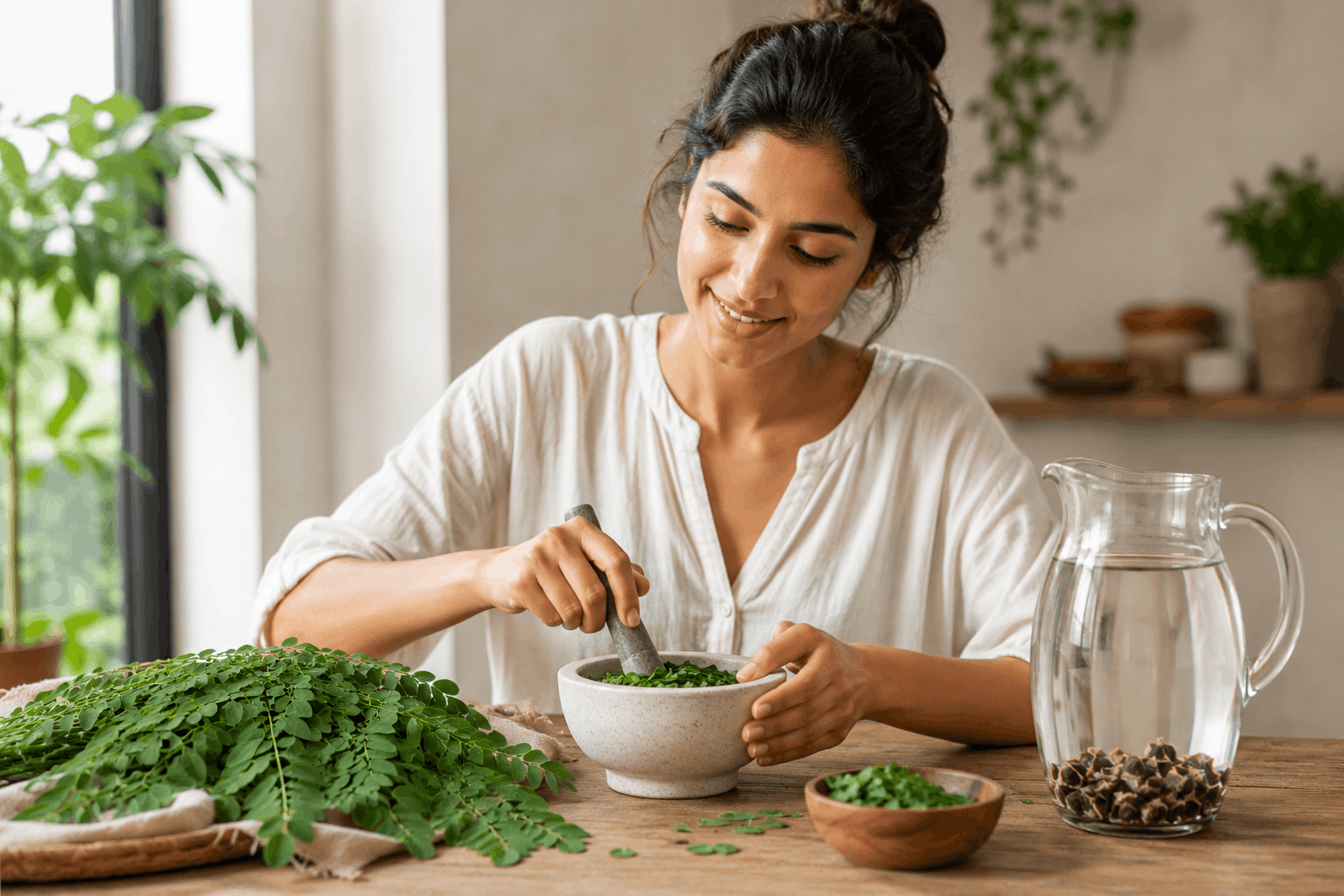
Imagine a single tree where every single part, from its bright green leaves down to its seeds, serves a real, practical purpose. That is exactly why researchers often call Moringa the ultimate miracle plant. Not because it performs miracles, but because different parts of the plant serve remarkably different purposes. Take the leaves and the seeds. On paper, they come from the same plant. In practice, they’re solving two problems that have nothing to do with each other. The leaves are being studied for their role in raising hemoglobin, particularly in women dealing with anemia. The seeds, on the other hand, have properties that can purify water. So join us as we dig deep into the benefits of moringa, often called ” miracle tree. “
What Is Moringa?
Moringa oleifera is a fast-growing plant native to the Indian subcontinent that is now cultivated across many tropical and subtropical regions. Often called the drumstick tree or horseradish tree, it has been valued for generations not just as a food but also for its many practical uses. Its leaves, flowers, pods and even seeds are all useful in different ways.
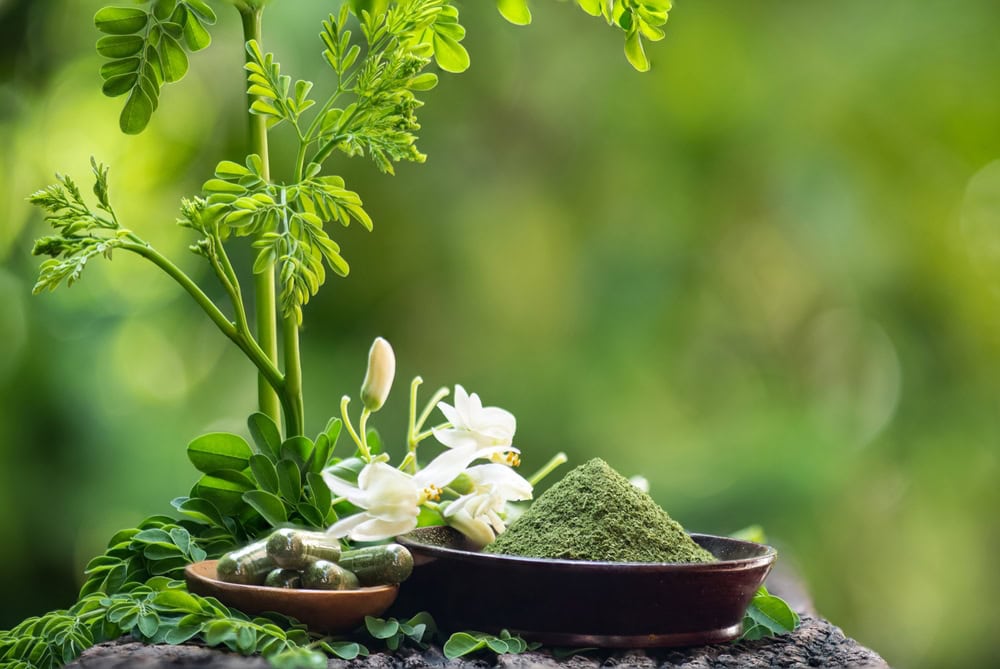
The leaves are commonly eaten fresh or dried into powder, the long pods are a familiar ingredient in many Indian dishes, and the seeds have attracted scientific interest for their ability to help clarify muddy water. Scientists have studied various bioactive compounds across the plant, including antioxidants, vitamins, and plant proteins that are beneficial for your health in multiple ways.
Moringa Leaves Health Benefits
Much of moringa’s reputation comes from its leaves, and for good reason. They’re naturally rich in vitamins A, C and E, along with iron, calcium, potassium, magnesium and folate. There’s also plant protein, fibre, and a set of bioactive compounds like quercetin and chlorogenic acid that work as antioxidants. No single food covers all your nutritional bases, but moringa leaves added to a balanced diet bring a fairly rare mix of these nutrients to the table.
Protects Heart Health
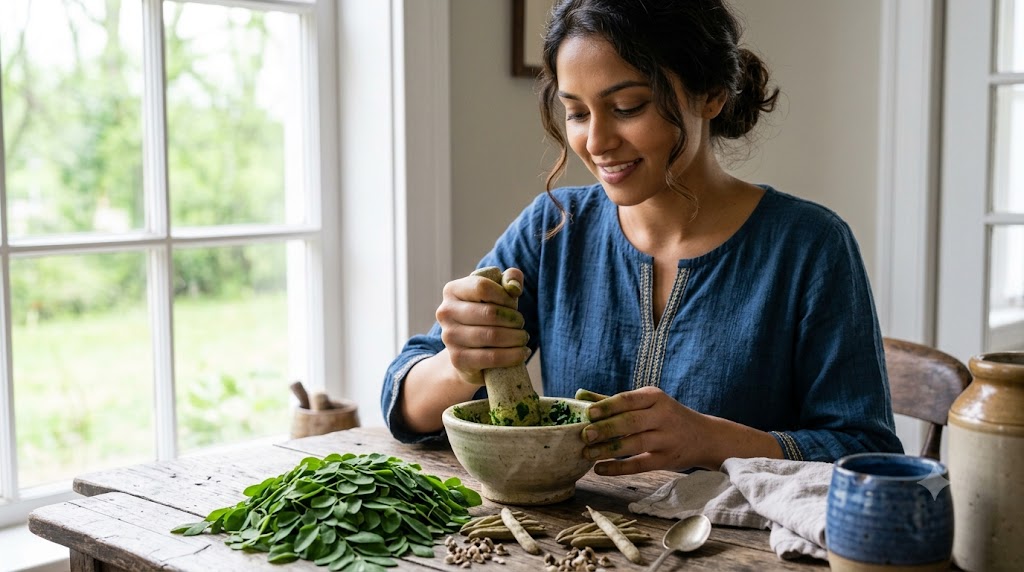
High cholesterol levels can lead to plaque buildup in arteries, increasing the risk of heart disease. Compounds found in moringa leaves help inhibit lipid accumulation and lower blood cholesterol levels, particularly LDL or bad cholesterol. By combining antioxidant protection with lipid-lowering properties, regular intake helps maintain clear blood vessels and supports long-term cardiovascular health.
Helps Regulate Blood Sugar Levels
Blood sugar that stays high for too long raises the risk of conditions like diabetes down the line. Moringa leaves contain chlorogenic acid, a compound that slows down how quickly sugar gets absorbed into the bloodstream after a meal. Studies looking at moringa leaf powder mixed into meals found it noticeably reduced post-meal sugar spikes and improved insulin sensitivity, which helps keep energy levels steadier through the day instead of crashing an hour later. [1]
Rich in Antioxidants That Help Protect Your Cells
Cells face oxidative stress constantly, from ordinary metabolism, pollution, and other everyday exposures. Moringa leaves contain antioxidants such as quercetin, chlorogenic acid, carotenoids, and vitamin C, all of which help neutralise the unstable molecules known as free radicals. Human research on this is still catching up, but these compounds are thought to be behind much of what moringa is credited for. [2]
May Help Support Healthy Haemoglobin Levels
Moringa leaves are a natural source of iron and folate, two nutrients involved in the production of red blood cells. They also contain vitamin C, which helps improve the body’s absorption of iron from plant-based foods. Some small human studies have reported improvements in haemoglobin levels with moringa supplementation, but larger clinical trials are still needed.
Moringa Seeds: Nature’s Water Clarifier
While moringa leaves often steal the spotlight, the seeds have a remarkable ability of their own. For generations in dry regions across Africa and South Asia, communities have used crushed moringa seeds to clear out dirty water. Crushed and mixed into turbid water, they release a small protein that carries a positive charge. That protein binds to the negatively charged particles floating in dirty water, dirt, silt, and even bacteria, and pulls them together into clumps heavy enough to sink. Within a few hours, the water clears enough to meet drinking water standards in several field trials. Research also suggests that the seeds can reduce the number of certain bacteria by trapping them along with suspended particles. [3]
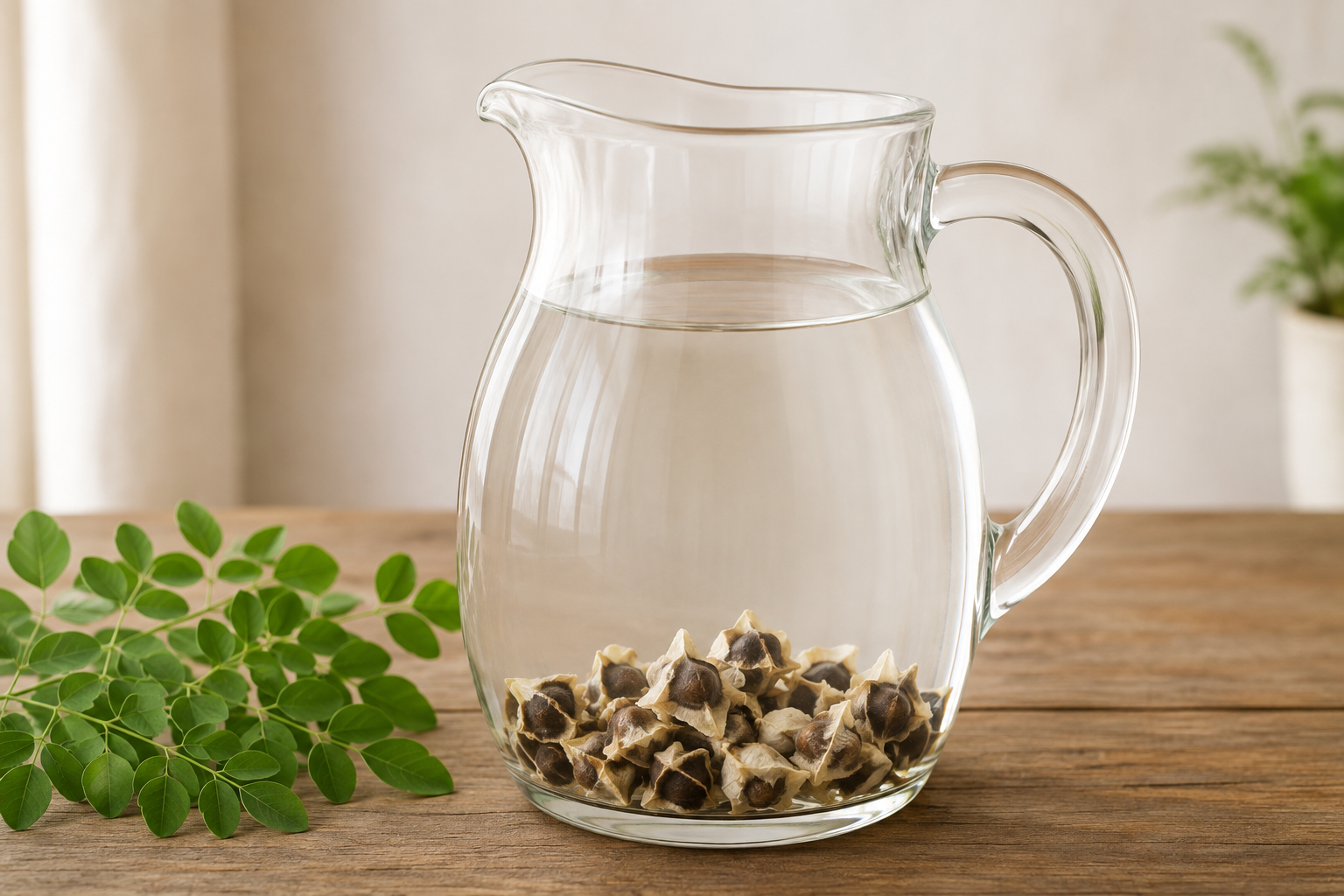
Beyond water purification, moringa seeds are also edible when young and are a source of healthy fats and plant protein. They can also be pressed to produce ben oil, a light, stable oil used in cooking, cosmetics, and skincare products. This oil mimics your skin’s natural lipid barrier, making it useful for deep hydration without clogging pores. The seeds also carry antimicrobial compounds that research suggests can help manage bacterial skin issues and support wound healing.
How to Use Moringa
If you’ve grown up in India, you’ve probably eaten moringa without thinking much about it. Its long green pods, better known as drumsticks, are a familiar addition to sambar, curries, and other regional dishes. The leaves are just as versatile. They can be lightly sautéed, stirred into dals, soups or vegetable curries, much like spinach. You can also find moringa as a dried leaf powder, which blends easily into smoothies, yogurt or even a glass of buttermilk. Since the powder has a distinct earthy taste, it’s best to start with a small amount. Whichever form you choose, moringa works best as a regular part of a varied, wholesome diet.
Moringa for Weight Loss: How Much to Take, When to Take It, and Which Form Works Best
FAQs
Can moringa leaves be eaten raw?
Yes. Young, tender leaves can be added to salads, though many people prefer cooking them to soften their taste.
Does moringa powder taste like spinach?
Not quite. It has a stronger, earthy flavour, so a little usually goes a long way.
Is moringa the same as drumstick?
They come from the same tree. The long pods are called drumsticks, while the leaves are eaten as a leafy vegetable.
What’s the difference between fresh moringa leaves and the powder?
Fresh leaves work well in cooked dishes, while the powder is simply dried leaves ground into a fine powder.
Reference-
1- Leone A, Bertoli S, Di Lello S, Bassoli A, Ravasenghi S, Borgonovo G, et al. Effect of Moringa oleifera leaf powder on postprandial blood glucose response: in vivo study on Saharawi people living in refugee camps. Nutrients. 2018;10(10):1494.
2-Pareek A, Pant M, Gupta MM, Kashania P, Ratan Y, Jain V, et al. Moringa oleifera: An updated comprehensive review of its pharmacological activities, ethnomedicinal, phytopharmaceutical formulation, clinical, phytochemical, and toxicological aspects. Int J Mol Sci. 2023 Jan 20
3- Dandesa B, Akuma DA, Alemayehu E. Water purification improvement using moringa oleifera seed extract pastes for coagulation follow scoria filtration. Heliyon. 2023 Jul;9(7):e17420.
(The article is written by Ehsan Siddiqui, Team Lead, Clinical Health & Content and reviewed by Monalisa Deka, Senior Health Content Editor)
Recommended Reads:
Cortisol Face: The Viral Term That Has Everyone Looking in the Mirror