
Potatoes are a widely consumed food, but there seems to be an ongoing debate about whether sweet potatoes are better for your health than ordinary potatoes.
Both types of potatoes have a number of nutrients in common, such as carbohydrates, fibre, vitamins, and minerals. Nevertheless, there are more important differences between these two foods, like nutrient content, glycemic index (GI) and antioxidants in them. Sweet potatoes are abundant in beta-carotene, while ordinary potatoes are rich in potassium and vitamin B6 [1].
However, it does not mean that the choice of the sweet potato will result in weight loss. Cooking method, serving size, and combination of foods may have an impact on both blood sugar levels and calories taken.
Let’s compare their nutritional information in terms of the possible benefits one may get from these foods to find out which one is better for you.
1. Sweet vs. Normal Potato: Nutritional Comparison

Although both are starchy vegetables, they are not exactly similar in nutritional terms. The famous characteristics of sweet potatoes are their high beta-carotene content, while normal potatoes are a good source of potassium, vitamin B6, and vitamin C.
The table below shows approximate values of the nutrients in 100 grams of boiled potato without added salt [7].
| Nutrient | Sweet potato | Regular potato |
| Calories | 76 kcal | 87 kcal |
| Carbohydrates | 17.7 g | 20.1 g |
| Protein | 1.4 g | 1.9 g |
| Dietary fibre | 2.5 g | 1.8 g |
| Fat | 0.1 g | 0.1 g |
| Potassium | 230 mg | 379 mg |
| Vitamin C | 12.8 mg | 13.0 mg |
| Vitamin B6 | 0.2 mg | 0.3 mg |
| Vitamin A | High (varies by variety) | Very low |
What can you learn from this comparison?
– Sweet potatoes typically provide more dietary fiber and beta-carotene, especially orange-fleshed ones.
– Normal potatoes are a good source of potassium, which helps to maintain normal functioning of muscles and fluid balance.
– Both types contain vitamin C and vitamin B6 that are important for normal operation of the immune system as well as energy metabolism.
According to the Harvard Nutrition Source, orange-fleshed sweet potatoes have lots of beta-carotene, which is transformed into vitamin A in the human body. The purple flesh type also contains anthocyanins, which are substances with antioxidant properties [1].
2. Glycemic Index of Potatoes: Does Sweet Potato Carry A Lower Glycemic Index?

The glycemic index (GI) is a measurement of the speed with which carbohydrate-rich food raises the blood glucose in comparison with a reference food that is glucose in most cases.
The foods are categorized into:
– Low GI range: 55 or below
– Medium GI range: 56-69
– High GI range: 70 or above [8].
Sweet potatoes probably have an upper hand over regular potatoes when it comes to blood glucose management. However, this is not necessarily the case.
Studies have shown that the GI of sweet potatoes and regular potatoes can vary widely, depending on the type of potato and the method of cooking.
Some examples can be given for illustration:
– A study of ten Jamaican sweet potato cultivars revealed a considerable variation in GI depending on the cultivar and processing method. Therefore, GI values from individual varieties should not be generalised to all sweet potatoes [2].
– Some sweet potatoes were baked and the GI was noted to be over 80.
– Different GI levels have also been shown for regular potatoes, some showing intermediate levels for some types of boiled potatoes while others showing high GI responses .
So the statement that sweet potatoes always have a lower GI than regular potatoes is false.
How does cooking affect the GI of potatoes?
Cooking alters the structure of the starch, which influences how fast digestive enzymes can break it down.
– Boiling: May have a different glycemic response than baking or roasting. However, this effect depends on the variety of potato and how it is prepared. Therefore, boiling does not guarantee a low-GI potato.
– Baking: This method can improve starch digestibility, which can increase the glycemic response.
– Cooling: Keeping cooked potatoes in a fridge can increase the amount of resistant starch that is not easily digested in the small intestine.
– Frying: It adds a lot of fat and calories to the dish making it not the best choice for weight-loss maintenance [2,3].
3. Sweet Potatoes vs. Regular Potatoes: Which has More Health Benefits?
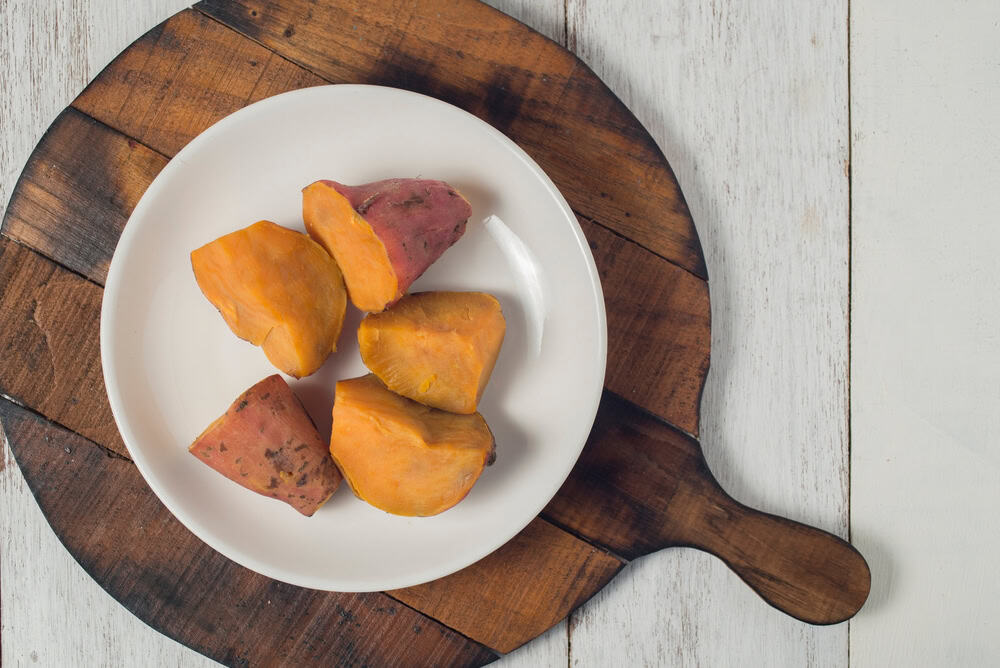
Both kinds of potatoes can introduce precious nutrients to the balanced diet but their good sides will differ based on the nutritional content of each of them.
Advantages of sweet potato
- Helps with vitamin A consumption: Orange-fleshed potatoes include beta-carotene, which aids in fulfilling the vitamin A needs of the body.
- Offers dietary fiber: Fiber aids in maintaining stool regularity, as well as in contributing to digestive health.
- Includes antioxidants: Beta-carotene and other plant substances assist with shielding cells from diseases caused by free radicals.
- Has potassium content: The mineral is responsible for helping muscles and nerves work as it should.
Advantages of Regular potatoes
- Supports muscle function : Potassium plays a role in regulating the process of muscle contraction and fluid balance.
- Includes vitamin B6: This vitamin is concerned with how proteins are processed as well as with normal function of the nervous system.
- Provides vitamin C: This vitamin helps with collagen creation, as well as with antioxidant activity and the immune system functioning.
- Provides resistant starch: Cooling cooked potatoes can increase their resistant starch content through starch retrogradation. Resistant starch escapes digestion in the small intestine and can be fermented by gut bacteria in the colon. However, the amount formed and its physiological effects vary with preparation [5].
4. Losing weight via Potatoes: Which potato is more effective for weight loss?

If losing weight is your primary aim, sweet potato seems like a clear winner since it gets a lot of publicity as a healthy food. But the truth is that both types of potatoes can actually help if you are on calorie restriction.
What is important to know:
1. Calories and portion management
When boiled, sweet potato has about 76 calories per 100 grams of it, and boiled regular potato has around 87 calories, showing that sweet potato is a bit less caloric than the regular one [4].
Though it must be noted that larger portions of either potato can increase your intake of calories.
2. Fiber and volume
Sweet potatoes typically contain more dietary fiber than regular potatoes. Fiber is known to be beneficial for digestion and help you feel satiated.
At the same time, you should not ignore regular potatoes – according to the research from the European Journal of Clinical Nutrition, boiled potatoes used in the study had the highest satiety index among 38 examined foods.
3. Cooking method plays a significant role
The cooking method that you choose makes all the difference when it comes to preparing potatoes.
The following should be taken into account when managing weight:
-Baked sweet potatoes instead of sweet potato fries.
-Steamed or boiled potatoes instead of deep-fried chips.
-Potatoes baked with little oil instead of those cooked with butter.
-Potato salads made with yoghurt-based dressing instead of high-calorie mayonnaise.
5. Ways to eat sweet potato and regular potato healthily
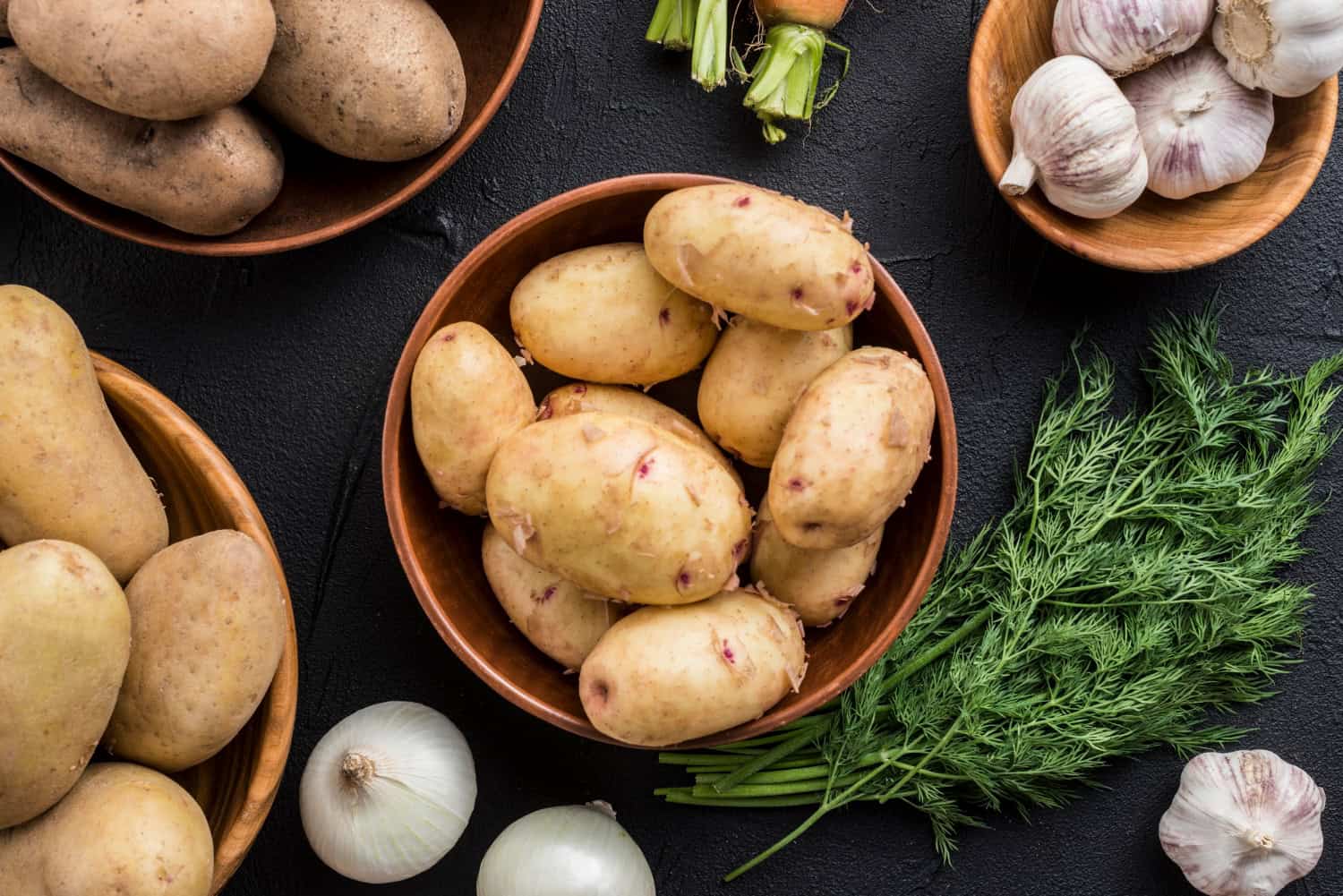
There is no need to avoid these two kinds of potatoes in your weight loss process.
| Healthy eating tip | Why it helps |
| Prefer boiling or steaming | Limits additional cooking fat |
| Keep the skin when suitable | Adds dietary fibre |
| Control portion sizes | Helps manage calorie intake |
| Avoid frequent deep-frying | Reduces excess fat and calories |
| Pair with protein | Makes meals more balanced |
| Include vegetables | Adds fibre and micronutrients |
Another option for cooked potatoes is to allow them to cool before consuming. Cooling may increase levels of resistant starch available in various preparations; however, effects can differ from patient to patient and from one study to the other [5].
As stated by the WHO, variety in one’s diet, fibers and whole food products are essential for following healthy nutrition. The World Health Organization (WHO) recommends that adults consume at least 25 g of naturally occurring dietary fiber daily. Adequate fiber intake supports digestive health and contributes to a healthy dietary pattern [6].
Which potato would be better?
It depends on what you want to get from your food.
- If you need vitamin A, then orange-fleshed sweet potato is your best bet as it is a source of beta-carotene.
- If you require potassium, then regular potatoes have the advantage of having more potassium than its variety per 100 grams.
- When it comes to fibers, sweet potato slightly wins.
- For blood sugar management purposes? Then it is important to think about the variety consumed, cooking method and portion so that one can be sure, sweet potato is the best.
- For weight loss: Both can be suitable when boiled, steamed or prepared with minimal added fat.
If you enjoy both, there is no reason to choose only one. Including different vegetables and carbohydrate sources can improve dietary variety.
Final Takeaway
Sweet potato and regular potato both belong to the category of foods packed with nutrition that can be a part of a smart weight-loss diet. Sweet potatoes contain a larger quantity of beta-carotene and generally more fiber, while common potatoes are rich in potassium and vitamin B6. Even though both varieties have a slightly different glycemic index depending on the way they are cooked, neither potato is favored over the other for weight loss purposes. You should focus more on regularity of portions, healthier ways of cooking, and balanced meals rather than excluding them from your menu.
FAQs
Q. Sweet potato vs regular potato: which is healthier?
Both types of potatoes are healthy. Sweet potato has more beta-carotene and has fiber, while regular potato provides potassium and vitamin B6.
Q.Which potato comes with a lower glycemic index?
Sweet potatoes may have a slightly lower GI if boiled, but some baked potatoes can have a high GI as well.
Q. Are regular potatoes allowed during a weight loss diet?
Yes. Steamed and boiled regular potatoes are a good way to stay in a low-calorie diet.
Q. Is the level of fiber in sweet potatoes higher than in ordinary potatoes?
Yes, generally. Sweet potatoes have around 2.5 g per 100 g, while ordinary boiled potato contains only around 1.8 g.
Q. Is it acceptable for diabetic persons to consume sweet potatoes?
Yes, people with diabetes may include sweet potatoes in their meal plans. However, sweet potatoes still contain carbohydrates and can raise blood glucose levels. Portion size, cooking method, meal composition and individual glucose responses should be considered. A registered dietitian or healthcare professional can help determine suitable portions.
Q. Is a boiled potato healthier than a fried one?
Yes, generally. Cooking potatoes by boiling requires little or no fat, while frying adds extra calories and makes it difficult to control the portion size.
Q. Does cooling boiled potatoes reduce their glycemic response?
Cooling potatoes may create resistant starch, which can reduce blood glucose response; however, it depends on the type of cooking process and individual reactions.
Q. Is it possible to eat sweet potatoes daily?
Yes, as long as it is part of a balanced diet. However, you should consume various vegetables as well as grain and protein sources.
(The article is written by Deepa Sarkar, Senior Medical Writer, and reviewed by Monalisa Deka, Deputy Manager, Clinical Health & Content, Medical Affairs)
References
1. Harvard T.H. Chan School of Public Health. Sweet potatoes. The Nutrition Source Internet. Harvard University. Available from: https://nutritionsource.hsph.harvard.edu/food-features/sweet-potatoes/
2. Bahado-Singh PS, Riley CK, Wheatley AO, Lowe HI. Relationship between processing method and the glycemic indices of ten sweet potato (Ipomoea batatas) cultivars commonly consumed in Jamaica. J Nutr Metab. 2011;2011:584832. doi:10.1155/2011/584832.
3. Fernandes G, Velangi A, Wolever TMS. Glycemic index of potatoes commonly consumed in North America. J Am Diet Assoc. 2005;105(4):557-62. doi:10.1016/j.jada.2005.01.003.
4. Holt SHA, Miller JC, Petocz P, Farmakalidis E. A satiety index of common foods. Eur J Clin Nutr. 1995;49(9):675-90.
5. Birt DF, Boylston T, Hendrich S, Jane JL, Hollis J, Li L, et al. Resistant starch: promise for improving human health. Adv Nutr. 2013;4(6):587-601. doi:10.3945/an.113.004325.
6. World Health Organization. Healthy diet Internet. Geneva: WHO; 2026. Available from: https://www.who.int/news-room/fact-sheets/detail/healthy-diet.
7. U.S. Department of Agriculture. FoodData Central. Sweet potato, cooked, boiled, without skin. USDA National Nutrient Database for Standard Reference. Available from: https://fdc.nal.usda.gov/
8. Anjana RM, Anandakumar A, Mehta S, Salis SS. Glycemic index and glycemic load; management of mixed meals. In: RSSDI consensus guidelines 2025: nutrition management of diabetes mellitus in children, adolescents, and young adults in India. Int J Diabetes Dev Ctries. 2025;45(Suppl 2):S190.