
Ever notice how some days your heart is racing before you’ve even opened your laptop? Or how a full night’s sleep somehow still leaves you feeling wired and exhausted at the same time? That’s often your cortisol talking. It’s your body’s main stress hormone, and honestly, it’s not the villain it’s made out to be online, it’s essential for survival. The trouble starts when it stays switched on for too long, leaving you stuck in a loop of anxious energy and bone-deep tiredness that never quite resolves. The good news is that a handful of supplements to lower cortisol actually have real research behind them, not just influencer buzz. So let’s take a look at what the science says, and what’s still up for debate.
What Does Cortisol Actually Do?

Cortisol comes from your adrenal glands, two small glands that sit right above your kidneys, and it’s part of a feedback loop called the hypothalamic-pituitary-adrenal (HPA) axis, basically the conversation your brain and adrenal glands are constantly having about how stressed you are. It does a lot more than just respond to stress, too. It helps regulate your blood sugar, blood pressure, metabolism, and sleep-wake cycle, and it naturally peaks in the morning to help nudge you awake.
Problems creep in when stress becomes chronic and this system never really shuts off. That’s when elevated cortisol starts showing up as poor sleep, stubborn weight gain, and a kind of fatigue that coffee just can’t fix. Before you reach for supplements to lower cortisol, though, it’s worth remembering that sleep and chronic stress are usually the real root cause here, not a supplement gap.
Signs of High Cortisol
That constant “wired but tired” feeling doesn’t come out of nowhere. Here’s what elevated cortisol tends to look like day to day:
- Poor sleep, even when you’re exhausted
- Stubborn weight gain, especially around your belly
- A kind of fatigue that coffee just can’t fix
- Trouble focusing or a foggy head
- Getting sick more often than usual
- Feeling anxious or on edge without a clear reason
- Cravings for sugary or salty foods
Supplements to Lower Cortisol: What the Research Shows
Here’s what the research actually backs when it comes to supplements to lower cortisol, and where the evidence is still a bit shaky.
1. Ashwagandha
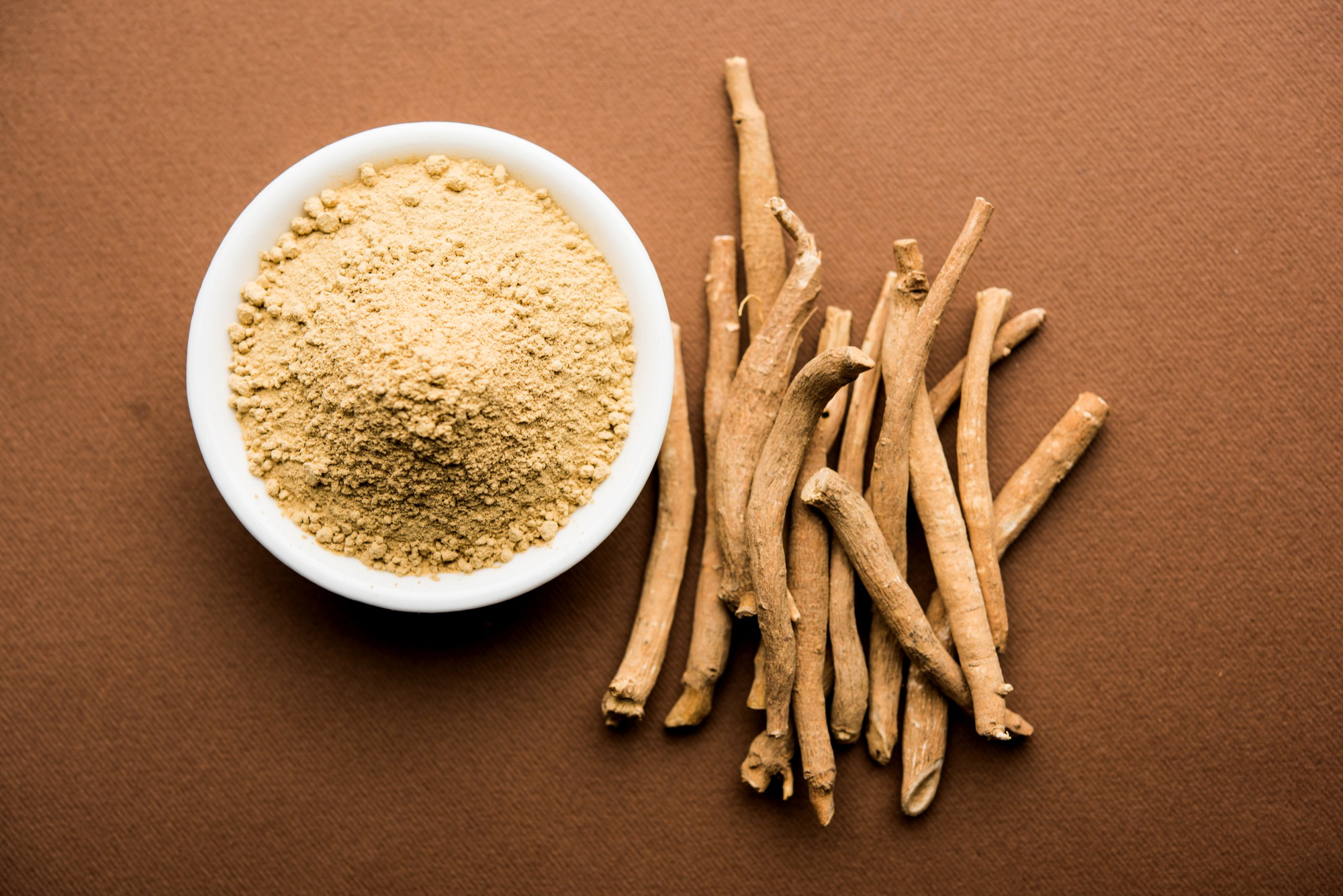
If you’ve spent any time looking into stress management, you’ve probably already heard of this one. Ashwagandha is a staple of Ayurvedic medicine, and it’s also the most researched adaptogen (a natural substance that helps the body adapt to stress) out there for this exact purpose. Studies show it can meaningfully lower cortisol levels while also easing stress and anxiety.[1] Most people use daily doses somewhere between 125 and 600 mg for a few weeks before noticing a difference. A small number of people do report an upset stomach, so it’s worth starting on the lower end.
Note: That said, ashwagandha isn’t recommended during pregnancy or breastfeeding, so skip this one unless your doctor says otherwise.
Not sure which ashwagandha supplement to choose? Read: How To Find Your Perfect Ashwagandha Supplement
2. Magnesium

Magnesium plays a direct role in how your body releases stress hormones, and here’s the tricky part, low magnesium levels can actually make your cortisol response worse. Studies show that magnesium supplementation, especially paired with vitamin B6, can meaningfully ease stress in people who were running low on magnesium to start with.[3] Since magnesium is also one of the minerals your body burns through fastest during chronic stress, this can turn into a bit of a vicious cycle. On the plus side, it’s cheap, easy to find, and generally well tolerated.
3. Omega-3 Fatty Acids
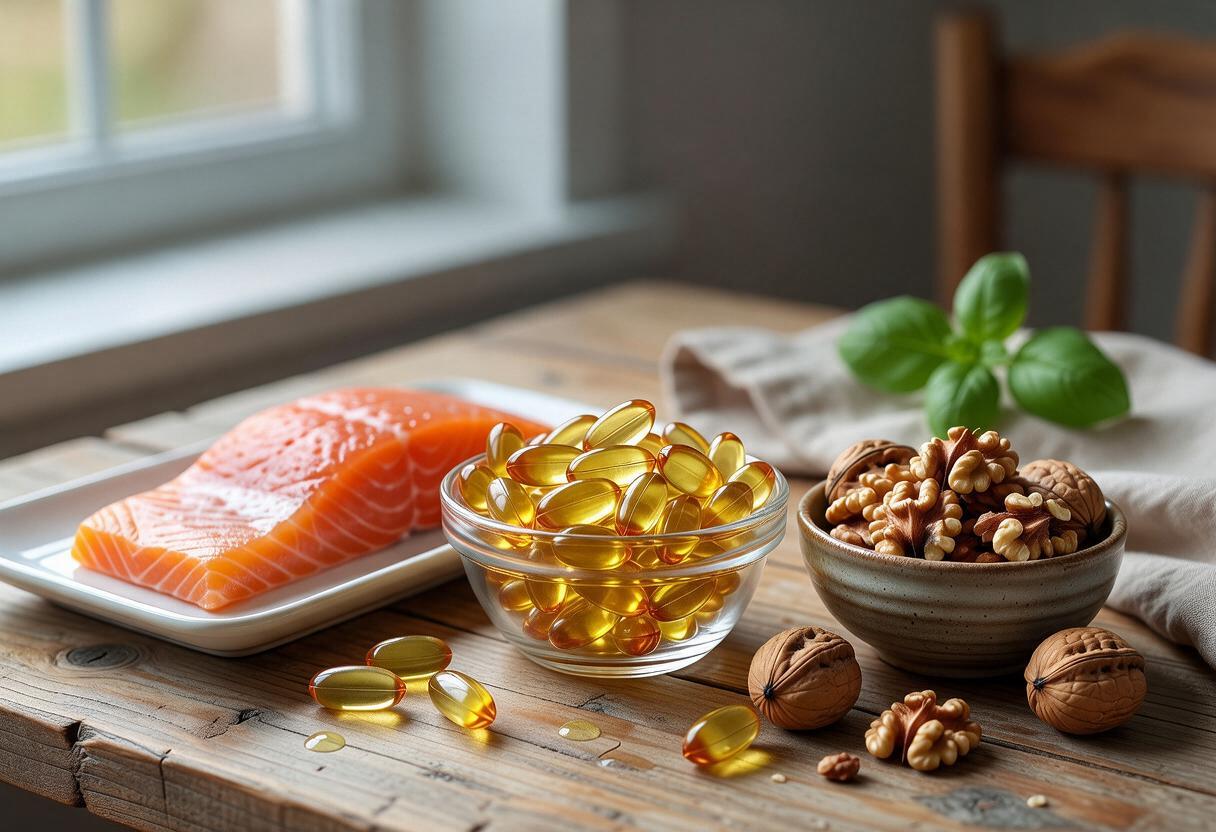
This is where things get a little less clear-cut. Some studies show fish oil can lower cortisol and build up your resilience to stress, while others find no real effect on chronic stress at all.[4] The studies that do find a benefit tend to use fairly high doses of EPA and DHA over several weeks, not just one capsule here and there. Even so, omega-3s bring plenty of other well-established health benefits, so they’re worth having in your routine regardless of the cortisol question.
4. L-Theanine

Found naturally in green tea, L-theanine has a bit of a reputation for calm, clear-headed focus without the drowsy comedown. The research on it is a little mixed: some studies show it can blunt your body’s cortisol spike during a stressful moment, while others find it makes you feel calmer and sleep better, even without a measurable drop in cortisol.[5],[6] Either way, it’s considered extremely safe, so it’s a low-risk one to try if a little calm focus sounds appealing.
5. Rhodiola Rosea

Rhodiola has a long history of use for exactly this kind of stress-related exhaustion. Research shows a standardized Rhodiola extract can meaningfully ease symptoms in people struggling with stress-related fatigue.[7] Unlike some adaptogens that take weeks to kick in, people tend to notice its effects within just a few days. One tip, though: take it earlier in the day, since it can be mildly stimulating for some people.
6. Phosphatidylserine

This one works a bit differently from the rest. Instead of mopping up cortisol after it’s released, it helps regulate your HPA axis directly, essentially teaching your stress response to calm down at the source. Research shows it can help rein in an overactive stress response in people dealing with ongoing, chronic stress.[2] That makes it a solid option if your stress feels less like a single spike and more like a constant hum in the background. It’s typically taken at doses around 200 to 400 mg a day.
Other Natural Ways to Reduce Cortisol
Supplements aside, some of the most well-established ways to bring cortisol down don’t come in a bottle at all: [8] [9]
- Meditation
- Yoga
- Exercise
- Walking
- Sleep
- Tai chi
Important Things to Keep in Mind
Don’t self-diagnose “high cortisol” based on how tired or wired you feel and start stacking supplements on a hunch. Genuinely elevated cortisol needs a proper diagnosis through a blood, saliva, or urine test, not a vibe check. These supplements can also interact with medications, including blood thinners, antidepressants, diabetes medication, and blood pressure drugs. And if you’re pregnant, breastfeeding, or managing an existing health condition, always check with a doctor before adding any of these to your routine.
Wrapping Up
Most of the supplements to lower cortisol on this list genuinely have research behind them, but they work best as a support system, not a substitute for good sleep, regular movement, and actually managing your stress. If you’ve been feeling constantly wired, exhausted, or stuck in that stress loop for weeks on end, it’s worth getting your cortisol levels properly checked before you start supplementing your way through it.
FAQs
Q1: What is cortisol, in simple terms?
It’s your body’s main stress hormone, released by your adrenal glands to help you handle stress, wake up in the morning, and regulate blood sugar.
Q2: What are the signs of high cortisol?
Common signs include trouble sleeping, weight gain around your belly, fatigue, anxiety, and getting sick more often than usual.
Q3: Can low cortisol be a problem too?
Yes, it can. Low cortisol can cause fatigue, dizziness, low blood pressure, and salt cravings, and it needs medical attention just like high cortisol does.
Q4: How long do cortisol-lowering supplements take to work?
Most studies show noticeable effects after 4 to 8 weeks of consistent use, though some, like Rhodiola, may work faster.
Q5: Can I lower cortisol without supplements?
Yes, good sleep, regular exercise, and stress management techniques like deep breathing are often just as effective, if not more so.
Q6: Is it safe to take multiple cortisol-lowering supplements together?
Not necessarily. Combining several without medical guidance increases the risk of side effects and interactions, so check with a doctor first.
References:
1. Effects of Ashwagandha Supplements on Cortisol, Stress, and Anxiety Levels in Adults: A Systematic Review and Meta-Analysis. Available from: https://www.ncbi.nlm.nih.gov/pmc/articles/PMC12242034/
2. Hellhammer J, Vogt D, Franz N, Freitas U, Rutenberg D. A soy-based phosphatidylserine/phosphatidic acid complex (PAS) normalizes the stress reactivity of hypothalamus-pituitary-adrenal-axis in chronically stressed male subjects: a randomized, placebo-controlled study. Lipids Health Dis. 2014;13:121. Available from: https://pmc.ncbi.nlm.nih.gov/articles/PMC4237891/
3. Pouteau E, Kabir-Ahmadi M, Noah L, et al. Superiority of magnesium and vitamin B6 over magnesium alone on severe stress in healthy adults with low magnesemia: A randomized, single-blind clinical trial. PLoS One. 2018;13(12):e0208454. Available from: https://www.ncbi.nlm.nih.gov/pmc/articles/PMC6298677/
4. Chronic Psychological Stress Was Not Ameliorated by Omega-3 Eicosapentaenoic Acid (EPA). Available from: https://pmc.ncbi.nlm.nih.gov/articles/PMC5671493/
5. White DJ, de Klerk S, Woods W, Gondalia S, Noonan C, Scholey AB. Anti-Stress, Behavioural and Magnetoencephalography Effects of an l-Theanine-Based Nutrient Drink: A Randomised, Double-Blind, Placebo-Controlled, Crossover Trial. Nutrients. 2016;8(1):53. Available from: https://pmc.ncbi.nlm.nih.gov/articles/PMC4728665/
6. Hidese S, Ogawa S, Ota M, Ishida I, Yasukawa Z, Ozeki M, Kunugi H. Effects of L-Theanine Administration on Stress-Related Symptoms and Cognitive Functions in Healthy Adults: A Randomized Controlled Trial. Nutrients. 2019 Oct. Available from:https://pmc.ncbi.nlm.nih.gov/articles/PMC6836118/
7. Olsson EM, von Schéele B, Panossian AG. A randomised, double-blind, placebo-controlled, parallel-group study of the standardised extract shr-5 of the roots of Rhodiola rosea in the treatment of subjects with stress-related fatigue. Planta Med. 2009;75(2):105-12. Available from: https://pubmed.ncbi.nlm.nih.gov/19016404/
8. Mindfulness-Based Interventions and the Hypothalamic–Pituitary–Adrenal Axis: A Systematic Review. Available from: https://pmc.ncbi.nlm.nih.gov/articles/PMC11587421/
9. The Optimal Exercise Modality and Dose for Cortisol Reduction in Psychological Distress: A Systematic Review and Network Meta-Analysis. Available from: https://pmc.ncbi.nlm.nih.gov/articles/PMC12736704/
Disclaimer: This article is for general information only and isn’t a substitute for professional medical advice. Supplement effects can vary from person to person, and none of these are meant to diagnose, treat, or cure any condition. Please consult a doctor before starting any new supplement, especially if you’re on medication or managing a health condition.
(The article is written by Nancy Dixit, Associate Manager, Clinical Health & Content, Medical Affairs, and reviewed by Monalisa Deka, Deputy Manager, Clinical Health & Content, Medical Affairs.)