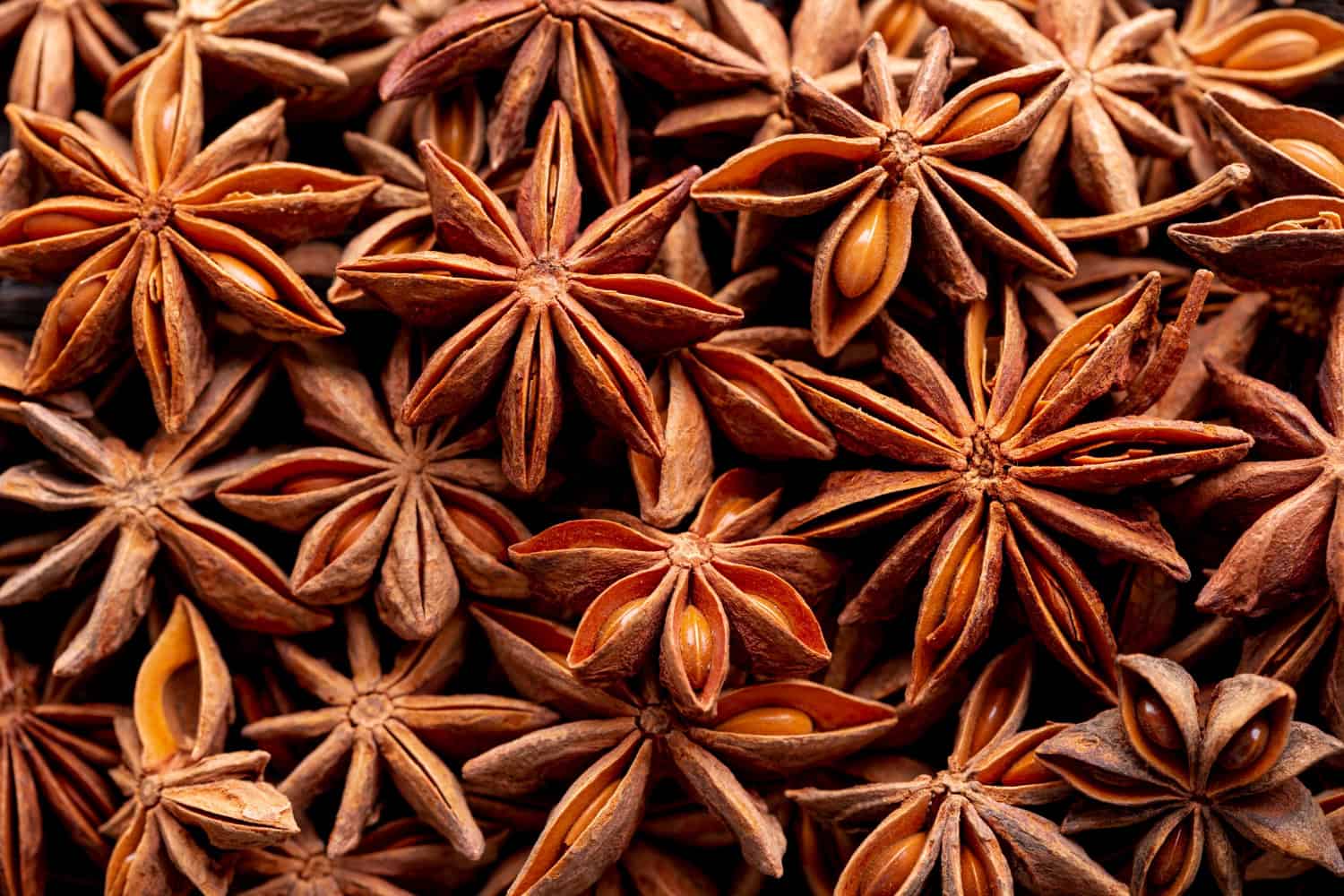
Star anise is a sweet and spicy-tasting spice in the shape of a star and is commonly used in cooking, traditional remedies, and herbal teas. It has its own flavor, and it is often added to soups and other dishes. In addition to its use in food, star anise contains plant compounds that have been studied for their antioxidative and antimicrobial properties.
However, not all star anise is good for human nutrition. Japanese star anise is an alternative that looks almost the same, but it contains toxic properties. It is essential to know about all the possible positive effects and risks before using star anise in your diet.
What is Star anise?
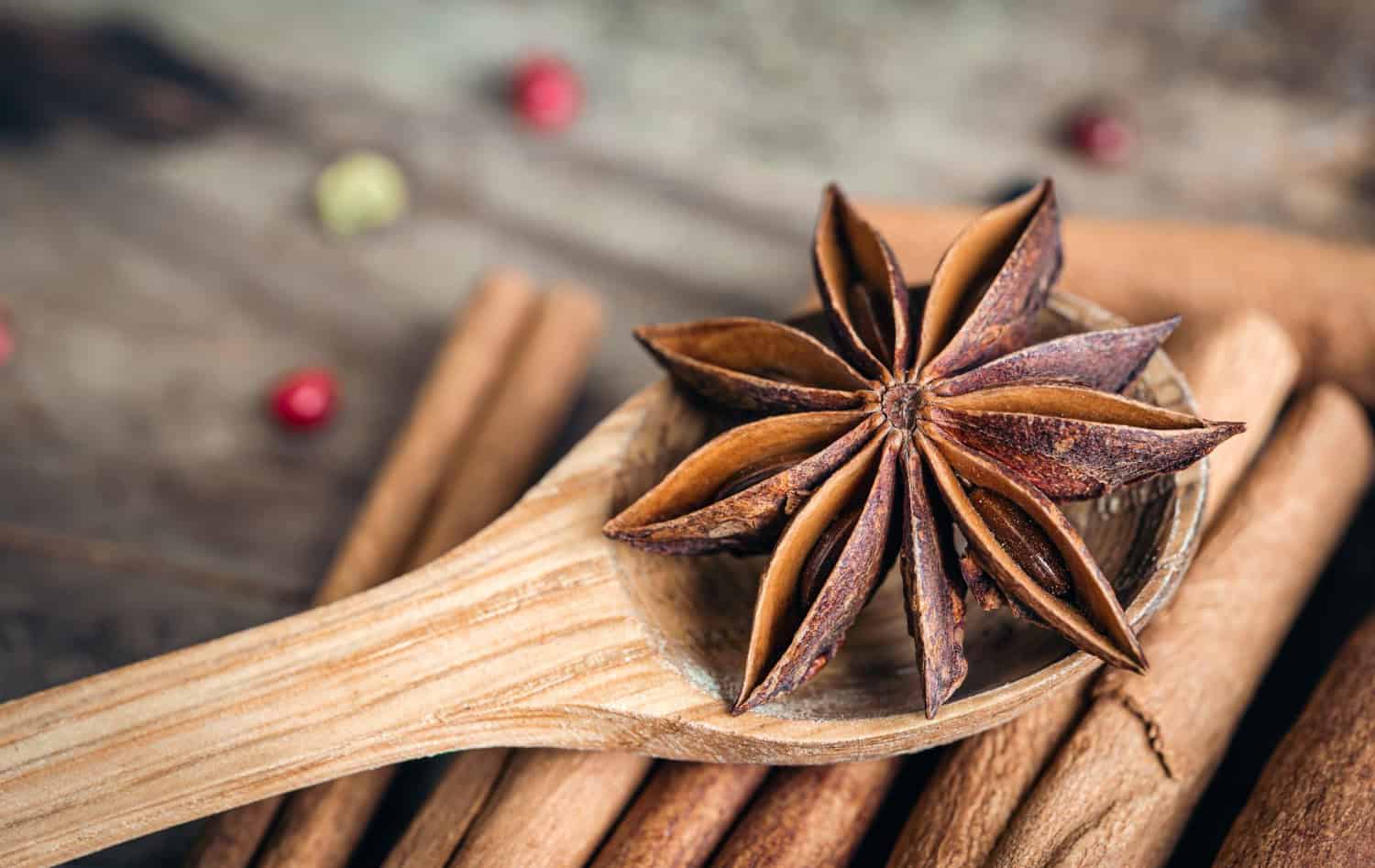
Star anise (Illicium verum) is a spice obtained from the dried fruits of a tree growing in southern China and Vietnam. It has eight-pointed, star-shaped pods made from seeds.
Star anise is a source of bioactive compounds such as anethole, flavonoids, phenolic compounds, and shikimic acid. Its biological activity has been studied, but mainly through experiments.
Possible Health Advantages of Star Anise
1. May Possess Antioxidant Properties
Star anise is a good source of bioactive compounds such as phenolics and flavonoids with antioxidant activity. Antioxidants help to deactivate damaging compounds known as free radicals that are known to cause oxidative stress.
Research has been conducted to explore the efficacy of star anise extracts in terms of antioxidant potential. However, what remains unclear is whether the consumption of star anise has any positive effects on oxidative stress and human health in general [1,2].
2. May Have Antibacterial Effects
Star anise contains organic compounds, including anethole, that have shown antibacterial properties in test tube studies. It has also been tested against various microorganisms such as viruses, fungi, and bacteria.
The above-mentioned results might be important for food preservation and medicine; however, it needs to be mentioned that star anise or its extract might not substitute for drugs like antibiotics, antifungal drugs, etc [1,3].
3. May Improve Digestion
Traditionally, people have been using star anise to treat problems like gas and bloating. The aromatic compounds of star anise have been studied for their possible ability to relieve spasms and consequently ease the pain, in accordance with studies conducted in laboratory conditions.
Although these traditional uses are well documented, there is limited clinical evidence to establish that consuming star anise reliably relieves digestive symptoms in humans [1,2].
4. Includes compounds that have been researched for their anti-inflammatory effects
Scientists have looked at the compounds in star anise for their ability to affect inflammatory pathways, and these compounds have shown some promise for anti-inflammatory effects. Nevertheless, this does not prove that consuming star anise or tea made with the spice would have an effect on inflammatory diseases of the joints [1,2].
5. Includes shikimic acid used in medicine making
Star anise is a natural source of shikimic acid, the substance that acts as a starting substance in the process of oseltamivir manufacturing. What is more, eating star anise or at least drinking tea with it does not imply that the same results can be expected from it compared to oseltamivir. Consequently, while shikimic acid is contained in star anise spice, this fact does not allow us to assume that consumption of this spice can treat influenza [2,3].
How to Include Star Anise In Meals?
 Star anise is utilized in cooking as a spice for different cuisines. Some suggestions of using star anise include:
– Tea and herbal concoctions: Place a star anise pod in the cup while infusing tea to enjoy an aromatic experience.
– Soups and broths: Insert a star anise pod in vegetable stock, chicken stock, or other stocks.
– Spice mixtures and curries: Add this ingredient to biryanis, garam masalas, gravies, and slow-cooking techniques.
– Desserts: Use a small amount of star anise for making custards, baked items, sugar syrups, or milk desserts.
– Rice cooking: The star anise pod should be inserted in the pot during rice preparation.
Star anise must be consumed in a limited amount, as its taste is quite strong.
Preparation of Star Anise Tea
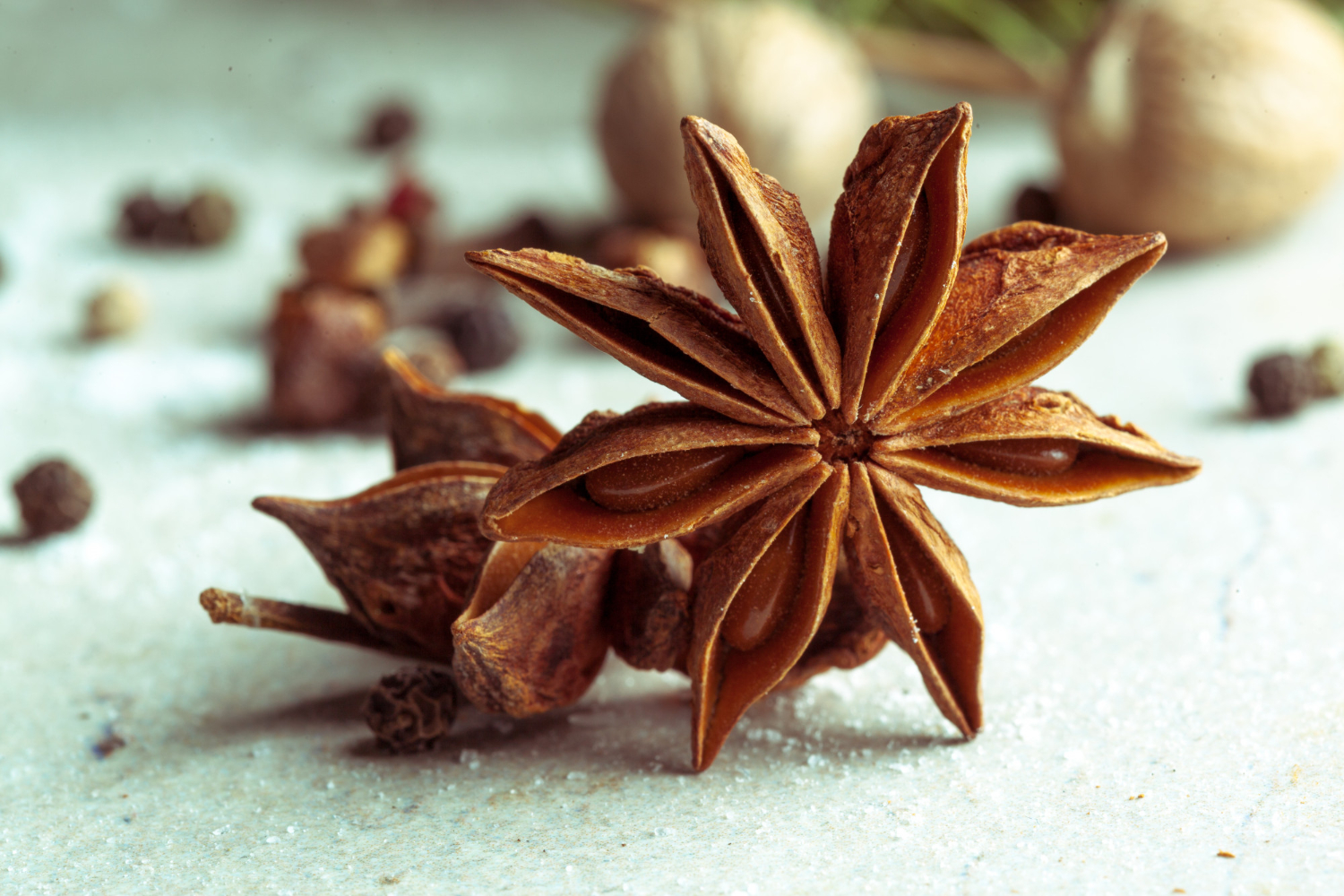
Preparing star anise tea is very easy with whole star anise of food-grade quality.
Materials required:
– One whole Chinese star anise manufactured for consumption
– One cup of water
– Optional: Ginger or lemon (a little amount)
Steps:
- Boil one cup of water.
- Place the star anise pod in the boiling water.
- Cook the mixture for five to ten minutes.
- Let it steep.
- Strain and serve.
Star anise can be used to flavour a beverage when prepared with authentic, commercially packaged culinary star anise. This preparation is for culinary purposes only and should not be considered a treatment for digestive problems, cough, or other health conditions. No established therapeutic dose or safe daily intake has been determined.
Toxicity of star anise: A strong warning to health
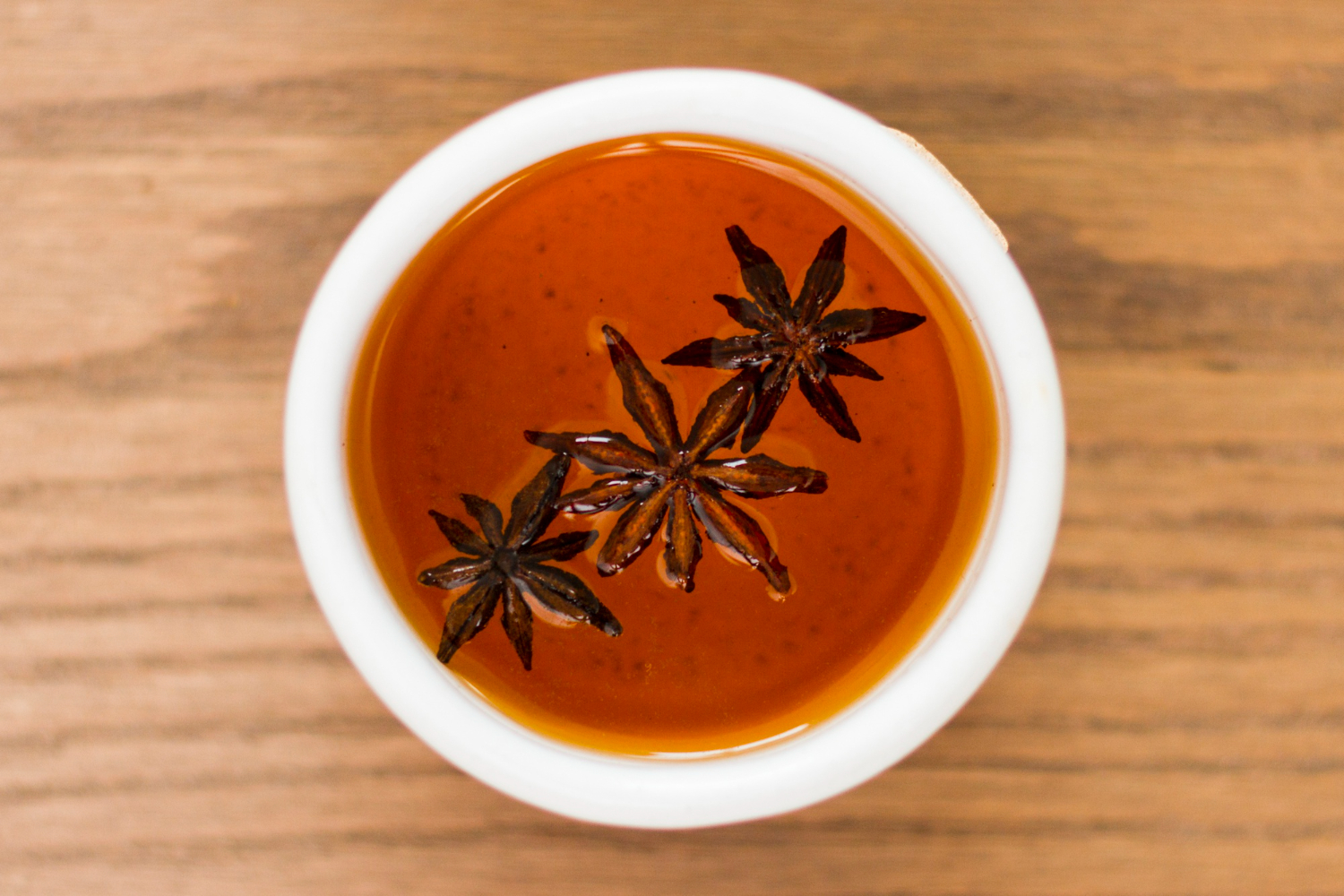
Chinese star anise ( Illicium verum ) is the popularly used culinary spice of food, while Japanese star anise ( Illicium anisatum ) is the interpreted toxic and therefore unconsumed, in close relation to the former.
Japanese star anise contains neurotoxic compounds: Anisatin may affect the nervous system. Neurological and gastrointestinal symptoms following ingestion have been reported after culinary star anise had been accidentally contaminated from species containing toxic compounds [4,5].
Symptoms of star anise poisoning
Exposure to toxic star anise may produce the following symptoms: nausea; vomiting; abdominal pain; irritability or unusual behavior; tremors, seizures; and abnormal eye movements; severe cases may involve serious neurological complications. Reported cases of poisoning involved infants, who developed neurological symptoms after consuming star anise tea [4,5].
Who must avoid star anise tea?
– Babies: Star anise tea is not suitable for babies, particularly for colic or any stomach issue. Neurological adverse effects in babies associated with the use of the tea have been reported in the literature.
– Pregnant or breastfeeding women: Pregnant and breastfeeding women should avoid medicinal quantities, concentrated extracts, and star anise essential oil taken orally unless advised by a qualified healthcare professional. Evidence on the safety of these preparations is limited.
– People with allergies: Those who have known spice allergies should not consume star anise and should seek advice from a healthcare provider.
– People taking herbal products: Do not use concentrated star anise, essential oils, or any unidentified star anise formulations for oral use without professional help from a qualified physician.
Note: If you experience mild nausea after consuming star anise, stop using it and monitor your symptoms. However, if poisoning is suspected or symptoms such as repeated vomiting, unusual movements, muscle jerking, or seizures occur, seek immediate medical attention. A seizure requires emergency medical care.
Final Thought
Star anise is rich in taste and contains active substances that have antioxidant, antimicrobial, and anti-inflammatory properties. It is an ingredient of many meals such as teas, soups, curry, and more. However, there is a lack of evidence that could confirm the positive effects of this ingredient on human health. Nonetheless, to stay safe, use the genuine Chinese star anise, Illicium verum, and avoid the toxic Japanese star anise, which is also called Illicium anisatum. Moderate use is recommended, and it is not safe to give star anise tea to young children. Make sure to consult a doctor before using it in concentrated forms.
FAQs
Q. Is star anise good for digestion?
There are traditional uses of star anise for digestive problems; however, the effectiveness of this herb in treating digestive problems is not backed by scientific evidence.
Q. Can I consume star anise tea every day?
There is not enough evidence to determine the safety of consuming star anise tea daily
Q. Can star anise help relieve cough?
In theory, it is used in some traditional healing methods, yet there is not much strong scientific proof that it can be an effective treatment for cough.
Q. Is star anise effective against illnesses?
Laboratory studies indicate that it has antimicrobial characteristics, but it is not a professional treatment.
Q. Should babies be given star anise?
No, since it may be harmful for infants due to risks of toxicity and contamination.
Q. Is shikimic acid found in star anise?
Yes, star anise is a natural source of shikimic acid, which is required in the production of the chemical Oseltamivir.
Q. Is the Japanese star anise edible?
No, Japanese star anise (Illicium anisatum) contains toxic elements and is not safe for human consumption.
Q. Does star anise aid in reducing obesity?
There are insufficient studies to show that star anise aids with weight loss.
(The article is written by Deepa Sarkar, Senior Medical Writer, and reviewed by Monalisa Deka, Deputy Manager, Clinical Health & Content, Medical Affairs)
Recommended Reads:
Healthy Recipes: Papaya Orange Drink, The Healthy Cold Drink
The Crimson Marvel: 6 Health Benefits Of Beetroot
References
1. Wang GW, Hu WT, Huang BK, Qin LP. Illicium verum: a review on its botany, traditional use, chemistry and pharmacology. J Ethnopharmacol. 2011;136(1):10-20. doi:10.1016/j.jep.2011.04.051. Available from:https://pubmed.ncbi.nlm.nih.gov/21549817/
2. Zou Q, Huang Y, Zhang W, Lu C, Yuan J. A comprehensive review of the pharmacology, chemistry, traditional uses and quality control of star anise (Illicium verum Hook. F.): an aromatic medicinal plant. Molecules. 2023;28(21):7378. doi:10.3390/molecules28217378. Available from:https://pubmed.ncbi.nlm.nih.gov/37959797/
3. Patra JK, Das G, Bose S, Banerjee S, Vishnuprasad CN, Rodriguez-Torres MP, et al. Star anise (Illicium verum): chemical compounds, antiviral properties, and clinical relevance. Phytother Res. 2020;34(6):1248-1267. doi:10.1002/ptr.6614. Available from:https://pubmed.ncbi.nlm.nih.gov/31997473/
4. Ize-Ludlow D, Ragone S, Bruck IS, Bernstein JN, Duchowny M, Garcia Peña BM. Neurotoxicities in infants seen with the consumption of star anise tea. Pediatrics. 2004;114(5):e653-e656. doi:10.1542/peds.2004-0058.https://pubmed.ncbi.nlm.nih.gov/15492355/
5. Perret C, et al. [Apparent life-threatening event in infants: think about star anise intoxication!]. Arch Pediatr. 2011. doi:10.1016/j.arcped.2011.03.024. Available from: https://pubmed.ncbi.nlm.nih.gov/21652187/
Disclaimer: Star anise is a culinary spice, not a proven treatment for any disease. The potential benefits discussed above are largely based on traditional use and preclinical research. Consult a healthcare professional before using concentrated herbal preparations.