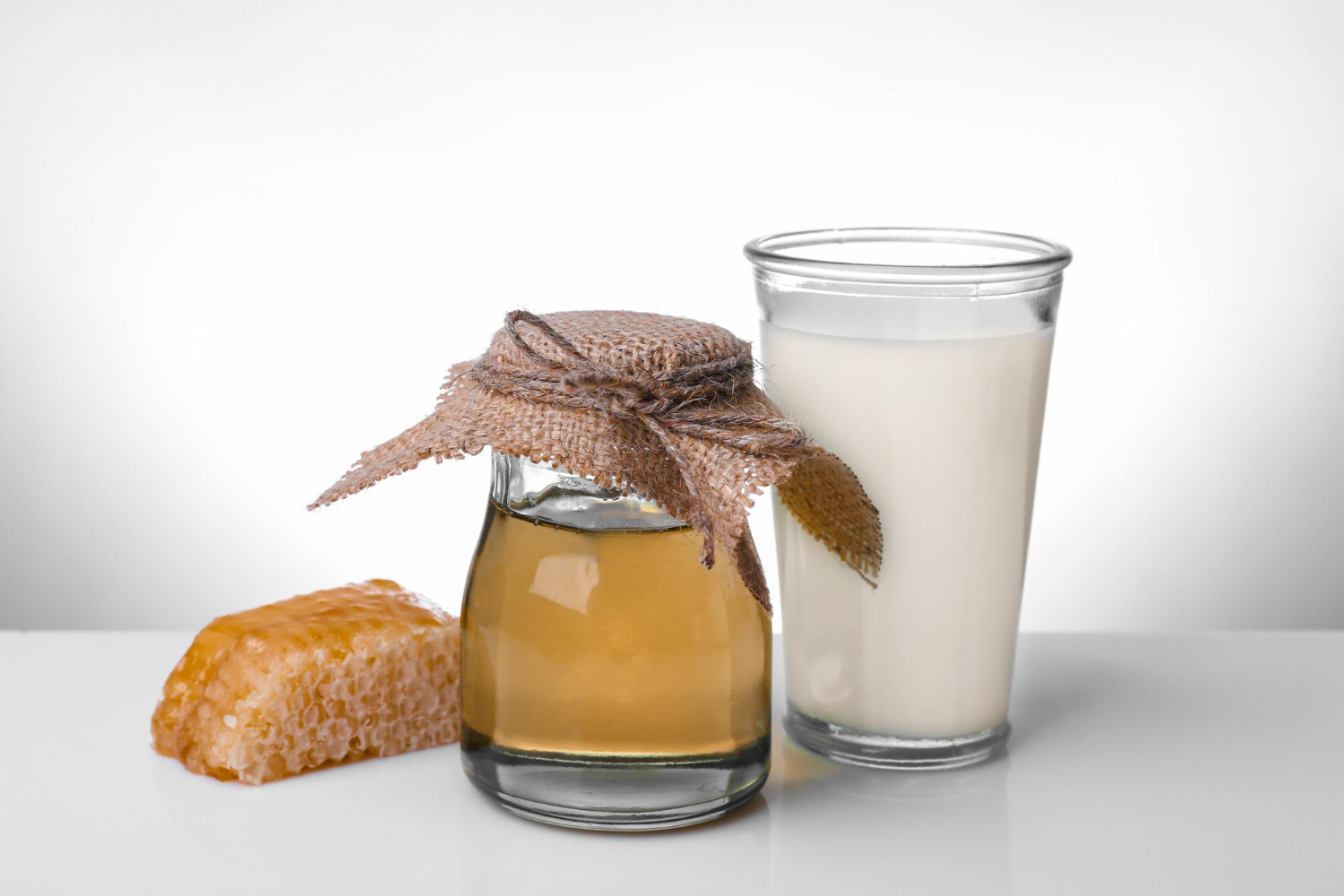
Kombucha vs buttermilk is becoming a common debate during summer, especially among people looking for natural ways to support digestion and gut health.Summer heat can slow digestion, trigger acidity, increase bloating and leave your stomach with a heavy bloated feeling.
If you’ve been looking for a natural fix, two drinks keep coming up – kombucha and buttermilk (chaas). Both are fermented. Both are rich in probiotics. Both claim to be good for your gut. But which one actually works better when summer is the real problem?
In the kombucha vs buttermilk debate, the right choice often depends on your digestion, hydration needs, and tolerance to dairy or acidic drinks.
Let’s simplify this.
Kombucha vs. Buttermilk: What You Should Know
When discussing kombucha vs buttermilk, kombucha is often preferred by people looking for a dairy-free probiotic drink. This means they both go through a process where live bacteria (and in kombucha’s case, yeast too) break down sugars to create a drink that is richer in beneficial microorganisms than its raw ingredients.
Fermented foods and drinks are generally considered beneficial for gut health because they introduce live bacteria, called probiotics, into the digestive system. These probiotics help maintain a healthy balance of good bacteria in the gut, supporting digestion, immunity, and overall well being.
Kombucha: The Fizzy Gut Health Drink

Kombucha is a fermented tea drink which is made by adding a specific culture of bacteria and yeast, known as a SCOBY (Symbiotic Culture of Bacteria and Yeast) to sweetened black or green tea. This mixture is then allowed to ferment for several days or weeks. The fermentation process creates a bubbly tangy drink rich in organic acids, B vitamins, antioxidants and live microorganisms.
Kombucha vs Buttermilk: Kombucha Benefits for Gut Health
1. May Support Beneficial Gut Bacteria
Kombucha contains live bacteria and yeast that may that may support beneficial gut bacteria. Additionally, it may help improve digestion and reduce inflammation.
2. Regular Consumption Improves Gut Motility
Regular consumption may promote bowel regularity. As a result, it may help people who experience sluggish digestion or constipation or that feeling of not fully emptying your gut.
3. Antimicrobial Properties
The organic acids in kombucha – especially acetic acid, may help control harmful bacteria in the gut. At the same time, they may support a healthier digestive environment.
4. Antioxidant Support
Tea polyphenols also provide antioxidants and prebiotic support by feeding the good bacteria already present in your gut.
One important thing to know: kombucha’s exact benefits can vary quite a bit depending on the brand and how it’s made. Not all commercially available kombucha contains enough live cultures to make a real difference. Always look for the words “raw,” “unpasteurised,” or “live cultures” on the label – pasteurised kombucha has far fewer gut benefits.
Things to Keep in Mind:
- If you have acid reflux, GERD, or a sensitive stomach, note that kombucha is an acidic drink – it may aggravate these conditions rather than help them.
- People who are taking immunosuppressant medication should also consult with your doctor before consuming kombucha drinks.
Explore digestive care solutions and expert-backed gut health support with Tata 1mg.
Kombucha vs. Buttermilk: Why Buttermilk (Chaas) Works in Summer?
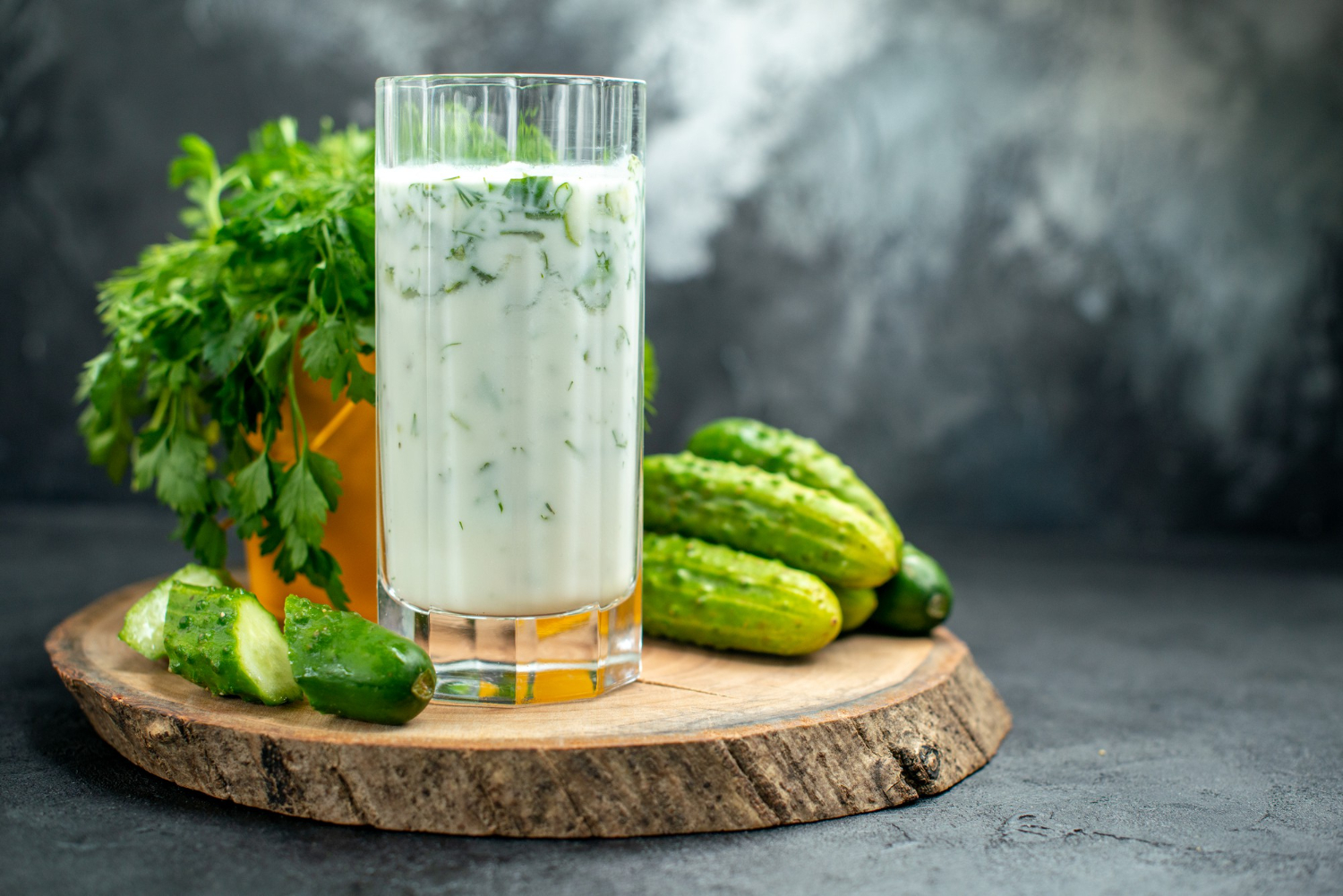
Buttermilk – or chaas – is one of India’s oldest and most trusted summer drinks. Made by diluting fresh curd with water and spiced with roasted cumin, mint, and rock salt, it’s been used for centuries as a natural digestive aid.
Kombucha vs Buttermilk: How Chaas Supports Digestion?
1. Supports Healthy Digestion
It is a natural probiotic powerhouse. Fresh homemade chaas made from curd contains live lactic acid bacteria – including Lactobacillus strains – that support a healthy gut environment, aid digestion, and help maintain balanced gut flora.
2. Helps Relieve Summer Acidity
Chaas works as a natural antacid. It helps neutralise excess stomach acid and soothes the stomach lining. Because of this, it is often considered a natural remedy for summer acidity and heartburn.
3. Helps Prevent Dehydration
Chaas contains electrolytes such as potassium and sodium, which replace the electrolytes lost through sweating. This directly counteracts dehydration-linked digestive slowdown – the most common reason stomachs feel off in summer.
4. Other Health Benefits of Buttermilk (Chaas)
- Cooling effect: It’s soothing and cooling effect on the stomach and intestinal lining. Therefore, it may help reduce discomfort after spicy or heavy meals.
- Eases bloating and helps with constipation: The lactic acid in chaas helps break down food more efficiently, supports regular bowel movements, and has been shown to help people with digestive discomfort related to IBS (Irritable Bowel Syndrome).
- Nutritional bonus: It also contains calcium, vitamin B12 and riboflavin, nutrients that directly support the health of the gut lining and nutrient absorption.
The best part is: Fresh homemade chaas is generally considered safe for children, elderly individuals and pregnant women (subject to individual health conditions). There is no caffeine, no alcohol, and no added sugar so it really can be enjoyed by just about anyone.
How to Make Them at Home?
Another important difference in kombucha vs buttermilk is how they are prepared and consumed daily. Here is the recipe for both:
Recipe of Homemade Chaas (takes 2 minutes)
- 2–3 tablespoons of fresh curd + 1 glass of cold water
- Blend or whisk well until smooth
- Add a pinch of rock salt, half a teaspoon of roasted cumin (jeera) powder, and a few fresh mint leaves
- Drink chilled, after meals – especially lunch
Recipe of Homemade Kombucha (takes 7–14 days)
- Brew 1 litre of black or green tea, add 70g of sugar and let it cool completely
- Add your SCOBY and 100ml of starter liquid (from a previous batch or store-bought raw kombucha)
- Cover with a breathable cloth and ferment at room temperature for 7–14 days
- Taste as you go – the longer it ferments, the more tart and less sweet it becomes
- Bottle and refrigerate when it reaches your preferred flavor
- Start with 100–150ml per day to let your gut adjust
Kombucha vs Buttermilk: Which One Should You Choose?
In the kombucha vs buttermilk debate, no single study has directly compared both drinks for summer digestion. Both support gut health. Both are fermented. Both have real merits – and the right choice depends on who you are and what your gut actually needs.
Choose buttermilk (chaas) if:
- Looking for immediate relief from summer acidity, bloating, or heaviness after meals
- Need hydration and electrolyte replenishment in the heat
- Need a gut friendly drink generally safe for most family members including children, elderly, and pregnant women
- Want an affordable, easy, zero-fuss daily gut drink
Choose kombucha if:
- Don’t consume dairy and need a non-dairy probiotic alternative
- Want more diversity in your gut microbiome through a mix of bacteria and yeast
- Enjoy it as a healthier fizzy alternative to sodas and packaged juices
- Already sorted on hydration and looking for antioxidant gut support on top
Can Kombucha and Buttermilk Be Taken Together?
Yes – in fact, combining both drinks a smart approach and it may offer complementary digestive benefits. They work on different things:
Kombucha in the morning – on a light stomach, so the live cultures can reach the gut easily and you get the antioxidant benefit of the tea
Chaas after lunch – to cool the stomach, ease digestion, replace midday electrolytes, and settle acidity through the hottest part of the day
They complement each other well. You don’t have to pick just one.
Kombucha vs. Buttermilk for Summer Gut Health
| Both kombucha and buttermilk are good for gut health but they work differently. Kombucha may help you get more antioxidants and microbial diversity while buttermilk helps with hydration, cooling, acidity and digestion after meals. In hot weather, chaas can be more effective in providing relief from heat-related digestive issues. |
FAQs
Q1. In the kombucha vs buttermilk comparison, which is better for bloating after meals?
A: For quick, after-meal bloating relief in summer, buttermilk is the more reliable option. It works fast – the lactic acid bacteria and natural antacid effect calm the stomach almost immediately. Kombucha can help with long-term gut balance, but it can occasionally cause temporary bloating in people who are new to it. If your stomach feels heavy after lunch on a hot day, a glass of fresh chaas will serve you better than a bottle of kombucha.
Q2. Can I drink chaas (buttermilk) every day in summer?
A: Yes – one to two glasses of fresh homemade chaas per day is a safe, healthy habit for most adults during summer. The best time is after your afternoon meal. People with very severe lactose intolerance should check with a doctor first, though traditional chaas made from curd is much easier to digest than regular milk because fermentation significantly reduces its lactose content.
Q3. Can you drink kombucha while pregnant? Is kombucha safe for kids?
A: No, kombucha isn’t recommended for pregnant women or young children. It contains trace amounts of alcohol resulting from the fermentation process and caffeine from the tea base and the amount of live microorganisms is unpredictable. Buttermilk (chaas) made from pasteurised curd is generally safe for both groups but it’s always best to check with your doctor for individual circumstances.
Q4. Can I replace a probiotic supplement with kombucha or chaas?
A: No, they’re not the same thing. Probiotic supplements contain specific strains of bacteria at measured dosages. Neither kombucha nor chaas can ensure that degree of consistency. But in every daily diet, both drinks, over the long term, help to improve the health of the gut – which in many cases is more sustainable than long-term supplements for healthy people. If your doctor has prescribed a probiotic, then by all means go with that and think of these drinks as an adjunct, not a replacement.
Q5. Which is better for someone who is lactose intolerant?
A: If you’re lactose intolerant, kombucha is the obvious choice – it’s completely dairy-free. Traditional buttermilk does have significantly reduced lactose levels due to fermentation, and many people with mild lactose intolerance can tolerate it fine. But if dairy causes you discomfort, don’t push it. Kombucha gives you fermented gut support without any dairy, making it the better fit for your gut specifically.
References:
1. Massoud R, Jafari R, Khosravi-Darani K. Kombucha as a Health-Beneficial Drink for Human Health. Plant Foods Hum Nutr. 2024 Jun;79(2):251-259. Available from: https://pubmed.ncbi.nlm.nih.gov/38602651/
2. Onsun B, Toprak K, Sanlier N. Kombucha Tea: A Functional Beverage and All its Aspects. Curr Nutr Rep. 2025 May 24;14(1):69. Available from:https://pmc.ncbi.nlm.nih.gov/articles/PMC12103323/
3. Singh S, Tiwari M, Mishra S, The Ayurvedic Significance of Buttermilk – A Nutritional and Therapeutic Perspective. J Ayu Int Med Sci. 2026;11(3):296-301.Available From: https://jaims.in/jaims/article/download/5683/10282?inline=1
(The article is written by Nancy Dixit, Associate Manager, Clinical Health & Content, and reviewed by Monalisa Deka, Deputy Manager, Clinical Health & Content, Medical Affairs)
Recommended Reads:
From Chaach to Kombucha: 6 Fermented Drinks That Improve Your Gut Health Naturally
Struggling with Acidity? Try These 6 Expert-Backed, Fast-Acting Home Remedies