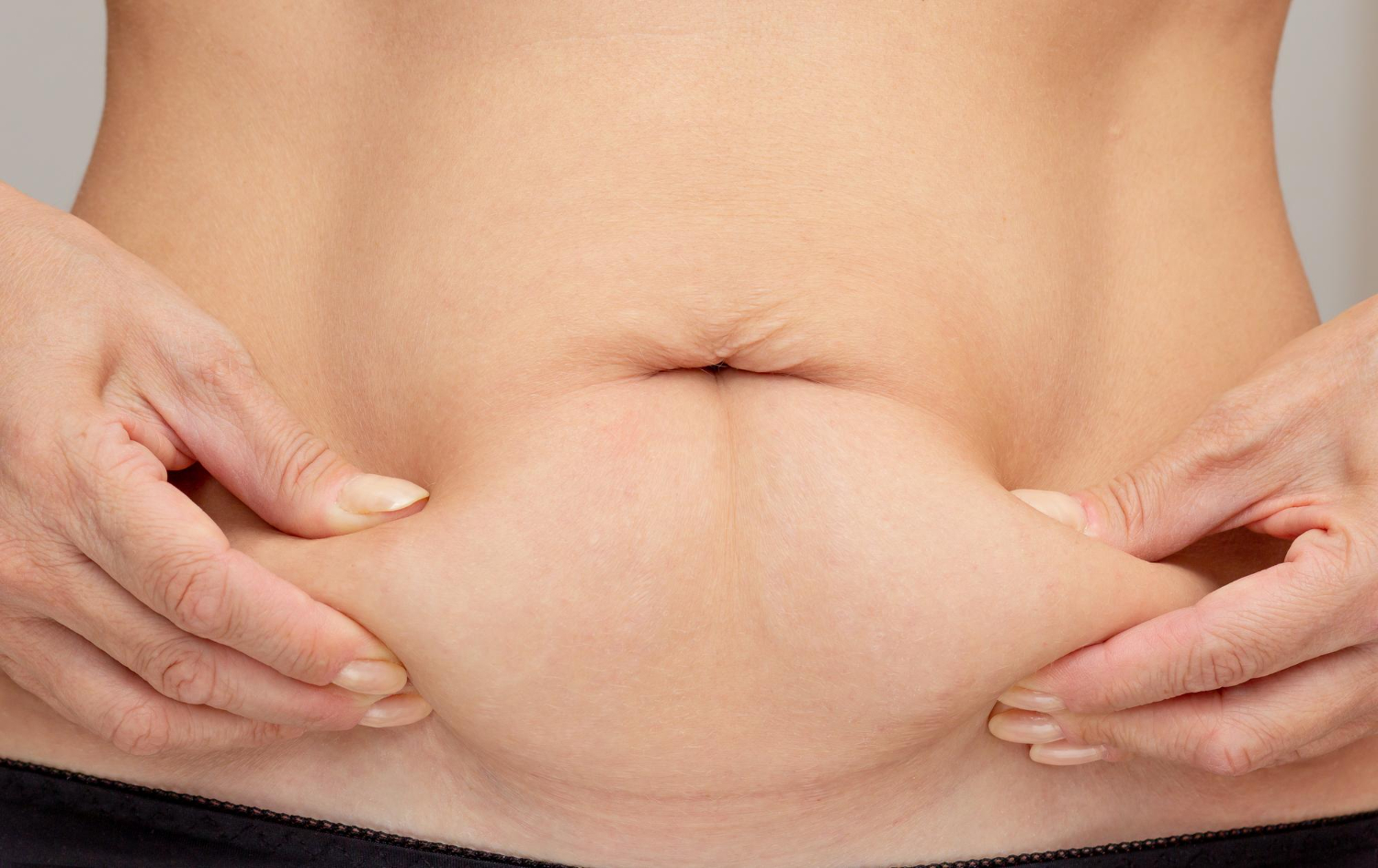
When a woman becomes pregnant, she will notice many physical, mental, and hormonal changes during the pregnancy, as well as after having the baby. Some women will experience the post-pregnancy “pooch” for several weeks or months after giving birth.
Social media often depicts women as quickly “snapping back” to their pre-pregnancy bodies; however, postpartum recovery takes place over a longer period than is typically shown on social media, because the growth of the baby stretches a woman’s abdominals/core muscles.
The good news is that after giving birth, you can gradually restore your core strength by doing gentle movements and postpartum-safe exercises, just like you did while pregnant. Gradually restoring your core strength will also enable you to correct your posture, increase your range of motion, and improve your overall recovery experience.
Before returning to high-intensity workouts, you should always consult with your doctor regarding when you can start postpartum exercises, particularly if you had a C-section.
The following list includes seven exercises to help you gradually recover after having a baby, and to help naturally eliminate your belly pooch:
1. Deep Belly Breathing
Although deep belly breathing seems easy to perform, in fact, this exercise is important because it will allow a woman to reconnect to her core muscles after having a baby.
Deep Belly Breathing will effectively activate your deep abdominal muscles without placing strain on your body because the motion will allow activation without placing strain on your body.
How to do it:
- Sit or lie in any comfortably supportive position.
- With your nose, take a deep breath and allow your belly to expand.
- After inflating your belly, breathe out and slightly pull in your belly button toward your spine.
2. Pelvic Tilts
Pelvic Tilts are a common postpartum exercise and are frequently recommended to assist postpartum recovery, core activation, and lower back comfort.
How to do it:
- Lie on your back, with your knees bent.
- Gently tighten your abdominal muscles.
- Tilt your pelvis upwards until it is slightly lifted.
- Hold for a short period and then return to the starting position.
The speed of the movement is not as important as doing it slowly and with control.
3. Heel Slides
Heel slides are also a very gentle and easy postpartum exercise that encourages engagement of the postpartum core.
How to do it:
- Lie on your back
- Bend your knees comfortably.
- Slide one heel away from your body.
- Slide the heel back to the starting position.
- Repeat on the opposite side.
This exercise may begin to help increase stability over time.
4. Glute Bridges
Glute bridges are a good way to engage both the lower body and core at the same time.
How to do it:
- Lie on your back with your knees bent;
- Slowly lift your hips upwards.
- Gently squeeze your glutes together, and
- Slowly lower back to your previous position.
This type of movement may also help support your posture after having given birth.
5. Bird Dog
The Bird Dog exercise helps to build balance, stability, and control through movement.
How to do it:
- Start on your hands and knees;
- Extend your opposite arm and leg slowly together;
- Keep your core engaged, and
- Gently return to the starting position and repeat on the opposite side.
Do not hurry through this type of movement.
6. Walking
Walking is one of the most underutilized postpartum exercises.
Walking may help:
- Increase circulation
- Enhance mobility
- Improve overall emotional well-being; and
- Build your overall fitness level.
7. Modified Dead Bug
This exercise can help improve your core stability.
How to do it:
- Lie on your back.
- Bring your legs into tabletop position if it is comfortable for you.
- Slowly lower one heel at a time while keeping your core stable.
- Alternate between lowering the left and right heels.
Focus on controlling your movement instead of pushing yourself.
How Long Does It Take For Postpartum Recovery?
Many women feel that they are under pressure to lose the weight gained during pregnancy quickly, but postpartum recovery is much more than just losing weight.
During pregnancy:
- Your abdominal muscles stretch.
- You have hormone changes.
- Your posture changes
- Your core becomes less stable.
Due to these changes in your body, you will generally need time to rebuild it slowly, rather than jumping right back into a workout routine. The timeline for healing may vary from person to person.
Exercises To Avoid Too Early Postpartum
Performing certain exercises before you have adequately healed from pregnancy and childbirth may create excess pressure in your healing abdominal muscles.
Examples include:
- Many traditional crunches, including all “abs” classes
- Lifting heavy weights
- Jumping (particularly if it’s high-impact)
- High-impact abdominal exercise
Women with diastasis recti (the partial or complete separation of the “six-pack” abdominal muscles along the middle of the stomach), pelvic floor issues, or both should seek professional help before attempting to exercise.
Lifestyle Habits That May Support Recovery
Exercise is just one component of postpartum well-being.
Other lifestyle habits that support recovery include:
- Eating a balanced diet
- Staying properly hydrated
- Getting enough rest
- Gentle movement of your body
- Managing your stress level
- Consistent sleep (as much as you can achieve)
Establishing small daily habits tends to be significantly more important than engaging in extreme lifestyle habits.
Key Takeaways
The postpartum belly pooch is a very common thing that will take time to recover from. Instead of solely looking at “quick fixes,” you will benefit from doing gentle exercises that focus on core recovery, proper posture, stability, and movement over time.
No two postpartum journeys will look the same, and the most important elements are consistency, patience, and self-care, often more so than perfection.
FAQs
- Is the postpartum belly pooch a common occurrence?
Yes, most women will have some form of change in their tummy area following delivery, where they have a postpartum belly pooch.
- When will I be able to begin exercising again after delivery?
The length of time before you can start to exercise again after delivery will vary greatly on how you delivered your baby and the advice from your doctor.
- Will walking help with my postpartum recovery?
Typically, walking is recommended as part of postpartum movement.
- What is diastasis recti?
Diastasis recti is a separation of abdominal musculature that can occur during pregnancy.
- Can I do crunches after I have delivered?
Some women may need to modify abdominal exercises in the beginning for their own safety and comfort.
- How long is the postpartum recovery timeline?
Each person recovers at a different rate; therefore, there is no set time frame.
- Are mothers who had a C-section able to exercise after the fact?
Yes, but it is important to discuss with your physician or medical professional prior to beginning any form of exercise for any purpose.
- What is the most important thing about postpartum fitness?
The most important aspects of postpartum fitness are to be consistent, make gradual progress, allow yourself time to recover, and focus on overall health and wellness, instead of rapid weight loss.
Recommended Reads
Why Fermented Rice Is Considered a Refreshing Summer Superfood?
(The article is written by Deepa Sarkar, Senior Medical Writer, and reviewed by Monalisa Deka, Deputy Manager, Clinical Health & Content, Medical Affairs)