
Modern life can sometimes get a little overwhelming. Notifications buzz constantly, calendars stay full, and even when things slow down, the worries do not. That nonstop mental chatter wears you down, leaving you drained, unfocused, and restless. Meanwhile, in this ever-changing world, Japanese culture is among the select few that have learned to find peace in the ongoing hustle and bustle. The Japanese techniques use simple and conscious practices to calm and declutter the mind.
These techniques aren’t about eliminating stress or escaping daily pressures. They’re about learning how to move alongside them with more awareness and ease. These age-old practices are rooted in simplicity, balance, and mindfulness, which encourage slowing down. Over time, they create space for clarity and quiet, even in the middle of a busy day. If you often find yourself in the middle of racing thoughts and a cluttered mind, these simple Japanese techniques can help you calm your mind.
The Japanese Way To A Calm Mind
Japanese mind-detox methods are founded on a respect for natural rhythms, presence, and simplicity. Instead of battling stress, these methods encourage awareness, acceptance, and gradually letting it go. Calm is not something to strive for; it emerges when the mind is no longer overstimulated. As opposed to fast-paced relaxation hacks, Japanese relaxation techniques focus on slowing down internal dialogue, reducing unnecessary noise, and reconnecting with the present moment. Even with hectic schedules, these habits are long-lasting since they are simple to implement into daily life.
Japanese Techniques To Calm Your Mind
Zazen
Zazen refers to sitting meditation. This practice, which has its roots in Buddha’s teachings, is said to provide insight into your true character. This technique calls for seated meditation, which entails sitting in a position that is both comfortable and sharp. Focus entirely on your breathing while gradually and gently removing distractions, pessimistic thoughts, and intense emotions from your thoughts. The purpose of Zazen is to let go of all judgments and desires. Over time, this simple method may be quite effective in eliminating mental clutter, bad emotions, and tension while also allowing you to be more present in the moment.
Kaizen
Kaizen is another excellent approach for decluttering your mind over time. The phrase literally means “change for the better”. At its foundation, Kaizen supports the premise that little, continuous improvements result in big, beneficial changes over time. Implementing simple and regular adjustments in your daily life, whether professional or personal, can dramatically reduce sensations of overwhelming emotions.
This technique includes setting minor objectives or developing new behaviors that improve efficiency and general well-being. The Kaizen approach is consistent with behavioral psychology concepts, which imply that tiny, achievable gains are more durable and result in long-term success. According to research, simple, gradual behavioral adjustments can improve health and well-being.
Ikigai
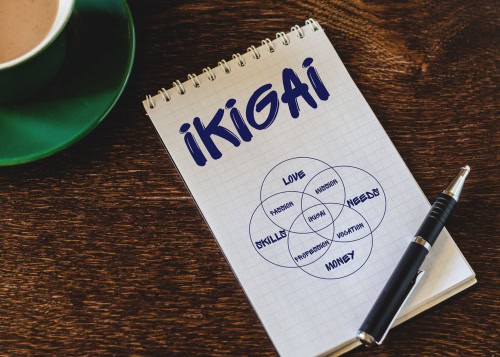
Ikigai is a popular Japanese concept that means finding a purpose in life. It emphasizes the need to deeply focus on your abilities, passions, and what you can bring to society to discover your Ikigai. This effective strategy incorporates self-exploration as well as connecting your life with these essential discoveries in order to discover a greater sense of purpose.
According to research, having a strong sense of purpose is related to stress reduction and improved mental health. Understanding your Ikigai allows you to have a clear sense of direction and motivation, which leads to increased life pleasure. It also promotes living in accordance with your objectives and ideals, which improves mental clarity and satisfaction.
Shinrin Yoku

Shinrin Yoku is an age-old Japanese practice that means ‘bathing in nature’.It’s a refreshing way to attain mental clarity and peace. It entails spending extended periods of time in natural environmental settings, particularly wooded places, to fully immerse oneself in nature. This approach requires focusing on the smells, sounds, and sights of nature while gradually letting go of daily stressors and not being distracted by the hustle and bustle of life for a little while.
According to research, spending time in nature helps produce chemicals such as endorphins and serotonin, which can help alleviate feelings of stress and anxiety. It effectively improves mood, immune function, and fosters a sense of serenity and connectedness to the natural world around you. If you can’t get to a forest, a walk around your local park might be just as good.
Wabi Sabi
Wabi-sabi is a Japanese philosophy that emphasises the simple idea that beauty lies in imperfections. It highlights and encourages appreciating a thing for its distinct traits, and seeing imperfections and flaws as a wonderful part of the package. This strategy promotes simplicity and underlines the importance of the essentials over the need for excess.
Instead of striving for perfect routines, bodies, jobs, or houses, wabi-sabi poses a simple question: Can you find value in what is imperfect, flawed, or yet in progress? By focusing on simplicity and natural beauty, wabi-sabi promotes attention and appreciation of the moment. Incorporating wabi-sabi concepts reduces stress and improves personal wellness by encouraging acceptance and thankfulness.
Shukan
In Japanese culture, the term “Shukan” refers to habit or routine, which is profoundly embedded in everyday life, personal growth, and social conduct. Unlike short-term resolutions or one-time endeavours, Shukan is a disciplined, long-term strategy to develop beneficial habits that entails clearing physical and mental clutter in order to reach tranquility.
The notion is that by automating your routines, you free up brain capacity for creativity, attention, and joy. This practice not only helps keep your physical environment clean, but it also relieves your mental and emotional stress. ‘Keep just those things that offer you joy’ is the core of Shukan. By removing unneeded anxieties and pressures, your mind becomes more relaxed and concentrated.
FAQs
What is mental clutter?
The accumulation of daily stress, worries, negative thoughts, to-do lists, goals, and desires is usually described as mental clutter.
Why is mind detox important?
A cluttered mind often leads to anxiety, stress, and mental exhaustion, and makes it harder to stay focused; hence, mental detox becomes important.
Can these Japanese techniques help with anxiety?
Yes, many of these practices encourage letting go of negative thoughts, slowing down, and promoting mindfulness, which can be beneficial in dealing with anxiety.
Can Shinrin yoku only be done in a forest?
While it is an ideal backdrop for shinrin yoku, you can also practice the essence of nature bathing in a park, near a lake, or any other natural setting around you.
Can I practise more than one technique at the same time?
Yes. Combining these techniques enhances their calming effects and supports long-term mental balance.
(The article is written by Ehsan Siddiqui, Team Lead and reviewed by Monalisa Deka, Deputy Manager, Clinical Health & Content, Medical Affairs)
Recommended Read:
Waking Up Early Can Help You Rise and Shine—Here’s How!
It’s Not Just You, It’s The Weather: Winter Blues Are Real And Here’s How To Fight It