
Cardiovascular exercise is often recommended as the best way to lose weight. There are many ways of getting exercise today; two very popular ways are running and incline walking (also known as hiking). Both types of exercise can burn calories, improve heart health, and help reduce weight; however, they will differ in terms of intensity, number of calories burned, and risk of injury to the body.
Fitness experts will tell you that the best exercise is the one you can do for long periods of time; however, if your goal is to lose weight, you will need to consider the similarities and differences between running and incline walking with respect to calories burned from fat, muscles used, and how long you can continue performing the exercise.
We will provide information to help you determine which of these two forms of exercise will be the most beneficial to you in your weight loss plan.
What Is Inclined Walking?

Inclined walking is simply walking at an angle uphill or using a treadmill that is inclined so that you have to walk up an incline instead of on flat ground.
The incline on the treadmill creates a greater resistance to upright motion and thus requires that the muscles of your legs work harder to lift your body horizontally, but at the same time creates additional resistance to moving forward.
Incline walking works the following groups of muscles primarily:
• Gluteal Muscles
• Hamstring Muscles
• Calf Muscles
• Core Muscles
What Is Running?

Running is a high level of intensity for cardiovascular exercise and means that both feet must be off the ground during each stride. Because it increases heart rate rapidly, running takes more energy than walking.
The benefits of running include:
- Increased cardiovascular endurance
- Increased lung capacity
- Increased metabolism
- Increased overall stamina
Since running is higher in intensity than walking, it will burn more calories in a given timeframe than walking.
That said, running can cause greater impact to your knees, ankles, and hips—especially if you are a beginner or if you are overweight.
Which Burns More Calories?

When it comes to losing weight, calorie burn is a key factor.
Running burns more calories per minute than walking. For example:
- A 70 kg male can burn anywhere between 300 and 400 calories in a 30-minute run.
- That same male would burn somewhere between 200 and 300 calories by walking uphill for 30 minutes.
But if the walk is steep enough or lasts much longer than the run, the calories burned in both activities will be about the same.
Another important point is that hill walks tend to be more manageable over longer periods. This makes it easier to maintain a consistent exercise routine, resulting in a similar total calorie burn as running over time.
Fat Burning Potential
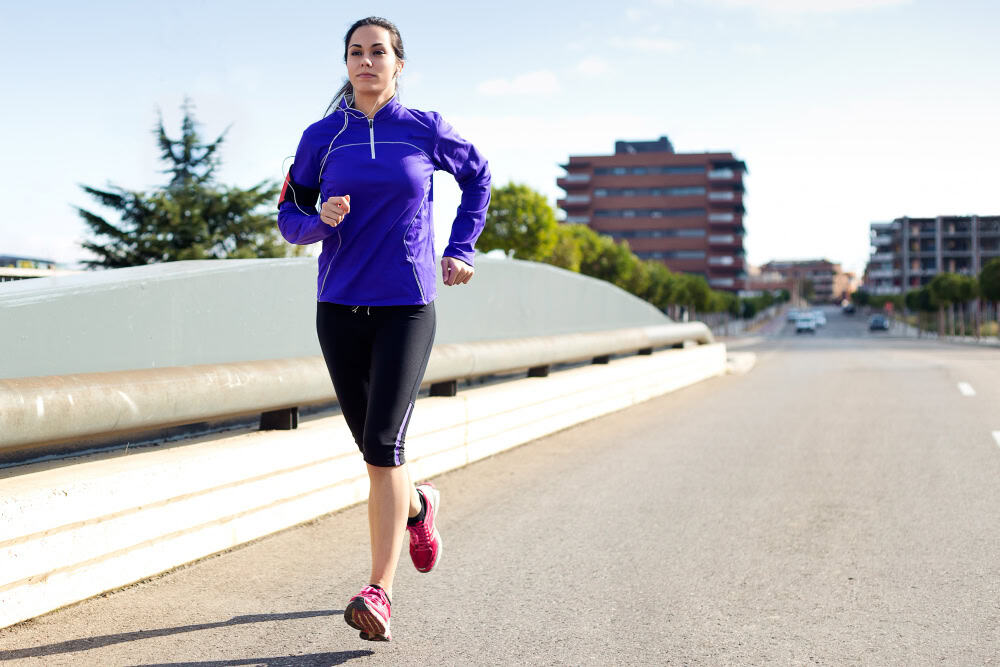
Both activities are very effective for burning fat, but each burns fat in slightly different ways. Running is performed at a high level of intensity; therefore, it burns calories faster than an incline walker and also provides a longer afterburn effect (the body continues to burn calories after exercise).
On the other hand, an incline walker stays at a moderate level of intensity for a longer period, making it a very effective form of steady-state cardio for anyone who prefers to exercise this way.
If your goal is long-term weight loss, incline walking might be easier to maintain than running. It’s manageable intensity supports ongoing exercise, which can help with fat loss over time.
Impact on Joints

When you are choosing your exercise program, the health of your joints should be a consideration.
Running is a high-impact activity in that the runner’s foot is forcefully placed on the ground with each step, which can lead to damage to the knees, ankles, and lower back over time, particularly if the runner has either poor form or poor shoes.
In contrast, walking on an incline is a low-impact activity; i.e., there will almost always be one foot on the ground, which reduces the Forces on the joints.
Walking on an incline is therefore a safer option for people just starting, older adults, and people recovering from injuries.
Muscle Engagement

Walking up an incline challenges a wide range of muscles throughout the lower body.
Walking uphill activates the glutes, hamstrings, and calves more than walking on level ground, as you lift your body against gravity. Over time, this can help strengthen and tone the lower body muscles.
The majority of muscles worked while running are the quadriceps, hamstrings, calves, and muscles related to the core; however, running improves endurance rather than muscle activation due to resistance.
Incline walking may provide better activation of lower body muscles due to the greater incline than running.
Sustainability and Consistency

The best type of exercise for losing weight is one that is sustainable over time.
For many people, the intensity associated with running can result in being exhausted by their workout, and not wanting to do it again. Due to this reason, many people will quit before reaching their overall goal.
Incline walking, on the other hand, is easier to sustain because:
- It is less intimidating
- It can be sustained longer
- There is less risk of injury
Because it can be performed every day by many people, it is a great way to achieve and maintain a consistent caloric deficit over time.
Which Is Better for Beginners?

Generally speaking, most beginners will have a better chance of becoming active if they start with incline walking than if they start with running.
Incline walking provides a gradual introduction to cardiovascular exercise, but can still provide a challenging workout. As your endurance increases, you may increase the incline, speed, or duration of your workout.
In comparison, many beginner runners quickly become discouraged because they are unsure of how to achieve their goals.
Can You Combine Both?

The best fitness programs are usually a mixture of different types of activities.
A good exercise plan could have:
- More people are on an incline treadmill.
- Doing shorter, higher-intensity runs.
- Doing some of both to improve endurance, help burn a lot of calories, and keep your body challenged during your workouts.
Here’s an example:
- 3 days using an incline treadmill
- 2 days running
- 2 recovery days
Having variety will keep your body depending on the type of workout you are doing and, in turn, will help you to not to experience a plateau while losing weight.
Final Verdict

Incline walking and running can both help with weight loss, but the best choice depends on your fitness level, your goals, and your current condition.
Running burns calories faster and boosts your metabolism. It’s a good option if you enjoy high-intensity workouts. Incline walking is easier on your joints, but still burns plenty of calories and helps strengthen your legs.
Many beginners may find that incline walking is a more effective and safer approach to help lose weight. By combining incline walking and running over time, you will achieve the best results in fat loss and overall fitness.
FAQs
- Is incline walking more effective than running for losing weight?
If you walk on an incline regularly, it can be just as helpful as running. While running burns more calories in the same amount of time, incline walking lets you exercise for longer and lowers your risk of injury.
- How long should I walk to lose weight?
According to most professionals, you should incline walk for at least 30-45 minutes for at least 4-5 days per week (for you to see visible results).
- What is the best incline for losing fat?
Having an incline level from 5% to 10% on the treadmill will help you increase calorie burning without adding a lot of additional strain to your body.
- Can incline walking tone my legs?
Yes, incline walking works both your glutes, hamstrings, and calves, and consistently working these muscle groups, you will grow stronger in these areas and gain definition/toned looking legs.
- Is running bad for my knees?
Generally, running would not be considered bad for your knees, unless you are running with incorrect form, wearing poor shoes, or running too much mileage, as those items will increase the likelihood of straining your joints.
- Can I start running if I am a beginner?
Sure, you can start as a beginner and run; however, the most commonly accepted avenue is to start by walking fast (at a brisk pace) or by incline walking, thus allowing you to build up your endurance, which in turn would reduce your risk for injury.
- Which type of exercise burns more belly fat: walking or running?
Overall, both of these exercises can assist you in reducing the volume of subcutaneous fat, including belly fat. To get the most benefit out of doing either of these exercises, you must combine them with a reduced calorie intake and a regular physical activity routine (frequency matters).
Recommended Reads
5 Fermented Foods For Gut Health That You Should Have Before Winter
Winter Gut Reset: 5 Expert-Recommended Probiotic-Rich Indian Drinks to Beat Bloating
(The article is written by Deepa Sarkar, Medical Writer, and reviewed by Monalisa Deka, Deputy Manager, Clinical Health & Content, Medical Affairs)