
Have you ever noticed more hair than usual on your pillow or shower drains and wondered if something is wrong? Losing hair can feel unsettling. For many women, hair is closely tied to identity, confidence, and self-expression. So when strands begin to thin or fall out in clumps, the worry can quickly grow. But what are the causes of hair loss in women?
From managing careers and households to caring for families, women’s bodies go through constant changes. Hormonal shifts, stress, nutritional gaps, and lifestyle pressures can slowly start showing up, and one of these signs is hair loss. Its causes can be linked to changes happening within the body.
International Women’s Day is celebrated on 8th March every year. This year, the theme given by the World Health Organization is “Rights. Justice. Action. For ALL women and girls” [1]. It’s also a reminder to turn that attention towards your own health. Let your inner voice guide you, give yourself the care you deserve, and take action for your health. Understanding the causes of hair loss in women can help you take better care of your health from the inside out.
Understanding the Hair Growth Cycle
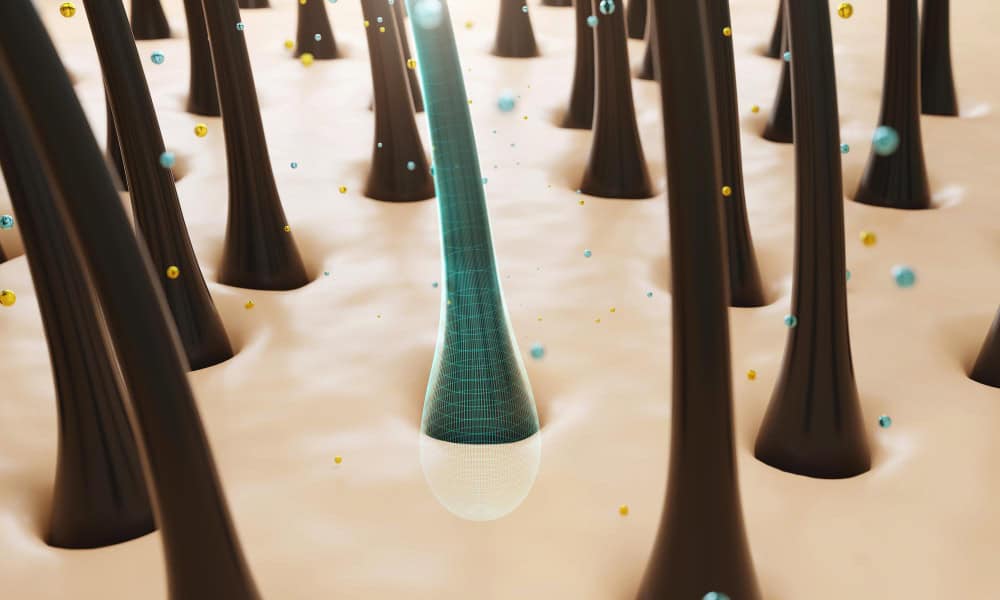
Before exploring the causes, let’s first get to know how hair normally grows. Hair follicles follow a natural cycle with three main phases [2]:
- Anagen (Growth phase) – Hair actively grows for several years.
- Catagen (Transition phase) – The follicle shrinks, and growth slows down.
- Telogen (Resting phase) – Hair eventually sheds, and new hair begins growing.
When something disrupts this cycle, hair can enter the shedding phase earlier than expected, leading to visible thinning.
Common Causes of Hair Loss in Women
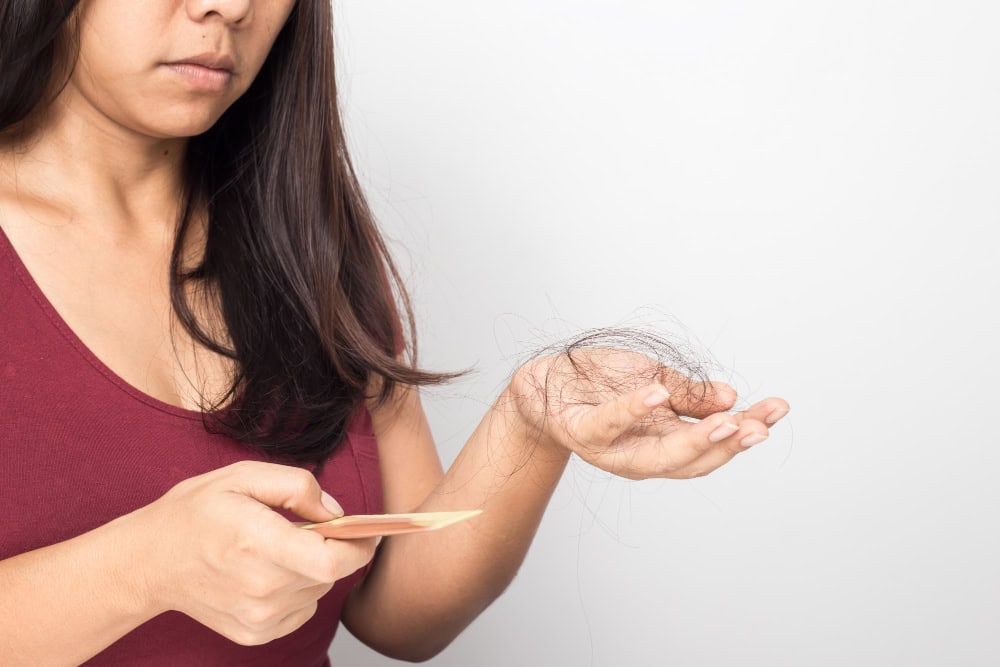
When the natural hair cycle gets disrupted, excessive shedding can occur. In many cases, hair loss develops due to multiple overlapping factors rather than a single trigger. The most common causes of hair loss in women include:
1. Hormonal Changes
Hormones play a major role in regulating hair growth. When hormone levels shift, hair follicles can become weaker or enter the shedding phase. Common hormonal triggers include:
– Pregnancy and postpartum changes
– Menopause
– Polycystic ovary syndrome (PCOS)
– Thyroid disorders
These hormonal fluctuations can slow hair growth. This leads to diffuse thinning, where hair becomes generally thinner across the scalp instead of falling out in specific patches.
2. Genetics (Female Pattern Hair Loss)
Genetics can also influence how thick or thin your hair becomes over time. Female pattern hair loss, or androgenetic alopecia, is a condition that generally runs in families and may appear gradually over time. Instead of bald patches, women typically notice a widening line where the hair is parted or thinning around the crown. This type of hair loss may develop slowly with age and become more noticeable after menopause due to hormonal shifts.
3. Nutritional Deficiencies
Hair is made primarily of protein, and healthy growth also depends on several vitamins and minerals. Deficiencies that may contribute to hair thinning include iron, vitamin D, vitamin B12, zinc, and low protein intake. When the body lacks essential nutrients, it prioritises vital organs over hair growth. As a result, hair follicles may weaken or enter the shedding phase.
4. Stress and Emotional Shocks
Significant physical or emotional stress can have a powerful impact on the body, including the hair cycle. One such condition is called telogen effluvium, where a large number of hair follicles suddenly enter the resting phase. This leads to noticeable shedding after some time.
Common stress triggers include illness or surgery, major life events, high emotional stress, and childbirth. The good news is that stress-related hair loss is often temporary once the underlying stress improves.
5. Medical Conditions
Sometimes hair loss is a symptom of an underlying health condition. Some common medical causes include:
– Thyroid disorders
– Anemia
– Scalp infections
– Chronic illnesses like diabetes
– Autoimmune diseases such as alopecia areata
In autoimmune hair loss, the immune system can mistakenly attack hair follicles, leading to patchy hair loss.
6. Hairstyling Practices
Certain hairstyling habits, such as tight ponytails, braids, extensions, heat styling tools, and chemical treatments, can damage hair roots over time. A condition known as traction alopecia occurs when constant tension is placed on hair follicles. Over time, repeated stress on the follicles can lead to permanent hair thinning if the damage continues.
7. Rapid Weight Loss or Crash Dieting
Sudden weight loss can also trigger temporary hair shedding. When the body experiences rapid calorie restriction or nutritional imbalance, it treats this as a form of stress. This can disrupt the hair growth cycle and trigger temporary hair loss.
Everyday Habits That Support Healthy Hair
While hair loss has many possible causes, some everyday habits can support scalp and hair health.
– Focus on Balanced Nutrition
Include protein, leafy greens, nuts, seeds, and iron-rich foods in your diet.
– Manage Stress
Practices like exercise, yoga, meditation, and adequate rest can help regulate stress hormones.
– Be Gentle With Hair
Avoid tight hairstyles and excessive heat styling.
– Maintain Scalp Health
A clean and healthy scalp environment can support better hair growth.
– Get Regular Health Checkups
Monitoring iron levels, thyroid function, and vitamin levels can help detect underlying issues early.
Bottom Line
Occasional shedding is normal, but certain signs may indicate a deeper issue. Understanding the root causes of hair loss in women is the first step toward addressing it effectively. This can help you take the right steps to support healthier hair in the long run. If hair shedding becomes persistent or concerning, seeking professional guidance can help identify what your body may be signalling.
Consult a Dermatologist Today!
FAQs
Q. How can women prevent hair loss?
Hair loss usually improves when the root cause is addressed. Eating a balanced diet, managing stress, getting enough sleep, and avoiding tight hairstyles can help. If hair fall is severe or sudden, it’s best to consult a doctor to identify the underlying cause.
Q. Which blood tests are required for female hair loss?
Doctors may recommend tests like iron levels (ferritin), thyroid function tests, vitamin B12, vitamin D, and sometimes hormone tests. These help identify nutritional deficiencies or hormonal imbalances linked to hair loss.
Q. What kind of doctor should one see for hair loss?
A dermatologist is usually the first specialist to consult for hair loss. They can examine the scalp, identify possible causes, and recommend the right treatment or tests if needed.
Q. What vitamins are good for hair thinning?
Vitamins that support hair health include biotin (vitamin B7), vitamin D, vitamin B12, and iron. However, supplements should ideally be taken after checking for deficiencies and discussing them with a healthcare professional.
Q. What is the main cause of hair loss in women?
Hair loss in women can be caused by hormonal changes, nutritional deficiencies, stress, thyroid problems, or genetics. In many cases, it’s a combination of several factors rather than just one.
Q. How can I thicken my hair naturally?
To thicken your hair, focus on a protein-rich diet, good scalp care, gentle hair handling, and stress management. Regular oil massage, avoiding excessive heat styling, and maintaining overall health can also support stronger hair over time.
Q. What are the signs of unhealthy hair?
Signs of unhealthy hair may include excessive hair shedding, brittle strands, split ends, and dullness. Thinning areas on the scalp or increased breakage while combing/styling can also be a sign of poor hair health.
Q. What vitamin deficiencies can cause hair fall?
Low levels of iron, vitamin D, vitamin B12, biotin, and zinc are commonly linked to hair thinning or hair fall in women.
References
1. International Women’s Day 2026 “Rights. Justice. Action. For ALL women and girls.” https://www.who.int/europe/news-room/events/item/2026/03/05/default-calendar/international-women-s-day-2026–rights-justice-action-for-all-women-and-girls. Published March 5, 2026.
2. Lin X, Zhu L, He J. Morphogenesis, growth cycle, and molecular regulation of hair follicles. Frontiers in Cell and Developmental Biology. 2022;10:899095. doi:10.3389/fcell.2022.899095
(The article is written by Sneha Jajoo, Intern, Clinical Health & Content, and is reviewed by Dr.Subita Alagh, Assistant Team Lead, Disease Content.)