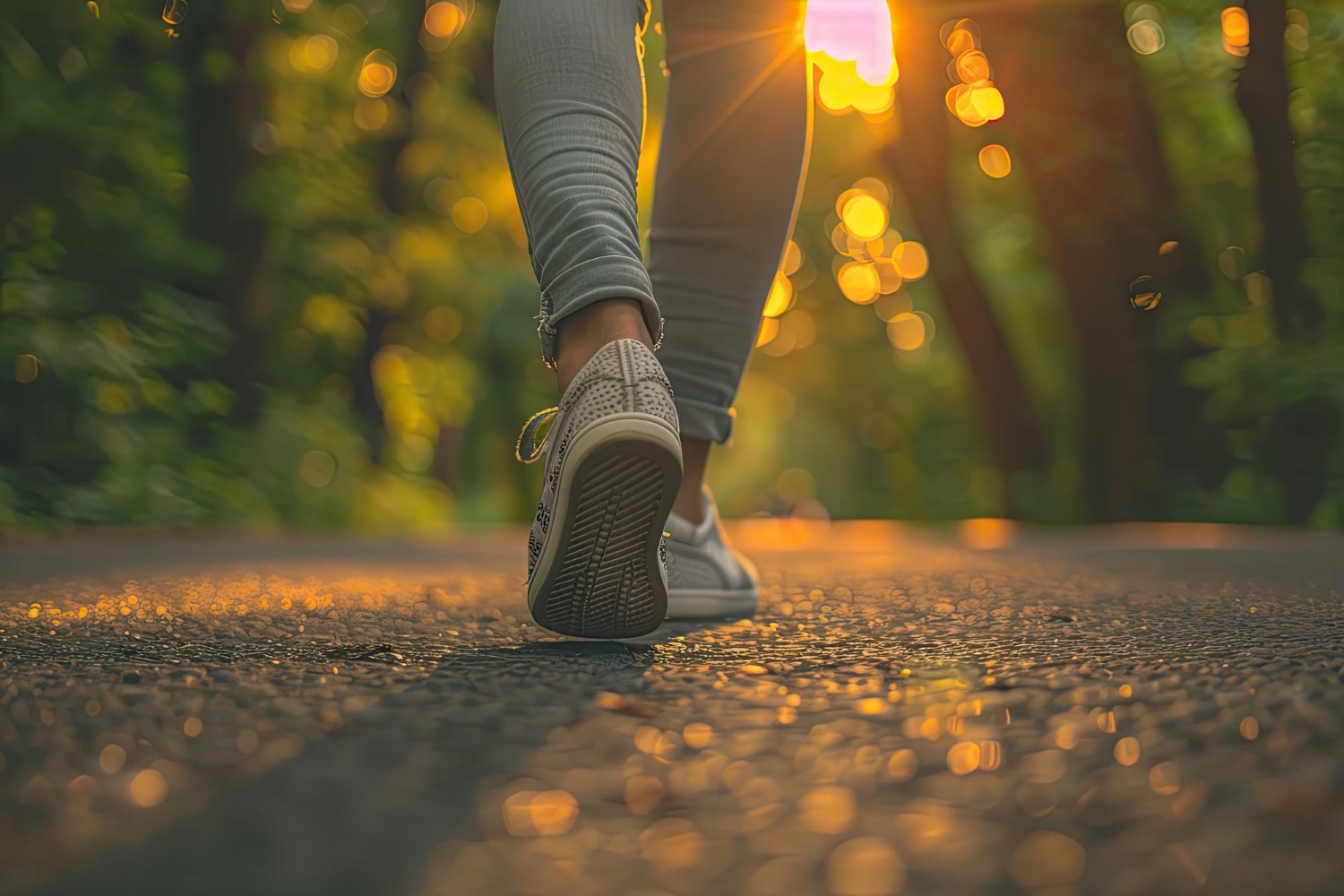
Walking is considered one of the easiest and safest forms of exercise. If you are walking outdoors or indoors, it helps improve your heart health, build your muscles, and helps control weight, along with improving your mental state. You may also wonder whether incline walking is more effective than walking on a flat surface in terms of burning calories.
In short, the answer is yes: walking up an incline requires burning more calories than walking on a flat surface at the same speed. Also, both types of walking have various advantages, and the best practices depend on your fitness level and goals.
Let’s gain a deeper understanding of the differences between incline and flat walking practices, as well as which one is worth including in your workout routine.
Why Does Incline Walking Burn More Calories?

Walking uphill or on an incline is a challenging activity that requires your body and muscles to put in additional effort and energy.
Incline walking is different from walking on a flat surface in that it:
- Increases your heart rate
- Engages your muscles
- Requires more oxygen from your body
- Helps burn more calories
Studies involving the MET index (or metabolic equivalent of task) have shown that calorie burn increases significantly with increasing incline regardless of walking pace.
For instance, walking at a speed of 5 km/h on flat land burns fewer calories than the same speed on an incline.
Muscle Activation: Which Activity Works More Muscles?

Incline Walking
Walking on an incline is more challenging for the body and especially for the following muscles:
- Glutes
- Hamstrings
- Calves
- Quadriceps
- Hip muscles
Your core also works harder to stabilize your body as you climb.
Flat Walking
When it comes to flat walking, we also deal with muscles, but not as demanding as in the previous case:
- Quadriceps
- Calves
- Hip flexors
- Core abdominal muscles
While it still strengthens the legs, the muscle demand is generally lower than incline walking.
Which of the Two Is More Beneficial for Losing Weight?

Losing weight is all about burning more calories than the number you consume. While exercise is an important element, it is just part of the whole equation. Incline walking is beneficial because it burns more calories in the same time period. Besides, incline walking provides certain advantages:
- Increase workout intensity without jogging
- Improve the cardiovascular system
- Keep muscle intact during the weight loss process
Please remember that consistency is more important than severity. A flat walking lover who practices it daily will achieve better results than someone who occasionally does incline walking.
Is Incline Walking Harder on the Body?
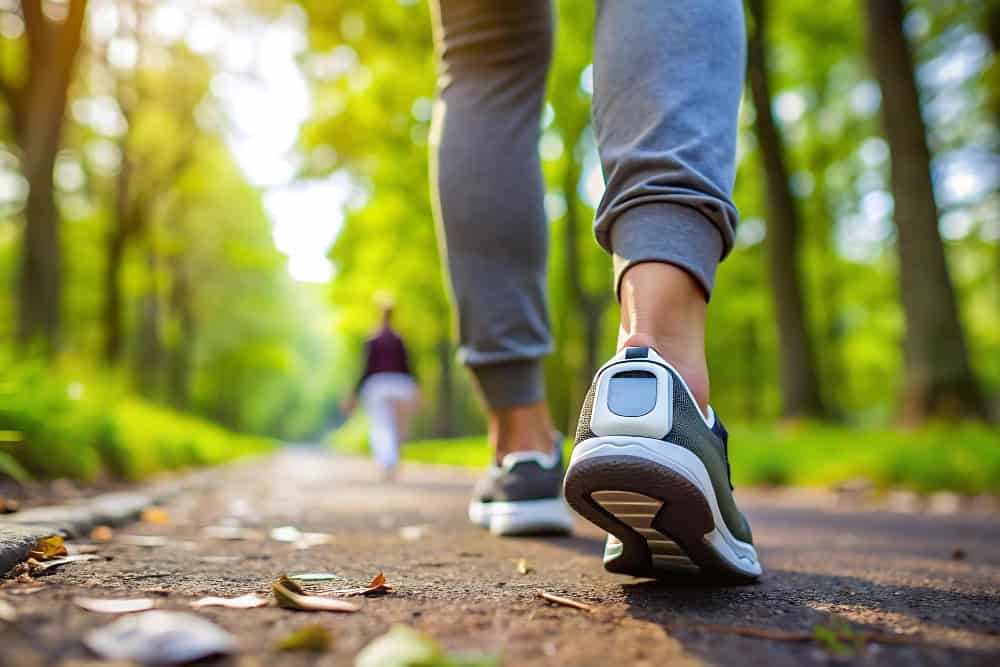
Indeed; however, this is not always a negative aspect. Inclined walking places a greater load on our muscles and joints, thus increasing the level of difficulty of this exercise.
You may observe the following:
- Rapid breathing
- Increased heart rate
- More tiredness in the muscles
- A great amount of sweating.
In most cases, healthy adults experience these changes. However, individuals suffering from knee pain, hip problems, and ankle injuries may experience difficulties on steep slopes. If you are not experienced in inclined walking, start with an inclination of 2% to 4% and slowly rise as you gain fitness.
Benefits of Incline Walking
 Inclined walking is a great way to intensify any workout if you don’t feel like running. The primary benefits of walking on an incline are:
1. Burns More Calories
Walking on an incline generally requires a lot of energy because your body has to work against gravity to be able to keep moving forward. This means that walking uphill uses more calories than walking at the same speed on a flat surface. This is a great thing for people who are trying to lose weight.
2. Improves Heart Health
Inclined walking raises your heart rate much faster than flat walking. Hence, it makes your heart work harder. Besides, with regular workout sessions, you will likely make your heart healthier and improve your stamina.
3. Strengthens Lower-Body Muscles
Walking on an incline engages your glutes, hamstrings, calves, quadriceps, and hips much more than walking on flat ground. Hence, you can gain strength and improve endurance through workouts, as well as maintain better balance.
4. Lower Impact Than Running
Walking up an incline is more challenging than walking on a flat surface, but it is easier on the knees, hips, and ankles than running would be. This means that those looking for a rigorous workout without too much wear on the joints can use this method with ease.
5. Increases Workout Efficiency
As a result of the increased demand on the body when one is walking uphill, incline walking allows making great strides in exercising while taking less time. Just a short session of incline walking can yield tremendous cardio and fat-burning benefits for people who have a hectic schedule.
Benefits of Flat Walking
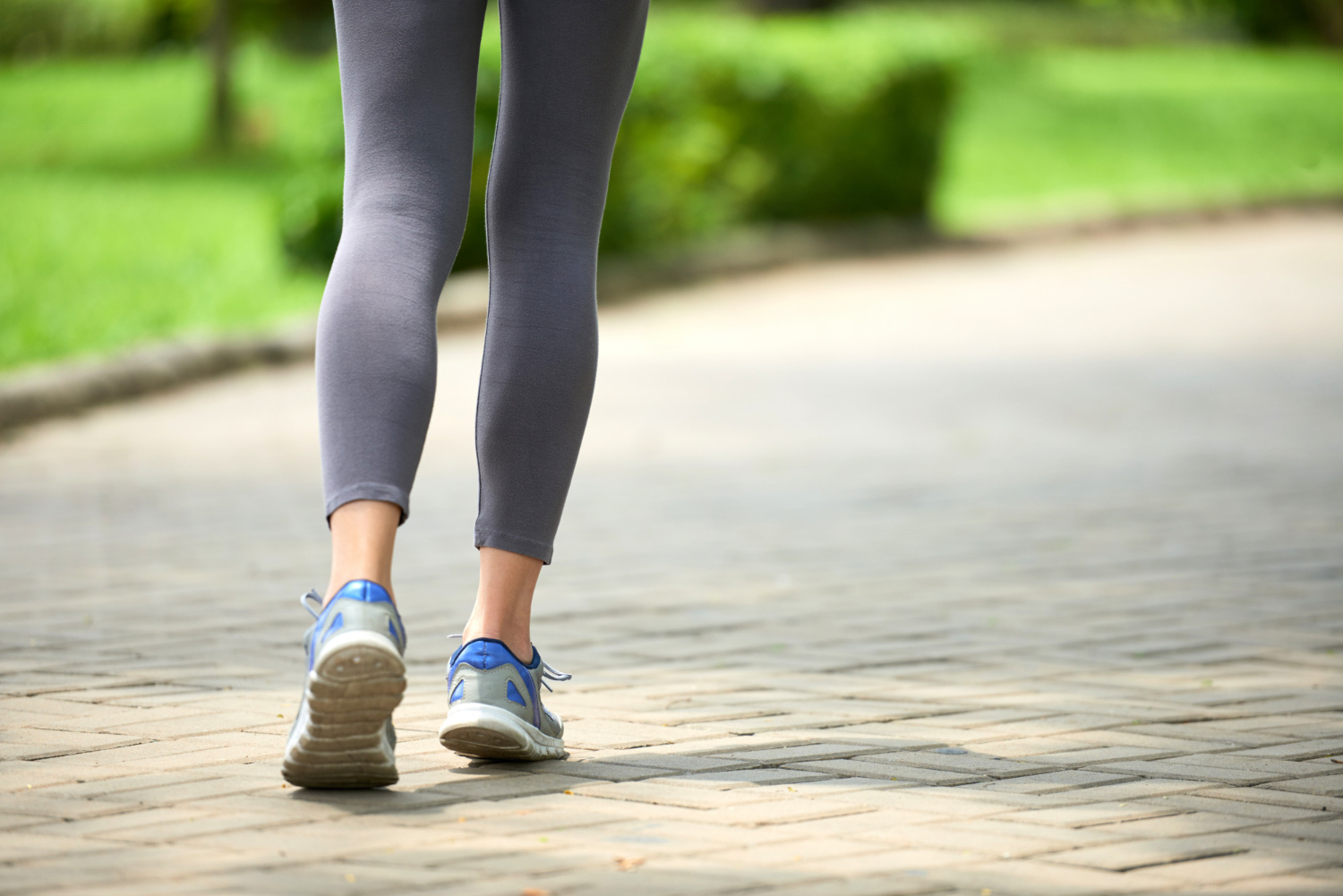
Flat walking represents one of the simplest types of exercise and is available to everyone. It brings plenty of health benefits and can be done by almost everyone.
1. Beginner-Friendly
The flat is easy to learn to walk on and requires no special skills or equipment. If you’re new to sports or want to get back into exercising after a long break, this is a good option.
2. Gentle On The Joints
Flat walking is lower impact on the knees, legs, and feet than other high-impact exercises such as running. This makes it a good activity for older people, for those with mild joint pain, and for anyone who wants a low-impact workout.
3. Simple To Practice For A Long Time
Unlike incline walking, flat walking requires less effort and thus can be continued for extended periods of time by many walkers. Longer exercises are beneficial as they increase calorie burning of calories and improve heart health.
4. Supports Daily Physical Activity
The regular practice of brisk walking helps to develop a healthy heart, level of blood circulation, mood, and number of calories burned. Apart from this, it helps to decrease the time spent in front of any computer or TV screen.
5. Suitable During Recovery
If recommended by a doctor, flat walking can be safely practiced during recovery from certain diseases, surgeries, or traumas. Its gentleness helps people restore their abilities by practicing for loss but not working out with heavy loads.
Tips to Burn More Calories While Walking
Regardless of your preference for incline or flat walking, some tricks can help you to burn more calories during your training:
- Walk at a brisk pace
- Swing your arms naturally
- Wear supportive walking shoes
- Increase walking duration gradually
- Add short intervals of faster walking
- Maintain good posture
- Stay hydrated
Being consistent makes a much bigger difference compared to high-intensity workout sessions done occasionally.
Is it Possible to Walk Outside Rather Than on a Treadmill?
Definitely! Walking outside naturally includes hills, rough ground, and changes in wind that can help burn more calories.
Some great options for walking include:
- Hills
- Parks
- Nature paths
- Steep roads
- Overpass walking paths (if safe to do so)
If hills are unavailable, a treadmill will also work since it has incline options as well.
Who Should Not Use Steep Inclines?
Walking at an incline may be unsafe for certain people. It’s best to consult your doctor before beginning the activity if you have:
- Severe arthritis
- Recent knee and hip surgery
- Serious balance issues
- Uncontrolled heart disease
- Chronic foot pain
Pregnant mothers and elderly people should be cautious and still pay attention to what is right for them based on their fitness as well as medical advice.
Conclusion
 Incline walking is the superior method for burning calories, as uphill walking puts more strain on the body and makes the heart beat faster, the muscles work harder, and burn more calories than flat walking does. Nonetheless, walking on a flat surface is still an excellent way to stay fit because it is easy to do, gives no trouble to joints, can be done regularly for a long time, and is very efficient as far as exercise is concerned. A good strategy is to combine both methods: use flat walking for longer, restorative sessions and incline walking one to three times a week.
FAQs
Q. Is incline walking an effective method of calorie burning?
Incline walking may help you lose weight because it allows burning more calories and work more muscle groups. On the other hand, successful weight loss requires maintaining the calorie deficit by following a healthy diet and exercising regularly.
Q. Which muscles are used while incline walking?
Walking up a hill will engage the major muscle groups, including the glutes, hamstrings, calves, quadriceps, hip muscles, and core muscles. When you walk uphill, these muscles have to work harder than when you walk on flat ground.
Q. Is walking on the flat good for our health?
Definitely. Flat walking helps enhance the cardiovascular system, improve mood, increase endurance, and burn calories as well. Regular flat walking is an effective exercise form for overall improvement of fitness.
Q. What incline is good for beginner walkers?
At the initial stages, beginners have to start at an incline of 2-4 percent but gradually increase as they build up muscle power and stamina. This is important to reduce the chances of muscle strain and injury.
Q. Is incline walking considered a substitute for running?
For many individuals, incline walking is as good. Incline walking gives a heart-pumping workout with less stress on the joints as compared to running.
Q. Is it better to walk fast on a flat surface or at a slower pace on an inclined one?
Both forms of walking are effective. Brisk walking helps with improving cardiovascular fitness, while a slower pace allows burning more calories on an incline because more muscles are involved. The choice depends on the individual’s fitness level and comfort.
Q. How often should incline walking be included in a fitness plan?
Healthy adults can perform incline walking two to four times a week in rotation with flat walking or other activities.
(The article is written by Deepa Sarkar, Senior Medical Writer, and reviewed by Monalisa Deka, Deputy Manager, Clinical Health & Content, Medical Affairs)