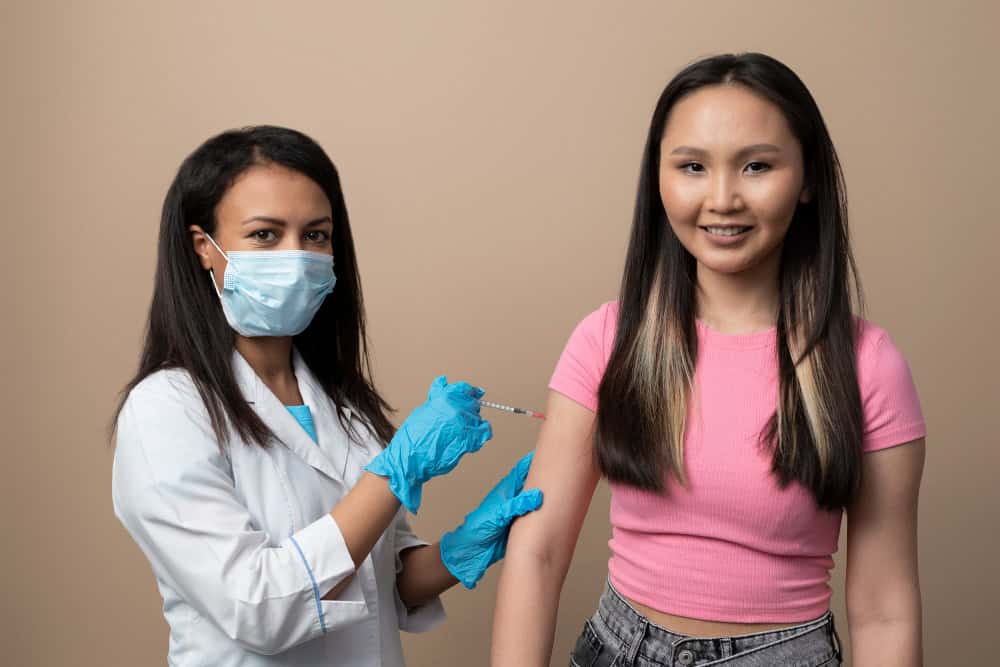
Picture a vaccine that can help you prevent certain types of cancers. It may seem unlikely, but the Human Papillomavirus (HPV) vaccine already does just that. While many HPV infections clear on their own, some can become serious health problems, including cervical cancer. The reassuring part is that cervical cancer is largely preventable. Getting the vaccination against HPV can lower the risk of infection and the diseases linked to it. So, what are the key HPV vaccine benefits, and who should think about getting vaccinated? Let’s see and read on to find out.
Understanding HPV and Why The Vaccine Is Important
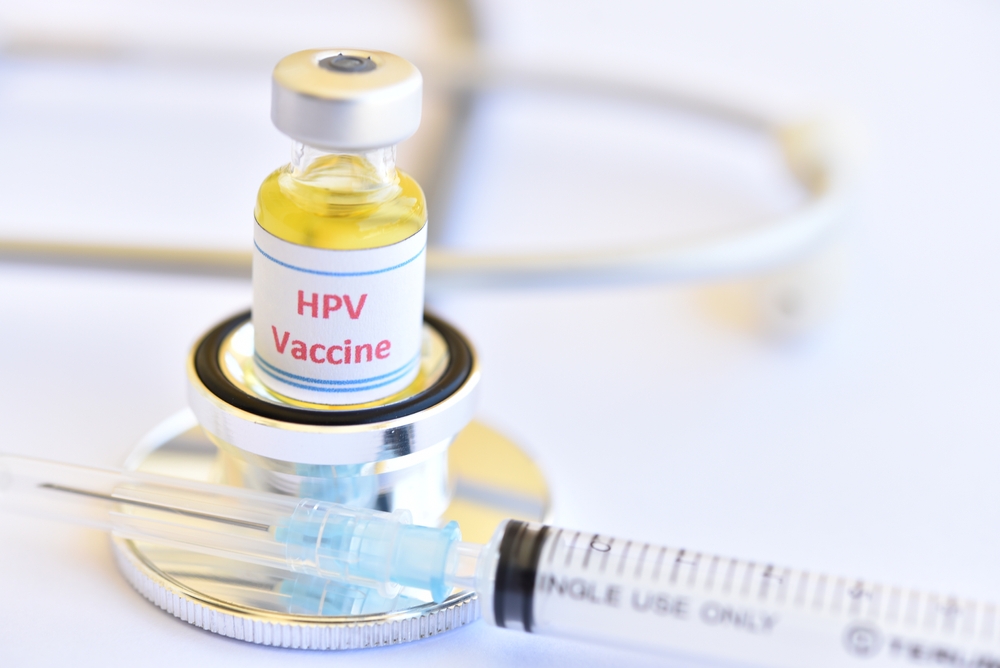
A very common sexually transmitted infection, human papillomavirus (HPV) spreads through intimate skin-to-skin contact during sexual acts. There are more than 100 types of HPV, and about 14 of them are considered high-risk because they can cause cancer. In India, two of these types—HPV-16 and HPV-18—are responsible for around 76% of cervical cancer cases [1].
HPV infections often do not cause symptoms at first, which means many people may not realise they have been exposed to the virus. Over time, however, persistent infection with high-risk HPV strains can lead to abnormal cell changes that eventually develop into cancer.
How The HPV Operates
The HPV vaccine trains your immune system to recognize and defend against high-risk types of HPV before they can cause damage. This defense approach helps prevent infections and the health problems they can cause.
HPV Vaccine Benefits: Beyond Preventing Cervical Cancer
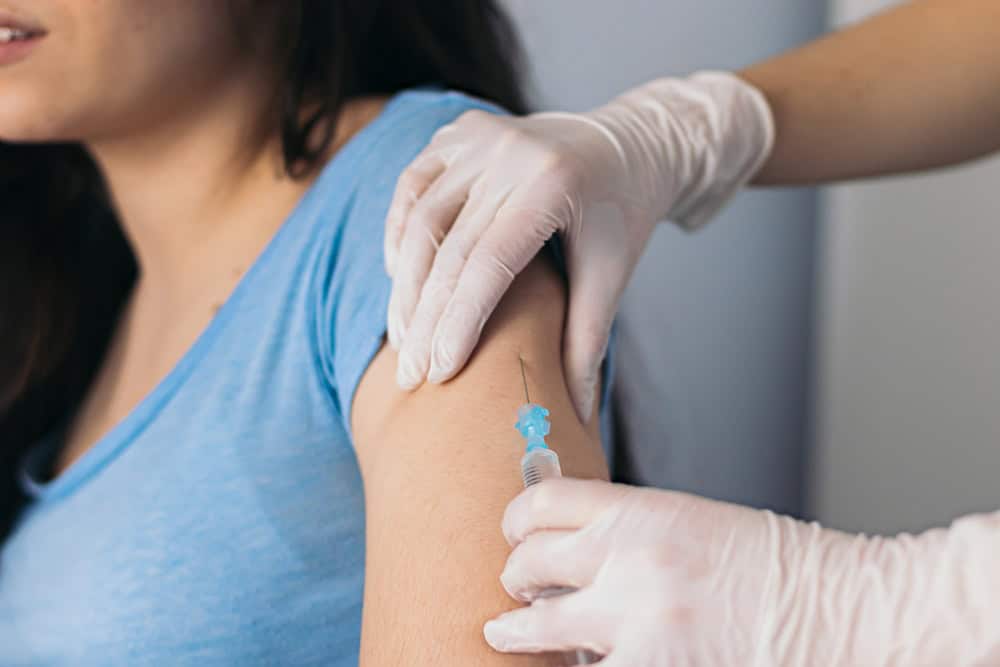
Primary Benefit: Cervical Cancer Prevention
The most well-known and important benefit of HPV vaccines is their ability to prevent cervical cancer. Since most cervical cancers are caused by HPV, vaccination can significantly reduce infection risk. Studies show HPV vaccination can prevent about 90% of these cancers [2]. Given the high burden of cervical cancer in India, this measure can actually save thousands of lives.
Book Your Vaccination Today!
Protection That Goes Beyond The Cervix: Other HPV-Related Cancers
While cervical cancer receives the most attention, HPV infection doesn’t just cause cervical cancer. It can also lead to several other health conditions like anal, vaginal, vulvar, certain throat cancers, genital warts, and some head & neck cancers.
Protects You For The Long Run
Research shows that HPV vaccines provide strong and lasting protection, with immunity continuing for many years after vaccination [3]. With this long-term protection, getting vaccinated as a teenager means you can stay protected well into adulthood.
Lowers The Chances of Needing Cancer Treatments
Cervical cancer treatment can be long, stressful and expensive, both physically and emotionally, for patients. By preventive vaccination, one can lower the chances of developing the disease. This ultimately reduces the need for complicated treatments later on.
Herd Protection Through Vaccination
When a large proportion of people get vaccinated, it reduces how much the virus spreads in the community. This creates a phenomenon called “herd immunity”, which helps reduce overall HPV transmission, bringing down the risk of cervical cancer over time.
Why You Still Need to Know About The HPV Vaccine Benefits
Even after the availability of vaccines, awareness about HPV and cervical cancer prevention is limited in many areas. The lack of information about HPV, social stigma around discussing reproductive health, and misconceptions about vaccine safety sometimes get in the way. Public health campaigns, school awareness programmes, and conversations with healthcare professionals play an important role in addressing these gaps. With the government’s vaccination initiative now expanding all across India, awareness becomes even more important. Hence, families can take advantage of this preventive healthcare opportunity.
What Government Did: India’s Free HPV Vaccination Drive
In a major step toward cancer prevention, the Government of India launched a nationwide HPV vaccination programme in 2026. Aiming to vaccinate around 1.2 crore girls aged 14 years every year across all states [4]. Vaccines are provided free at government health facilities such as primary health centers and district hospitals. The drive primarily targets adolescent girls [4]. Vaccinations are then monitored through the U-WIN digital vaccination platform. This large-scale effort highlights a growing commitment to preventing infections caused by HPV. Hence, if today’s youth is vaccinated, tomorrow’s future is protected.
FAQs
Q. Can someone in their 30s still receive HPV vaccine benefits?
Yes, the HPV vaccine is still beneficial for people in their 30s. The vaccine may shield a person from additional high-risk strains of HPV even if they have already been exposed to one type. To know whether a vaccination is appropriate for you, it’s better to talk to a physician.
Q. What are some typical advantages of getting the HPV vaccination?
The HPV vaccine primarily aids in preventing cervical cancer as well as other HPV-related cancers. Additionally, it may reduce the chance of genital warts and long-term issues brought on by specific HPV strains.
Q. Does HPV have an impact on fertility?
Infertility is typically not directly caused by HPV. However, fertility may occasionally be impacted by problems from cervical cancer or certain treatments for it.
Q. Why is the HPV vaccine usually given to girls around the age of 14?
The vaccination is most effective when given before someone is exposed to the human papillomavirus. Because of this, it is typically advised during the early stages of adolescence. When protection can last longer, the immune response is stronger.
Q. What are the HPV warning signs?
Most HPV infections do not cause symptoms (asymptomatic). But sometimes genital warts or chronic pain may occur. Regular screening is the key to catching any warning signs early.
Q. Is the HPV virus present in sperm?
HPV mainly spreads through skin-to-skin contact during sexual activity. Even though sperm does not normally carry the virus, contact with infected genital (vaginal) skin can still transmit it.
Q. Can someone with HPV still live a normal life?
The body usually clears HPV on its own without causing serious health problems. So, yes, most people with HPV can live a regular life by doing regular health checkups and following proper medical advice.
Q. What was the World Health Organization’s (WHO) 90-70-90 rule strategy?
The 90-70-90 is a global strategy developed by the WHO. This strategy targets eliminating cervical cancer by 2030. It aims for 90% of girls to be vaccinated, 70% of women to be screened, and 90% of diagnosed people to receive treatment.
References
1. World Health Organization: WHO. Cervical cancer. https://www.who.int/news-room/fact-sheets/detail/cervical-cancer. Published December 2, 2025.
2. Reasons to get vaccinated. Human Papillomavirus (HPV). https://www.cdc.gov/hpv/vaccines/reasons-to-get.html. Published July 3, 2024.
3. Impact of the HPV vaccine. Human Papillomavirus (HPV). https://www.cdc.gov/hpv/vaccination-impact/. Published July 9, 2024.
4. Prime Minister Shri Narendra Modi Launches Nationwide HPV Vaccination Drive for 14-Year-Old Girls from Ajmer, Rajasthan, Released February 28, 2026. https://www.pib.gov.in/PressReleasePage.aspx?PRID=2233906®=3&lang=2.
(The article is written by Sneha Jajoo, Intern, Clinical Health & Content, and reviewed by Monalisa Deka, Deputy Manager, Clinical Health & Content, Medical Affairs).