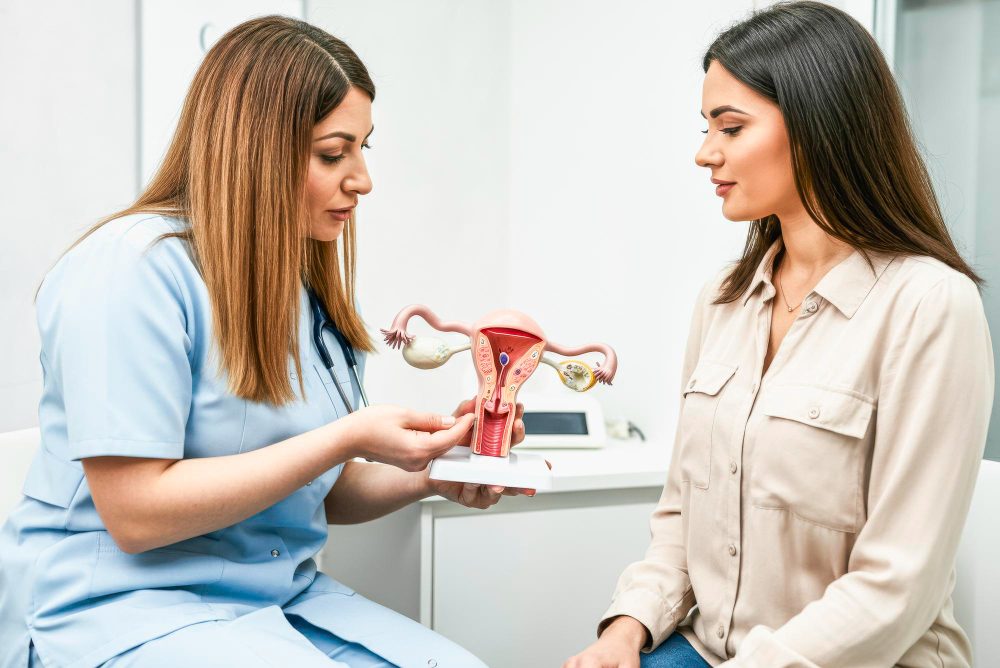
When was the last time you went for a health test even though you felt absolutely fine? Many women put off important health checkups like cervical cancer screening simply because it doesn’t feel urgent. There’s no pain, no obvious warning sign, and yet this one simple test has the power to catch changes in the body long before they turn serious. That’s precisely why screening matters.
According to Dr. Subita Alagh, Medical Content Expert at TATA 1mg, “A few minutes of testing today can prevent years of treatment tomorrow. According to WHO guidelines, early screening aims to catch abnormal cells before they progress [1]. This helps to prevent cancer rather than just treat it.” This article walks you through what cervical cancer screening really involves, why it’s important, and who should get tested.
Cervical Cancer: What It Is and Why It Happens
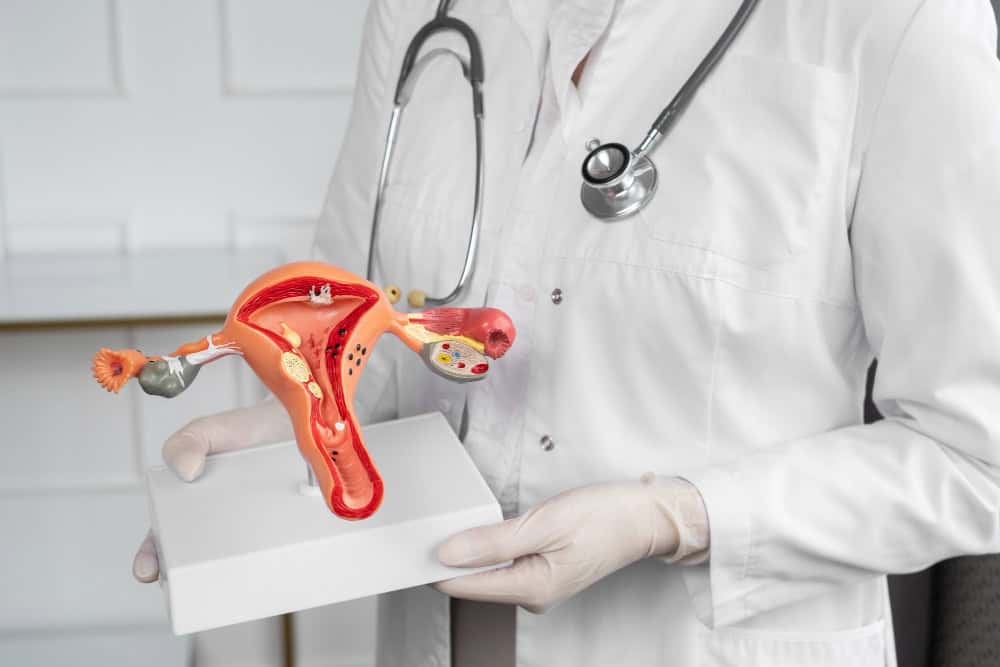
Cervical cancer starts in the cervix — the narrow lower part of the uterus that connects to the vagina. Generally, most cases of cervical cancer are linked to persistent infection with high-risk types of human papillomavirus (HPV). Sexually active people may encounter it at some point, as this virus spreads mainly through sexual contact. In most cases, the virus clears on its own. When a high-risk strain stays, it can trigger cell changes that may lead to cancer. no early pain, no warning bells — just subtle cell changes happening deep inside the cervix.
Did you know?
HPV 18 and HPV 16 are among the high-risk types that cause around 70% of all cervical cancer cases worldwide [2].
Why Cervical Cancer Screening Matters: Detecting Before It Becomes Critical
Cervical cancer is one of the most preventable cancers when detected early [1,2]. That’s because screening tests can find precancerous changes or actual cancer cells at an early stage. Once these changes are identified, it is possible to provide a timely treatment.
There are two available screening tests, which include:
1. The Pap smear (Pap test or cytology test), that looks at cervical cell changes.
Book a Pap smear test in just a click!
2. HPV DNA test, which checks for high-risk virus types that drive most cervical cancers.
If you want additional reassurance, an advanced HPV test can help assess your risk!
What Happens During a Pap Smear or HPV Test?
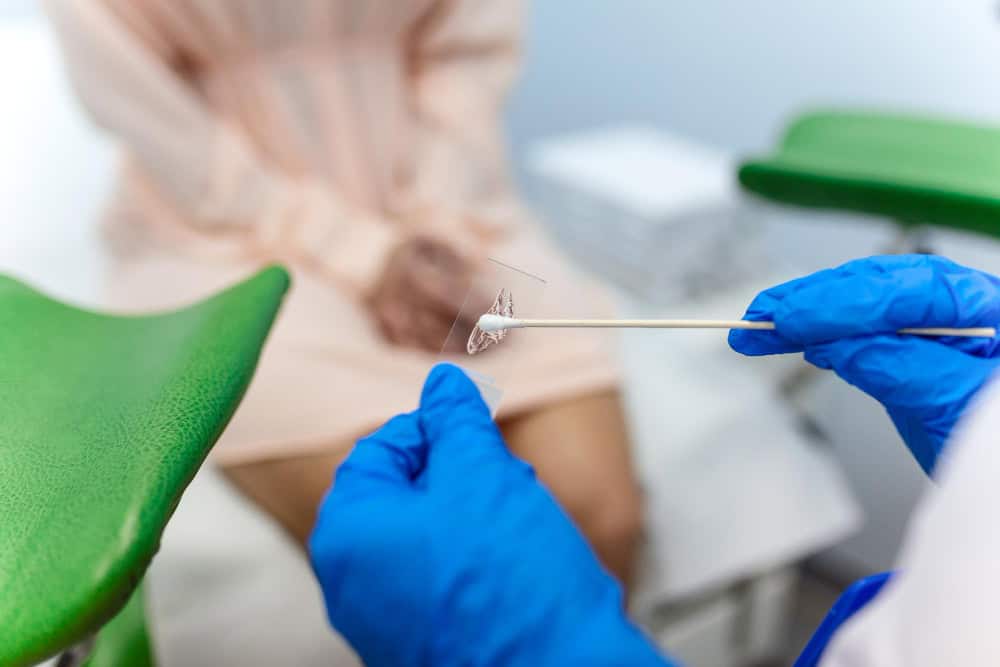
The Pap smear test is quick — often just a few minutes in a doctor’s office or clinic. A speculum gently opens the vaginal walls so a small brush or spatula can collect cervical cells. Those cells are then analysed in a lab to look for changes or HPV DNA. Some women can feel mild discomfort or pressure, but it’s usually over before you know it. The tests do not directly diagnose cancer; rather, they detect cell changes. An abnormal test result doesn’t mean you have cancer, but if not watched or treated, it may lead to cancer [3]. If results show abnormal changes, your doctor may recommend repeat testing or follow-up procedures like biopsy to look more closely.
Who Should Get Tested — and When?
Screening recommendations are based on age and risk factors, not just symptoms. Most international guidelines agree on this pattern [3]:
- Before 21 years old
Routine screening is normally not recommended, even if sexually active, because cervical cancer is usually rare in this age group.
- 21–29 years
Begin with a Pap smear every 3 years. This test checks for abnormal cells before cancer develops.
- 30–65 years
Options include a Pap smear every 3 years. If a Pap along with an HPV test (co-test) is done, then it should be done every 5 years. This combination can improve early detection while reducing unnecessary tests.
- After 65 years
If your past screenings have been normal, some guidelines suggest that routine screening may stop. However, this is a personal decision you can make with your doctor. You may consider it, especially if you’ve had abnormal results or weren’t screened regularly in the past.
Talk to your doctor or consult a gynaecologist right away.
Book an appointment.
HPV and Vaccination: What You Should Know
In the words of Dr. Subita, “Every 8 minutes, a woman dies of cervical cancer [4]. However, it’s also one of the most preventable types of cancer. There’s a simple way to guard ourselves against this silent killer: getting your HPV vaccine shots.”
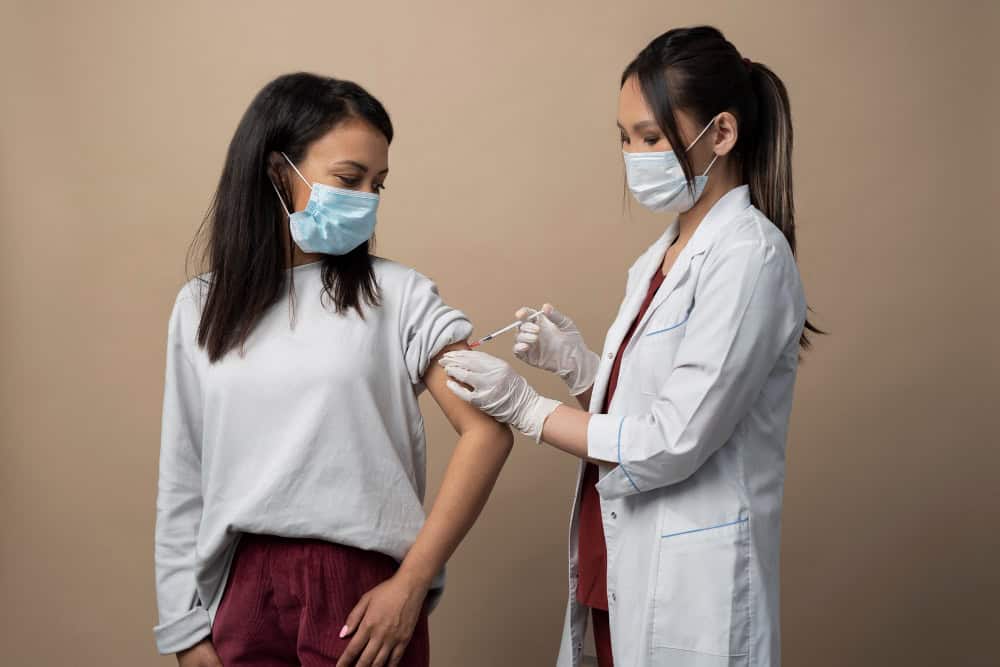
Dr Subita also adds by affirming, “The sooner you get it, the better. The primary target for HPV vaccination is typically girls aged 9-14, ideally before the onset of sexual activity. However, both women and men aged 9-45 can receive the HPV vaccine to safeguard against genital warts and various cancers linked to HPV.” However, the vaccine does not cover all cancer-causing strains of HPV [3]. That’s why vaccination and cervical cancer screening go hand in hand. Even if you’ve been vaccinated, regular screening remains essential to catch any changes early.
You can also explore HPV vaccination options with Tata 1mg, making preventive care easier and more accessible. Explore here!
Remember
On this World Cancer Day, the message isn’t meant to scare you—it’s meant to remind. Your health doesn’t always send loud warnings. Sometimes, it asks for attention in quieter ways. Cervical cancer screening is one of those small, preventive steps that can protect years of life ahead.
If you’re unsure about when or how to get tested, a candid conversation with your healthcare provider can help. Your health is worth that conversation.
FAQs
Q. What can you expect during a cervical cancer screening test?
It’s usually quick and mildly uncomfortable at most. A speculum is used to see the cervix, and a small brush collects cells—it’s over in a few minutes.
Q. Does cervical cancer screening have any kind of risks?
The risks are very minimal. Some women may notice slight spotting or cramps afterwards, but serious complications are rare.
Q. When is the right time to get yourself screened for cervical cancer?
It usually starts at age 21, or within a few years of becoming sexually active. Always remember to continue at regular intervals as advised by your doctor.
Q. What test is usually done to check for cervical cancer or its risk?
The Pap smear checks for abnormal cells, while the HPV test looks for high-risk HPV strains. Sometimes, both are done together.
Q. For a cervical cancer screening test, what is a 2-week rule?
You’re usually advised to avoid intercourse, vaginal medicines, or douching for about two weeks before the test. This can ensure accurate results.
Q. What causes almost every cervical cancer?
Nearly all cervical cancers are due to persistent infection with high-risk HPV (human papillomavirus).
Q. Can a gynaecologist tell you have cancer just by looking at your cervix?
Not reliably. Visual examination can raise suspicion, but tests and biopsies are needed to confirm anything.
Q. How to detect early/silent signs of cervical cancer?
Early stages often have no symptoms at all—which is why regular screening is so important. When symptoms appear, they may include unusual bleeding or discharge.
Q. Can I completely prevent cervical cancer through early screening tests?
Screening can’t prevent HPV infection. However, it can prevent cervical cancer by catching and treating abnormal cells before they turn dangerous.
References
1. Screening for cervical cancer. https://www.who.int/activities/screening-for-cervical-cancer/screening-for-cervical-cancer. Published July 3, 2024.
2. Cervical cancer causes, risk factors, and prevention. Cancer.gov. https://www.cancer.gov/types/cervical/causes-risk-prevention. Published August 2, 2024.
3. Cervical Cancer – ICMR – National Institute of Cancer Prevention and Research. https://cancerindia.org.in/cervical-cancer/.
4. Statistics – ICMR – National Institute of Cancer Prevention and Research. https://cancerindia.org.in/statistics/.
(The article is written by Sneha Jajoo, Intern, Clinical Health & Content, and is reviewed by Dr.Subita Alagh, Assistant Team Lead, Disease Content.)