
High uric acid has become a common health problem today, often caused by busy work routines, unhealthy eating, not drinking enough water, and eating more processed foods. Too much uric acid in the blood can cause gout, joint pain, kidney stones, and long-term kidney issues.
Medications may be needed once uric acid levels are very high; however, diet is vital in controlling uric acid levels on your own. Choosing the right foods can reduce inflammation, improve kidney function, and help excrete uric acid. Dry fruits contain antioxidant compounds and fiber and have anti-inflammatory properties that can assist in maintaining normal uric acid levels when eaten in moderation.
Listed below are five examples of dry fruits that may assist in reducing high uric acid levels, along with how to consume these fruits safely.
1. Almonds
 Almonds are among the top dry fruits to consume for those with high uric acid, as they are low in purines, which can increase uric acid levels when consumed in excess.
Almond Benefits:
- Almonds are high in healthy fats that have anti-inflammatory properties.
- They’re high in magnesium, which is important for healthy kidney function.
- They’re also an excellent source of minerals that help keep your body’s pH levels in balance, which decreases the levels of uric acid that form crystals.
How to Use Almonds:
Soak 5–6 almonds overnight. Eat them in the morning to help with digestion and nutrient absorption.
2. Walnuts

Walnuts are very high in omega-3 fatty acids, which have anti-inflammatory properties. Gout and high uric acid levels are both inflammatory diseases, so adding walnuts to your diet can be beneficial.
Walnuts Benefits:
- Help to reduce inflammation and relieve pain in your joints.
- They promote heart and kidney function.
- They reduce your body’s oxidation levels.
Serving Sizes for Walnuts:
Limit to 2–4 walnut halves per day because they are a high-calorie nut.
3. Cashews
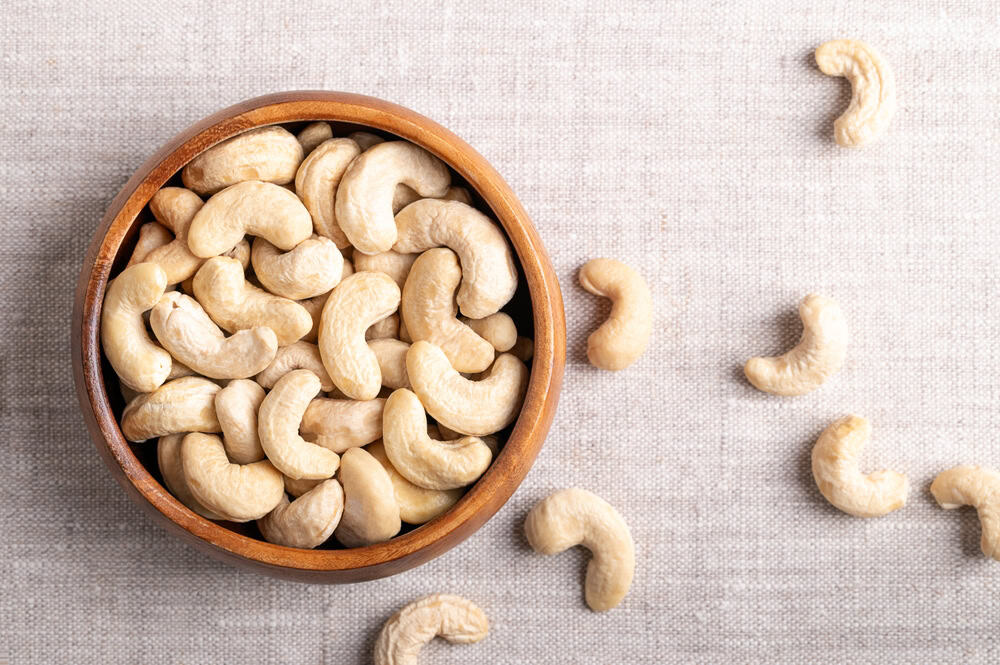 Cashews contain fewer purines than many nuts and are suitable for people with elevated uric acid levels if consumed in moderation.
Cashews Benefits:
- Provide plant protein without a lot of purines.
- Provide antioxidants that support decreased inflammation.
- Promote muscle contraction and nerve function.
Best Use of Cashews:
You can eat 4–5 cashews at a time for the best results. Eating unsalted or oil-roasted cashews is the best way to eat cashews.
4. Raisins
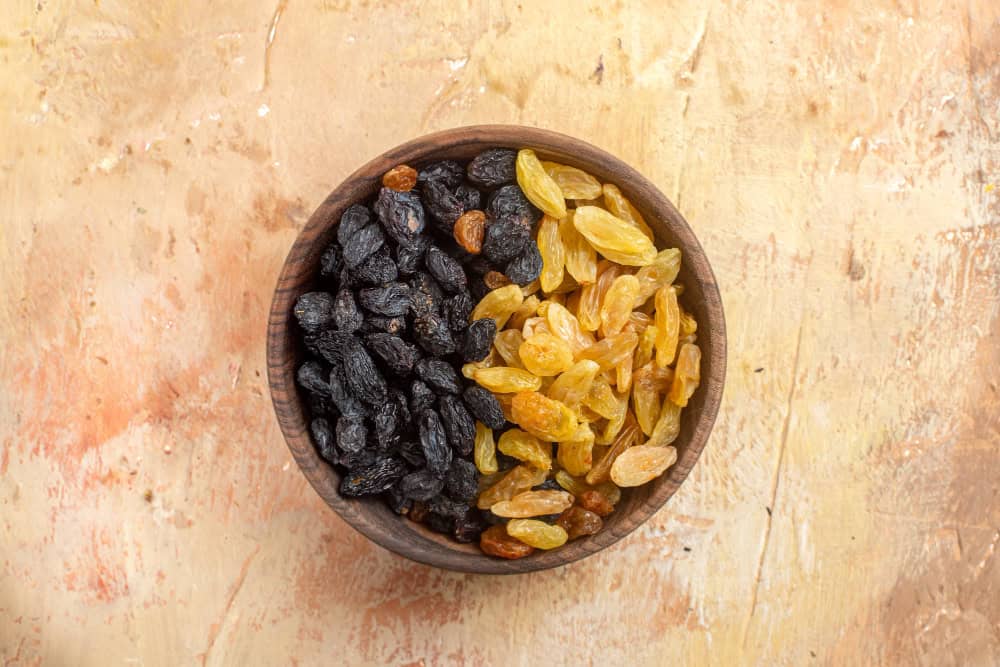
Made from dried grapes, raisins have a naturally low purine content. They help maintain hydration levels and support your kidney function, both of which are necessary to flush excess uric acid out of your body.
Raisins Benefits:
- Help support your body’s natural detoxification process.
- Aid in improving the digestion of food and the regularity of bowel movements
- Include a high level of potassium to promote the healthy functioning of the kidneys.
Portion Size Recommendations:
Raisins can be eaten by soaking approx 8-10 raisins in water overnight and eating them on an empty stomach. Do not eat large portions of raisins due to their high natural sugar content.
5. Dates (In Moderation)

Dates are another nutritious food with a low purine level; however, they must be consumed in moderation due to their high natural sugar content.
Dates Benefits:
- Contain antioxidants that may help reduce inflammation.
- Offer a quick source of energy without creating spikes in uric acid levels.
- To help support the digestive system, if consumed in moderation
Portion Size Recommendations:
You should limit yourself to 1-2 dates a day, especially if you have diabetes or insulin resistance.
How Dried Fruits Can Help Control Uric Acid Levels

Dried fruits can help to control uric acid levels in many ways:
- The low purine level lowers the amount of uric acid made in your body.
- The anti-inflammatory oils help to relieve pain and swelling in your joints.
- The antioxidants in dried fruit help to protect your cells from damage caused by free radical oxidation
The minerals in dried fruit (magnesium and potassium) help your kidneys work more effectively.
However, since dried fruits are calorie-dense, if you eat too much of these foods, it can lead to worsening your overall metabolic health, which can indirectly increase uric acid levels. Always seek advice from a nutritionist or healthcare professional before adding anything new to your diet.
Dry Fruits that should be limited or avoided

There are many dry fruits that you can eat in moderation; however, if you have a high uric acid level, there are also some dry fruits that should be limited:
- Peanuts (have a moderate purine content)
- Sugary, candied, dry fruit
- Salted or oil-roasted nuts
- Choose raw, plain, or soaked dry fruits; not fried, sugar-coated, or roasted.
Lifestyle Tips for Uric Acid Management With Diet

Diet alone won’t provide complete control over uric acid; consider incorporating the following lifestyle tips into your daily routine along with your diet.
- Drink 2.5 to 3 litres of water each day.
- To help reduce uric acid, limit alcohol (especially beer).
- Limit the consumption of red/organ meats.
- Keep a healthy body weight.
- Regularly participate in physical activity.
- If symptoms persist, contact a physician for evaluation.
Summary
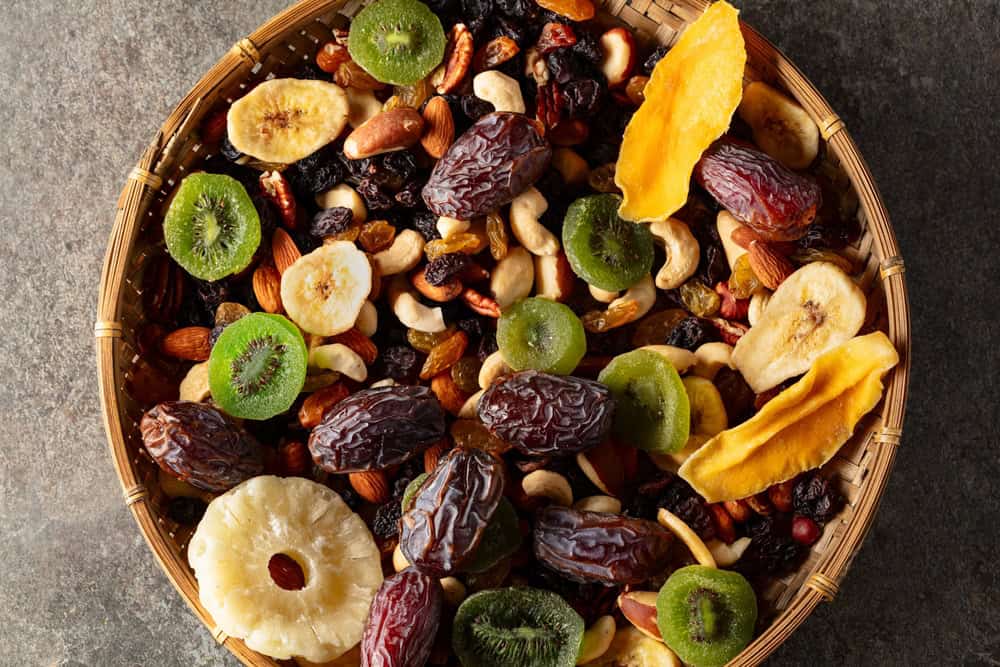 Dried fruit can be a healthy part of your diet, but it is important to eat it only sometimes and in small amounts. Dried fruits offer many of the same nutritional benefits as whole fruits and have lower purine levels. They also contain nutrients that may help reduce inflammation and support kidney health. To lower your uric acid levels safely, eat dried fruit in moderation and follow your doctor’s advice, along with any other lifestyle changes you plan to make.
FAQs
- Can you naturally lower your uric acid levels by using dried fruits?
Dried fruits are not capable of curing high levels of uric acid, but they can assist & regulate high uric levels through the reduction of inflammation and the stimulation of kidney function.
- Are dried fruits such as walnuts and almonds good for gout patients?
Walnuts and almonds are commonly regarded as good options for dried fruit because they are low in purines and offer anti-inflammatory benefits.
- How many servings of dried fruit should I consume daily with high uric acid?
A small to moderate amount of a combined handful of dried fruits is generally considered safe. Overindulgence should be avoided.
- Do soaked dried fruits offer more uric acid control?
Soaked dried fruits are easier to digest, making their nutrients available for your body more easily, while providing better nutrition overall and being less likely to trigger inflammation in your body; therefore, allowing for better uric acid control.
- Does eating raisins increase uric acid levels due to the sugar?
Raisins are low in purines; however, consistent intake of excess sugar may negatively affect metabolism; therefore, moderation is key.
- Can people living with gout safely eat dates?
Dates are low in purines and can be enjoyed; however, the quantity consumed should be limited to decrease the intake of naturally occurring sugar.
- Are dried fruits okay to have during a gout episode?
It’s best to follow your physician’s guidelines and use a plain diet when experiencing an acute episode.
- When should I contact my physician regarding elevated uric acid levels?
You should contact your provider immediately if you experience joint pain, swelling in your joints, or high amounts of uric acid within your system.
Recommended Reads
(The article is written by Deepa Sarkar, Medical Writer, and reviewed by Monalisa Deka, Deputy Manager, Clinical Health & Content, Medical Affairs)