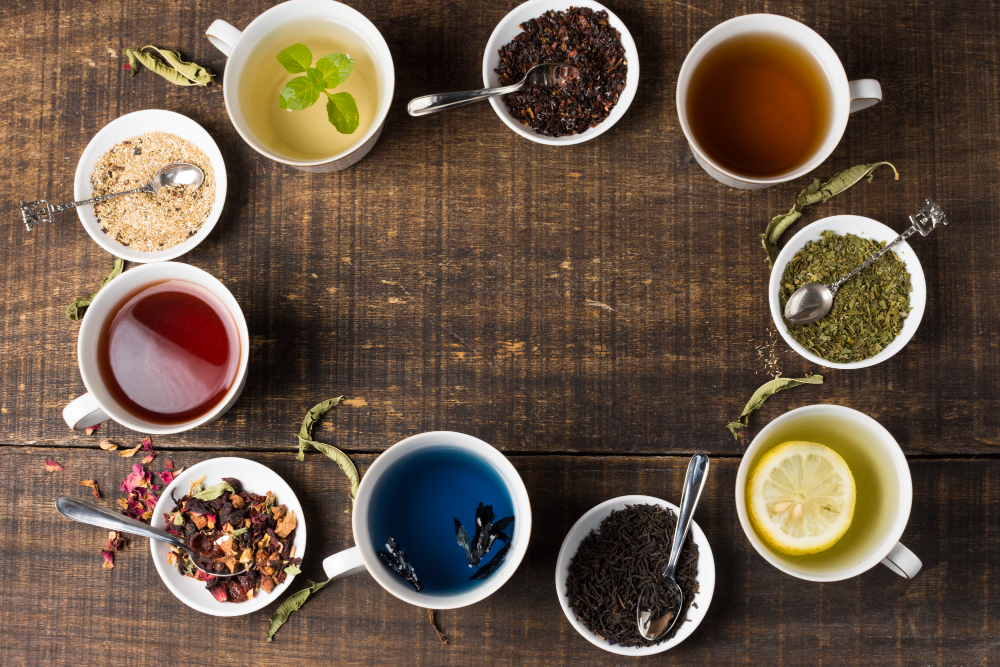
 A steaming cup of tea can be comforting and relaxing for people seeking a healthier lifestyle by replacing sugary drinks with a warm beverage. Numerous options exist, including herbal teas such as green tea, ginger tea, and hibiscus tea. These varieties are popular among those pursuing weight loss because they are easy to prepare and may add beneficial compounds to the diet.
However, scientific evidence supporting the efficacy of most weight loss teas remains limited. Certain teas contain caffeine and catechins, which may exert a modest effect on energy expenditure, while others are primarily consumed for their flavor, hydration benefits, or to alleviate digestive discomfort. Human studies further reflect this inconsistency, as different tea varieties can yield varying outcomes [1, 2].
Most importantly, it should be understood that tea itself cannot bring you an outstanding and consistent fat loss effect. Weight loss teas are described here based on the research that has been done so far and the strength of evidence supporting such tea use concerning weight loss. Here, your brewing times will be given and can be altered according to your taste preferences.
The previous ranking places green tea as the first because it has the most consistent evidence proving effective for weight loss among the beverages mentioned. Along with that, ginger tea is placed next because ginger has had a number of beneficial effects for people. However, it is known that the positive effects of ginger supplementation may not necessarily function the same for a cup of ginger tea. The remaining beverages present either weak or indirect evidence that has to do with losing weight.
8 Herbal Teas for Weight Loss, Ranked by Evidence
1. Green Tea
Brewing time: 2-3 minutes
Green tea is rich in catechins, which include epigallocatechin gallate (EGCG), and often contains caffeine. These components might help increase energy expenditure as well as fat oxidation. In addition, it was seen in 2024 systematic review and meta-analysis that drinking green tea causes a small amount of weight loss, but the quality of the findings was low. Prior findings from the Cochrane Database suggest that the effect of green tea on weight loss is insignificant for most people [1,2].
How to brew: Steep one tea bag or approximately one teaspoon of loose leaves in hot, not vigorously boiling, water. Drink it without added sugar for a low-calorie beverage.
2. Ginger Tea
Brewing time: 5-10 mins
Ginger is full of compounds. Gingerols are one of them. A meta-analysis of 27 randomized controlled trials revealed that drinking ginger does affect body weight and body composition; however, it ranks very low in terms of evidence quality. Also, it mainly reviewed ginger intervention studies and not ginger tea [3].
How to brew: Simmer some pieces of fresh ginger in water for about 5-10 minutes and strain. Ginger tea can offer a delicious substitute for sugary drinks but won’t burn fat.
3. Black Tea
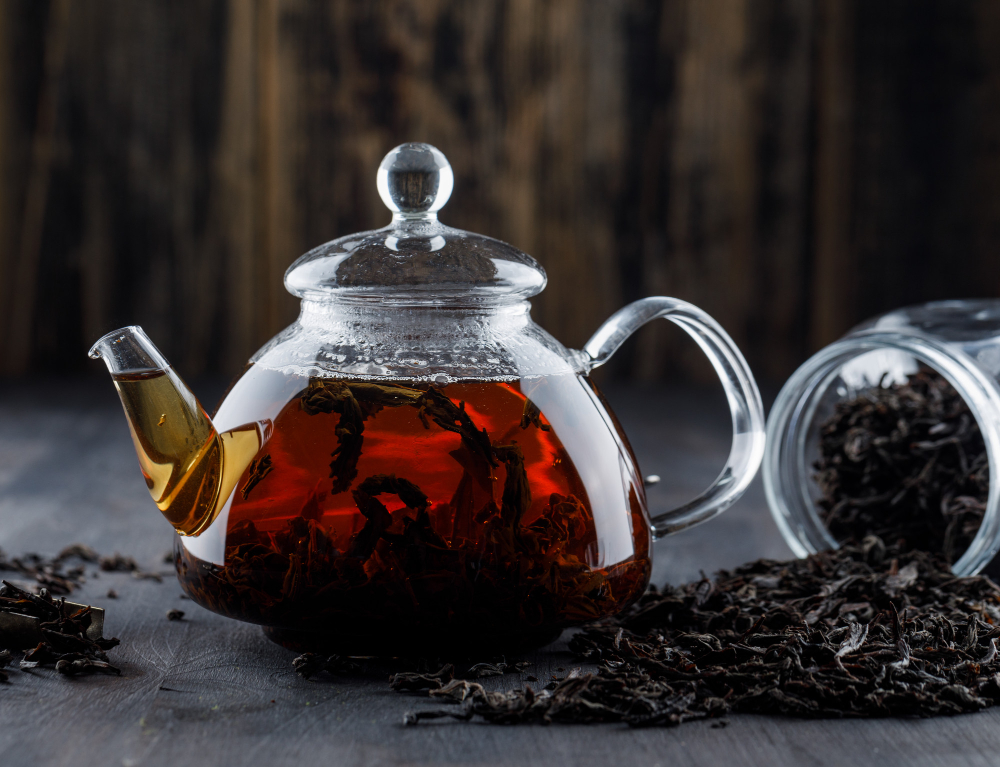
Brewing time: 3–5 minutes
Black tea contains polyphenolic compounds, including theaflavins and thearubigins, which form during the processing of the tea leaves. The bioactive compounds are being researched in terms of their metabolic effects. Nevertheless, clinical studies do not prove that black tea can be considered a reliable solution for weight loss. A recent network meta-analysis did not prove that the drink provides any weight loss benefits in comparison with control drinks [1].
How to brew: Brew one tea bag or teaspoon of black tea for 3–5 minutes in hot water. Sugar should be avoided, and sweetening syrups should be skipped. If you have problems with sleeping due to caffeine, it is better to avoid drinking black tea in the evening.
4. Oolong Tea
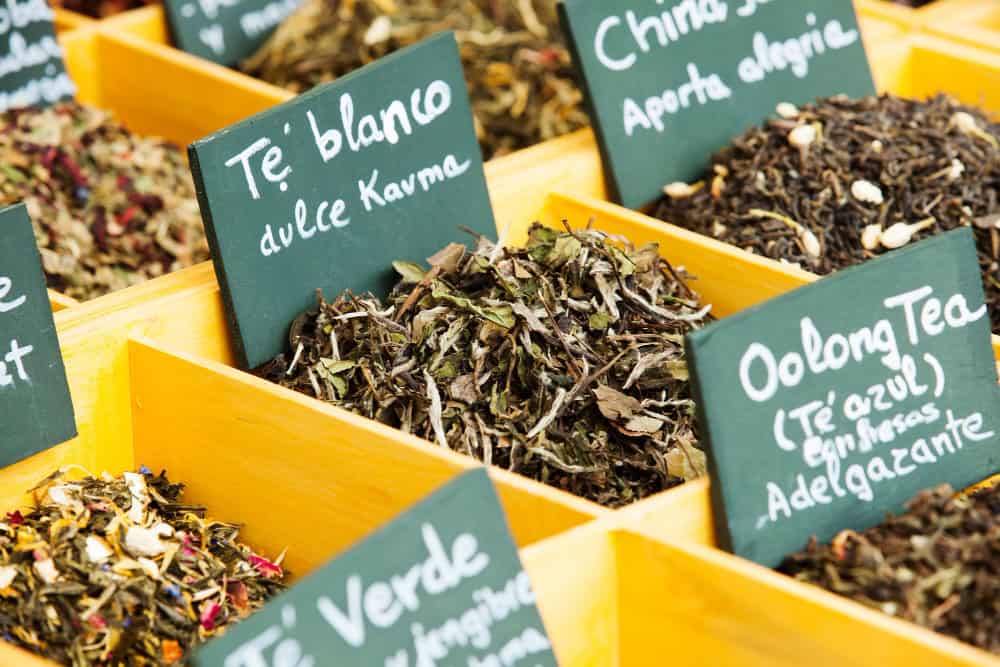
Brewing time: 3–5 minutes
Oolong tea is semi-oxidized and has an intermediate taste between green and black teas. It also contains both polyphenols and caffeine and is therefore interesting for research on metabolism. Though there is not enough evidence from human trials that would allow claiming that oolong tea is capable of providing substantial weight loss.
How to brew: Brew one teaspoon of oolong leaves for 3–5 minutes in hot water. The package instructions should be followed as
5. Hibiscus Tea
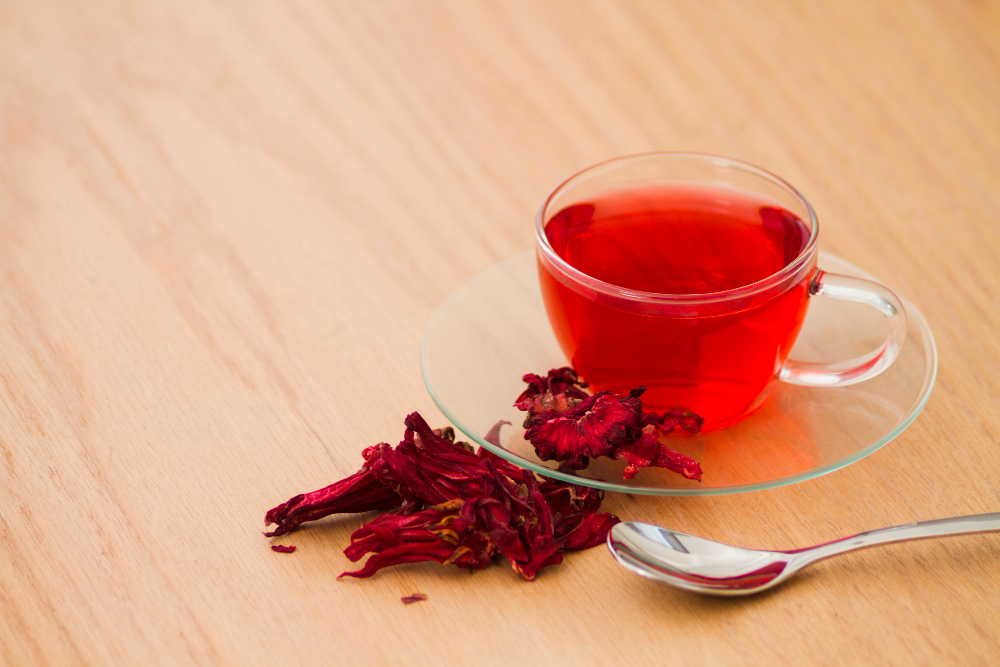
Brewing time: 5-7 minutes
Tea from hibiscus, which is made from the dried calyxes of Hibiscus sabdariffa, has a flavor that is naturally sour and rich in polyphenols and other plant compounds. In a systematic review and meta-analysis of six randomized studies, it was found that there is no considerable advantage in terms of body weight, waist circumference, or BMI. Therefore, it is reasonable to think of hibiscus tea as a refreshing beverage rather than as an effective weight loss product [4].
How to brew: Add dried hibiscus flowers to hot water and steep for 5–7 minutes. Strain and enjoy warm or chilled without added sugar.
6. Cinnamon Tea
Brewing time: 8-10 minutes
Cinnamon contains volatile compounds that have been analyzed for their potential impact on glucose management and metabolism. Nevertheless, the results of cinnamon supplements and extracts are not enough to prove that drinking cinnamon tea leads to weight loss. Its major advantage is that it adds flavor without sugar.
How to brew: Simmer one small cinnamon stick in water for 8–10 minutes. Use it as an occasional unsweetened beverage rather than a treatment for obesity.
7. Peppermint Tea
Brewing time: 5 – 7 minutes.
Peppermint tea is an excellent beverage choice, as it is caffeine-free and hence can be taken anytime. Brewing peppermint tea is not a Herculean task. However, studies on peppermint tea have not demonstrated its effect on appetite or fat loss.
How to brew: Pour boiling water over fresh mint leaves or dried peppermint tea. Let the tea sit for 5 – 7 minutes before serving. Peppermint tea is not the right drink for a person with acid reflux because peppermint aggravates that condition.
8. Rooibos Tea
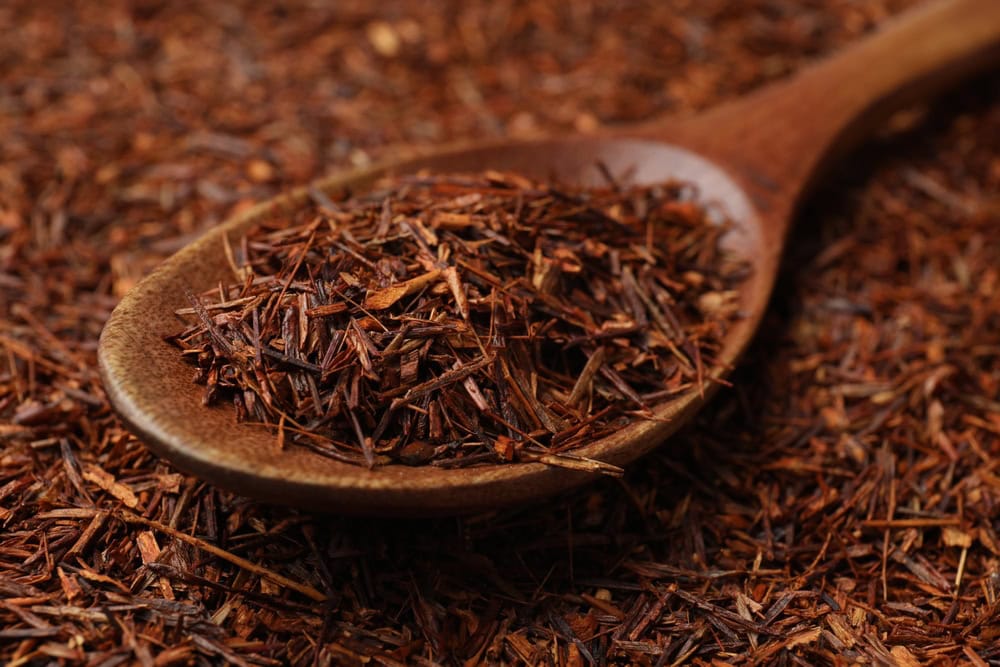
Brewing time: 5 – 7 minutes.
Rooibos tea, made from Aspalathus linearis, is a herbal beverage devoid of caffeine. This tea is rich in polyphenolic compounds and has a mild, sweet taste. In fact, research studies have considered the effect of this tea on weight loss, but there is no proof to support its effectiveness.
How to brew: Prepare rooibos tea by placing a bag of rooibos tea in hot water for the next 5 – 7 minutes.
How to Use Weight Loss Teas Safely ?
Selecting the right teas for weight loss is just a part of an effective plan. Here are some tips that can be helpful in achieving positive results:
- Don’t use sugar: Sweeteners like honey and others also add calories. Using plain tea is usually a better option.
- Caffeine is an issue: Green tea, black tea, oolong teas etc. all have caffeine. If these types of teas are consumed in excessive amounts, adverse effects like palpitation and anxiety may be experienced in sensitive people.
- Avoid detox teas: Detox teas have ingredients that may have a laxative effect, such as senna, which may lead to dehydration and electrolyte imbalance. Any significant decrease in body weight may simply indicate loss of water instead of fat.
- Use whole-leaf or some common tea preparation: It is not equivalent to drinking tea, because concentrated green tea extracts have already been proven to be linked to rare form of liver injuries [5].
- Set realistic expectations: Sustainable weight loss includes a balanced diet, regular workouts, and sufficient sleep, as well as good habits of consumption. Herbal teas can complement these measures but cannot replace them.
Pregnant or breastfeeding women, people taking prescription medication and those with medical conditions are advised to seek the advice of a medical professional before taking herbal remedies. Those who suffer from reflux might also have to steer clear of drinking peppermint tea if it exacerbates their symptoms.
Final Takeaway
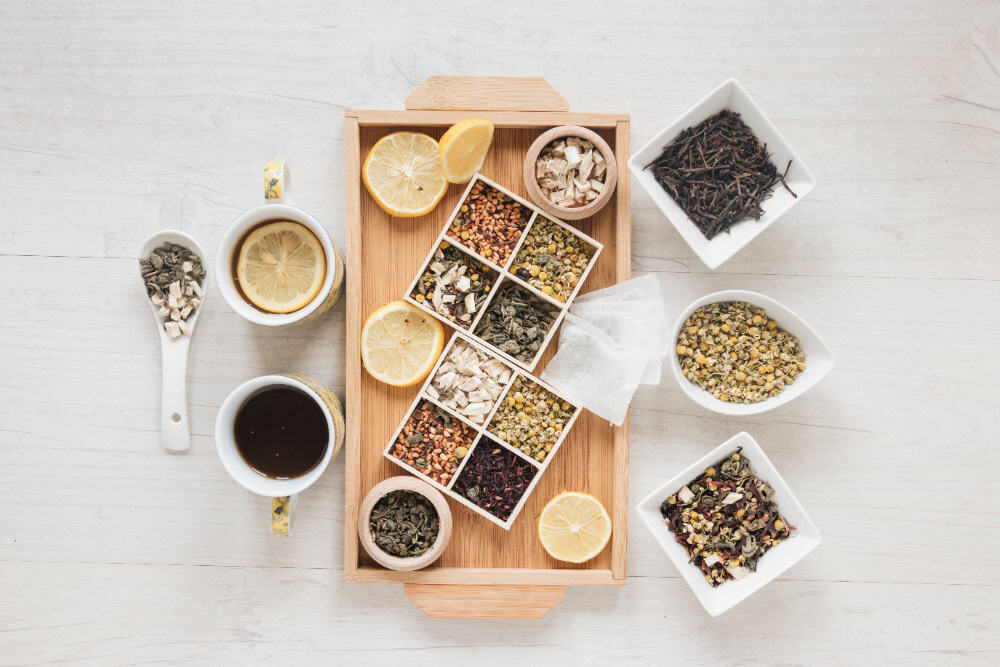
Herbal teas for weight loss can be appealing when they take the place of sugary drinks, especially in a healthy lifestyle. Green tea appears to have the most research behind it, while ginger tea seems to have indirect evidence in terms of potential benefits. For hibiscus, black tea, and many other herbal tea types, there is limited evidence that they significantly help one lose weight.
Instead of taking the path of using weight loss teas for a shortcut to losing weight, it is better to stay on the path of eating healthy, consuming enough protein and fiber, exercising sufficiently, sleeping properly, and developing good eating habits. Make sure you brew your tea at the recommended time, avoid sweetening it as much as possible, and choose the tea types that you like best. Most importantly, stay away from any products that promise to help you lose weight in no time.
FAQs
Q. Which tea is most effective for weight loss?
Out of the eight different types of tea available for weight loss, research proves that green tea is more effective. Nevertheless, what the research shows is that the weight loss caused by drinking green tea is insignificant [1,2].
Q. Do herbal teas help in losing belly fat?
No tea helps with losing fat in a specific part of your body. Thus, losing weight depends on various factors such as clean eating, physical activity, genetics, and many others.
Q. When to drink weight loss tea?
It is recommended to drink unsweetened weight loss tea at any time of day since drinking results in fat loss regardless of the time of day you drink it.
Q. What amount of tea should be consumed daily in order to lose weight?
There isn’t a specific number of cups that is scientifically determined to ensure weight loss. Be sure to take into account your caffeine level of tolerance, any other sources of caffeine intake in addition to ginger tea, and whether your doctor has given any advice in relation to this.
Q. Is ginger tea good for losing weight?
While there is scant evidence directly related to ginger tea, some studies have shown some positive effects from ginger supplementation. It is safe to add ginger tea to a balanced diet, but don’t expect the drink to lead to weight loss results by itself.
Q. Is it appropriate to use honey in weight-loss teas?
Sure if you like it, but honey adds calories and sugar to the drink. If you are trying to cut calories, then it is usually best to drink your tea without sweeteners.
Q. Are detox teas safe when it comes to weight loss?
While many detox teas advertized for weight loss appear safe, not all of them are. Some detox teas contain laxatives that can dehydrate you and cause an electrolyte imbalance, and they may not even have any lasting weight loss effects. Therefore, it is advisable to avoid laxative teas.
Q. How quickly do weight loss teas work?
There are many factors that affect how weight loss teas work including the tea itself, the person’s diet and lifestyle and the amount they drink each day.It should also be noted that there are some people who may not see any results even if they drink weight loss tea on a regular basis.
References
1. Kordi R, et al. Comparative effects of tea and coffee drinking on body weight in adults: a systematic review and network meta-analysis of randomised trials. Br J Nutr. 2025. Available from: https://pubmed.ncbi.nlm.nih.gov/39497467/
2. Jurgens TM, Whelan AM, Killian L, Doucette S, Kirk S, Foy E. Green tea for weight loss and weight maintenance in overweight or obese adults. Cochrane Database Syst Rev. 2021;6(6):CD008650. doi:10.1002/14651858.CD008650.pub2. Available from: https://www.cochrane.org/evidence/CD008650_green-tea-weight-loss-and-weight-maintenance-overweight-or-obese-adults
3. Rafieipour N, Gharbi N, Rahimi H, Kohansal A, Sadeghi-Dehsahraei H, Fadaei M, et al. Ginger intervention on body weight and body composition in adults: a GRADE-assessed systematic review and dose-response meta-analysis of 27 randomized controlled trials. Nutr Rev. 2024;82(12):1651-1665. doi:10.1093/nutrit/nuad149. Available from: https://pubmed.ncbi.nlm.nih.gov/38261398/
4. Dilokthornsakul P, Rattanachaisit N, Thimkorn P, Pongpattanawut S, Dilokthornsakul W, Dhippayom T. Clinical effects of Hibiscus sabdariffa Linn. on obesity treatment: a systematic review and meta-analysis of randomized controlled trials. Complement Ther Med. 2024;84:103063. doi:10.1016/j.ctim.2024.103063. Available from: https://pubmed.ncbi.nlm.nih.gov/38878905/
5. National Institutes of Health, Office of Dietary Supplements. Dietary supplements for weight loss: fact sheet for health professionals. Available from: https://ods.od.nih.gov/factsheets/WeightLoss-HealthProfessional/
(The article is written by Deepa Sarkar, Senior Medical Writer )