
Do you feel bloated, sluggish, or just “off” after meals? Your gut might be asking for some fermented backup. These gut-friendly recipes with fermented foods are simple, budget-friendly, and use ingredients you probably already have in your kitchen.
This guide covers five easy fermented food recipes, explains why they’re good for your gut, and offers simple tips for successful fermentation at home.
Why Are Fermented Foods Good for Gut Health?
Fermented foods are simply foods or drinks where controlled bacterial or microbial growth breaks down their natural components through enzymatic action [1]. Fermented foods contain live bacteria that support a healthy gut microbiome, the community of microbes living in your digestive system. That’s why so many traditional Indian foods, like curd and idli batter, are naturally fermented.
Additionally, fermentation breaks down some of the harder-to-digest compounds in food, which can make nutrients easier for your body to absorb. For example, fermented dairy is often easier on the stomach than fresh milk for people who are lactose-sensitive[2].
Even better, you don’t need fancy equipment or imported ingredients to enjoy these benefits. These gut-friendly recipes with fermented foods use pantry staples and a little patience.
5 Simple Fermented Food Recipes for a Happier Gut
1. Homemade Curd (Dahi)

Curd is the easiest fermented food to make at home, and it’s a daily staple in most Indian kitchens.
What you need: 1 litre of milk, 2 tablespoons of curd (as a starter)
How to make it:
- Boil the milk, then let it cool until lukewarm
- Stir in the curd starter and mix well
- Cover and leave undisturbed for 6-8 hours in a warm spot
- Refrigerate once set
That said, warmer weather speeds up fermentation, so check it a little earlier during summer months.
2. Kanji (Fermented Carrot-Beet Drink)
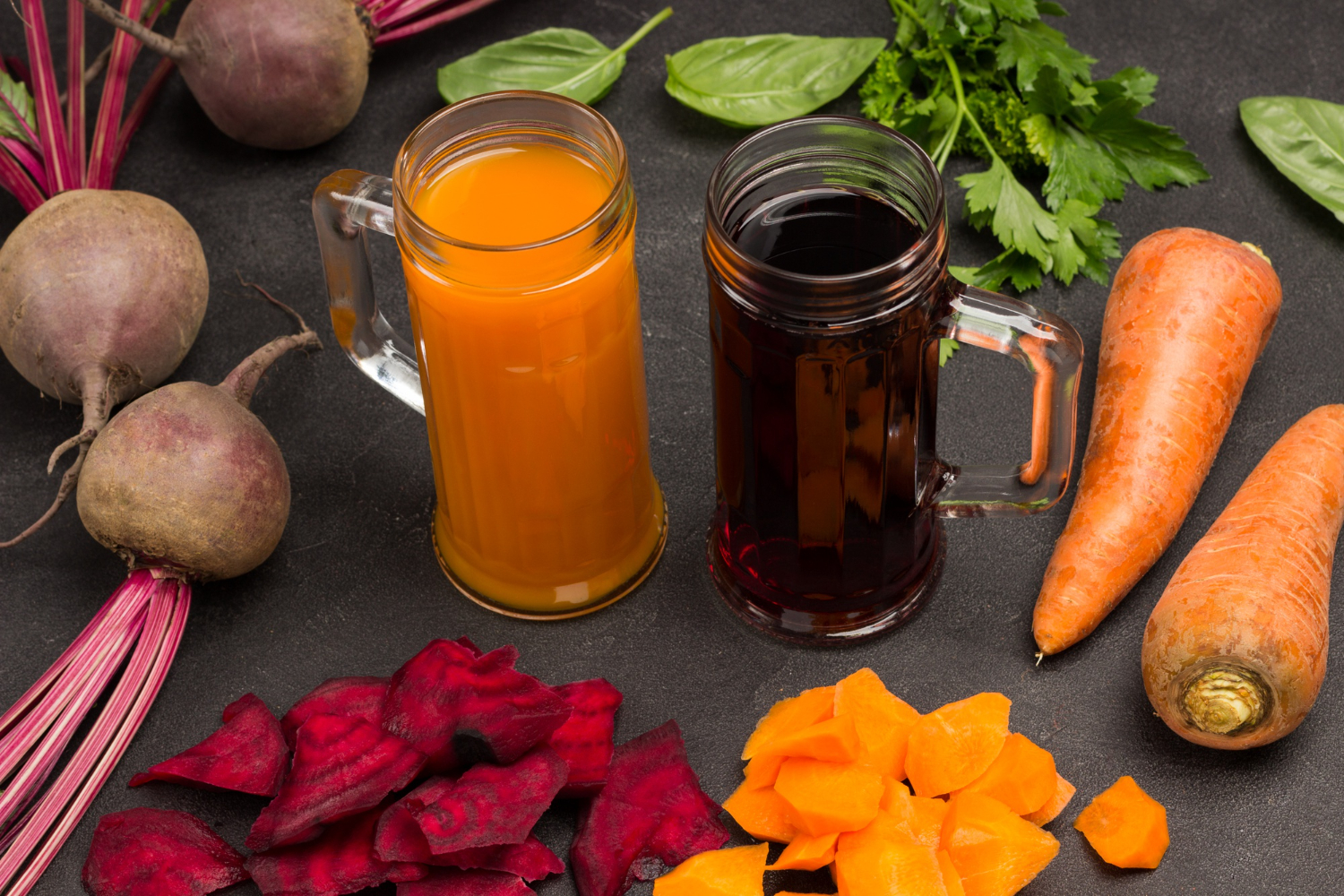
Kanji is a tangy, probiotic-rich drink popular in North India, especially during winter.
What you need: 2 black carrots (or regular carrots), 1 small beetroot, 2 tablespoons mustard seeds (crushed), black salt, water
How to make it:
- Chop the carrots and beetroot into thin strips
- Add them to a large glass jar with crushed mustard seeds and black salt
- Fill with water, cover with a cloth, and leave in sunlight for 3-4 days
- Stir once daily and taste-test for tanginess
In contrast to curd, kanji takes longer to ferment, but the wait is worth it for that distinct tangy kick.
3. Idli or Dosa Batter

Idli and dosa batter is a fermented staple across South India, and it’s easier to make than most people expect.
What you need: 2 cups rice, 1 cup urad dal (split black gram), water, salt
How to make it:
- Soak rice and urad dal separately for 4-6 hours
- Grind both into a smooth batter, adding water as needed
- Mix the batters together, add salt, and cover
- Leave in a warm spot for 8-10 hours, or overnight, until it rises
Plus, once fermented, this batter keeps well in the fridge for a few days, so you can make fresh idlis or dosas whenever you like.
4. Quick Pickled Vegetables
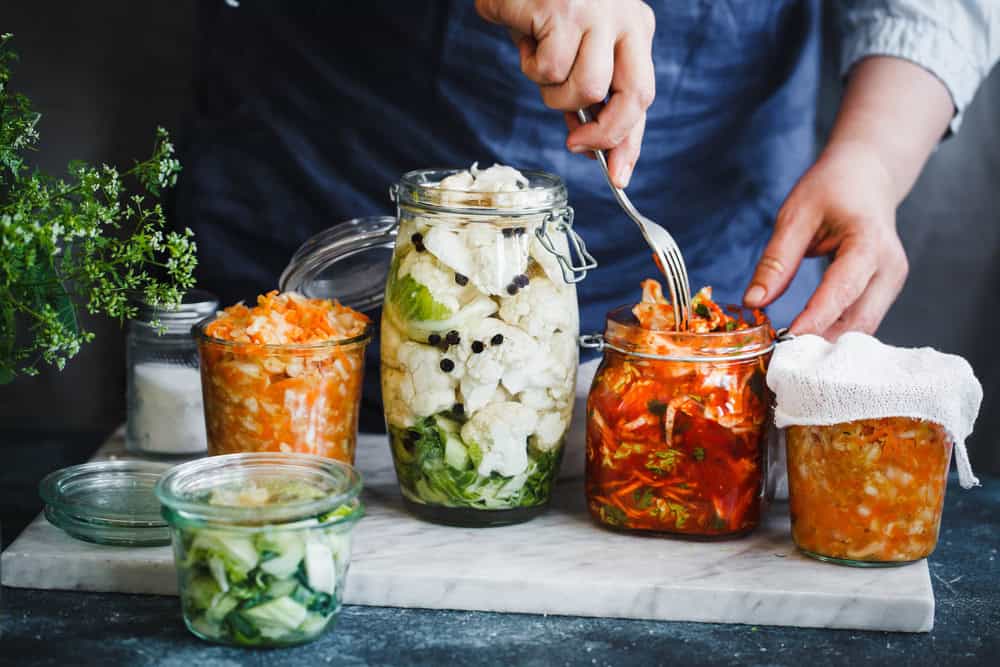
This dish is one of the fastest fermented recipes here, and it works with almost any vegetable you have.
What you need: Carrots, radish, or cauliflower, 2 cups water, 2 tablespoons salt, 1 tablespoon vinegar (optional, speeds things up)
How to make it:
- Chop vegetables into bite-sized pieces
- Dissolve salt in water to make a brine
- ack vegetables into a clean glass jar and pour in the brine
- Cover loosely and leave at room temperature for 2-3 days, then refrigerate
However, keep the jar’s lid loose rather than airtight during fermentation, since trapped gas needs somewhere to escape.
5. Buttermilk (Chaas)

Chaas is a light, cooling fermented drink that doubles as a gut-friendly digestive aid after meals.
What you need: 1 cup curd, 2 cups water, roasted cumin powder, black salt, fresh coriander or mint
How to make it:
- Whisk curd and water together until smooth
- Add roasted cumin powder and black salt to taste
- Garnish with chopped coriander or mint
- Serve chilled, ideally after a meal
Meanwhile, this one doesn’t need extra fermentation time since it’s made straight from already-fermented curd, making it the quickest recipe on this list.
Also read: Indian Fermented Foods That Make Summer Easier on Your Gut
Tips for Making Gut-Friendly Fermented Foods at Home
However, a few simple habits can help you get fermentation right every time:
- Always use clean, dry jars and utensils to avoid unwanted bacteria
- Keep fermenting foods away from direct heat sources like stovetops or ovens; a warm kitchen corner works well. (Note: sunlight-based ferments like kanji are an exception).
- Taste-test as you go, fermentation time can vary based on weather and temperature
- Store finished ferments in the fridge to slow down further fermentation
Additionally, if you notice mold, an unpleasant smell, or unusual colors, discard the batch and start fresh rather than risk it.
Always Remember
These gut-friendly recipes with fermented foods are simple enough for a beginner, yet rewarding enough to become a regular part of your kitchen routine. Whether you start with a bowl of curd or work your way up to kanji, your gut will thank you for the variety.
That said, homemade versions are usually the better choice when you have the time to make them. Plus, watch your portions with high-salt ferments like pickles, since too much salt can offset the gut benefits. The probiotic upside is real, but balance still matters.
FAQs
How often should I eat fermented foods for gut health?
Including a small serving daily, like a bowl of curd or a glass of chaas, is a reasonable starting point for most people. There’s no fixed universal amount, so let your body’s response guide you.
Can fermented foods cause bloating?
Yes, for some people, especially when starting out. The discomfort usually settles as your gut adjusts, but reduce your portion size if bloating persists.
Is homemade curd better than store-bought?
Homemade curd typically has a more active culture since it’s freshly set, though good-quality store-bought curd works too if you don’t have time to make your own.
Can I ferment vegetables without salt?
Salt plays a key role in safe fermentation by controlling harmful bacteria growth, so it’s not recommended to skip it entirely.
Why did my fermented food turn moldy?
This issue usually happens due to unclean jars, insufficient salt, or vegetables not fully submerged in the brine. When in doubt, discard the batch.
Are fermented foods safe during pregnancy?
Most traditional fermented foods like curd and idli batter are generally considered safe during pregnancy, but check with your doctor about specific ferments like kanji or unpasteurized items.
Can diabetics eat fermented foods?
Some research suggests fermented foods may support better blood sugar control and reduce inflammation markers in people with type 2 diabetes [3]. That said, fermented foods work alongside your treatment plan, not as a replacement for medication or monitoring, so check with your doctor before making major dietary changes.
References:
1. National Center for Complementary and Integrative Health. Probiotics: What You Need To Know [Internet]. Bethesda (MD): NIH; [cited 2026 Jul 1]. Available from: https://www.nccih.nih.gov/health/probiotics-usefulness-and-safety
2. Impact on the Gut Microbiota and Effects on Gastrointestinal Health and Disease. Nutrients. 2019 Aug 5;11(8):1806. doi: 10.3390/nu11081806. PMID: 31387262; PMCID: PMC6723656. Available from: https://pmc.ncbi.nlm.nih.gov/articles/PMC6723656/
3. Chan MZL, Baxter FA, Larsen N. The impact of botanical fermented foods on metabolic syndrome and type 2 diabetes: a systematic review of randomised controlled trials. Nutr Res Rev. 2023. Available from: https://pmc.ncbi.nlm.nih.gov/articles/PMC6678017/
(The article is written by Nancy Dixit, Associate Manager, Clinical Health & Content, Medical Affairs, and reviewed by Monalisa Deka, Deputy Manager, Clinical Health & Content, Medical Affairs)
Recommended Reads:
5 Fermented Foods For Gut Health That You Should Have Before Winter
From Leftovers to Superfood: The Health Power of Fermented Rice