
When summer reaches its peak, your digestion is usually the first thing to suffer. There is something about summer that changes the way we eat. Heavy meals suddenly feel exhausting, oily snacks lose their charm, and the body starts craving foods that feel lighter, cooler, and easier to digest. Interestingly, Indian kitchens have had answers to these challenges for generations. Long before gut health became a wellness trend, fermented foods were already a regular part of traditional summer eating. These foods are not just refreshing in the heat; they may also help digestion, support gut bacteria, and make heavy summer days feel a little easier on the body. If summer has left you feeling sluggish in your digestion, here are some Indian fermented foods to keep your gut happy during the season.
Why Fermented Foods Feel So Good for the Gut
Fermented foods have been part of traditional diets for centuries, long before anyone started using terms like “gut microbiome” or “probiotics.” The basic idea is simple: during fermentation, beneficial microorganisms like bacteria or yeast break down parts of the food naturally. This process not only changes the taste and texture but may also make certain foods easier to digest.
Many fermented foods naturally contain probiotics, which are beneficial bacteria that may help support gut health and digestion. A healthier gut is increasingly being linked with everything from better digestion to improved immunity and overall well-being. That is probably why fermented foods often feel especially comforting in summer, when heavy meals, dehydration, and digestive discomfort tend to become more common. Sometimes the foods that feel the most refreshing are also the ones your gut quietly appreciates the most.
Best Indian Fermented Foods For Your Gut
Chaas
Chaas, also known as buttermilk, is a light, hydrating drink that is high in beneficial bacteria and ideal for the summer. According to senior Ayurveda expert Dr. Deepak Kumar Soni, buttermilk is one of the best natural cures throughout the summer season, particularly for digestive issues such as indigestion and bloating. It cools the system, helps digestion, and replaces electrolytes lost via perspiration. Adding a sprinkle of roasted cumin powder and rock salt improves both the taste and the digestive effects.
Curd (Dahi)
Plain homemade curd is one of the simplest yet most beneficial Indian fermented foods.It contains live Lactobacillus bacteria that improve digestion, reduce bloating, and support a healthy gut lining. Research also suggests regular curd consumption can strengthen the immune response. In summer, eat it as curd rice, mix it into raita, or have a small bowl on its own between meals. Just make sure you are using fresh, homemade, or minimally processed curd since heavily sweetened commercial versions offer far less benefit.
Kanji
While black carrot kanji is popular during early spring, a lighter summer version made with beetroot and regular carrots works wonders for your gut. Fermented in water with mustard seeds and sunlight, this tangy drink is rich in wild yeast and beneficial bacteria. It acts as a natural digestive tonic. A small glass before lunch prepares your stomach to digest food efficiently, even on the hottest days.
Khaman Dhokla
Snacking in summer is tricky because fried foods sit heavily in the stomach. Dhokla solves this problem beautifully. Made from a fermented batter of gram flour and steamed to perfection, it is incredibly light and airy. The fermentation pre-digests the proteins in the chickpeas, meaning you get a solid energy boost without the uncomfortable bloating that usually follows heavy snacks.
Curd Rice
Curd rice is one of those meals that looks simple but feels deeply comforting after a long, exhausting summer day. The combination of rice and fermented curd is easy to digest and soothing on the stomach, especially when the heat starts affecting appetite and digestion. The probiotics naturally present in curd may help support healthy gut bacteria, while the cooling nature of the dish makes it particularly popular in South India during the summer. Many people also find that curd rice feels gentler on the stomach compared to oily or spicy meals in hot weather.
Homemade Pickles
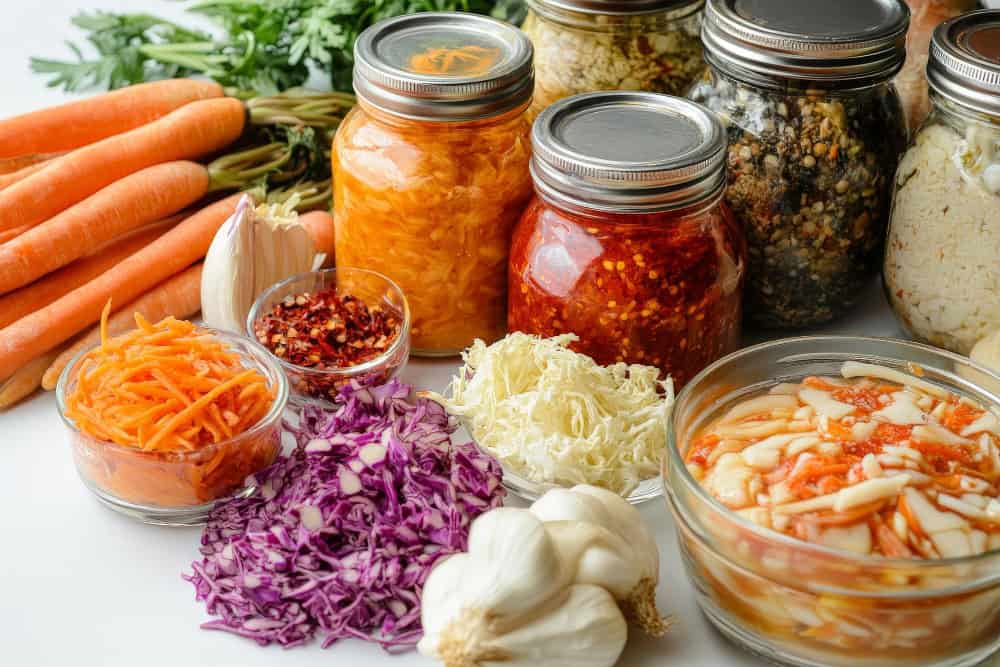
Not every pickle is fermented, but many traditional Indian homemade pickles go through natural fermentation while sitting in oil, salt, and spices over time. Fermented pickles develop their signature tanginess because of microbial activity, which may also support gut health in moderation. Summer mango pickles are a classic example in many households. Of course, because pickles can be high in salt and oil, they are best enjoyed as small accompaniments rather than large portions. Still, a little fermented achar alongside meals has long been part of Indian eating traditions.
Gundruk
Gundruk is a fermented leafy green vegetable common in the cuisines of Sikkim, Nepal, and the northeastern states of India. Vegetables like mustard leaves or radish greens are wilted, packed tightly, and left to ferment for several days. The result is sour, nutrient-dense, and rich in probiotics and organic acids that support gut health. It is used in soups, stir-fries, and chutneys. If you have access to it, adding gundruk to your summer meals is an easy way to increase both probiotic intake and dietary fiber at the same time.
Watch Out For This
Not everything labeled fermented is actually good for your gut. Many commercial versions of curd, chaas, and kombucha are pasteurized after fermentation, which kills the live bacteria entirely. Always check the label for terms like “live cultures” or “contains active cultures.” Homemade versions are almost always a better option when possible. Also, fermented foods with very high salt content, like some pickles, are best eaten in small quantities. The probiotic benefit is real, but balance still matters.
(The article is written by Ehsan Siddiqui, Team Lead and reviewed by Monalisa Deka, Deputy Manager, Clinical Health & Content, Medical Affairs)
Recommended Reads:
Stay Cool, Hydrated, and Energised With These Summer Foods
Protein for Vegetarians: 7 High-Protein Foods That Are Not Paneer