
Walk into any fruit store today, and you’ll spot it instantly, that hot pink fruit with the spiky green crown sitting on the shelf. That’s dragon fruit. Once considered rare and exotic, this tropical fruit is now a regular pick for anyone trying to eat a bit healthier without giving up on taste. Beyond making your breakfast bowls look incredible, it is loaded with essential nutrients, antioxidants, and healthy fiber. But is it really the ultimate superfood everyone claims it to be? Can everyone enjoy it safely? And are there any side effects you should know about? In this article, we’ll explore the science-backed health benefits of dragon fruit and everything else you need to know about this fruit.
What Is Dragon Fruit, & Why Is It Becoming So Popular?
While it may look like a mythological dragon egg from George R.R. Martin’s fantasy world, dragon fruit, also known as pitaya, actually grows on a climbing cactus. Originally native to Central America, it is now widely cultivated across Asia and has become a staple in Indian markets.

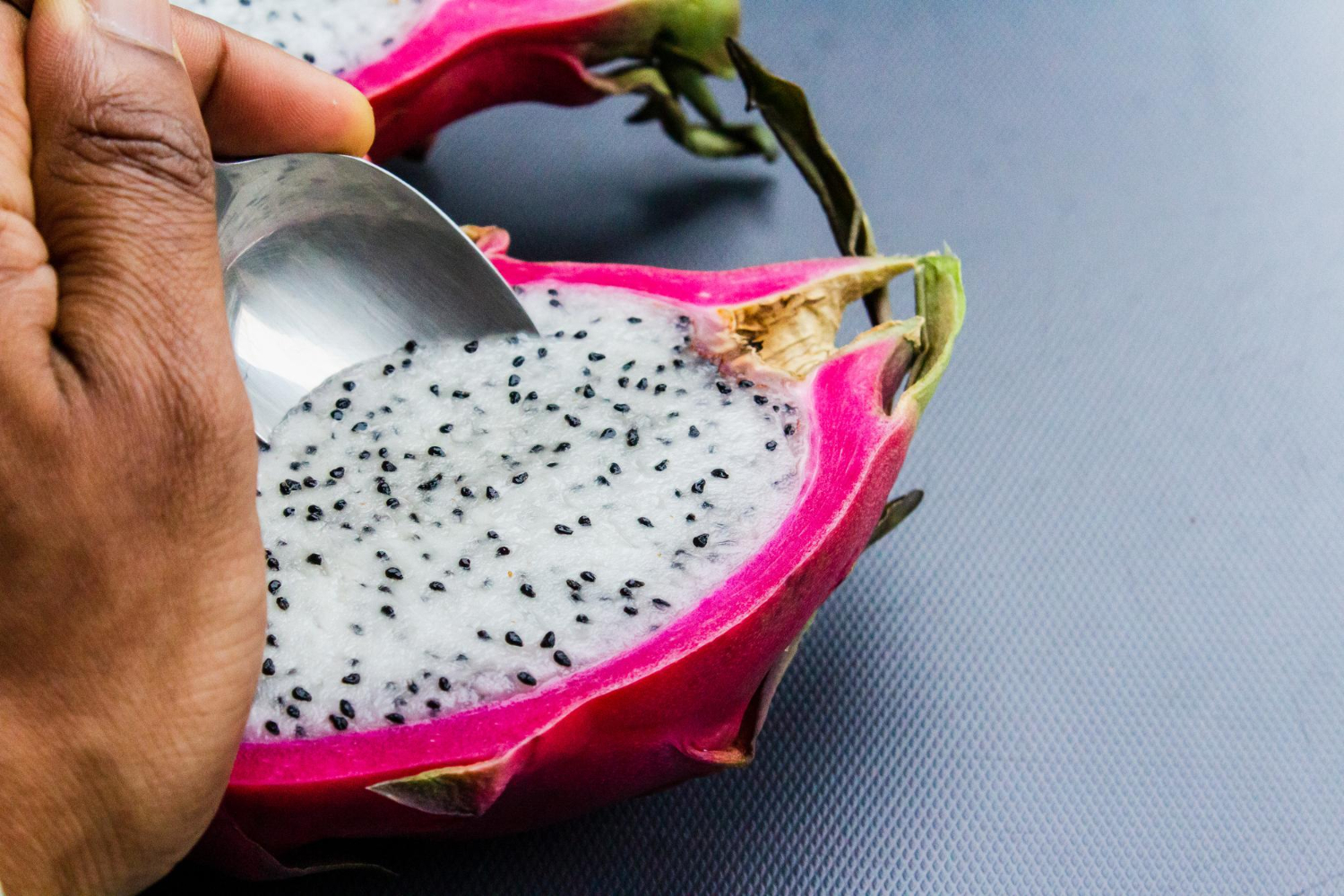
The fruit itself is hard to miss. Bright pink or yellow skin covers a soft, juicy interior dotted with tiny black seeds, similar in texture to kiwi. For a fruit that tastes pleasantly sweet, it is surprisingly low in calories. One cup of dragon fruit has around 100 calories, along with a decent dose of fibre, vitamin C, iron, and magnesium. Social media exposure, wellness trends, and its striking appearance on plates have all played a part in this fruit becoming so popular lately and making its way to our fruit bowls.
Different Types of Dragon Fruit
If you buy a few different dragon fruits, you will quickly realize they are not all the same inside. And knowing the difference helps when you’re picking one at the store. The most common variety in India is the white-fleshed, pink-skinned type, which is mildly sweet and easiest to find. There’s also a red-flesh version with deeper colour and a slightly sweeter taste, though it’s a little harder to find and may cost more. A third type, yellow dragon fruit with white flesh, is rarer in Indian markets but considered the sweetest of the three. Nutritionally, all three varieties are quite similar and offer fibre, vitamins, minerals, and beneficial plant compounds. So, unless you’re after a particular favorite color, whichever variety you pick can be a healthy addition to your diet.
Benefits of Dragon Fruit
Supports Gut Health
Dragon fruit is packed with fibre, and that alone makes a difference to digestion. It helps keep bowel movements regular and eases constipation, something a lot of us deal with more than we admit. It also works as a prebiotic, feeding the good bacteria in your gut like lactobacillus and bifidobacteria. A healthier gut microbiome isn’t just about digestion either; it plays a role in immunity and overall wellbeing too.
Rich in Antioxidants
The bright pink and red hues in dragon fruit come from betalains and other plant pigments, and these double up as powerful antioxidants. They help neutralise free radicals, the unstable molecules that damage cells over time and contribute to ageing and chronic disease. Along with betalains, it contains flavonoids and phenolic compounds, giving your body a wider range of protection with every bite.
Supports Immunity
Dragon fruit is one of the foods that is rich in vitamin C, and that’s directly linked to immune function. Vitamin C helps your body produce white blood cells, which are your first line of defence against infections. Add the fruit’s other antioxidants to the mix, and you get a fruit that supports your body’s natural defences without needing a supplement or a multivitamin.[1]
May Help Manage Blood Sugar
Dragon fruit has a low glycemic index, meaning it doesn’t spike your blood sugar the way many other sweet fruits can. Its fibre content also slows down sugar absorption, keeping levels more stable through the day. Some early research even points to potential benefits for people managing insulin resistance, though this is still an area experts continue to study. [2]
Promotes Heart Health
Your heart benefits heavily from the natural dietary fiber and powerful antioxidants found in dragon fruit. The high fiber content actively helps manage cholesterol levels by sweeping excess away, which keeps your arteries much clearer. At the same time, vibrant antioxidants like betalains step in to protect your blood vessels from daily oxidative stress. It will not magically cure heart disease, but eating it regularly offers fantastic natural support for your cardiovascular system [3].
Good for Skin
The antioxidants in dragon fruit help fight oxidative stress, one of the main reasons skin ages faster than it should. Vitamin C in the fruit also supports collagen production, which is what keeps your skin firm and helps wounds heal properly. You still need a proper skincare routine for visible results, but eating foods like this gives your skin some support from within, and that’s worth factoring into your diet.
Is Dragon Fruit Safe for Everyone?
For most people, dragon fruit is safe and easy on the body, but a few exceptions are worth knowing. People with known fruit allergies should be cautious, as dragon fruit can occasionally trigger mild reactions like swelling or itching in the mouth. Its natural red pigment can also turn urine or stool slightly red or pink, which is harmless but can be alarming if you don’t expect it. Those on blood sugar or blood pressure medication should check with a doctor before eating it regularly, since it can influence both. One small to medium dragon fruit, or about a cup of it, is generally considered a safe daily amount for most healthy adults.
FAQs
Can I eat dragon fruit every day?
Yes, one small fruit a day works fine for most healthy adults.
Is dragon fruit good for weight loss?
It can help, since it’s low in calories but keeps you full thanks to the fibre.
Does dragon fruit help with skin glow?
It can, the vitamin C in it supports collagen and helps protect your skin.
Does dragon fruit turn urine red?
It can happen sometimes because of its natural pigments, but it’s nothing to worry about.
References
1- Pansai N, Detarun P, Chinnaworn A, Sangsupawanich P, Wichienchot S. Effects of dragon fruit oligosaccharides on immunity, gut microbiome, and their metabolites in healthy adults: a randomized double-blind placebo-controlled study.
2- Poolsup N, Suksomboon N, Paw NJ. Effect of dragon fruit on glycemic control in prediabetes and type 2 diabetes: a systematic review and meta-analysis.
3- Cheok A, Xu Y, Zhang Z, Caton PW, Rodriguez-Mateos A. Betalain-rich dragon fruit (pitaya) consumption improves vascular function in men and women: a double-blind, randomized controlled crossover trial. Am J Clin Nutr.
(The article is written by Ehsan Siddiqui, Team Lead and reviewed by Monalisa Deka, Deputy Manager, Clinical Health & Content, Medical Affairs)
Recommended Reads:
5 Fermented Foods For Gut Health That You Should Have Before Winter
From Leftovers to Superfood: The Health Power of Fermented Rice