
Dark armpits can make you hesitate to wear a sleeveless top. You’re not alone here. This condition is one of the most common skin concerns doctors hear about, and it’s rarely a sign of anything serious. That said, it can dent your confidence, especially in the summer. The good news? You don’t always need a fancy clinic visit. Several dark armpit home remedies use simple kitchen ingredients backed by real skin science. However, before you try anything, it helps to understand why your underarms darkened in the first place. In this post, we’ll walk through the common causes and six natural, doctor-approved remedies you can try at home – plus when it’s time to see a dermatologist instead.
What Causes Dark Armpits?

Meanwhile, let’s answer the question everyone asks first: why do armpits go dark? Underarm skin has more sweat glands, oil glands, hair follicles, and moisture loss than skin elsewhere on your body, which makes it naturally more prone to irritation and pigment changes [1]. Here’s what usually triggers it:
1. Shaving or Waxing Too Often

Repeated hair removal irritates the skin, and this irritation triggers extra melanin (pigment) production over time [2]. A blunt razor or waxing without proper prep worsens the situation, since each pull or nick adds another round of micro-injury. Over months, these small irritations lead to visibly darker skin.
2. Harsh Deodorants or Antiperspirants

Fragrances and alcohol in some products can inflame sensitive underarm skin. If you notice itching, redness, or a burning feeling right after applying, that’s a sign your product is triggering this cycle. Switching to a fragrance-free formula usually helps within a few weeks.
3. Friction From Tight Clothes

Constant rubbing from snug tops or bras darkens the skin gradually. This is especially common with synthetic fabrics that trap sweat and heat against the skin all day. Loose, breathable cotton gives your underarms room to breathe and heal.
4. Dead Skin Buildup

Sweat, product residue, and unexfoliated skin cells dull the area over time. Since underarms rarely get proper attention during a regular shower, this buildup lingers longer than it would elsewhere on your body. Left alone, it makes the skin look flat and greyish rather than smooth.
5. Excess sweating (Hyperhidrosis)

If your underarms stay sweaty most of the time, the constant moisture can irritate the skin and make it more prone to darkening. It can also encourage the growth of bacteria, which may further irritate the area. Over time, this ongoing irritation can lead to increased pigment production, making the underarms look darker.
6. Obesity, PCOS, Diabetes or Insulin Resistance

These can trigger a condition called acanthosis nigricans, which causes thick, velvety dark patches. Unlike simple irritation, this type of darkening usually comes with a change in skin texture, not just color. It’s also more likely to show up alongside skin tags in the same area [13].
7. Hormonal Shifts

Puberty, pregnancy, and certain hormonal disorders can all deepen pigment. Rising hormone levels stimulate the same pigment-producing cells responsible for skin color everywhere else on your body. In most cases, this type of darkening fades on its own once hormone levels settle.
8. Genetics
For some people, their underarms are naturally a shade or two darker – and that’s completely normal. This is simply how your body distributes pigment, similar to how some people have darker knees or elbows. No remedy will “fix” the issue completely, since there’s nothing to fix.
Other Possible Causes of Dark Underarms
Most dark armpits are caused by the everyday triggers above, but if home remedies haven’t worked after a couple of months, one of these less common conditions could be behind it. These are worth flagging to a doctor rather than treating them on your own [8-12]:
- Melasma: A common pigmentation disorder that causes dark patches on the skin, usually on the face. Although it’s uncommon, it can sometimes contribute to skin darkening in other areas, including the underarms.
- Erythrasma: A bacterial skin infection that causes reddish-brown or dark patches, especially in warm, sweaty areas like the underarms.
- Addison’s disease: A rare condition that affects the adrenal glands and can lead to darkening of the skin, including the armpits.
- Fox-Fordyce disease: An uncommon disorder of the sweat glands that can cause itchy bumps along with changes in underarm skin color.
- Smoking: Smoking can increase melanin production over time, making the skin appear darker.
6 Home Remedies for Dark Armpit That Actually Work
That said, once you know your trigger, you can pick the right fix. Here are six natural, budget-friendly options worth trying.
1. Diluted Lemon Juice
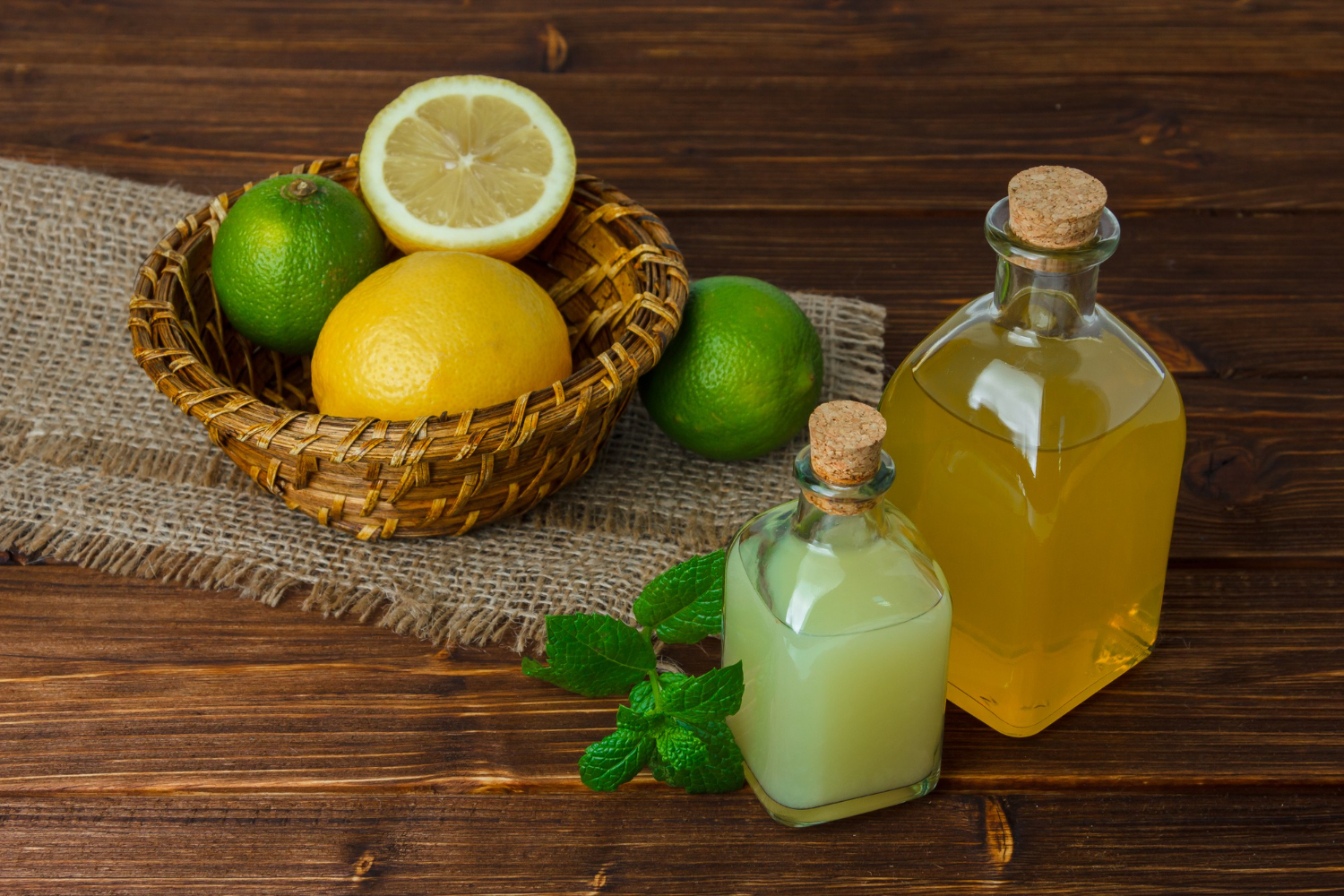
For example, lemon is probably the most talked-about home remedy for pigmentation, and there’s real reasoning behind it. Lemon is rich in vitamin C, which calms down an enzyme called tyrosinase that your skin uses to produce pigment. A review of vitamin C studies found it genuinely helps fade melanin-related dark spots when used consistently [3]. Mix a few drops of lemon juice with water or honey, dab it on clean, dry underarms, and rinse after 10 minutes. Additionally, always dilute it – undiluted lemon juice is too acidic and can irritate the delicate skin here, making darkening worse instead of better.
2. Aloe Vera Gel
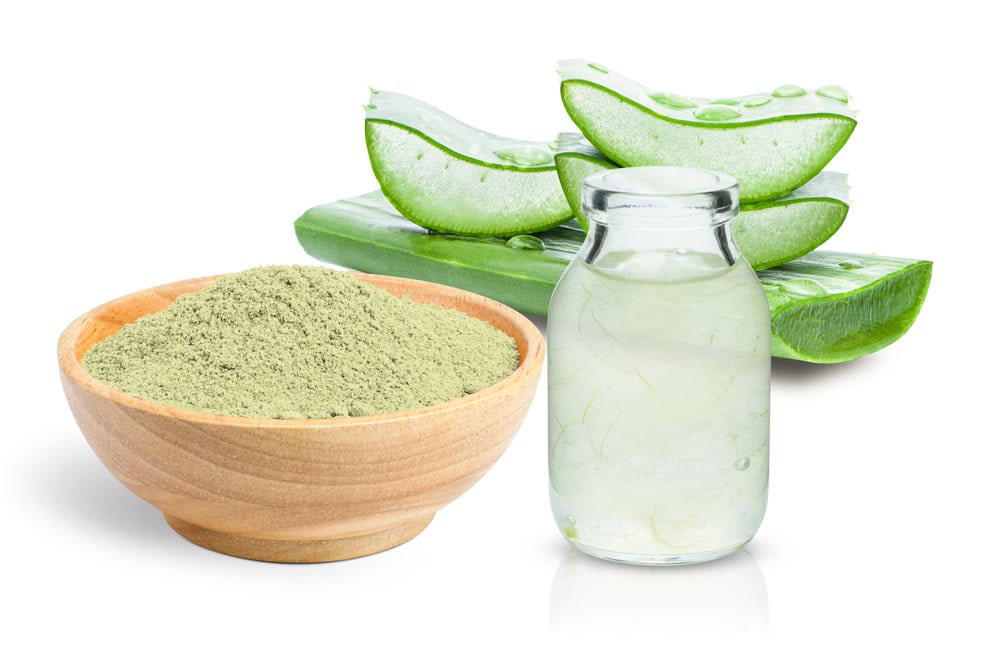
In contrast to lemon, aloe vera is gentle enough for daily use. It contains a compound called aloesin, which research shows can meaningfully reduce pigmentation after skin irritation [4]. Scoop out fresh gel from an aloe leaf, or use a pure store-bought gel, and massage it into your underarms before bed. Even better, aloe also soothes any redness from shaving, so it tackles two problems at once.
3. Turmeric Paste

Turmeric has been a staple of Indian skincare for generations, and modern research backs this up too. Its active compound, curcumin, fights inflammation and helps calm the exact triggers that darken skin [5]. Mix a pinch of turmeric with milk or yogurt to form a paste, apply it for 15 minutes, then rinse. Plus, this remedy doubles as gentle exfoliation, since yogurt contains lactic acid that helps clear away dull, dead skin cells.
4. Coconut Oil Massage
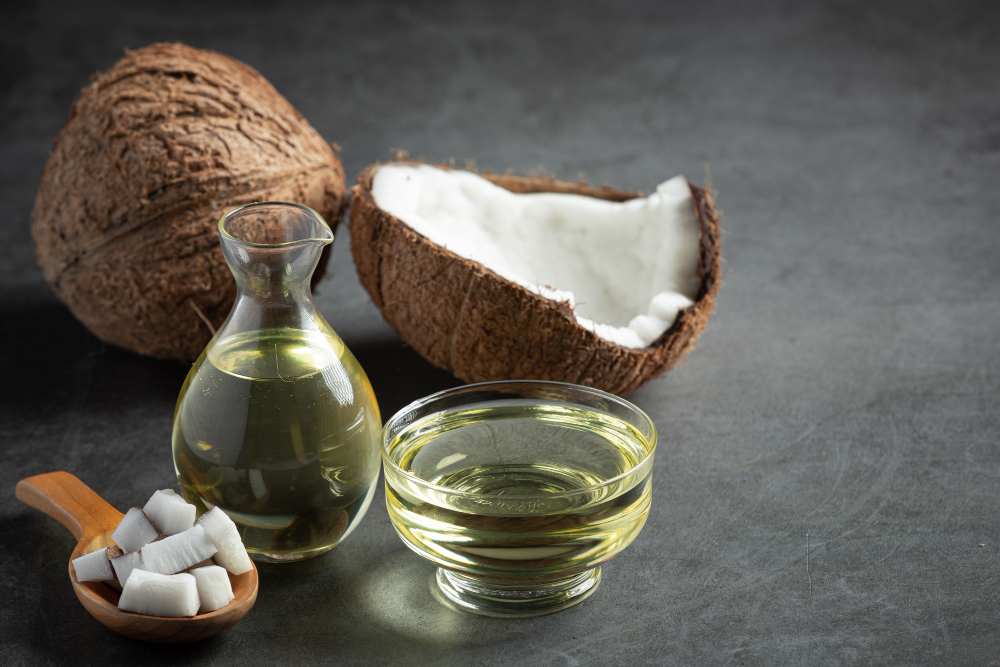
Meanwhile, don’t underestimate a good moisturizer. Coconut oil is rich in fatty acids that strengthen your skin’s natural barrier and lock in moisture, and clinical studies show it genuinely improves skin hydration and repair over time [6]. A weaker skin barrier means more irritation, and more irritation means more dark patches. Massage a few drops into your underarms after your shower, and let it soak in overnight.
5. Gentle Exfoliation

However, dead skin buildup is often an overlooked cause of dullness. Mix gram flour (besan) with a little milk or rose water to make a gentle scrub, and rub it in circular motions once or twice a week. Milk and yogurt work well here because they naturally contain lactic acid — one of the gentlest exfoliating acids found in nature. More than just removing dead skin cells from the surface, lactic acid also has mild antibacterial properties and helps calm irritated skin, which makes it a good fit for a sensitive area like your underarms [7]. Even so, don’t overdo it. Scrubbing too hard causes the very irritation you’re trying to fix.
6. Cut Down on Friction and Switch Products
That said, sometimes the best remedy is prevention. Swap your razor for a trimmer a few days a week, choose loose cotton tops, and pick a fragrance-free, alcohol-free deodorant. Since irritation from shaving and harsh products is one of the biggest drivers of underarm darkening, removing the trigger often does more than any cream ever could [1][2].
Patch Test FirstNatural doesn’t always mean irritation-free. Do a patch test first and wait 24–48 hours. Avoid using the remedy if you notice burning, redness, or itching. That said, if you have an existing skin condition, sensitive or broken skin, or are pregnant or breastfeeding, check with a doctor before trying any of these remedies. This is especially important if your dark underarms come with symptoms like thickened skin, itching, pain, or a rash, since these can point to a condition that needs proper diagnosis rather than home treatment. |
Ready to Get Rid of Dark Underarms Naturally?
Even better, most of these remedies use ingredients already sitting in your kitchen, so there’s no reason not to start today. That said, give any remedy 3-4 weeks of consistent use before judging the results – skin pigmentation doesn’t change overnight. However, if your underarms show thick, velvety patches, skin tags, or sudden darkening alongside weight gain or irregular periods, don’t self-treat. These can point to an underlying condition like acanthosis nigricans or a hormonal imbalance, and it’s worth booking an online dermatologist consultation on Tata 1mg to get it checked properly.
FAQs
Q1: How long does it take for natural remedies to lighten dark armpits?
Most people notice gradual improvement in 4-6 weeks with consistent use, but deep-set pigmentation may take longer.
Q2: Can dark armpits go away permanently?
Yes, if the cause is irritation-related (shaving, deodorant, or friction). If it’s genetic or condition-related, you can lighten it, but it may return without ongoing care.
Q3: Is baking soda safe for dark underarms?
It’s best avoided. Baking soda is alkaline and can disturb your skin’s natural pH, often causing more irritation than it fixes.
Q4: Does shaving make armpits darker?
Yes, frequent shaving with a dull blade or without lubrication commonly triggers post-shave irritation, which darkens skin over time.
Q5: Can diet affect underarm darkening?
Not directly, but poor diet can contribute to obesity and insulin resistance, which can trigger acanthosis nigricans.
Q6: Should I see a doctor for dark armpits?
Consult a dermatologist if your underarms become dark suddenly, the skin becomes thick or velvety, or the discoloration is accompanied by itching, pain, a rash, or a foul smell. These changes may point to an underlying medical condition that needs treatment.
Q7: What medical treatments do dermatologists use for dark underarms?
For stubborn cases, a dermatologist may prescribe lightening creams (like hydroquinone, tretinoin, azelaic acid, or kojic acid), chemical peels, microdermabrasion, or laser therapy to target deeper pigment [14].
Q8: How do doctors treat dark underarms caused by erythrasma?
If a bacterial infection like erythrasma is behind the darkening, doctors usually prescribe a topical antibiotic, an oral antibiotic, or both, depending on how widespread it is [10].
References:
1. Vahabi SM, Sajjadi S, Kalantari Y, et al. Axillary Hyperpigmentation Treatment: A Systematic Review of the Literature. J Cosmet Dermatol. 2025. Available from: https://pmc.ncbi.nlm.nih.gov/articles/PMC12371607/
2. James AG, Pople JE, Parish WE, Moore AE, Dunbar N. Histological evaluation of hyperpigmentation on female Filipino axillary skin. Int J Cosmet Sci. 2006;28(4):247-53. Available from: https://pubmed.ncbi.nlm.nih.gov/18489264/
3. Sanadi RM, Deshmukh RS. The effect of Vitamin C on melanin pigmentation – A systematic review. J Oral Maxillofac Pathol. 2020;24(2):374-382. Available from: https://pmc.ncbi.nlm.nih.gov/articles/PMC7802860/
4. Choi S, Lee SK, Kim JE, Chung MH, Park YI. Aloesin inhibits hyperpigmentation induced by UV radiation. Clin Exp Dermatol. 2002. Available from: https://pubmed.ncbi.nlm.nih.gov/12372097/
5. Vaughn AR, Branum A, Sivamani RK. Curcumin: a potential anti-photoaging agent. Available from: https://pmc.ncbi.nlm.nih.gov/articles/PMC12090238/
6. Karagounis TK, et al. A Comprehensive Review of Plant-Based Cosmetic Oils (Virgin Coconut Oil, Olive Oil, Argan Oil, and Jojoba Oil). Available from: https://pmc.ncbi.nlm.nih.gov/articles/PMC11541506/
7. Lactic Acid Chemical Peeling in Skin Disorders. Clin Cosmet Investig Dermatol. Available from: https://pmc.ncbi.nlm.nih.gov/articles/PMC11055559/
8. Handel AC, Miot LDB, Miot HA. Melasma: The need for tailored photoprotection to improve clinical outcomes. Available from: https://pmc.ncbi.nlm.nih.gov/articles/PMC9790748/
9. Al Mohrij SS, Ghobara YA, Al-Issa A. Fox-Fordyce Disease in Women: A Case Report Highlighting Laser-Based Interventions. Cureus. 2025. Available from: https://pmc.ncbi.nlm.nih.gov/articles/PMC12230511/
10. Erythrasma. StatPearls. Available from: https://www.ncbi.nlm.nih.gov/books/NBK513352/
11. Poole CJ, Fahie-Wilson MN, Ross WM, Kendall-Taylor P. Hyperpigmentation, vitiligo, and Addison’s disease. Available from: https://pubmed.ncbi.nlm.nih.gov/2998703/
12. Ahn YS, Hong SP. Association of lip pigmentation with smoking and gingival melanin pigmentation. Available from: https://pubmed.ncbi.nlm.nih.gov/17241433/
13. Hughes EK, Brady MF, Rawla P. Acanthosis Nigricans. [Updated 2023 Aug 11]. In: StatPearls [Internet]. Treasure Island (FL): StatPearls Publishing; 2026 Jan-. Available from: https://www.ncbi.nlm.nih.gov/books/NBK431057/
14. Sarkar R, Arora P, Garg KV. Cosmeceuticals for Hyperpigmentation: What is Available? J Cutan Aesthet Surg. 2013 Jan;6(1):4-11. doi: 10.4103/0974-2077.110089. PMID: 23723597; PMCID: PMC3663177.Available from: https://pmc.ncbi.nlm.nih.gov/articles/PMC3663177/
(The article is written by Nancy Dixit, Associate Manager, Clinical Health & Content, Medical Affairs, and reviewed by Monalisa Deka, Deputy Manager, Clinical Health & Content, Medical Affairs.)
Recommended Reads:
Neem Benefits for Skin: How It Can Help With Acne, Oily Skin, and More
Vitamin C For Skin: Why It’s The One Ingredient Worth The Hype