
Did you know that your bones start losing strength quietly years before you feel any pain? No warning signs. No alarms. Just slow, invisible loss. From strong bones and teeth to muscle movement, nerve signals, and heart rhythm, calcium plays a role far beyond what most people realise. So when doctors recommend calcium supplements, it naturally raises the question: Do I really need one? Let’s break it all down.
What Is Calcium and Why Is It So Important?
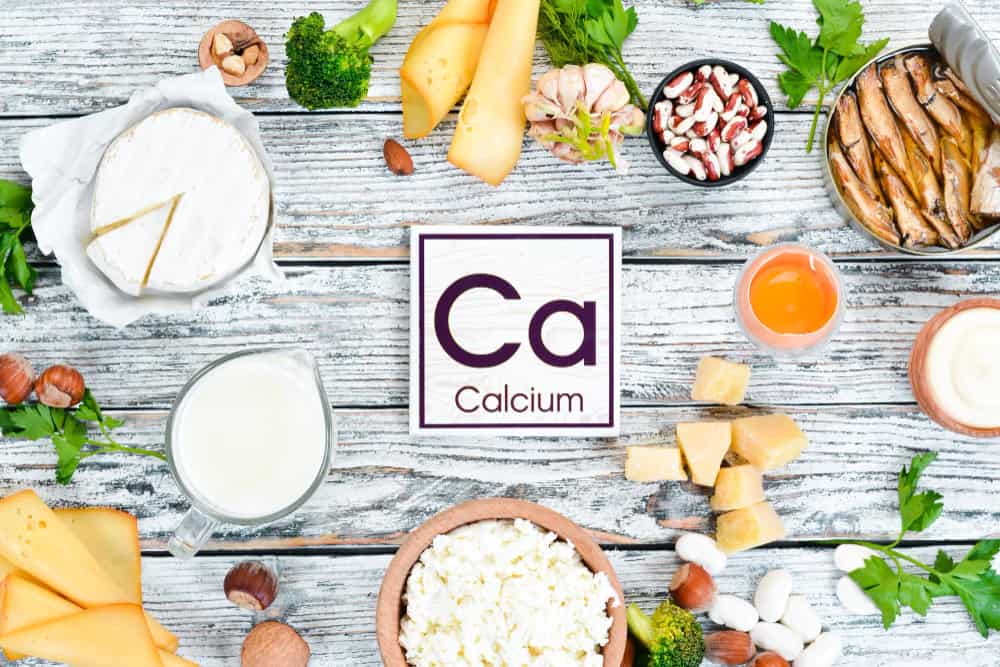
Calcium is a mineral that makes up ~2% of the human body weight. Nearly 99% of it is stored in bones and teeth, giving them structure and strength. The remaining 1% plays a critical role in muscle contraction, blood clotting, nerve transmission and heart rhythm regulation [1]. There are two types of calcium in the blood:
– Ionised (free) calcium is active and can aid in numerous bodily processes
– Bound calcium is linked to proteins such as albumin.
So, can you get enough calcium from food alone? Well, if your diet is consistent and well planned, you can get enough calcium from food. Calcium-rich foods include milk, broccoli, kale, ragi (finger millet), curd, sesame seeds, almonds, cheese, and fortified foods. However, modern diets, lactose intolerance, and irregular eating can make daily needs difficult to meet. Therefore, when your dietary intake falls short, the body doesn’t panic—it simply borrows calcium from bones, weakening them over time. This is why calcium deficiency may show up later as fractures or osteoporosis, not immediately as symptoms.
Signs You May Be Low on Calcium
Calcium deficiency does not always shout; it may whisper through signs. Early signs may include:
– Frequent muscle cramps
– Brittle nails
– Fatigue
– Tingling in fingers
– Poor dental health
Advanced deficiency can lead to weakened bones and fractures. To be extra sure,
Book a Test today!
Health Benefits of Calcium (Beyond Just Bone Health)
1. Supports Bone Density and
Strength
Calcium is essential for building and maintaining bone mass. Adequate intake lowers the risk of osteoporosis and fractures, especially in women after 40 and older adults.
Interested in knowing more about why women after 40 need it? Read here.
2. Helps Muscles Contract Properly
Every muscle movement, from walking to blinking, relies on calcium signals [2]. Low calcium levels may lead to muscle cramps or weakness.
3. Plays a Role in Heart Function
Calcium can help regulate heartbeats and blood vessel contraction. Too little or too much calcium can affect heart rhythm. Hence, balancing calcium levels is key.
4. Supports Nerve Signalling
Calcium enables communication between the brain and body. Deficiency can cause tingling or numbness in severe cases.
5. Can Help During Pregnancy and Menopause
In pregnancy, calcium supports fetal bone development. During menopause, it can help counter oestrogen-related bone loss [3].
Types of Calcium Supplements

There are two major types of calcium supplements: Calcium carbonate and Calcium Citrate. Calcium carbonate contains higher elemental calcium. It is more affordable and best taken with food. In contrast, calcium citrate is easier to absorb and can be taken with or without food. It is better for people with low stomach acid or digestive issues. So, when doctors recommend calcium citrate for older adults, it is because of better absorption.
Get what your doctor suggests for you in just a click at TATA 1mg! Explore here.
Who Should Consider Calcium Supplements?

Calcium supplements are not for everyone, but they can be helpful for certain groups:
– Women Over 40: Hormonal changes accelerate bone loss. Lower oestrogen levels can increase osteoporosis risk, making calcium support important. Calcium (with vitamin D) can also help support long-term bone health.
– People With Low Dietary Intake: If you don’t consume enough dairy, fortified foods, or calcium-rich vegetables, supplementation may help.
– Adults Above 60: Calcium absorption can decrease with age, even with a good diet.
– People With Certain Medical Conditions: People with malabsorption disorders, thyroid issues, or long-term steroid use may need calcium support.
People Who Should Be Careful With Calcium Supplements

Calcium supplements may not be suitable without medical guidance if you have:
- Kidney stones
- High calcium levels in the blood
- Some heart conditions
- Parathyroid disorders
Important: Supplements should ideally follow blood tests or dietary assessments and not guesswork. This is why medical advice matters, especially for long-term use.
Talk to a Doctor Today!
The Role of Vitamin D: Calcium’s Best Partner
Without vitamin D, calcium absorption can drop. As vitamin D helps:
– Improve calcium absorption from the gut
– Direct calcium into bones (not blood vessels) [4]
This is why most doctors recommend calcium and vitamin D together, either through supplements or sunlight & diet.
Get Vitamin D supplements at an affordable rate from the Tata 1mg site.
Add to cart and buy now!
Final Word: Calcium Supplements Are Support, Not a Shortcut
The calcium supplements are not about fear or ageing; instead, they are about foresight. If your intake is low, absorption is reduced, or life stage increases demand, supplementation can be a smart, preventive choice. But it should always be intentional, informed, and personalised by a professional. Strong bones do not announce themselves daily—but they carry you for life. Taking care of them early is one of the quietest, smartest health decisions you can make. Calcium works best alongside weight-bearing exercise, protein, sufficient vitamin D, good sleep, reduced smoking and alcohol. Supplements don’t replace lifestyle; they are usually taken to support it.
FAQs
Q. What are some of the food sources of calcium?
Milk, curd, cheese, ragi, sesame seeds, almonds, tofu, leafy greens, and calcium-fortified foods are good natural sources.
Q. Can I take vitamin D with calcium supplements?
Yes, and it is actually recommended, as vitamin D helps your body absorb calcium better.
Q. Are there any side effects of calcium supplements?
Some people may experience constipation, bloating, or nausea—especially if taken in high doses. Never self-medicate and always follow your doctor’s guidance.
Q. At what time should someone have a calcium supplement for best absorption?
Calcium can be best taken after meals, in smaller doses (usually according to what your doctor has suggested for you).
Q. Who all needs to be more careful while considering calcium supplements?
People with kidney stones, high calcium levels, thyroid disorders, or kidney disease should consult a doctor first.
Q. Can calcium supplements cause weight gain?
No, there is not much evidence for that statement. Hence, they do not cause weight gain when taken in recommended amounts.
Q. Can someone take calcium at night?
Yes, calcium can be taken at night, especially after dinner—just avoid taking it with iron or thyroid medicines.
Q. Who really needs calcium as supplements?
People who:
– Don’t get enough calcium from food—such as postmenopausal women, adults over 40, pregnant or breastfeeding women
– People with lactose intolerance
– Vegans
– Those at risk of bone loss
All these may need calcium supplements after medical advice.
References
1. Calcium
https://www.ncbi.nlm.nih.gov/books/NBK109827/
2. Yu E, Sharma S. Physiology, calcium. StatPearls – NCBI Bookshelf. https://www.ncbi.nlm.nih.gov/books/NBK482128/. Published August 14, 2023.
3. Riis BJ, Christiansen C. Does calcium potentiate the bone-preserving effect of oestrogen treatment in early post-menopausal women by a change in vitamin D metabolism? Maturitas. 1984;6(1):65-70. doi:10.1016/0378-5122(84)90066-5
4. Office of Dietary Supplements – Vitamin D. https://ods.od.nih.gov/factsheets/VitaminD-HealthProfessional/.
(The article is written by Sneha Jajoo, Intern, Clinical Health & Content, and is reviewed by Dr.Subita Alagh, Assistant Team Lead, Disease Content.)