
Are you also someone tired of getting sick every winter? As the winter chill sets in, coughs, colds, and flu-like illnesses all become prominent. It’s natural to reach for a supplement – for quick and timely protection. But with so many claims and flashy labels, it’s hard to know what actually works. The truth? While nothing guarantees you won’t catch a cold, several nutrients and supplements can be a simple way to help keep your immunity strong. Let’s walk through what some of the best supplements for immunity are, who might benefit, and how to use supplements wisely.
How Are Nutrition and Immunity Linked?
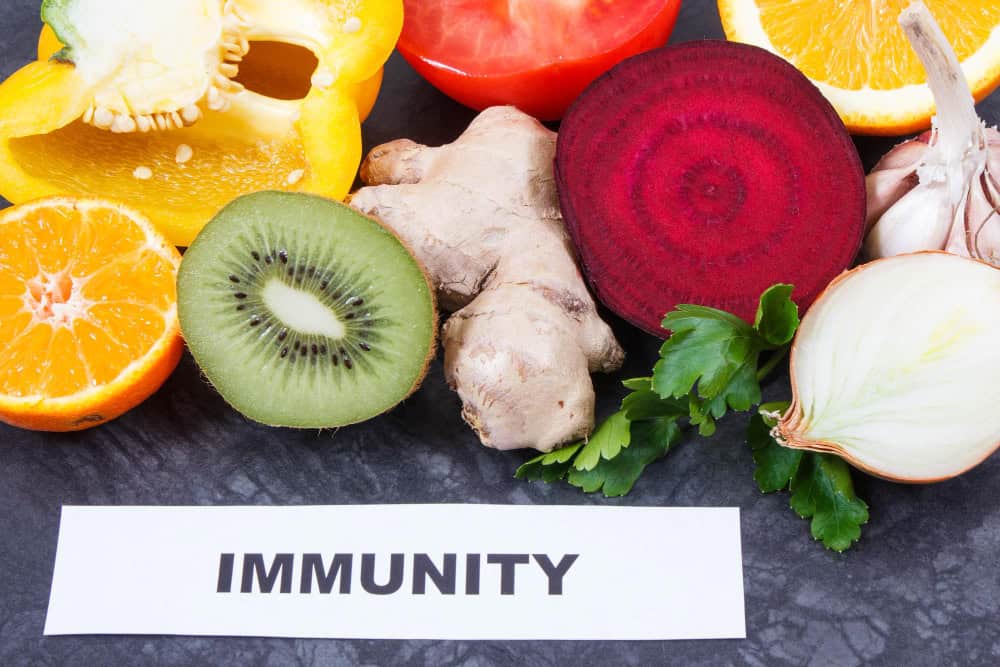
Before talking about the best supplements for immunity, it’s important to know that your immunity depends on your nutrient intake. When you are deficient in certain vitamins or minerals, immune cells may not function properly. This can weaken your immune defence against infections. A balanced amount of nutrition can help the body defend itself effectively by supplying cells with the essential nutrients [1]. So, in other words, good immunity can start with basic nutrition. Supplements can help when that balance is missing – maybe not when everything else is neglected.
Best Supplements For Immunity That You May Need This Winter
Here’s a breakdown of supplements that have been studied for their effect on immune health. Especially for respiratory infections like coughs and colds, or the common flu in winter.
Vitamin C

Ascorbic acid, commonly known as vitamin C, is an antioxidant with immunity-boosting and antiviral qualities. It is one of the best supplements for immunity that can keep you away from infections during the cold season. Since the body cannot make vitamin C naturally, it’s essential to include it in your diet or through supplements. Some common food sources include citrus fruits, broccoli, strawberries and sweet potatoes.
That said, taking high doses of vitamin C can offer no extra benefits. Excessive doses above what’s recommended can cause digestive discomfort or other side effects [2].
Vitamin D
Did you know the role played by vitamin D can be more than just for bones? It can also play an important role in regulating the immune system. According to studies, people with vitamin D deficiency are more prone to respiratory infections, and supplementation may help reduce the risk [3]. In particular, it shows that maintaining adequate levels of vitamin D may help protect against acute respiratory tract infections (ARTIs).
If winter means less sunlight or working indoors all day, a modest, regular dose of vitamin D might make sense. But don’t self-medicate; for proper dosage and guidance, you should always seek medical advice.
Zinc
The immune system depends on zinc, and its deficiency can raise the risk of infection and impair immune function [4]. It comes in several forms, such as lozenges, capsules, and tablets. In fact, it is one of the best supplements for immunity. Several studies or reviews found that zinc supplements may not eliminate cold incidences or reduce the severity of cold symptoms. But it certainly reduced the duration of the cold by two and a half days in healthy individuals [5]. The trial also showed that zinc lozenges started within 24 hours of cold symptoms can show more effective management [5].
If your doctor suggests zinc supplements for you, explore and enhance with these trusted options.
Omega-3s
During winter, omega-3 fatty acids can support mental wellness by improving mood and cognitive function [6]. They can also help reduce and prevent inflammation and strengthen the immune system [7]. But our bodies cannot make omega-3 fatty acids, so incorporating them through diets or supplements becomes essential. While omega-3s are not direct immunity boosters, their role in maintaining the overall body’s health can make them a reasonable addition.
Vitamin B12

This vitamin plays a role in the normal functioning of immune cells. Low levels may impact energy, nerve health, and your body’s ability to fight infections. Adults require around 2.4-2.8 mcg of vitamin B12 per day [8]. Deficiency is especially common in vegetarians and older adults [8]. Supplements may help if you struggle to meet daily requirements, but should be taken only after medical advice and diagnosis.
Who Needs Supplements

Best supplements for immunity in winter for:
– Those with low sun exposure
– People with restricted diets (like vegans or vegetarians)
– People under constant stress, poor sleep, or frequent exposure to pathogens
What Winter Immunity Plan I’d Follow If I Were You
If you want to plan for a healthy winter, here’s what you should do:
- Contact your doctor and get recommended checkups and tests done
- Prioritize a healthy diet
- Use supplements sensibly and only after a doctor’s consultation
- Don’t over-rely on pills, as they can work in support but not as substitutes.
FAQs
Q. Is your immunity weaker in winter?
Yes, cold weather, dry air, and spending more time indoors can increase the chances of infections. This also makes the immune system more vulnerable.
Q. What to eat in winter to increase immunity?
Eat vitamin C-rich fruits, leafy vegetables, nuts, seeds, whole grains, and warm homemade soups to increase immunity.
Q. Can I fix my weak immune system?
Yes, but not instantly. A nutrient-rich diet, quality sleep, stress management, hydration, and taking doctor-advised supplements can support immunity.
Q. What to drink to increase immunity?
Herbal teas, warm water, and homemade bone broth or vegetable soups can be taken to increase immunity.
Q. What is the best supplement for immunity?
Common doctor-recommended options include vitamin C, vitamin D, zinc, probiotics, and omega-3. Always remember to take these under medical guidance.
Q. Do probiotics boost immunity?
Probiotics can support healthy gut bacteria, as nearly 70% of the immune system lies in the gut.
Q. How to increase white blood cells naturally?
Eat foods rich in zinc, folate, vitamin C, and protein. Also consider staying active, sleeping well, and managing stress. Seek medical help if the counts are low.
Q. Can stress weaken my immune system?
Yes, chronic stress can increase cortisol, which can lower immune activity and make you more prone to infections.
References
1. Munteanu C, Schwartz B. The relationship between nutrition and the immune system. Frontiers in Nutrition. 2022;9:1082500. doi:10.3389/fnut.2022.1082500
2. Office of Dietary Supplements – Vitamin C. https://ods.od.nih.gov/factsheets/VitaminC-HealthProfessional/.
3. Hughes DA, Norton R. Vitamin D and respiratory health. Clinical & Experimental Immunology. 2009;158(1):20-25. doi:10.1111/j.1365-2249.2009.04001.x
4. Walker CF, Black RE. ZINC AND THE RISK FOR INFECTIOUS DISEASE. Annual Review of Nutrition. 2004;24(1):255-275. doi:10.1146/annurev.nutr.23.011702.073054
5. Wang MX, Win SS, Pang J. Zinc Supplementation Reduces Common Cold Duration among Healthy Adults: A Systematic Review of Randomized Controlled Trials with Micronutrient Supplementation. American Journal of Tropical Medicine and Hygiene. 2020;103(1):86-99. doi:10.4269/ajtmh.19-0718
6. O’ Donovan F, Carney S, Kennedy J, et al. Associations and effects of omega-3 polyunsaturated fatty acids on cognitive function and mood in healthy adults: a protocol for a systematic review of observational and interventional studies. BMJ Open. 2019;9(6):e027167. doi:10.1136/bmjopen-2018-027167
7. Bodur M, Yilmaz B, Agagunduz D, Ozogul Y. Immunomodulatory effects of omega‐3 fatty acids: mechanistic insights and health implications. Molecular Nutrition & Food Research. 2025;69(10):e202400752. doi:10.1002/mnfr.202400752
8. Office of Dietary Supplements – Vitamin B12. https://ods.od.nih.gov/factsheets/VitaminB12-HealthProfessional/.
(The article is written by Sneha Jajoo, Intern, Clinical Health & Content, and is reviewed by Dr.Subita Alagh, Assistant Team Lead, Disease Content.)
Recommended Reads