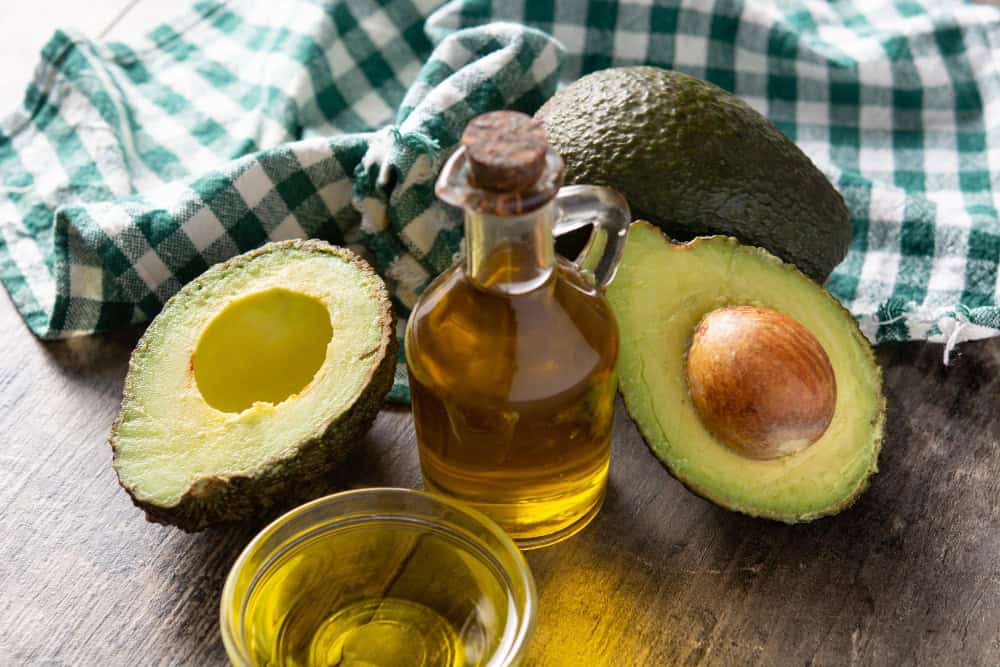
Fat has had a complicated reputation for years. One day, you’re told to avoid it. Next, you’re told that eating the right fat can support your heart, hormones, and overall health.
That leaves a very practical question: when you’re choosing between avocado and ghee, which one should actually make it onto your plate?
Both can be part of a healthy diet, but they’re not nutritionally the same. Avocado is a whole food that provides mostly unsaturated fat along with fiber, potassium, and other nutrients. Ghee is a concentrated dairy fat that provides mostly fat, with a much higher proportion of saturated fat.
So, if you’re choosing one more often, the type of fat matters. Your portion matters too.
Let’s compare the two without turning your kitchen into a nutrition lecture.
What Makes an Avocado Different?
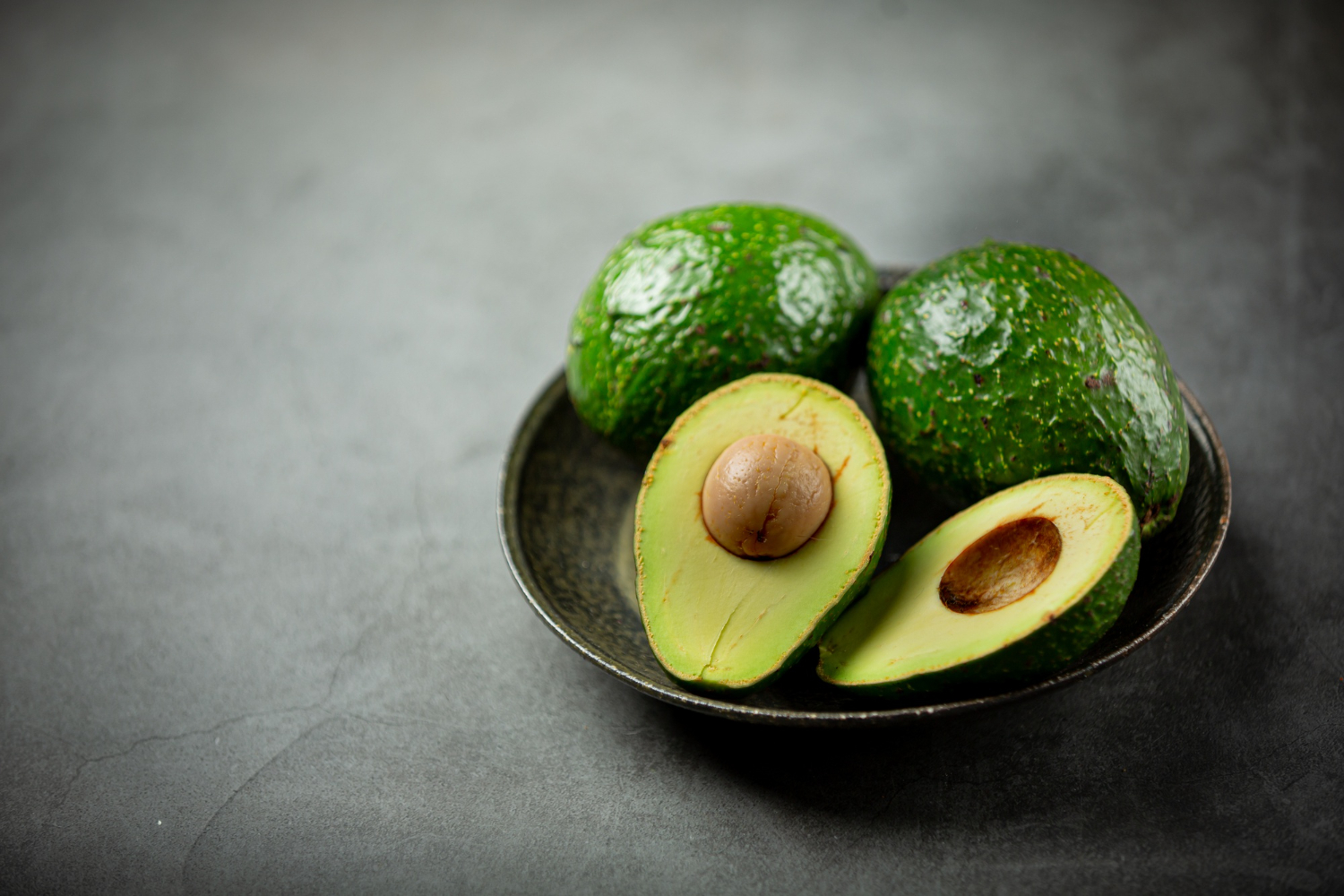
Avocado is technically a fruit, but nutritionally, it’s quite different from most fruits. Instead of being rich in natural sugars, it contains mostly fat, along with fiber and several vitamins and minerals.
Most of the fat in avocado is monounsaturated fat. These are unsaturated fats that are generally considered a better choice than saturated fats when they replace them in your diet.
Avocado also gives you fiber. That’s one advantage you don’t get from ghee. Fiber can support digestion and help you feel full after a meal.
It also contains potassium, folate, vitamin K, vitamin E, and other plant compounds.
Research on avocado and heart health is promising, although it’s not a magic food. A 2025 meta-analysis of 10 randomized controlled trials found that avocado consumption was associated with a small reduction in LDL cholesterol and systolic blood pressure, although researchers said more studies are needed to confirm the long-term effects [1].
What Exactly Is Ghee?
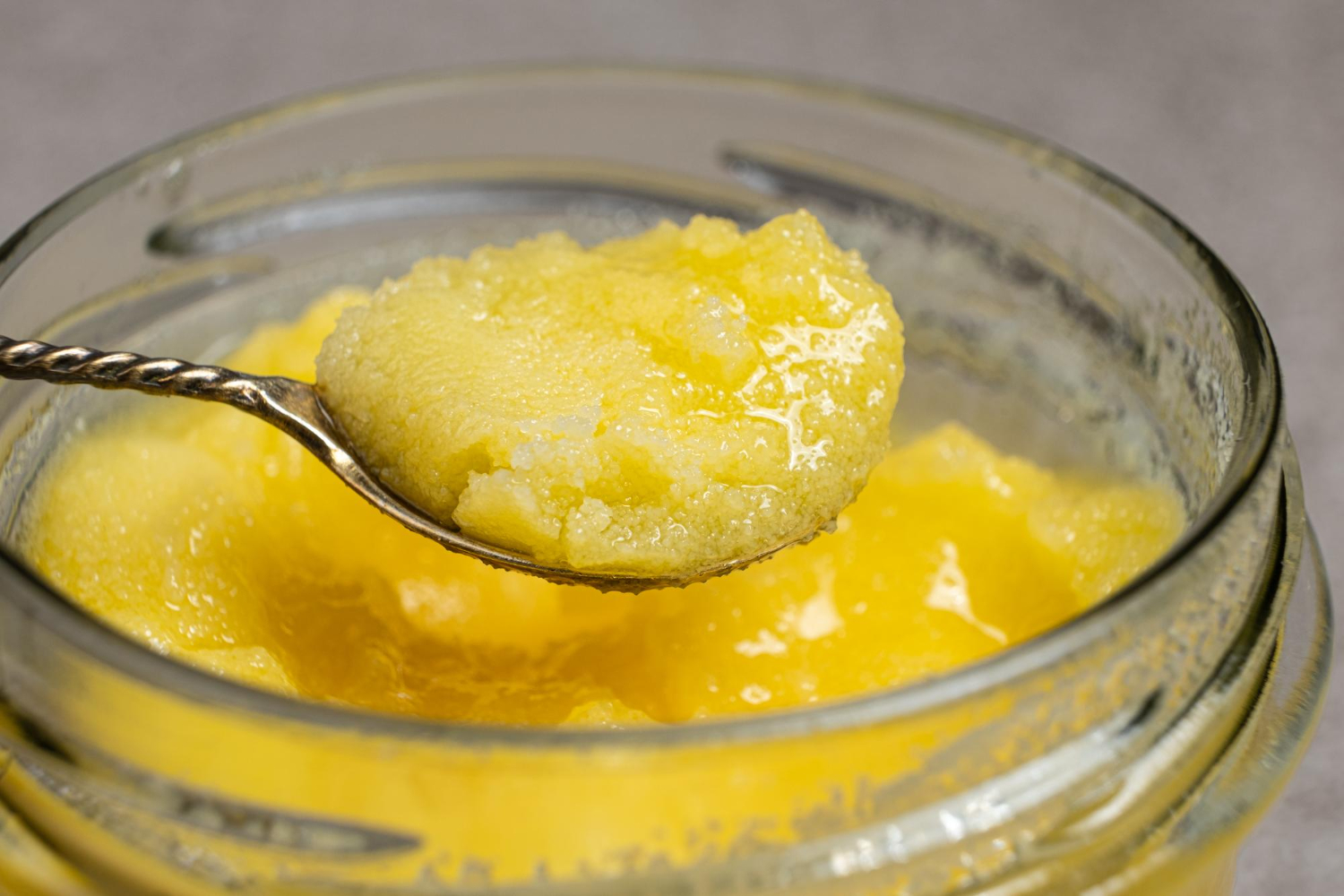
Ghee is clarified butter. During preparation, the milk solids and water are removed, leaving behind concentrated milk fat.
It’s a staple in many Indian kitchens, and there’s no need to treat it like a forbidden food. Ghee can add flavor to dal, roti, rice, and vegetables, and a small amount can easily fit into a balanced diet.
The main nutritional difference is its fat profile.
Ghee is high in saturated fat. Eating too much saturated fat can raise LDL cholesterol, which is one reason heart-health guidelines recommend replacing some saturated fat with unsaturated fat where possible. The American Heart Association recommends keeping saturated fat below 6% of total calories for people who need to lower LDL cholesterol.
That doesn’t mean one spoon of ghee suddenly makes a meal unhealthy. It means that if most of your cooking fats and spreads are rich in saturated fat, it may be worth changing the overall pattern.
Avocado vs. Ghee: The Fat Difference
This is where the comparison gets interesting.
Avocado is mainly a source of monounsaturated fat. Ghee contains much more saturated fat.
The American Heart Association recommends choosing foods containing monounsaturated and polyunsaturated fats instead of foods high in saturated and trans fats because this can help reduce LDL cholesterol and cardiovascular risk.
So, if your question is simply, “Which one provides the type of fat I should generally eat more often?” avocado has an advantage.
But there’s another point people often miss. Avocado is a whole food. Ghee is almost entirely fat.
That means half an avocado can contribute fiber and several micronutrients to your meal, while a spoonful of ghee mainly contributes calories and fat.
Does Avocado Help Your Heart?
It may.
Avocado contains monounsaturated fats, fiber, and plant compounds that have been studied for their possible effects on cholesterol and cardiovascular health.
A systematic review and meta-analysis found that avocado consumption was associated with lower total cholesterol, while some analyses also found reductions in LDL cholesterol, particularly among people with high cholesterol. However, the researchers rated some of the evidence as low or very low certainty.
A more recent 2025 meta-analysis also found a small reduction in LDL cholesterol among adults consuming avocado [2].
That doesn’t mean eating avocado will prevent heart disease on its own. Your overall diet, physical activity, blood pressure, cholesterol, smoking status, and other factors matter much more than one ingredient.
Still, replacing some foods high in saturated fat with foods rich in unsaturated fat is a sensible dietary move.
Does Ghee Have Health Benefits?
Ghee isn’t nutritionally useless. It provides fat-soluble compounds and is a traditional cooking fat with a distinctive flavor.
But some claims about ghee go much further than the evidence supports.
You may have heard that ghee “detoxes” the body, boosts metabolism, or is automatically better than all other cooking oils. These claims shouldn’t be treated as established facts.
The bigger issue is how much you’re eating and what it’s replacing.
If you use a teaspoon of ghee to finish dal or add flavor to vegetables, that’s very different from eating several spoonfuls every day while also getting saturated fat from butter, cream, cheese, fatty meat, and processed foods.
The American Heart Association’s guidance focuses on the overall dietary pattern and recommends replacing saturated fats with unsaturated fats when possible.
Which Is Better For Weight Management?
Neither food is a shortcut for weight loss.
Both avocado and ghee are calorie-dense because fat provides about 9 calories per gram. Portion size matters even when you’re eating nutritious foods.
Avocado has one useful advantage here: it contains fiber and water along with fat. That can make it more filling than a similar calorie amount of pure fat.
You could add avocado to toast, a salad, or a bowl of dal and vegetables. Ghee, on the other hand, is usually added to food in smaller quantities because it’s concentrated.
If you’re trying to lose weight, you don’t need to completely remove either one. Focus on portions and your total calorie intake.
Which One Is Better For Digestion?
Avocado wins on fiber.
Fiber helps add bulk to stool and supports regular bowel movements. It also acts as food for beneficial gut bacteria.
Ghee contains virtually no fiber.
That doesn’t mean ghee is bad for your digestive system. It simply doesn’t offer the digestive benefits that come from fiber-rich plant foods.
If constipation is a concern, adding avocado to a diet that already includes vegetables, fruits, whole grains, legumes, and enough fluids may be more useful than simply adding more ghee.
Can You Eat Both Avocado and Ghee?
Absolutely.
You don’t need to choose one food and ban the other.
Think about the role each one plays. You might use a small amount of ghee to temper dal or cook a particular dish and include avocado in a salad, sandwich, or breakfast.
The bigger mistake would be assuming that adding more of either food automatically makes your diet healthier.
For example, avocado toast can still become a calorie-heavy meal if it’s loaded with cheese, creamy sauces, and large portions of bread. Likewise, a home-cooked dal with a small spoonful of ghee can easily fit into a balanced meal.
The food around the fat matters too.
What Should You Choose More Often?
If you’re deciding which fat to include more often, avocado generally has the stronger nutritional profile.
It’s a whole food, provides mostly unsaturated fat, and adds fiber, potassium, and other nutrients. Ghee can still have a place in your diet, but because it’s rich in saturated fat, moderation makes sense.
This doesn’t mean you need to stop eating ghee if you enjoy it.
Instead, look at your overall fat intake. If your diet already includes plenty of ghee, butter, cream, cheese, and fatty meats, replacing some of those sources with avocado, nuts, seeds, or unsaturated plant oils can improve the overall fat profile of your diet.
And if you have high LDL cholesterol or have been advised by your doctor to limit saturated fat, your choice becomes even more relevant.
How To Use Avocado in Your Meals
Avocado doesn’t have to mean expensive café-style toast.
You can mash it onto whole-grain toast, add it to a salad, mix it into a homemade dip or add slices to a sandwich.
You can also pair it with protein. Try avocado with eggs, chickpeas, grilled chicken or paneer, and vegetables.
The key is to use it as part of a meal rather than treating it as a free food just because it’s considered healthy.
How to Use Ghee Without Overdoing It
You don’t need to eliminate ghee from your kitchen.
Use a small amount for flavor rather than relying on it as your main source of fat for every meal.
A teaspoon added to dal, khichdi, or roti can provide the flavor many people love without turning the entire meal into a high-fat dish.
Also remember that ghee isn’t the only fat in your diet. If you use ghee at breakfast, eat cheese at lunch, and have a creamy dessert after dinner, your total saturated fat intake can add up quickly.
The Takeaway
Avocado and ghee aren’t really competing foods. They serve different nutritional roles.
Avocado gives you mostly unsaturated fat plus fiber, potassium, and other nutrients. Ghee is a concentrated source of fat and contains a significant amount of saturated fat.
For everyday heart health, replacing some saturated fat with unsaturated fat is generally the direction recommended by major heart-health guidance.
So, if you’re wondering which one deserves more space on your plate, avocado is the more nutrient-rich choice to include regularly. Ghee doesn’t need to disappear. Just keep the portion sensible and look at your whole diet rather than judging one ingredient in isolation.
And yes, your dal can still have that little spoonful of ghee. Life doesn’t have to be completely fat-free to be healthy.
FAQs
Is avocado healthier than ghee?
Avocado generally offers more nutritional benefits because it provides unsaturated fat, fiber, potassium, and other nutrients. Ghee is concentrated fat and contains more saturated fat. Both can fit into a balanced diet when portions are appropriate.
Can I eat avocado every day?
Yes. Avocado can be included regularly as part of a balanced diet. Keep portion size in mind because it is calorie-dense despite being nutrient-rich.
Is ghee bad for cholesterol?
Ghee is high in saturated fat, and eating too much saturated fat can raise LDL cholesterol. If you have high cholesterol, your doctor or dietitian may recommend limiting ghee and other sources of saturated fat.
Can I use ghee if I have high cholesterol?
You may not need to eliminate it completely, but you may need to reduce the amount depending on your overall diet and cholesterol levels. Replacing some saturated fats with unsaturated fats is generally recommended for heart health.
Does avocado contain good fat?
Avocado is rich in monounsaturated fat, a type of unsaturated fat. Replacing saturated fats with unsaturated fats can help improve the overall fat profile of your diet.
Is avocado good for weight loss?
Avocado can fit into a weight-loss diet, but it doesn’t directly cause weight loss. It contains fiber and can help make meals satisfying, but it is also calorie-dense, so portions still matter.
Can I eat avocado and ghee together?
Yes. There’s no nutritional rule that says you can’t eat them together. Just remember that both contribute fat and calories, so your overall portion matters.
Which is better for the heart, avocado or ghee?
Avocado generally fits more easily into a heart-healthy eating pattern because it is rich in unsaturated fat and fiber. Ghee is higher in saturated fat, which is why major heart-health guidance recommends limiting saturated fat and replacing it with unsaturated fats where possible.
Is one spoon of ghee unhealthy?
Not necessarily. A small amount of ghee can fit into a balanced diet. The concern is regular high intake, especially when your diet already contains many other sources of saturated fat.
What are other healthy fat sources?
Nuts, seeds, olives, avocados, fatty fish, and liquid plant oils such as olive, canola, soybean, and sunflower oils are sources of unsaturated fats. The American Heart Association recommends choosing unsaturated fats in place of saturated and trans fats.
References
1. Hamednia S, Shouhani Z, Tavakol S, Montazeri N, Amirkhan-Dehkordi M, Karimi MA, et al. Effects of avocado products on cardiovascular risk factors in adults: a GRADE-assessed systematic review and meta-analysis. Food Sci Nutr. 2025;13(7):e70547. doi:10.1002/fsn3.70547.
2. Mostafazadeh P, Etesamnia S, Nasiraei-Moghadam M, Jahan-Mihan A, Haghighi A, Zendedel A, et al. Exploring the effect of avocado on lipid profile modulation: a systematic review and dose-response and meta-analysis of clinical trials. Crit Rev Food Sci Nutr. 2026;66(4):780-790. doi:10.1080/10408398.2025.2531222.
The article is written by Mantasha, Sr. Executive, Clinical Health & Content, and reviewed by Monalisa Deka, Deputy Manager, Clinical Health & Content, Medical Affairs.)