
Seasonal changes (especially during winter) come with an increased risk for your body having frequent colds/coughs, fatigue, and decreased immunity. Whereas Western medicine provides instant relief to these symptoms, Ayurveda focuses on providing the foundation upon which our body builds its defence system, known in Ayurveda as Ojas.
According to Dr Deepak, Ayurvedic Medical Expert at Tata, 1mg, building a strong immune system does not mean taking random supplements. A strong immune system is achieved by aligning your daily routines with those of Mother Nature and supplementing the body with natural herbs, which helps build a solid foundation for long-term health and resilience.
Numerous Ayurvedic herbs have been used for centuries and are known to support and enhance immunity. These herbs possess antibacterial, antiviral, and anti-inflammatory properties, among others, and have traditionally been utilized to promote overall wellness and help prevent internal infections.
Here are 9 well-known Ayurvedic herbs, along with some very easy tips for using them during the winter months to help you remain healthy, fully functional, and free from infection.
1. Giloy (Guduchi)
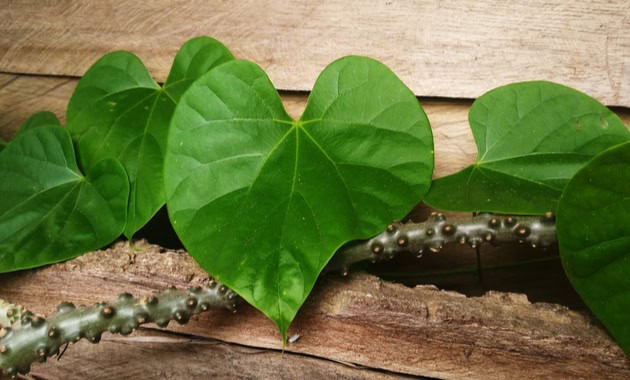
Giloy is considered one of the most important herbs in Ayurveda, with the name of amrit, meaning “the root of immortality”. Giloy is also known to help with the management of recurrent cold and cough and seasonal fever due to its powerful immunomodulatory properties, according to Dr. Deepak.
How to take Giloy?
-You may take Giloy powder or juice by mixing it with honey.
-Another way to mix Giloy is with a glass of lukewarm water.
-Giloy also comes in several different forms, including Giloy syrup (Amritarista), Giloy capsules, and Giloy extracts (Satva). Each of these products can enhance immunity by providing your body with the vitamins and minerals it needs to function at its peak.
Strengthen your immunity with our exclusive range of Giloy supplements.
2. Indian Gooseberry (Amla)

Amla contains a lot of antioxidants, as well as a significant amount of vitamins C and B. These vitamins and antioxidants work together to flush out toxins from the body and protect it from the damaging effects of free radicals.
Amla also has anti-inflammatory properties that help lower levels of inflammation throughout the body and thus reduce the likelihood of developing an infection. In addition, the immune-enhancing properties of Amla will help regenerate the immune system and improve its ability to fight infections.
How to take Amla?
-Starting your day with Amla, either in its whole form or freshly squeezed juice, can help reduce the chances of becoming ill and promote overall health.
– For children, Amla can be made into murabba (Amla boiled with jaggery) or Chyawanprash, which can be spread on roti or bread to maximise the immune-strengthening effects of it.
– Amla is available in several forms, including Amritarista, Amla Juice, Amla Candy, Amlaki Capsules, and Amla Murabba.
3. Andrographis (Kalamegha)

Andrographis is very bitter, but very potent, and is often referred to as Bhunimba or Neem of the Earth. Andrographis has antiviral and antipyretic properties, which make it an effective herb for preventing colds and flu.
How to take Andrographis?
-In powder form, take ¼–½ teaspoon with warm water once a day.
-In capsule/tablet form, follow the directions on the label; only take as directed by your healthcare professional.
-To prepare a tea or decoction, boil a small quantity of dried Andrographis leaves in water, then drink it warm the same day.
4. Holy Basil (Tulsi)
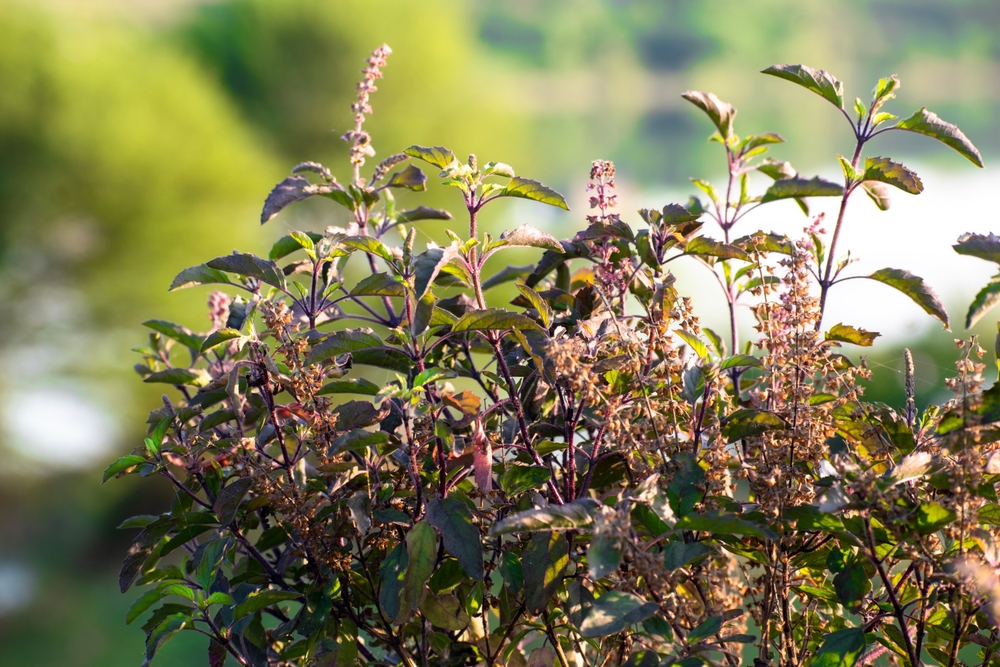
The medicinal properties associated with tulsi are well-documented, which accounts for its widespread presence in Indian households. It acts as an antitoxin to the body and protects against oxidative stress to all body organs. The leaves contain compounds that are immunomodulators. This means that it helps to stimulate the production of antibodies, maintain their levels, and reduce the risk of developing infections.
How to take Tulsi?
– Drink tulsi tea in the morning. To make tulsi tea at home, add 3-4 leaves of tulsi to a glass of boiling water and allow it to simmer for a few minutes.
– Tulsi is also available as tulsi patra churna (leaf powder), tulsi beej churna (seed powder), and tulsi anjan juice.
Arm yourself against winter ailments! Shop now for our immune-enhancers, the foundations of a healthy and resilient lifestyle.
5. Ginger(Adrak)
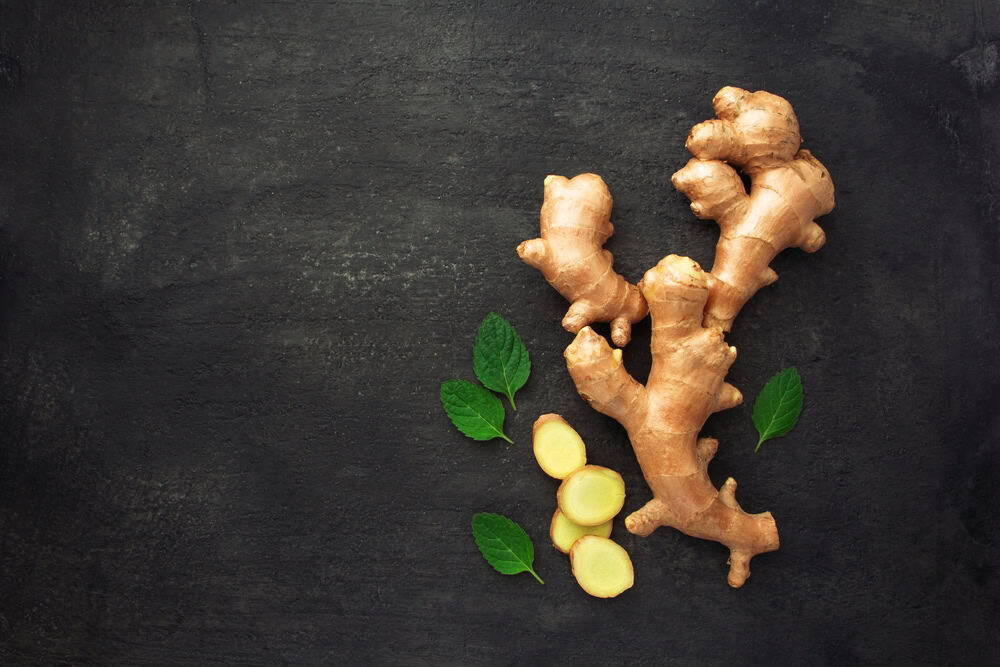
It also has a long history in Ayurveda, where it has traditionally been used to treat gastrointestinal issues, enhance immunity, and assist in digestion as well.
How to take Ginger?
–Prepare tea by adding fresh sliced ginger to boiling water along with lemon and honey.
-You can also eat the raw (fresh) ginger before meals, take ginger powder mixed with warm water or honey (¼ teaspoon), or boil ginger along with tulsi and black pepper (Kadha) to obtain maximum benefit.
6. Honey (Madhu)
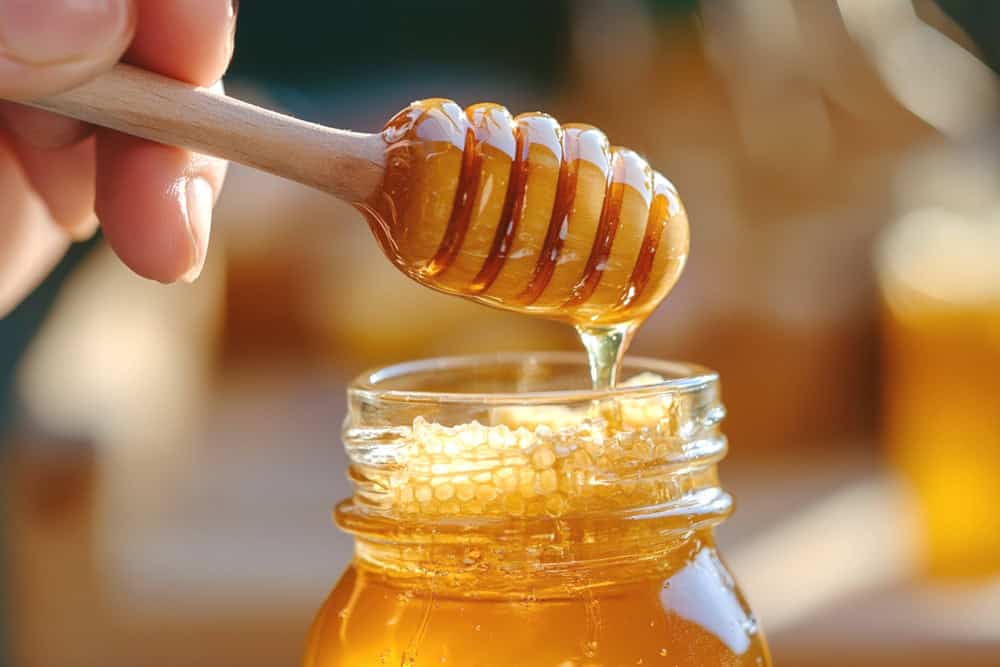
It is a very effective natural cough remedy due to its ability to act as a natural cough suppressant. However, it also contains high amounts of antioxidants and anti-inflammatory compounds, making honey a great way to help you combat colds and respiratory illnesses.
How to take Honey?
–Take 1 teaspoon of honey before bedtime if you have a cough.
-To support your immune system, dilute 1 tablespoon of honey in lukewarm water (not hot water) and drink daily.
-For maximum benefit, take honey mixed with ginger or tulsi and add to other herbal decoctions.
Note: Honey should never be given to infants under 12 months of age.
7. Talispatra (also known as Talsipatra, Talishpatra)

It is an old herb medicinally used to treat symptoms of respiratory tract infections, and also to prevent chills and flu by reducing congestion within the respiratory system.
How to take Talispatra?
There are several ways you may prepare Talispatra leaves, including tinctures and infusions, using the dried leaves, including:
-Mixing Talispatra with honey or other suggested proportions.
-Regularly using Talispatra during winter for aid in supporting a healthy respiratory system.
8. Peppermint ( Pudina)
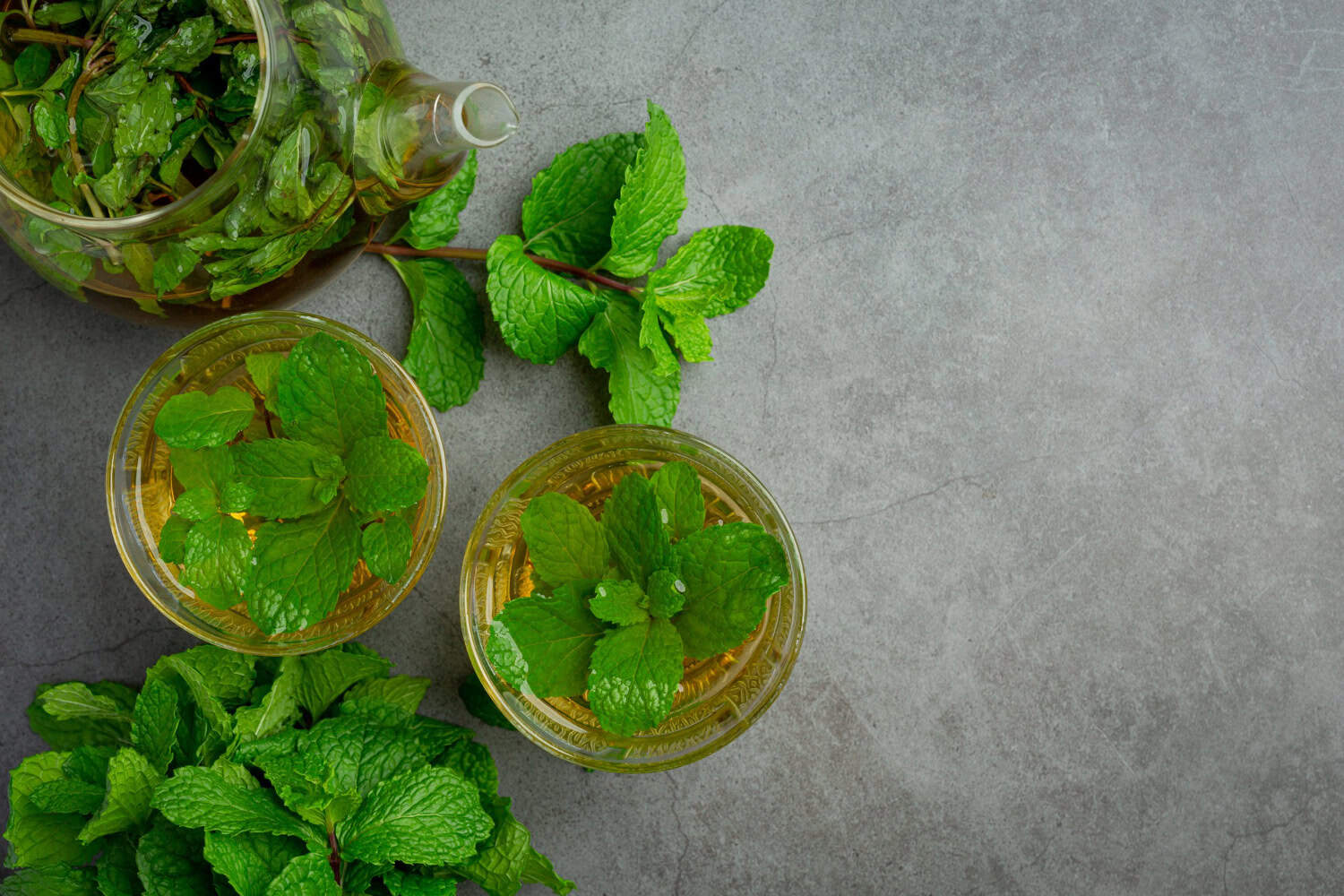
It is an ancient herb with cooling properties that has an excellent track record of reducing seasonal respiratory tract infections.
How to take Peppermint?
Add Pudina dried crushed leaves to your salads and yoghurt, or drink Peppermint tea in warm water each day (not to boil). Peppermint will also help with your digestion.
9. Turmeric (Haldi)

It contains curcumin, which is a powerful anti-inflammatory agent, as well as an antioxidant. The anti-inflammatory response that curcumin promotes supports your body’s ability to defend against infections, and turmeric can therefore help to promote a healthy immune system.
How to take Turmeric?
You can enhance your immunity by adding a dash of turmeric to every meal you eat each day or by drinking some warm turmeric milk before going to sleep.
Quick things you can do to prevent cold & flu this winter
-Drink plenty of water
-Get adequate sleep
-Control your stress
-Wash your hands frequently
-Avoid others who are sick
-Eat a healthy diet
-Consider taking Vitamin C, Zinc, and Vitamin D daily.
-Get your annual flu shot.
FAQs
Q. What is the most effective Ayurvedic herb for improving immunity?
One of the best and strongest immunomodulators in Ayurveda is giloy. Other herbs that have great potential for use on a daily basis include tulsi and ginger.
Q. Can I combine all nine herbs at the same time?
Not necessarily. It is best to choose 2-3 herbs based on your body type and current health needs, as per Dr. Deepak’s recommendations.
Q. Is Kalamegha suitable for everyone?
Kalamegha is a very powerful herb and should only be used after consulting with an Ayurvedic Practitioner.
Q. Is it safe for children to take these herbs to improve immunity?
There are mild herbs such as Tulsi, honey (for children over the age of 1), and ginger tea that are safe to take. However, the dosages will need to be adjusted.
Q. How many times a day do I take Chyawanprash for immunity purposes?
The ideal dosage of Chyawanprash for immunity is 1-2 teaspoons per day. Before consuming any, speak with your physician if you are unsure.
Q. Does Honey effectively cure a cough?
Yes, honey is one of the best cough suppressants, as well as providing relief at night while sleeping.
Q. Which herb is most effective for managing either recurring colds, coughs, or congestion?
For respiratory health, Tulsi, Clove, Talispatra and Peppermint are beneficial to manage the symptoms.
Q. Will Ayurvedic herbs help replace the need for getting flu shots?
No. Ayurvedic herbs help build your body’s natural immune system; however, having flu shots is the only way to truly protect yourself from seasonal flu exposure.
Recommended Reads
(The article is written by Deepa Sarkar, Medical Writer, and reviewed by Monalisa Deka, Deputy Manager, Clinical Health & Content, Medical Affairs)