
Summer doesn’t feel the same for everyone. For some, it’s mangoes and vacation, while for others—especially people with asthma—it can quietly bring discomfort. A sudden cough that won’t settle, that tight feeling in the chest after stepping out, or breathlessness that keeps getting worse. It’s not always obvious, but summer conditions can trigger asthma symptoms. This is where awareness is important. Knowing how to prevent asthma attacks in summer is important, but applying these habits daily is what truly reduces flare-ups.
Dr. Sarthak Chakarvarthy explains, “Summer heat, humidity, dust, pollution, and seasonal allergens can quietly worsen asthma symptoms. Good asthma control is not only about treating attacks but also preventing symptoms before they begin.” So if the summer season makes it harder for you to breathe, here’s how you can stay a step ahead.
Why Summer Isn’t Always ‘Breathable’ for Asthmatic People
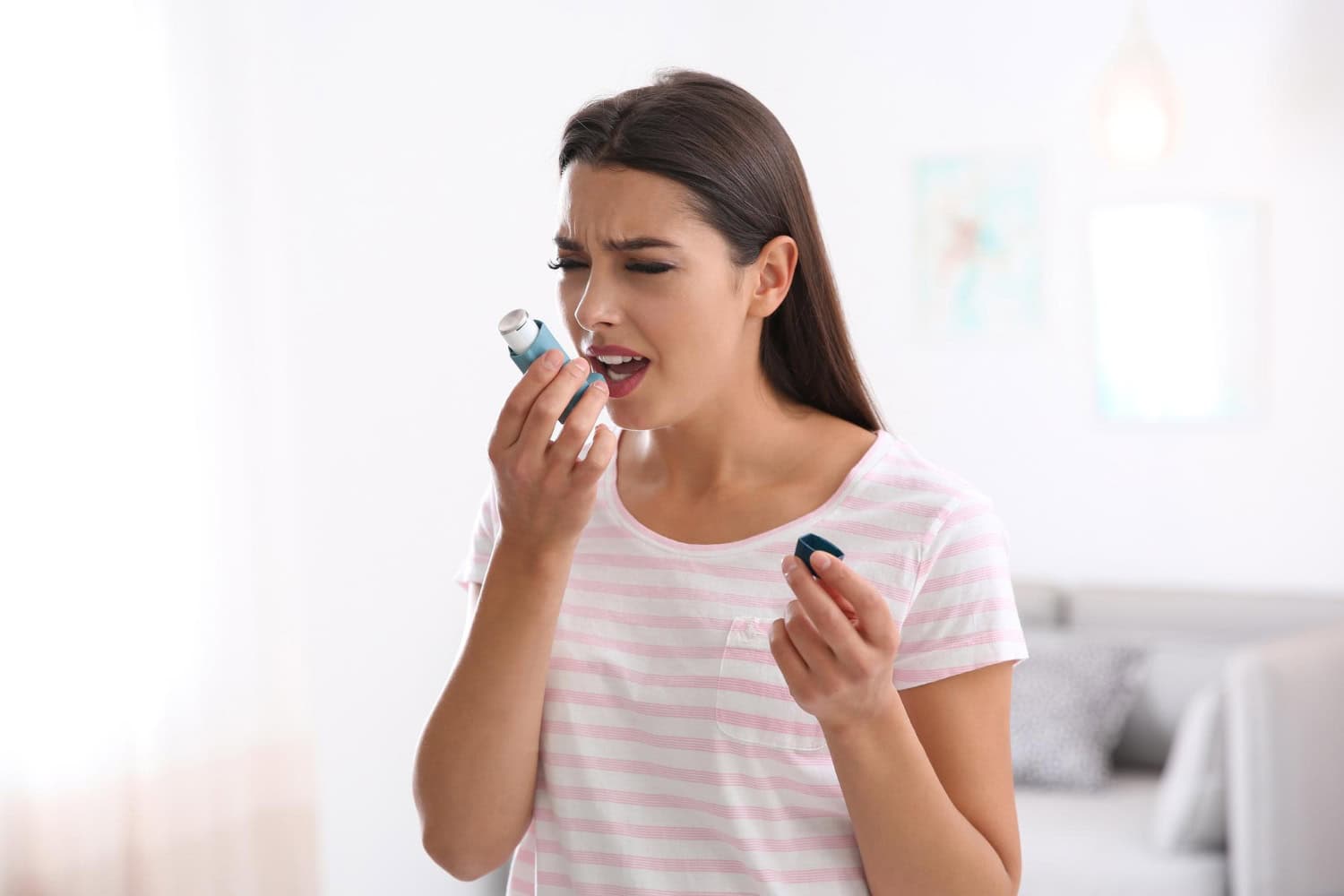
The summer season can be a complex trigger for the asthmatic patient. During this time, you may be exposed to higher levels of dust, increased ozone, and seasonal pollens that become airborne in the heat.
When the air becomes thick with pollutants or shifts rapidly in temperature, your airways react by narrowing. This leads to the familiar tightness, wheezing, and cough [1]. Managing these symptoms doesn’t require living in a bubble; it requires a strategic approach to your environment and medication. So, how to prevent asthma attacks in summer?
8 Simple Tips on How to Prevent Asthma Attacks in Summer

Here are a few simple precaution tips that can help people with asthma to breathe better and reduce flare-ups [1, 2]:
Don’t Ignore Hydration—It Matters More Than You Think
In summer, dehydration happens faster—even if you don’t realise it. And for people with asthma, dehydration can dry out airway linings, making them more sensitive to triggers like dust and heat.
What helps:
– Sip water regularly (not just when thirsty)
– Include fluids like coconut water or ORS if needed
It’s a simple step—but often overlooked.
Be Mindful of When You Step Out
The afternoon heat in the summer isn’t just uncomfortable—it can be triggering.
Try this:
– Avoid stepping out during peak heat (12 PM–4 PM)
– Plan outdoor work early in the morning or evening
Less exposure can mean fewer symptoms.
Keep Your Indoor Air Cleaner Than You Think You Need To
People usually focus on outdoor pollution—but indoor air matters just as much. Dust can build up in AC filters, curtains, bedding, or fans.
Just:
– Clean filters regularly
– Dust surfaces often
– Ensure proper ventilation
Small changes can reduce daily triggers.
Use a Mask When Needed—Not Just for Pollution
If dust, pollen, or smoke triggers your symptoms, a simple mask can help. Wear a mask, especially during travel, outdoor errands or when the AQI is high. It’s a practical barrier—not just a precaution.
Don’t Stop Your Inhaler When You Feel Better
One of the most common mistakes is that people stop taking their inhaler when they feel better. Symptoms improve, and medication gets skipped. But asthma control depends on consistency. Dr. Sarthak highlights that “regular treatment is key—stopping early often leads to worsening later. Stick to your prescribed plan—even on good days”.
Check Your Inhaler Technique
Sometimes, it’s not the medicine—it’s how it’s used. Incorrect technique can reduce effectiveness.
What helps:
– Review your inhaler method with a doctor
– Use a spacer if advised by your doctor
A small correction can significantly improve results.
Stay Active—But Keep It Balanced
Avoiding all activity isn’t the solution. In fact, light, regular movement can support lung function.
Try:
– Walking
– Light breathing exercises
– Low intensity workouts
Just don’t overdo it in extreme heat.
Always Keep a Rescue Inhaler Within Reach
Asthma symptoms can sometimes escalate quickly. Being prepared is a very important precaution.
Make it a habit to:
– Carry your rescue inhaler
– Recognise early warning signs
– Seek medical help if symptoms increase
Early action and treatment can prevent complications.
How to Prevent Asthma Attacks in Summer: Live Life Unrestricted
Understanding how to prevent asthma attacks in summer is less about restriction and more about preparation. Dr. Sarthak adds that “the right awareness and timely care can help most people maintain good asthma control—even during peak summer”.
FAQs
Q. Does the AC help or hurt your asthma?
Dry cold air from an AC can sometimes irritate the airways, particularly if the filter is dusty. Keep your AC at a moderate temperature, use a humidifier if the air is too dry, and make sure your filters are clean.
Q. Is it safe to play outdoor sports in summer if you have asthma?
You can play outdoors, provided you are well-controlled, and the AQI is safe. However, always carry your inhaler, warm up thoroughly, and if you start to feel tightness, stop immediately and use your rescue inhaler.
Q. Does humidity trigger asthma more than dry heat?
Dry heat can dry out the airways, while high humidity can encourage mould growth in the house and make the air feel “heavy”. Consistency in indoor air quality management is the best defence against both.
Q. What is the biggest mistake people make with asthma medication?
Stopping medication early or using an inhaler without a spacer when they are struggling to take a deep breath. Medication is for prevention; waiting until you are gasping for air makes the attack much harder to reverse.
Q. Can hot water help asthma?
Steam inhalation may temporarily ease congestion, but it does not treat asthma. Never use hot water as a replacement for your prescribed asthma medication.
Q. How can you reduce asthma triggers inside your house?
Regularly wash bedding in hot water, keep AC filters/fans dust-free, use a HEPA air purifier, avoid heavy incense or indoor smoking, and keep the home dry to prevent mould.
Q. What are the five symptoms of asthma?
The five asthma symptoms are:
– Wheezing (whistling sound when breathing)
– Shortness of breath
– Persistent chest tightness
– Chronic cough (often at night or during activity)
– Rapid, laboured breathing
Q. What not to do during asthma?
Do not panic, skip your medication, ignore mild symptoms, or rely on home remedies instead of an inhaler. Also, avoid or do not stay in areas with smoke and heavy dust.
References
1. About asthma. Asthma. https://www.cdc.gov/asthma/about/index.html. Published January 22, 2024.
2. Managing Asthma | NHLBI, NIH. NHLBI, NIH. https://www.nhlbi.nih.gov/health/asthma/living-with. Published April 17, 2024.
(The article is written by Sneha Jajoo, Intern, Clinical Health & Content, and is reviewed by Dr.Subita Alagh, Assistant Team Lead, Disease Content.)