 When you think of high-protein foods, your first thoughts may go straight to eggs, milk, fish, and meat. However, you should also know that some nuts and seeds are high in protein, too.
Indeed, certain nuts and seeds can provide more protein than eggs when compared by weight (per 100 g). A medium-sized egg provides approximately 6–7 g of protein, while some nuts and seeds can provide around 15–30 g of protein per 100 g, depending on the type. The Indian Food Composition Tables (IFCT) 2017, published by the ICMR-National Institute of Nutrition, report about 13.28 g of protein per 100 g of whole raw poultry egg and 18.41 g per 100 g of almonds, illustrating that some nuts can have a higher protein concentration by weight.[1]
However, this does not mean that you should replace eggs with nuts and seeds. Both can have a place in a balanced diet. Nuts and seeds can contribute plant-based protein, dietary fibre, healthy fats, and several vitamins and minerals, while eggs are a nutrient-dense source of high-quality protein.[1,2] ICMR-NIN’s Dietary Guidelines for Indians 2024 also include nuts and seeds as part of a diverse, balanced diet.[2]
Here are some nuts and seeds that are relatively high in protein:
1. Hemp Seeds

Protein: Around 31–32 g per 100 g
Hemp Seeds are among the highest-protein seeds. They also contain all the essential amino acids, making them a good source of plant protein. The seeds of the hemp plant are also rich in unsaturated fats, iron, magnesium, and phosphorus. They also have a nice nutty taste, so you can add them to any dish without any difficulty.
How to add them to your meals: Hemp seeds work well in oatmeal, yogurt, smoothies, salads, and even in soups. It is also possible to incorporate them into energy balls or bites made at home.
Reasons why they are unique: Hemp seeds contain a lot of protein when compared to other plant-based foods, plus they offer healthy fat content along with minerals.
2. Pumpkin Seeds
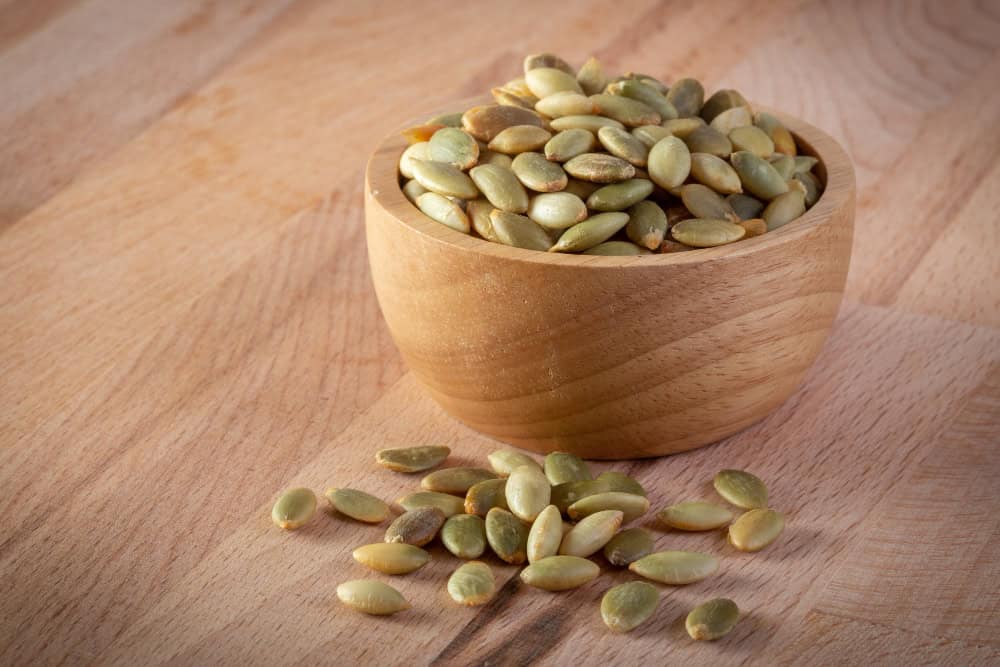
Protein: Around 29–30 g per 100 g
Pumpkin seeds (or pepitas if sold without the shell) are another example of a protein-rich food. Moreover, they are a source of magnesium, zinc, and phosphorus.
Magnesium is necessary for the normal functioning of the muscles and nervous system, while zinc helps the proper functioning of the immune system.[3]
A few seeds can also give crunch to your meals, which may otherwise contain only a minimal amount of protein.
Ways of eating pumpkin seeds: Use roasted pumpkin seeds as toppings on different dishes, such as salads, soups, and porridge, or in energy mixes that you have made at home.
Tip: It is better to use no-salt or lightly salted products, especially if one consumes a great amount of salt anyway.
3. Peanuts
Protein: Around 25–26 g per 100 g
Although commonly grouped with nuts, peanuts are technically legumes. Nutritionally, however, they are often used in the same ways as nuts.
One of the advantages of peanuts is that they are a cheap source of plant protein and one of the richest sources of unsaturated fat. They are also full of nutrients like vitamin E, magnesium, and niacin.
Peanut butter is another way of boosting the amount of protein in your diet, although it is important to keep an eye on portions since it is high in calories.[3]
Ways to eat them: It includes poha, salads, stir-fries, and toasted whole-grain bread spread with some natural peanut butter. You can also add a spoonful of peanut butter to your smoothies.
Watch the label: Make sure you are buying peanut butter with the least amount of added sugars and salt.
4. Almonds
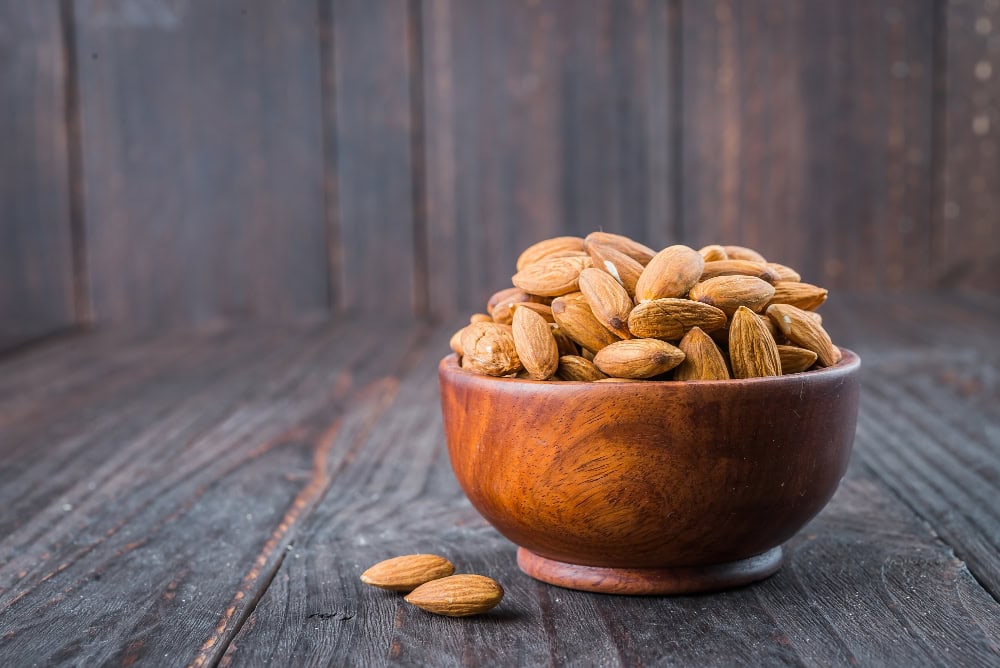
Protein: Around 21 g per 100 g
While almonds are widely recognized for being a good source of vitamin E and healthy fats, they are also packed with protein.
Almonds are very convenient to eat as a snack in a plain form, as no preparation is needed. They are also rich in fibre, magnesium, and other micronutrients.
Although a serving size does not contain a huge amount of protein when compared with high-protein food items, almonds may still play a role in daily protein intake.[3]
Ways of consuming them: Have a handful of almonds, sprinkle roasted and chopped almonds into porridge or yogurt or onto salad and cooked vegetables.
Portion matters: 28 g of almonds contain about 6 g of protein. Thus, it is reasonable to treat almonds as a part of a diet that consists of protein-rich foods.
5. Sunflower seeds
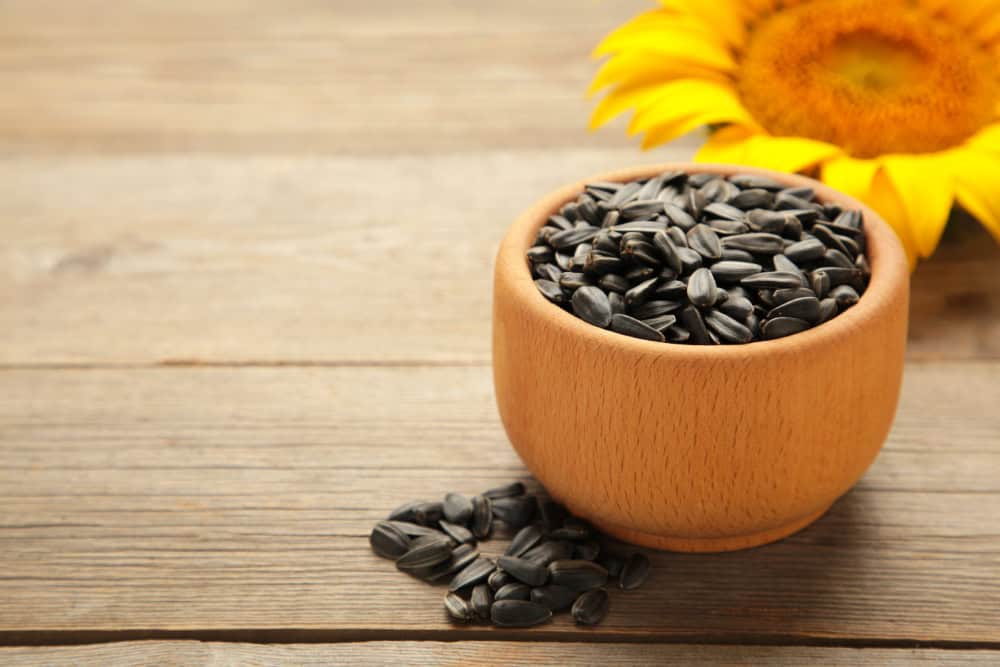
Protein: Approximately 20-21 g of protein per 100 g
Sunflower seeds are a convenient way of including plant protein into meals. It contains vitamin E, magnesium, and healthy fats, besides being a good protein source.
Their mild flavor is what makes these ingredients appropriate for both savory and sweet food preparation.
Instead of consuming large portions, it is better to sprinkle a small amount on the food for some health benefits with minimal calories.[1]
How to use them: Add sunflower seeds to salads, yogurt, breakfast bowls, and vegetable dishes. They can also be introduced into homemade granola.
6. Pistachios
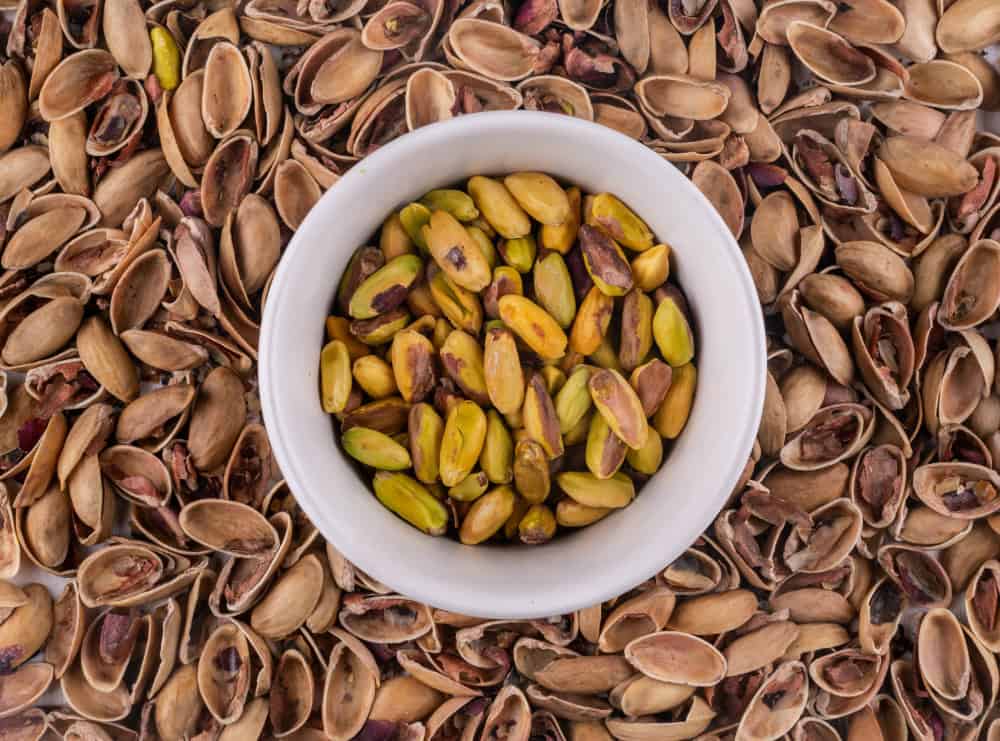
Protein: Around 20 g per 100 g
The pistachio content is estimated at around 20 g of protein per 100 g, along with fiber, unsaturated fats, and various vitamins and minerals.
Pistachios can be consumed as a healthy snack option and added to many recipes to improve crunchy textures.
They are very easy to use because pistachios can be consumed as a standalone snack food and thus serve as a convenient option to processed foods.
How to use them: Eat small amounts as snacks or sprinkle chopped pistachios into yogurts, oatmeal, salads, or fruit bowls.
There is little sodium in the product if unsalted or salted pistachios are consumed.
7. Flaxseeds

Protein: Around 18 g per 100 g
Once you hear the word ‘flaxseed’, protein richness is unlikely to come to mind, so it is logical to think of it along with such sources as hemp and pumpkin seeds, for it may not seem as protein-rich.
Flaxseeds are particularly recognized for the presence of alpha-linolenic acid (ALA), a plant-based omega-3 fatty acid, in addition to dietary fiber and lignans.[3]
Since whole flaxseeds can go through the digestive system unharmed, ground flaxseeds will be a far better way to add this product to your menu.
How to use them: Ground flaxseed can be used in porridge, smoothies, yogurt, or whole-wheat flour and included in homemade bread, cookies, muffins, etc.
Nuts and Seeds vs. Eggs: Which One Is the Best Source of Protein?

The determination of which of the two ranks better is based on the criteria you consider.
On average, there are around 6-7 g of protein in one big egg. However, on a weight basis, the amount of protein found in a number of nuts and seeds supplies a much higher percentage of protein than one egg, as 100 g of nuts or seeds contain comparatively greater food material.[1]
That said, it is important to note that eating a meal of 100 g of nuts or seeds is not comparable to consuming one egg. The reason lies in the fact that these foods are energy-dense and quite rich in fat.
On the other hand, eggs deliver a readily digestible protein with all essential amino acids, along with other useful nutrients, such as choline, vitamin B12, and selenium.
That said, it is not the end of the discussion as it concerns nuts and seeds vs. eggs. Rather than choosing which one is better, the wiser approach would be to judge them on their contribution to a healthy diet.
How Much Should You Eat?
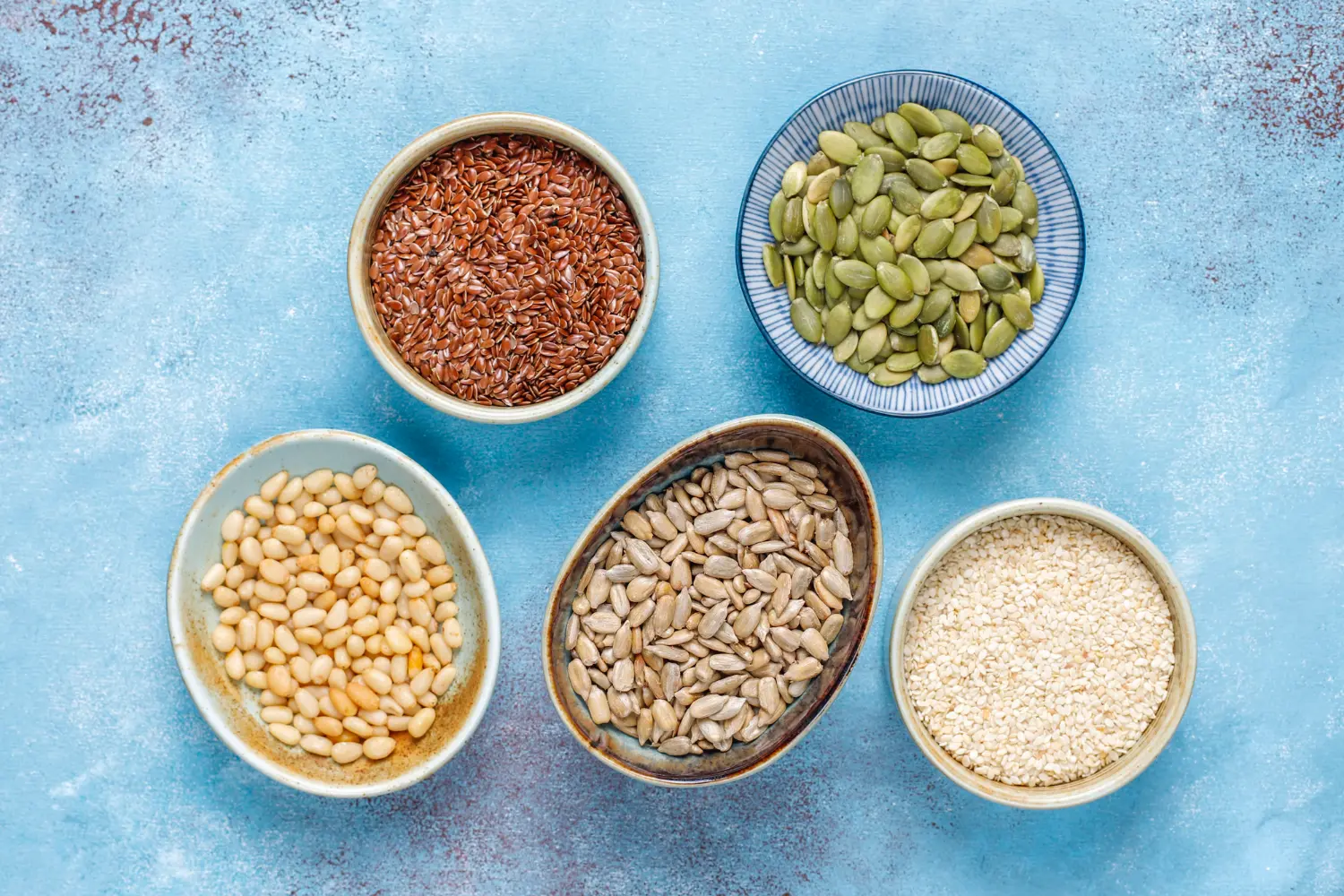
Nuts and seeds are nutritious, but portion control is important because they are relatively energy-dense. The ICMR-NIN Dietary Guidelines 2024 recommend consuming modest portions of nuts and seeds as part of a balanced diet.[4]
A practical serving may be around 25–30 g, depending on the food and an individual’s overall dietary requirements.
For instance, it is stated that eating 30 g of pumpkin seeds consists of about 9 g of protein; however, consuming 30 g of almonds provides only about 6 g of protein.
Various types of nuts and seeds can be mixed for more nutritious meals rather than depending on just one food to meet protein needs.
For vegetarian and plant-based diet followers, nuts and seeds should typically be consumed in combination with protein-rich foods like lentils, beans, chickpeas, soy products, dairy, etc.
The Bottom Line

Among other foods, seeds and nuts like hemp seeds, sunflower seeds, pistachios, pumpkin seeds, peanuts, almonds, and flaxseeds are some good sources of protein as well. Many provide much more protein than eggs on a gram-to-gram basis, but that does not mean they have higher protein content in a serving than eggs.
Their advantage is that they provide not only protein, but also other nutrients, including healthy fats, fiber, minerals, and various plant compounds.
To have a balanced diet, it is advised to use nuts and seeds with other foods and not to rely on them as the only source of protein.
FAQs
Q. Which nuts and seeds are highest in protein?
Hemp, pumpkin, peanuts, almonds, sunflower seeds, pistachios, and flaxseeds have high levels of protein.
Q. Are nuts and seeds richer in protein than eggs?
Indeed, while some of them are richer than eggs per 100 grams of the product, eating less of nuts and seeds allows them to provide protein.
Q. Are nuts and seeds good sources of protein?
Yes, they are rich in protein as well as fiber, healthy fats, and some important minerals, to be a source of good nutrition.
Q. Are peanuts nuts?
Peanuts are legumes, but they are often considered nuts from a nutritional aspect.
Q. How many nuts and seeds must be consumed daily?
25-30 grams of nuts is a good deficit for the majority of people, depending on their dietary habits.
Q. Are almonds high in protein?
Yes, almonds contain protein, fiber, vitamin E, healthy fats, and minerals.
Q. Are flaxseeds healthy in terms of protein?
Flaxseeds are full of protein as well as fiber and omega-3 fatty acids.
Q. Are nuts and seeds a substitute for eggs?
They can be helpful in terms of protein nutrition, but they are not a substitute for eggs in the diet.
(The article is written by Deepa Sarkar, Senior Medical Writer, and reviewed by Monalisa Deka, Deputy Manager, Clinical Health & Content, Medical Affairs)
References
- ICMR-National Institute of Nutrition. Dietary Guidelines for Indians 2024. Hyderabad: National Institute of Nutrition, Indian Council of Medical Research; 2024.
- Longvah T, Ananthan R, Bhaskarachary K, Venkaiah K, editors. Indian Food Composition Tables 2017. Hyderabad: National Institute of Nutrition, Indian Council of Medical Research; 2017.
- Indian Council of Medical Research-National Institute of Nutrition. Dietary Guidelines for Indians 2024. Hyderabad: National Institute of Nutrition, Indian Council of Medical Research; 2024.
- Indian Council of Medical Research-National Institute of Nutrition. Dietary Guidelines for Indians 2024: Guideline 1—Eat a variety of foods to ensure a balanced diet. Hyderabad: National Institute of Nutrition, Indian Council of Medical Research; 2024.