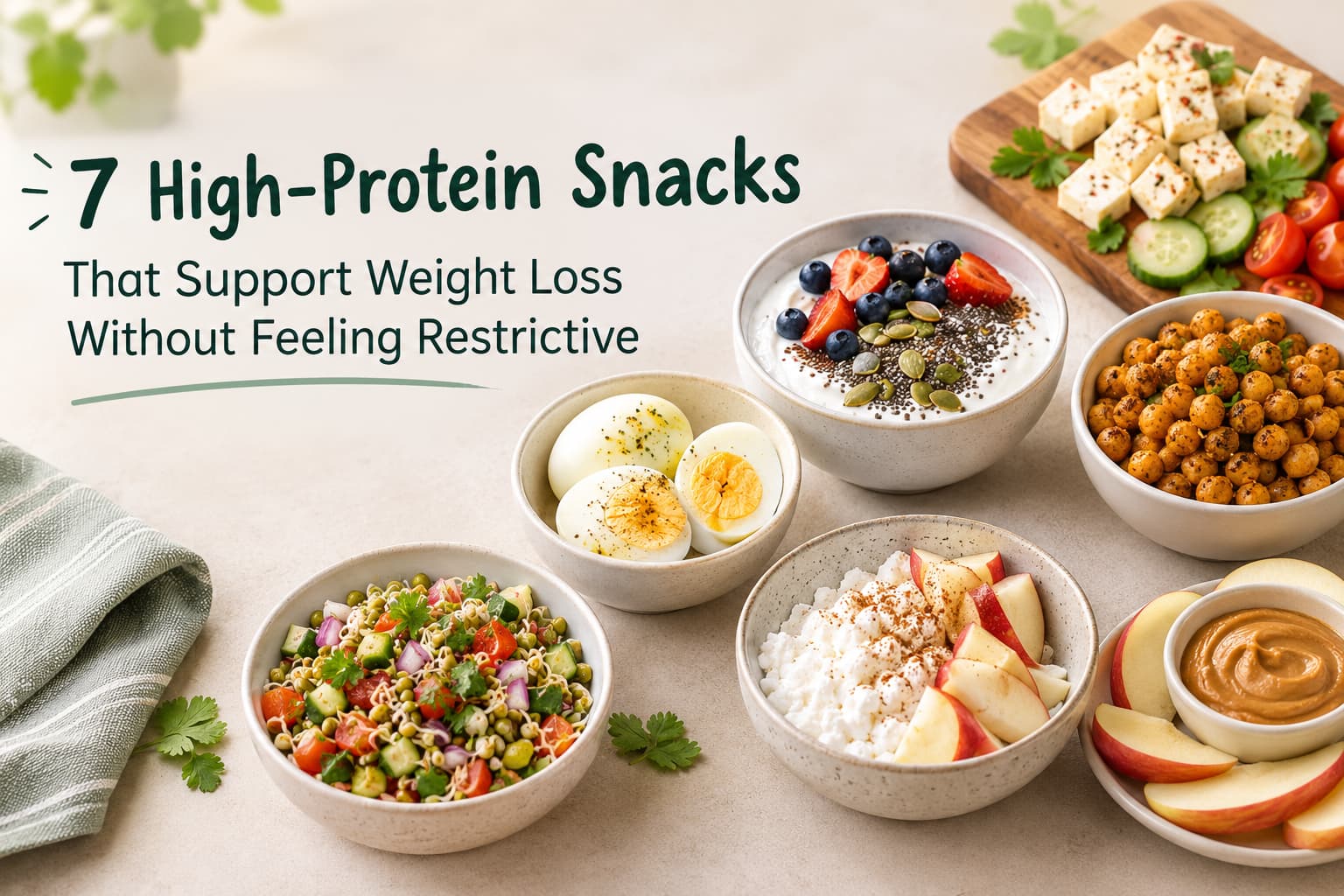
Trying to lose weight doesn’t mean you have to ignore your hunger.
In fact, constantly telling yourself that you’re “not allowed” to snack can make healthy eating feel like a punishment. A better approach is to choose snacks that keep you full, give you useful nutrients, and actually taste satisfying.
Protein can help here. It takes longer to digest than carbohydrates and can help you feel satisfied after eating. A protein-rich snack between meals may also make it easier to avoid reaching for biscuits, chips, or sweets when hunger suddenly hits.
The trick is to focus on simple foods and sensible portions. You don’t need fancy protein bars or complicated recipes. Your kitchen probably already has several suitable options.
Here are seven high-protein snacks you can add to your routine without making your diet feel restrictive.
1. Greek Yogurt With Fruit and Seeds

Greek yogurt is one of the easiest snacks to keep around when you’re trying to eat more protein. Depending on the brand and portion, it can provide a good amount of protein without requiring any cooking.
Add some berries, chopped apple, banana, or whatever fruit you already have at home. You can also add a teaspoon of chia or pumpkin seeds for extra texture and nutrients.
If you prefer something sweet, cinnamon and a small amount of honey can make plain yogurt more enjoyable. You don’t need to turn it into a dessert-sized bowl. A moderate portion is enough for a satisfying snack.
Choose plain or unsweetened Greek yogurt when possible, especially if flavored yogurts contain a lot of added sugar.
And if you’re already paying attention to healthy fats in your diet, you may also enjoy this related read on choosing between avocado and ghee: Avocado vs. Ghee: What’s the Healthier Choice for Your Heart?
2. Boiled Eggs With a Little Chaat Masala
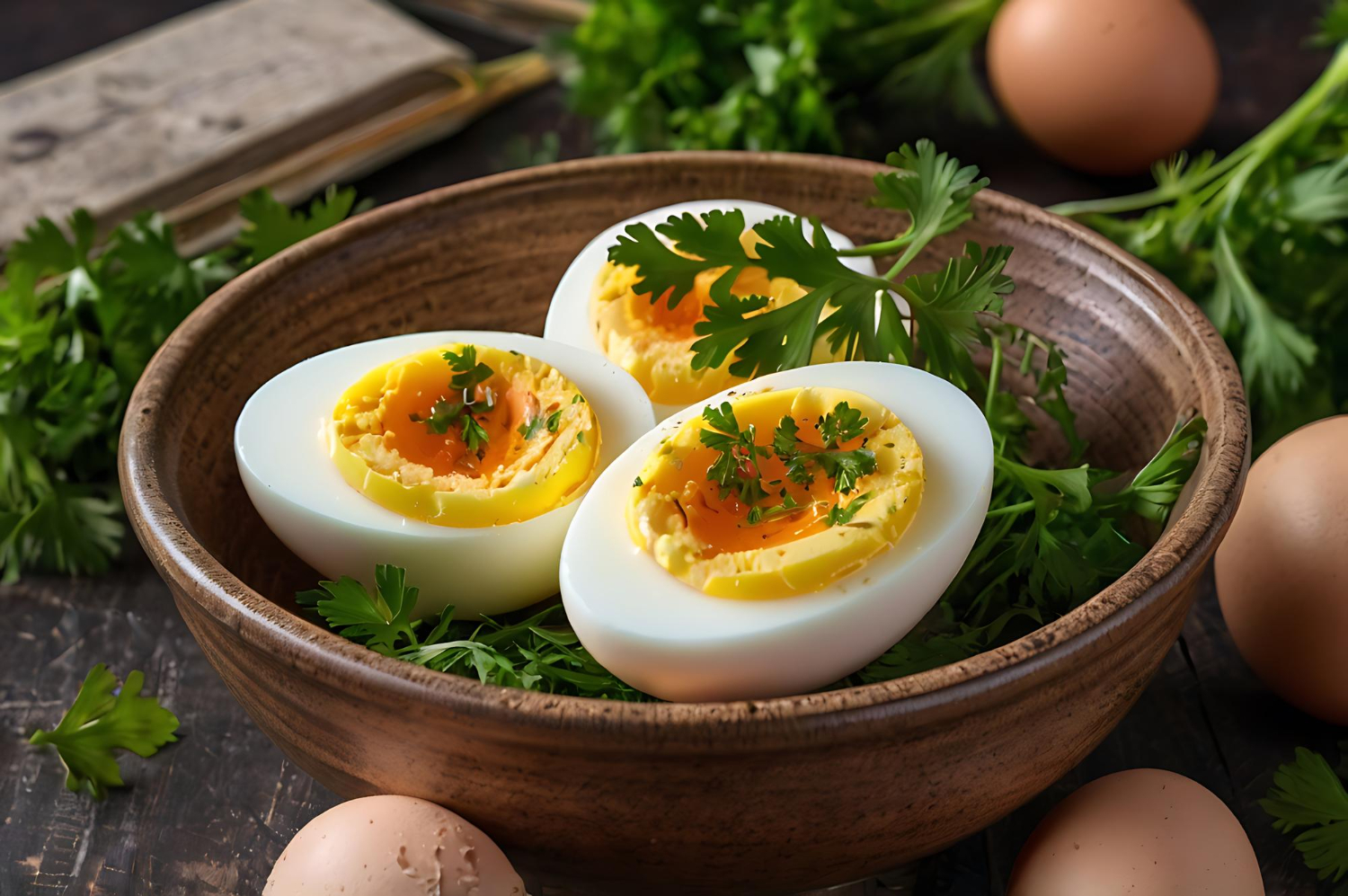
Boiled eggs are proof that a snack doesn’t have to be complicated.
Eggs contain high-quality protein and are easy to prepare ahead of time. Boil a few at once, keep them refrigerated, and you have a quick snack ready when hunger shows up.
You can eat them as they are or add black pepper, chaat masala, or a squeeze of lemon. Pair them with cucumber or tomato if you want something fresh and crunchy on the side.
Eggs can be especially useful when you get hungry between lunch and dinner. Instead of waiting until you’re starving and then eating whatever is available, having a ready-to-eat protein source can help you make a more balanced choice.
Just remember that adding lots of mayonnaise, butter, cheese, or creamy sauces can quickly turn a simple snack into a much heavier one.
3. Roasted Chana
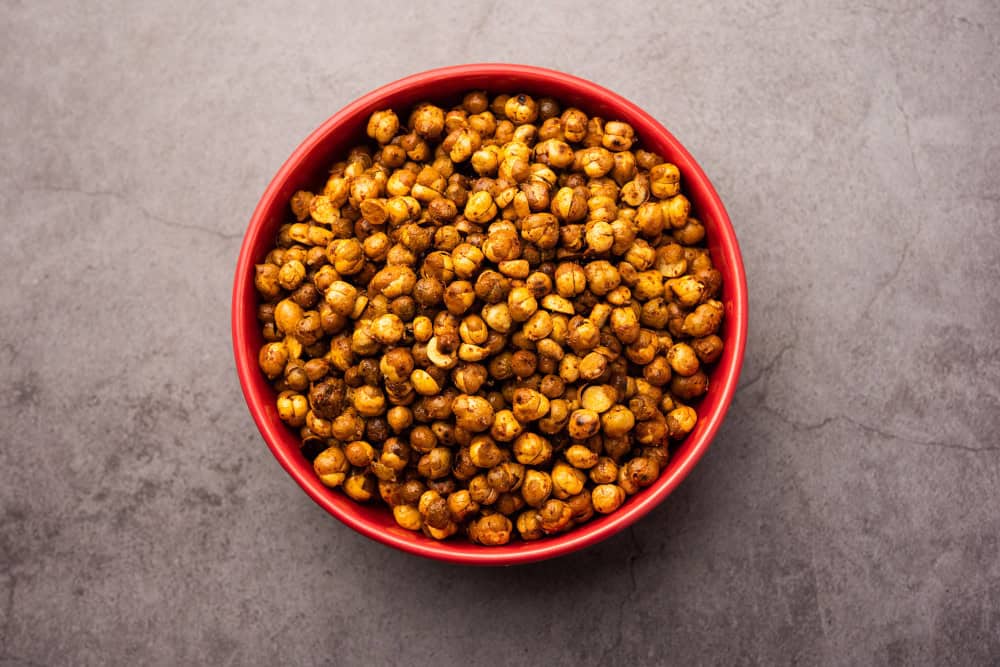
Roasted chana is an underrated snack.
It’s inexpensive, easy to carry, and works well when you want something crunchy. It also provides protein along with fiber, which can help you feel satisfied.
You can eat a small handful on its own or make a quick chana mix with chopped onion, tomato, coriander, lemon juice, and a little chaat masala.
The homemade version gives you more control over salt and added ingredients. It also feels more like a real snack than something you’re eating just because you’re trying to lose weight.
One thing to watch is portion size. Roasted chana is nutritious, but eating straight from a large packet makes it easy to keep reaching for more.
Measure out a serving into a bowl instead. Your future self will thank you.
4. Paneer With Cucumber or Tomato
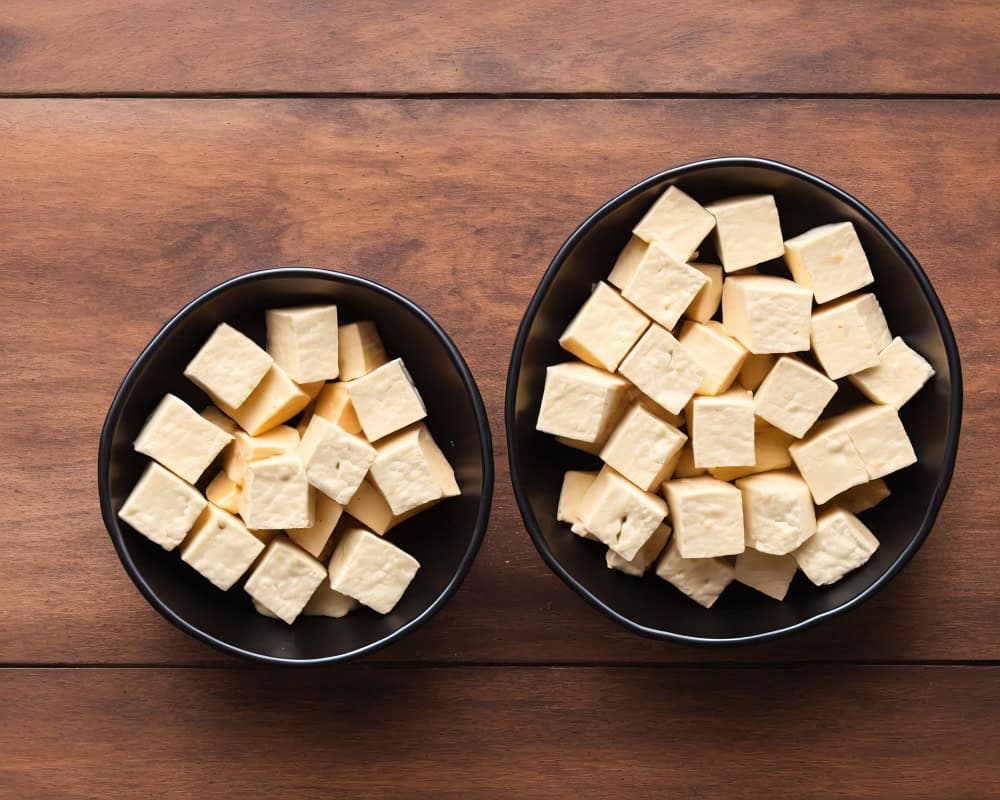
If you enjoy Indian food, paneer can make a filling protein-rich snack.
Cut a small portion of paneer into cubes and pair it with cucumber, tomato, or bell peppers. Add black pepper, chili flakes, or chaat masala for flavor.
You can also lightly grill the paneer if you have a few extra minutes. The warm, slightly crisp edges make it feel much more satisfying than eating the same cubes straight from the refrigerator.
Paneer is higher in calories than some leaner protein sources, so portion size matters when your goal is weight loss. You don’t need to avoid it. Just keep the serving reasonable and build the snack around protein and vegetables rather than adding large amounts of oil or rich sauces.
This is also a good example of why weight-loss snacks don’t have to be “diet food.” A flavorful paneer snack can fit into a balanced eating pattern without feeling like you’re giving something up.
5. Sprouts Chaat
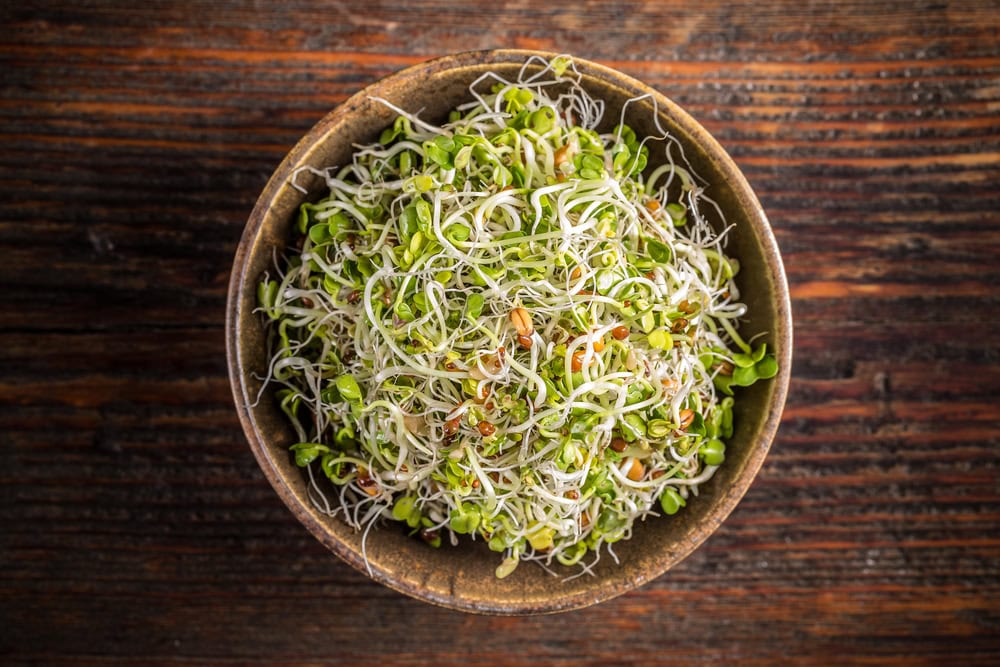
Sprouts chaat is a simple option when you want something fresh, crunchy, and filling.
Mix moong sprouts with chopped cucumber, tomato, onion, coriander, lemon juice, and a little chaat masala. You can add a small amount of roasted chana or peanuts if you want more texture.
Sprouts provide protein and fiber, while the vegetables add volume to the snack. The lemon and spices also mean you don’t need a heavy dressing to make it enjoyable.
If raw sprouts don’t agree with you, lightly steam them before making the chaat. That can make them easier to eat while keeping the preparation simple.
The best part is that you can change the ingredients based on what’s available. There’s no need to follow a strict recipe. Add the vegetables you like and keep the portion appropriate for a snack.
6. Cottage Cheese With Fruit or Vegetables
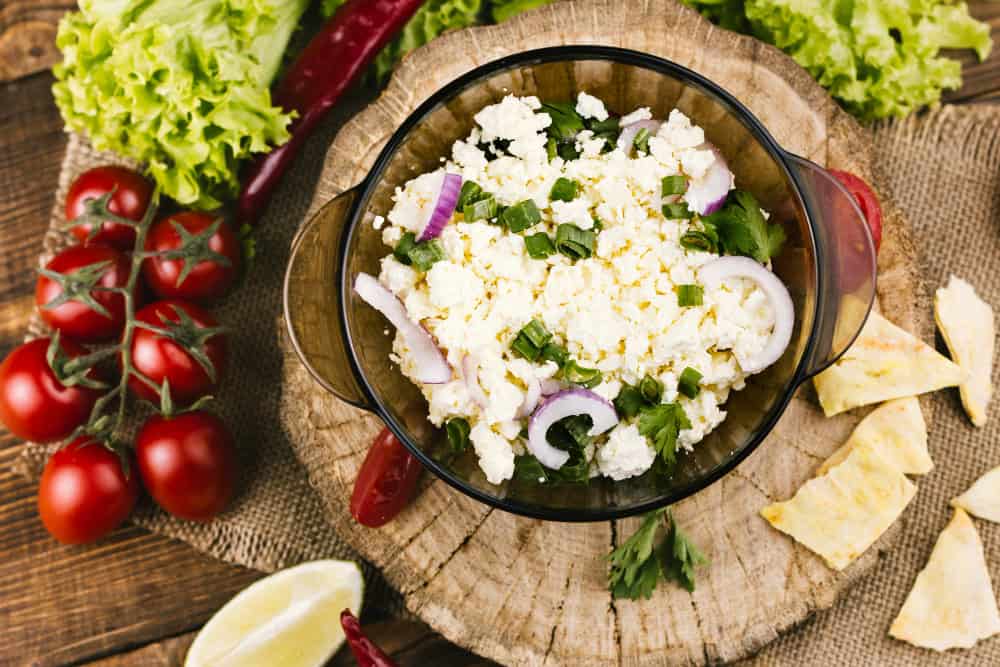
Cottage cheese is another convenient protein option, especially if you prefer mild, creamy foods.
You can pair it with sliced fruit for a slightly sweet snack or use cucumber, tomato, pepper, and herbs for a savory version.
If you find cottage cheese too plain, season it with black pepper, chili flakes, lemon juice, or your favorite herbs. A little seasoning can make a surprisingly big difference.
Look at the nutrition label when choosing packaged cottage cheese. Protein and calorie content can vary between products, so comparing labels can help you pick an option that fits your needs.
For a sweet version, try cottage cheese with chopped apple and cinnamon. For a savory snack, combine it with cucumber and tomatoes. Both take only a few minutes to prepare.
7. Apple With Peanut Butter
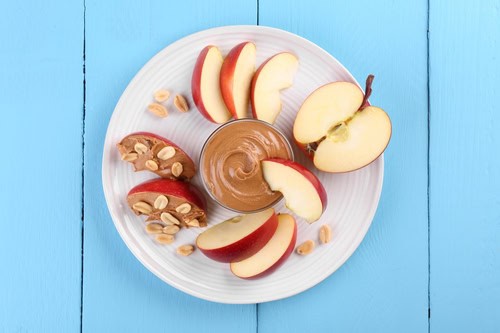
An apple with peanut butter can be a satisfying snack when you want something sweet and crunchy.
The apple provides carbohydrates and fiber, while peanut butter adds protein and fat. Together, they can make a snack that feels much more substantial than eating fruit alone.
The important part is the peanut butter portion. It contains useful nutrients, but it’s also calorie-dense. A spoonful can become several spoonfuls very quickly when you’re eating directly from the jar.
Try spreading a measured amount on apple slices instead.
You can also use peanut butter with banana, whole-grain toast, or celery. If you’re buying packaged peanut butter, check the ingredient list and choose one without unnecessary added sugar or large amounts of added oils when possible.
If coffee is part of your daily routine, you can also read about some of the potential benefits of drinking it without added sugar or milk: Black Coffee for Better Health: 6 Benefits You May Get From Your Daily Cup
How to Make These Snacks Work for Weight Loss
A high-protein snack isn’t automatically a weight-loss snack.
What matters is how it fits into your overall eating pattern.
For example, nuts, peanut butter, paneer, and seeds can all be nutritious, but they’re also energy-dense. Large portions can add a lot of calories even when the food itself is healthy.
Try to eat your snack when you’re actually hungry rather than because the clock says it’s “snack time.” Keep portions reasonable and combine protein with fruit, vegetables, or another filling food when it makes sense.
It also helps to plan ahead. Keep boiled eggs in the refrigerator, roasted chana in your pantry, or yogurt ready to grab. When you’re hungry and tired, convenience often wins. Make the healthier option the convenient one.
Most importantly, don’t expect every snack to be perfect. Some days you’ll eat an apple and peanut butter. Other days you’ll eat a biscuit with your tea. One snack won’t decide whether you reach your goal. Your overall habits matter much more.
FAQs
1. Are high-protein snacks good for weight loss?
They can be. Protein may help you feel fuller and can make it easier to manage hunger between meals. The overall portion and your total diet still matter, though. A high-protein snack can contribute to weight loss when it fits within your overall calorie and nutrition needs.
2. How much protein should a snack contain?
There isn’t one number that works for everyone. A snack providing around 10–20 grams of protein can be a practical target for many people, depending on their overall diet and individual needs. Your daily protein requirement matters more than hitting an exact number at every snack.
3. Can I eat paneer while trying to lose weight?
Yes. Paneer can be part of a weight-loss diet because it provides protein and can be filling. Since it can also be relatively high in calories and fat, pay attention to the portion and how much oil or butter you use while preparing it.
4. Is roasted chana better than chips for weight loss?
Roasted chana can be a more filling choice because it provides protein and fiber, while many chips are high in calories and easy to overeat. That doesn’t mean you can never eat chips. It simply means roasted chana may work better as a regular snack when you’re trying to stay satisfied.
5. Can I eat fruit with a high-protein snack?
Yes. Pairing fruit with protein can make a snack more satisfying. Try an apple with peanut butter, fruit with Greek yogurt, or cottage cheese with berries. The combination also gives you different nutrients and textures.
6. Are protein bars necessary for weight loss?
No. Protein bars can be convenient, but you don’t need them to lose weight. Foods such as eggs, Greek yogurt, roasted chana, paneer, sprouts, and cottage cheese can provide protein without relying on packaged snacks.
7. What is the best time to eat a protein-rich snack?
There isn’t a universally “best” time. You can have one between meals when you’re genuinely hungry, before or after exercise, or at another time that fits your routine. The goal is to use snacks to support your hunger and eating pattern, not to add unnecessary calories.
8. Can I eat these snacks every day?
You can rotate them based on your preferences and overall diet. Eating the same snack every day isn’t a problem if it fits your nutritional needs, but having a few options makes your routine easier to stick with.
9. What should I drink with these snacks?
Water is the simplest choice. Unsweetened tea or coffee can also work if you enjoy them. If you’re adding sugar, cream, or flavored syrups to drinks, remember that these can add calories without making the snack much more filling.