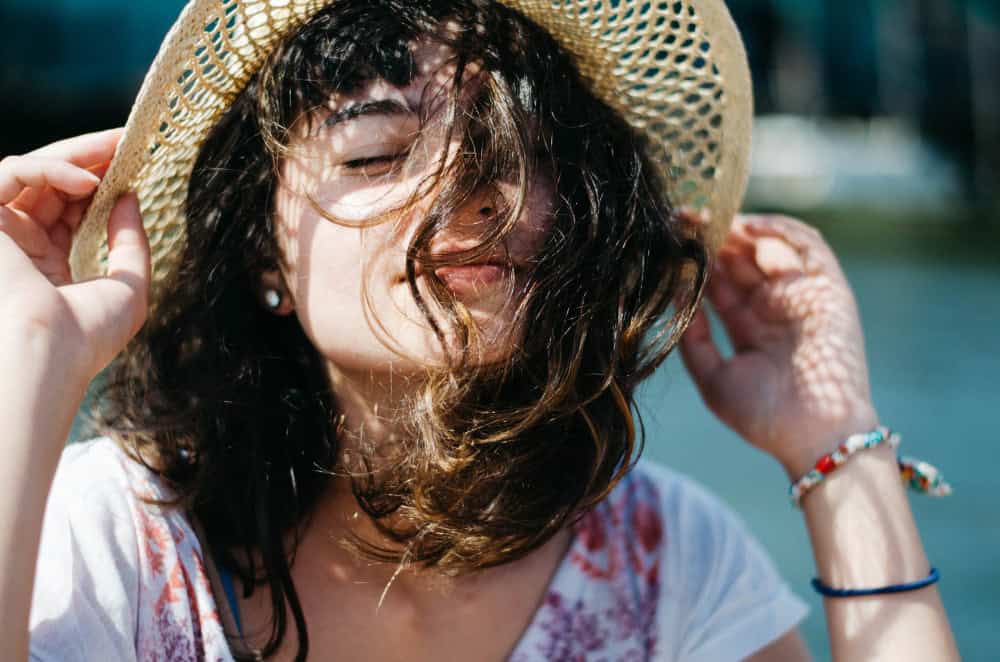
Most people remember sunscreen when stepping out in the sun. But hair protection rarely gets the same attention. Your hair faces the same sunlight, heat, and pollution that your skin does. Over time, strong UV rays can weaken hair strands, fade natural color, and make hair feel dry and rough.
If your hair feels frizzy after a day in the sun, UV exposure could be one reason. Sunlight can break down proteins in the hair shaft. It also strips away natural oils that keep hair smooth and healthy.
The good news is that protecting your hair from UV damage is not complicated. A few simple habits can help keep your hair strong, soft, and manageable even during hot sunny days.
Here are six ways you can protect your hair from sun damage and keep it healthy.
1. Cover Your Hair When You Step Out
One of the easiest ways to protect your hair from UV damage is to cover it. A scarf, hat, or cap acts as a simple barrier between your hair and strong sunlight.
Think of it as sunscreen for your hair. When the sun is strong, especially during midday hours, covering your hair can prevent direct UV exposure.
A cotton scarf works well in hot weather because it allows airflow while protecting your hair. Hats and caps also reduce heat exposure on your scalp. This small habit can prevent dryness and color fading over time.
If you already carry sunglasses during summer, adding a scarf or cap to your routine is not a big change.
2. Use Hair Oils Before Sun Exposure
Hair oils can help form a protective layer around your hair strands. When applied before stepping out, oil can help reduce moisture loss caused by sunlight and heat.
Coconut oil, almond oil, and argan oil are common choices. These oils coat the hair shaft and help reduce dryness.
You don’t need to use a lot. Just take a few drops, rub them between your palms, and apply lightly through the length of your hair. This simple step can help your hair stay smoother and less frizzy during sunny days.
Many people think oil should only be used before washing hair. But a small amount during the day can also help protect your hair from environmental stress.
3. Avoid Excess Heat Styling In Sunny Weather
Your hair already deals with heat from the sun. Adding more heat from styling tools can make things worse.
Frequent use of hair dryers, straighteners, and curling irons can weaken hair strands. When combined with UV exposure, this may lead to dryness, split ends, and breakage.
During hot weather, try to give your hair a break from heat styling. Let it air dry when possible. Choose simple hairstyles that don’t require heat tools.
Braids, loose buns, and ponytails can keep hair manageable while reducing stress on your strands.
Sometimes, the best hair care routine is simply doing less.
4. Wash Sweat And Dirt From Your Hair
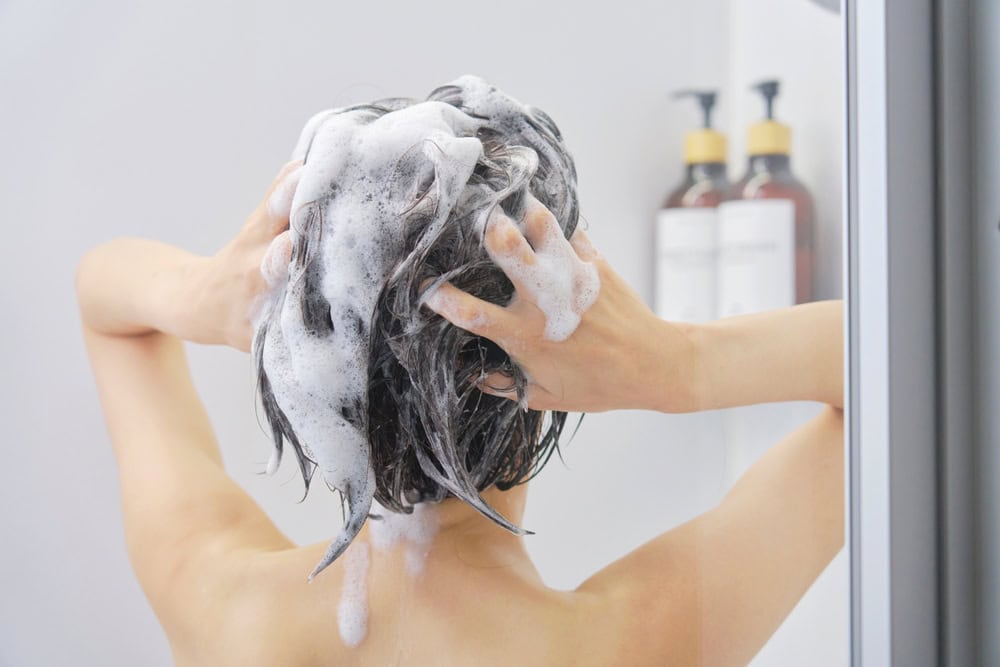
Sweat, dust, and pollution can build up on your scalp during hot days. When these mix with sun exposure, your scalp may feel irritated and your hair may look dull.
Washing your hair regularly helps remove sweat, dirt, and excess oil. This keeps your scalp clean and your hair feeling fresh.
You don’t have to wash your hair every day, but washing it after long outdoor exposure can help maintain scalp health.
Use a gentle shampoo and follow with a conditioner to restore moisture. Conditioner helps smooth the hair cuticle and reduce dryness caused by sun and heat.
Clean hair is often easier to manage and less prone to damage.
5. Keep Your Hair Hydrated
Sun exposure can remove moisture from your hair strands. When hair loses moisture, it starts to feel rough and brittle.
Keeping your hair hydrated helps maintain its strength and texture.
Using a conditioner after washing your hair can help lock in moisture. Hair masks once or twice a week can also help restore hydration.
Simple home options like a yogurt hair mask, aloe vera gel, or coconut milk can support moisture balance. These ingredients help coat the hair shaft and reduce dryness.
Hydrated hair usually looks shinier and feels softer.
6. Eat Foods That Support Hair Health
Hair protection is not only about what you apply outside. What you eat also plays a role in how your hair responds to environmental stress.
A balanced diet that includes vitamins, minerals, and protein supports stronger hair strands.
Foods rich in vitamin C help support collagen production. Collagen helps maintain hair structure. Nuts and seeds provide healthy fats that support scalp health. Leafy greens supply iron and antioxidants that support healthy hair growth.
Drinking enough water also helps keep your hair and scalp hydrated from within.
When your body receives the right nutrients, your hair often becomes more resilient to damage.
Hair Health Is A Daily Habit
Hair damage rarely happens overnight. It builds up slowly through repeated exposure to heat, sunlight, and environmental stress.
The same is true for protection. Small habits done daily can make a noticeable difference over time.
Covering your hair, reducing heat styling, keeping your scalp clean, and eating nourishing foods all support healthier hair. These habits do not require expensive treatments or complicated routines.
Sometimes simple care works best.
Frequently Asked Questions
1. Can the sun really damage hair?
Yes, strong UV rays can damage hair. Sun exposure can weaken hair proteins and remove natural oils from the hair shaft. Over time, this may lead to dryness, dullness, and breakage.
2. How can I tell if my hair has sun damage?
Hair that feels rough, dry, or brittle after sun exposure may be affected by UV damage. Color fading, frizz, and split ends can also appear after repeated sun exposure.
3. Does oil protect hair from sun damage?
Hair oils can help reduce moisture loss and create a protective layer around hair strands. While oils cannot completely block UV rays, they can help reduce dryness caused by sun exposure.
4. Should I wash my hair after being in the sun?
If your scalp feels sweaty or dirty after spending time outdoors, washing your hair can help remove sweat, dust, and pollution. Clean hair and scalp support overall hair health.
5. Can diet affect hair strength?
Yes, diet plays a role in hair health. Nutrients such as protein, vitamin C, iron, and healthy fats help support strong hair strands and scalp health.
6. Are hats helpful for protecting hair from UV rays?
Yes, hats and scarves can help block direct sunlight and reduce UV exposure. They are one of the easiest ways to protect hair and scalp during strong sun conditions.
(The article is written by Mantasha, Sr. Executive, Clinical Health & Content, and reviewed by Monalisa Deka, Deputy Manager, Clinical Health & Content, Medical Affairs.)