
When the intense temperatures of summer are replaced by relatively mild and cooler temperatures associated with the onset of monsoon rains, many people enjoy this change of temperature and the excitement of refreshing and nourishing rain. But unfortunately, along with returning rainfall and lower temperatures, there is often an increase in the number of people suffering from seasonal viruses, seasonal flu, dengue fever, malaria, typhoid, and gastrointestinal illnesses.
Although there is no single health test that accurately measures your level of immunity, there are certain laboratory tests that provide valuable information regarding your overall health, nutritional status, and immune function. By identifying any deficiencies or other factors that may be contributing to your immune function before the start of the rainy season, you can take appropriate precautions to reduce your chances of becoming ill.
Below is a list of 5 laboratory tests that doctors often recommend for routine screening of the factors associated with healthy immune function before the onset of monsoon weather:
Is Immunity Important During Monsoon Weather?

The rainy season can create an environment in which pathogens (germs and bacteria) and mosquitoes can easily survive and breed. Together with the moisture from rising humidity, the presence of contaminated water, and the accumulation of stagnant water, these factors create a risk of the transmission of contagious diseases.
When you have a strong and healthy immune system, it helps your body recognize all pathogens, including (but not limited to) viruses and bacteria, and to attack and eliminate them before they have an opportunity to make you sick. However, various nutritional deficiencies, chronic stress, insufficient sleep, underlying health conditions, and unhealthy lifestyle behaviours can weaken your immune defences (your immune response).
Routine health screenings provide an opportunity to identify potential problems early.
1. CBC
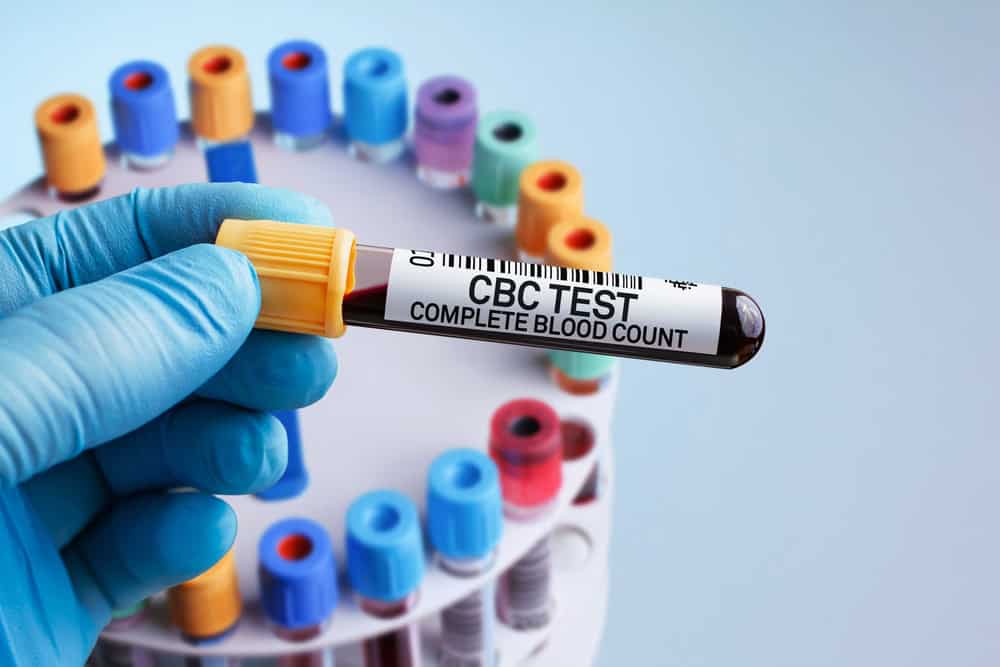
A CBC, short for Complete blood count, is one of the most frequently ordered tests for assessing general health.
In this test, a healthcare provider measures four elements in a blood sample, including:
- White blood cells (WBC’s)
- Red blood cells (RBC’s)
- Hemoglobin
- Platelets
WBC’s play a vital role in the immune system. WBC’s being too high or too low often means that you have an infection, are experiencing some inflammation, or have some other health issue.
A CBC can also help to identify anemia, which could lead to fatigue or a general feeling of unwellness.
Why may your doctor recommend a CBC before the monsoon?
A CBC provides your healthcare provider with a baseline of your health status before the monsoon and can help identify any asymptomatic infections or abnormalities that may impair your capacity to fight illness.
Want to know if your blood counts are within a healthy range? Book a CBC test from the comfort of your home with Tata 1mg.
2. Vitamin D Test
Vitamin D is commonly recognized as essential for bone health. However, it’s equally significant for the immune system.
Several studies have shown that vitamin D has a major role in the regulation of immune function and may help to enhance the body’s ability to protect against specific infections.
Vitamin D is widely available through sun exposure in many areas of the world; despite this fact, vitamin D deficiency is commonly seen.
Common symptoms of low levels of vitamin D include:
- Fatigue
- Weak muscles
- Frequent infections
- Discomfort in bones
Why your doctor may recommend a Vitamin D test before the monsoon?
Vitamin D plays a major part in the immune system; therefore, you need to determine whether you are deficient in vitamin D before the monsoon so that you can remediate the deficiency.
Concerned about low vitamin D levels? Get tested with Tata 1mg and take the first step toward better health.
3. B12 Test

Vitamin B12 plays a significant role in nerve functioning, producing red blood cells, and maintaining an overall state of health.
Lack of Vitamin B12 can lead to symptoms such as:
- Tiredness
- Weakness
- Dizziness
- Difficulty concentrating
Although vitamin B12 is not a direct indicator of immune functioning, its absence can impact the body in a general way, as well as the amount of energy you possess.
Those who may be at a higher risk of having insufficient amounts of vitamin B12 include vegetarians, older adults, and individuals with digestive disorders.
Why Doctors Recommend the Test Before Monsoon?
Having optimal amounts of nutrients within the body allows for optimal functioning and, therefore, promotes overall health during the time of year when infections happen much more frequently.
Feeling tired or low on energy? Check your Vitamin B12 levels with a simple lab test from Tata 1mg.
4. C-Reactive Protein (CRP) Measurement
C-Reactive Protein (CRP) is a laboratory test used to assess levels of systemic inflammation in the human body. When there is an infection or an injury, the body activates the immune system and may raise the levels of CRP in the blood.
A high CRP level cannot identify a specific disease, but it can identify inflammation and or infection within the body.
Elevated CRP can be caused by:
- Acute infections
- Chronic inflammatory disorders
- Autoimmune disorders
- Cardiovascular conditions
Why Doctors Recommend it Before Monsoon?
Measuring CRP can help identify the presence of inflammation within the body and determine if additional tests may be needed to further assess for illness before seasonally prevalent illness occurs.
Looking to identify signs of inflammation? Schedule a CRP test conveniently through Tata 1mg.
5. Blood Sugar Testing (Fasting Blood Glucose or HbA1c)
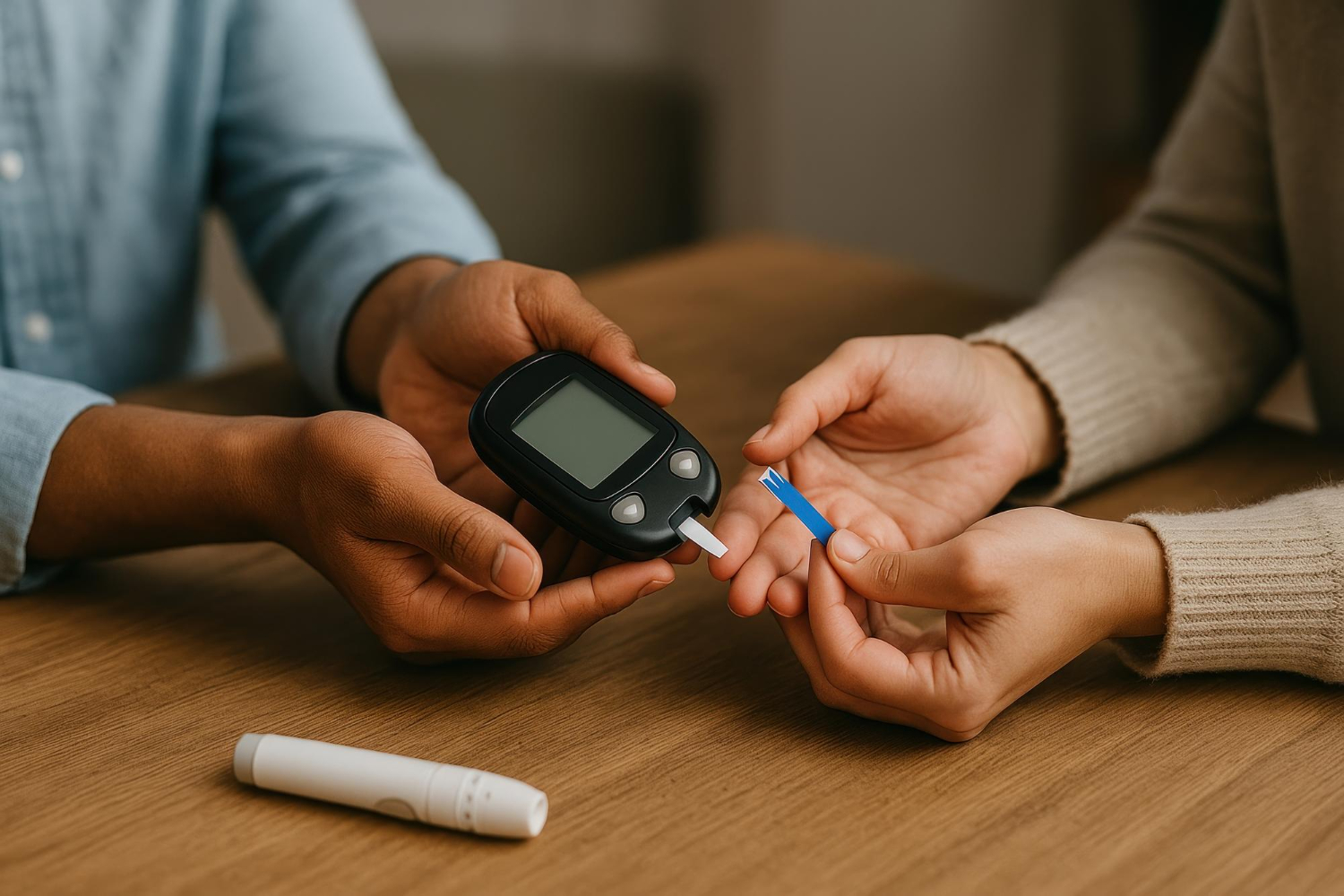
Many individuals are surprised to find out that blood sugar testing is included in an immunity checklist. However, unregulated blood sugar levels can have a very negative impact on the function of the immune system and make it easier to catch infections.
Individuals with diabetes have a higher chance of experiencing:
- Skin infections
- Respiratory infections
- Delayed wound healing
- Severe illness due to infection
Why Doctors Recommend This Before Monsoon?
Checking your blood sugar can help to identify prediabetes or diabetes, and therefore allow for better management of those conditions prior to monsoon season.
Monitor your blood sugar levels before the monsoon. Book a diabetes screening test with Tata 1mg today.
Other Tests Your Doctor May Suggest
 The following tests may be recommended by your physician, depending upon your age, symptoms, medical history, and associated risk factors:
Iron Studies
Iron deficiency can have a significant adverse effect on an individual’s energy level and ability to perform physically.
Zinc Testing
Zinc helps to support numerous functions of the immune system as well as the healing of wounds.
Thyroid Function Testing
Thyroid disorders can negatively impact metabolism, energy levels, overall health and well-being.
Liver & Kidney Function Testing
These tests provide a comprehensive assessment of organ health and detect possible underlying problems impacting an individual’s health and well-being.
Will Medical Tests Show Whether I Will Get Sick?

Not really. Although there are many tests available, nothing can tell you definitively whether or not you will get sick (develop an infection) during the monsoon season; however, in many cases, lab tests can find certain risk factors that can affect your health and immune system.
You can think of these tests as pictures of your Health rather than measuring your immunity directly, so they indicate things that might be wrong in your body before they become a problem, i.e., correctable issues, i.e., Nutritional deficiencies, uncontrolled diabetes; Anemia; Continuing inflammation.
Other Ways to Maintain Immune Function Before the Monsoon Season

Lab tests are only part of the equation. To maximize immune function during the monsoon season, practice the following behaviors:
- Maintain a balanced diet and consume fruits and vegetables that can help support the immune system.
- Engage in regular physical activity.
- Get 7-9 hours of sleep per night on average.
- Decrease work/life stressors wherever possible.
- Stay hydrated.
- Engage in good handwashing and other sanitary practices regularly.
- Maintain vaccinations before and as per schedule.
- Avoid tobacco and excessive use of alcohol.
Each of these healthy lifestyle habits contributes significantly to overall health and, consequently, immune function.
The Bottom Line

As monsoon season approaches with increased infection rates, preventive healthcare is crucial. There is no test available that can specify how strong an immune system is; however, laboratory tests can be used to measure and assess factors influencing immune health.
Complete blood count (CBC), Vitamin D, Vitamin B12, CRP (C-Reactive Protein) testing, and blood glucose (sugar) tests can help identify deficiencies, inflammation, or underlying health issues that may require medical attention. Along with healthy lifestyle habits, these tests may improve preparation for the monsoon season and increase confidence in your current health.
FAQs
1. Which blood test is best for checking immunity?
There is no single test to assess or measure immunity. However, the CBC is often used to evaluate the components found in blood that are related to your immune system (e.g., white blood cells).
2. Will vitamin deficiencies affect immunity?
Yes, deficiency of vitamins (vitamin D, vitamin B12), minerals (zinc, iron), and other nutrients will adversely affect your overall health and ability to provide immune function.
3. Should healthy adults have immunity tests before the monsoon season?
Routine testing may be helpful if you get sick frequently, have a nutritional deficiency, have chronic (long-lasting) diseases, or have concerns regarding your health.
4. Will a CBC indicate an infection?
The CBC evaluates the number of white blood cells in your body, and any increase or decrease could indicate an infection or inflammation in the body.
5. What is the recommended frequency for checking vitamin D levels?
The number of times you will check your Vitamin D levels will depend on your overall health, your risk factors, and how often your doctor schedules it.
6. Is CRP an immune test?
No, CRP is a measure of inflammation in the body and does not measure immunity; it shows whether you may have an infection or another inflammatory condition.
7. Does elevated blood sugar have any effect on the immune system?
Elevated blood sugar levels affect your ability to mount a proper immune response, thereby putting you at greater risk for developing an infection.
8. Are lab tests sufficient for having a strong immune system?
Lab tests are not enough for maintaining a strong immune system; healthy eating, regular exercise, adequate sleep, stress-management techniques, and routine preventative care are essential for optimal immune function.
(The article is written by Deepa Sarkar, Senior Medical Writer, and reviewed by Monalisa Deka, Deputy Manager, Clinical Health & Content, Medical Affairs)