
Have you ever felt breathless after climbing a couple of stairs and wondered, ‘Is this normal?’ Or dismissed occasional fatigue as stress? For most people, heart health doesn’t make a big deal in daily life until something dramatic happens. But the truth is, heart disease and heart attack risks often develop quietly, long before symptoms become obvious.
That’s why most cardiovascular diseases remain one of the leading causes of death globally [1]. The good news? Many heart risks can be identified early through the right screening tests and regular monitoring.
As Dr. Anuj Saini, Medical Expert at Tata 1mg, explains, “Prevention works best when paired with regular health monitoring. You can’t manage what you don’t measure.”
Understanding which heart attack risk tests to consider can help you stay a step ahead. Here are six key tests doctors commonly recommend to assess your heart health.
Top 6 Clinically Used Heart Attack Risk Tests

1. Lipid Profile: Knowing Your Cholesterol Story
Cholesterol is a type of fat in your blood. A lipid profile is a simple blood test that evaluates total cholesterol, LDL (bad) cholesterol, HDL (good) cholesterol, and triglycerides. When levels of LDL and triglycerides are high, and HDL is low, fatty deposits can build up inside your arteries. Over time, this can narrow the blood vessels and increase the chance of blockages. Many people with unhealthy cholesterol levels feel normal — that’s why this test is valuable even without symptoms. Adults over 30 with a family history of heart disease or other risk factors should consider having this test.
2. Blood Pressure Monitoring: Checking the Silent Pressure
High blood pressure (hypertension) doesn’t usually cause noticeable symptoms — that’s why it’s often called a “silent killer”. With each heartbeat, blood pushes against the arteries. If this pressure remains high over time, it can damage artery walls and make them more prone to plaque buildup. This test simply tracks your blood pressure. It can be done during a routine clinic visit or monitored at home using a reliable digital BP monitor. A consistently elevated reading or even slightly above normal levels can raise the chance of a heart attack.
Unlike many blood tests, a blood pressure check is quick and painless — and gives powerful insight into daily cardiovascular load.
Get yourself one and start monitoring today!
3. ECG (Electrocardiogram): Reading Your Heart’s Rhythm
Did you know that an ECG records the electrical activity of your heart? It can show how your heart is beating and whether the rhythm is normal. This is one of the heart attack risk tests that can detect:
– Irregular heartbeats (arrhythmias)
– Signs of prior silent heart injury
– Reduced blood flow in parts of the heart
– Structural strain
Many people only get an ECG after symptoms appear. But in risk assessment, it’s a non-invasive, informative snapshot of heart performance. An ECG is a painless and quick test that’s usually done in a clinic while you lie still.
4. hs-CRP (High-Sensitivity C-Reactive Protein): The Inflammation Signal
Inflammation is part of the body’s defence system. But when inflammation persists at low levels over time, it contributes to the formation and rupture of plaques in blood vessels — one of the triggers of heart attacks. A marker of chronic, low-grade inflammation, hs-CRP is a blood test that can measure low levels of C-reactive protein.
This test doesn’t diagnose heart disease by itself. Instead, it adds depth to your risk profile, especially when viewed alongside cholesterol and blood pressure data.
Book one today and take a step towards a healthier heart!
5. Fasting Blood Sugar & HbA1c: The Heart-Sugar Connection
High blood sugar can damage the lining of blood vessels and accelerate plaque formation — the same pathway that can lead to heart attacks. Even if you don’t have diabetes, blood sugar levels offer strong clues about your metabolic health and heart risk. Anyone with a family history of diabetes, overweight/obesity, high blood pressure, or cholesterol benefits from this test. It’s simple but profoundly informative when it comes to future cardiovascular risk.
Fasting blood sugar is the glucose level after an overnight fast. Whereas, HbA1c is the average blood sugar over the past 2–3 months.
Did anyone in your family suffer from diabetes?
Get a Simple Test Done and Stay Alert!
6. TMT (Treadmill Test): Seeing the Heart Under Stress
Also called an exercise stress test, TMT monitors your heart while you walk on a treadmill with gradually increasing intensity. Doctors monitor your heart rhythm, blood pressure, and any symptoms like breathlessness. Some people’s hearts look normal at rest but show stress-related changes when put under physical load. The TMT can reveal:
– Reduced blood flow during exertion
– Hidden coronary artery disease
– Exercise-induced arrhythmias
Thus, it’s often recommended for people with borderline symptoms or those planning to start vigorous exercise. TMT helps doctors see how your heart performs, not just how it appears at rest.
This isn’t a one-size-fits-all checklist — it’s a personalised assessment.
Talk to an Expert with All Your Questions!
When Should You Consider Testing?
 You might consider risk assessment if you have an ongoing condition or a family history of heart disease. Also consider if you use alcohol heavily, smoke, or experience unusual fatigue, breathlessness, or discomfort during exertion. Even if you feel fine, testing provides valuable insight — because many risk factors don’t cause early symptoms.
A Few Simple, Heart-Healthy Habits That Complement These Heart Attack Risk Tests
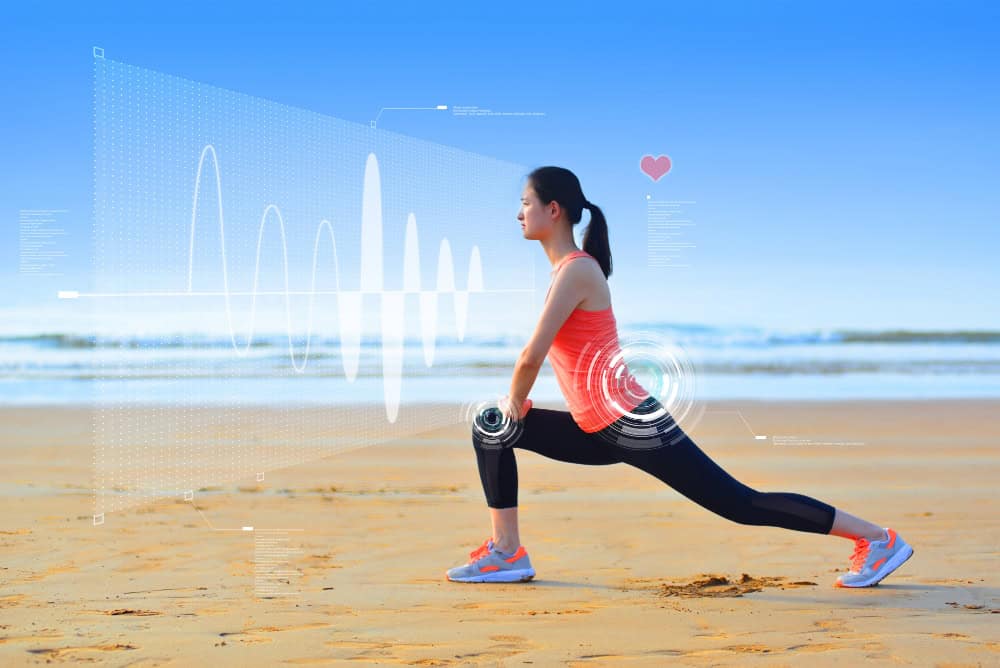 Testing gives you data — habits can give you control. Doctors can recommend choosing fibre-rich whole foods, reducing salt and added sugars, staying active regularly, and managing stress. Along with that, also try to avoid smoking and prioritise your good night’s sleep. These habits don’t replace tests, but they make your heart stronger and the results of testing more manageable.
What These Heart Attack Risk Tests Really Give You: Time
The goal of all these tests isn’t to make you anxious. It’s to give you time and clarity. Time to adjust your lifestyle gently, improve nutrition and activity habits, start or optimise medication if needed, and prevent damage. Risk isn’t destiny — but knowledge is power. Monitoring your heart’s health regularly can allow you to act early. Early insight can mean simpler interventions and better long-term outcomes.
FAQs
Q. What are the 5 risk markers of the heart?
Modern heart risk tests look beyond basic cholesterol. Doctors often check markers like Apolipoprotein B (ApoB), hs-CRP, Lipoprotein(a), the ApoB/ApoA1 ratio, and Non-HDL cholesterol. Together, these help estimate heart attack risk even before symptoms show up.
Q. What is the seven-second trick to prevent a heart attack?
There’s no proven 7-second trick to prevent a heart attack. But pausing to take slow, deep breaths can calm sudden stress and help reduce strain on the heart in the moment.
Q. Can I check my own risk of a heart attack?
You can estimate risk using age, weight, BP, lifestyle, and family history. But talking to a healthcare professional may give you better direction. Doctors might recommend blood tests and heart tests, as they give a much clearer and more reliable picture.
Q. Which one among the heart attack risk tests can show blocked arteries?
Tests like TMT (treadmill test) and angiography can suggest or show blocked arteries. Basic tests flag risk, but imaging confirms blockage.
Q. What are the warning signs of a heart attack?
Common signs include chest pressure, pain spreading to the arm or jaw, breathlessness, sweating, nausea, or unusual fatigue. Symptoms can be subtle, especially in women.
Q. How can one avoid a silent heart attack?
By regular health checks, controlling BP, sugar, and cholesterol, staying active, and not ignoring unusual tiredness or breathlessness.
Q. What is CRP?
CRP (C-reactive protein) is a marker of inflammation in the body. High levels may signal increased heart disease risk.
Q. How much sleep is needed for good heart health?
Most adults need 7–8 hours of good-quality sleep. Too little or poor sleep can raise blood pressure and heart risk over time.
Reference
1. World Health Organization: WHO. Cardiovascular diseases (CVDs). https://www.who.int/news-room/fact-sheets/detail/cardiovascular-diseases-(cvds). Published July 31, 2025.
(The article is written by Sneha Jajoo, Intern, Clinical Health & Content, and is reviewed by Dr.Subita Alagh, Assistant Team Lead, Disease Content.)