Urine Ketone, Qualitative


The Urine Ketone, Qualitative helps detect the presence of ketone bodies in the urine sample, which are produced when the human body metabolizes fat for energy due to inadequate carbohydrate intake. It is used to diagnose and monitor conditions such as ketosis, diabetic ketoacidosis (DKA), and other metabolic disorders.



Understanding Urine Ketone, Qualitative
The Urine Ketone, Qualitative test identifies ketones, substances produced by the liver as a by-product of fat metabolism occurring when carbohydrate intake is low, the body is in a fasting or starving state, or the body’s insulin levels are low.
In normal circumstances, ketone levels in the urine are minimal. However, elevated ketone levels can indicate metabolic imbalances such as diabetic ketoacidosis (DKA) in individuals with diabetes or ketosis from fasting or a ketogenic diet.
Consider getting tested if there are symptoms such as excessive thirst, frequent urination, or unexplained fatigue, suggestive of abnormal ketone levels. It is also used to monitor diabetes management or evaluate dietary impacts on metabolic health. This test is especially useful for diabetic individuals who are at risk of DKA (a severe complication characterized by high blood sugar levels and ketone production) and individuals who are on low-carbohydrate diets or undergoing prolonged fasting, as these can result in ketosis. Frequent monitoring through the urine ketone test helps manage and adjust treatment plans effectively, ensuring proper metabolic balance.
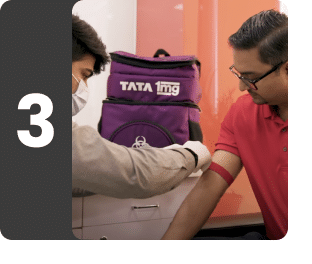
Drink enough water to provide a urine sample. A midstream urine sample should be collected into a sterile container provided by the sample collection professional. Women are advised not to give the sample during their menstrual period unless prescribed, as it can interfere with certain test results. It is advisable to follow the doctor’s instructions and inform them of any medications or supplements being taken, as these may affect the test results, potentially requiring adjustments or temporary discontinuation before the test.
Don't self-medicate at home solely based on these results, and always consult a doctor for a proper understanding of the test results. Narrate the complete medical history to help the doctor correlate clinical and laboratory findings. The results will help them determine the medical condition and formulate the treatment plan.
What does Urine Ketone, Qualitative measure?
The Urine Ketone, Qualitative test assesses the presence of ketone bodies in the urine, a type of metabolic byproduct produced when the body breaks down fat for energy in the absence of sufficient carbohydrates. This process is called ketosis, and it typically occurs during prolonged fasting states, strict low-carbohydrate diets, or in certain medical conditions like uncontrolled diabetes mellitus. In diabetes, this test can help identify diabetic ketoacidosis (DKA), a serious complication characterized by elevated levels of ketones that can lead to an acid-base imbalance in the body. Thus, the presence of ketones in the urine can be an important marker for monitoring metabolic states and managing conditions that affect blood sugar levels.


FAQs related to Urine Ketone, Qualitative
Other tests
- Urine R/M (Urine Routine & Microscopy)
- KFT with Electrolytes (Kidney Function Test with Electrolytes)
- Urine C/S (Urine Culture and Sensitivity),
- Urine C/S (Urine Culture and Sensitivity)
- Serum Creatinine
- LFT and KFT (Liver Function Test & Kidney Function Test)
- LFT and KFT (Liver Function Test & Kidney Function Test),
- Serum Calcium
- Uric Acid, Serum
- Cortisol, Serum (Morning Sample)
- CBC (Complete Blood Count)
- FBS (Fasting Blood Sugar)
- Thyroid Profile Total (T3, T4 & TSH)
- HbA1c (Glycosylated Hemoglobin)
- PPBS (Postprandial Blood Sugar)
- Lipid Profile
- Vitamin D (25-Hydroxy)
- Urine R/M (Urine Routine & Microscopy)
- Coronavirus Covid -19 test- RT PCR
- LFT (Liver Function Test)
- KFT (Kidney Function Test)
- TSH (Thyroid Stimulating Hormone) Ultrasensitive
- ESR (Erythrocyte Sedimentation Rate)
- Uric Acid, Serum
- Vitamin B12
- CRP (C-Reactive Protein), Quantitative
- Urine C/S (Urine Culture and Sensitivity)
- Serum Electrolytes
- Serum Calcium
- Serum Creatinine
- Diabetes Screening (HbA1C & Fasting Sugar)
- KFT with Electrolytes (Kidney Function Test with Electrolytes)
- Cholesterol - Total
- Hb (Hemoglobin)
- Complete Hemogram (CBC & ESR)