TPMT and NUDT15 Gene Analysis
Also referred as
TPMT and NUDT15 Genotyping
TPMT and NUDT15 DNA Sequencing

For men & women
Earliest reports in

432 hours

Contains

1 test

Know more about this test

The TPMT and NUDT15 Gene Analysis is a genetic test that examines TPMT and NUDT15 genes, which play a key role in metabolizing thiopurine medications. This test helps doctors choose the safest and most effective dose of drugs like mercaptopurine, azathioprine, and thioguanine, reducing the risk of serious side effects such as low white blood cells or bone marrow problems.


Samples required
Blood

Find out
Why is this test booked?

Preparation for this test

Sample Collection
Who will collect your samples?
Test conducted by
.png)
MedGenome Labs Limited
ISO, CAP, NABL certified
Know More

Know more about lab

ISO, CAP, NABL certified
Test Information is reviewed by: Dr. Swati Gupta (Anand), MBBS, MD Lab Medicine and written by Dr. Lipika Khurana, BDS, PGDHHM . The test details are for information purpose only. Consult a doctor before taking any test. Last updated on: 26th Jul 2026
Did you find information useful ?
 YES (1)
 NO
NO 
Book a Men Health Checkup Advanced with Smart Report test at home near me
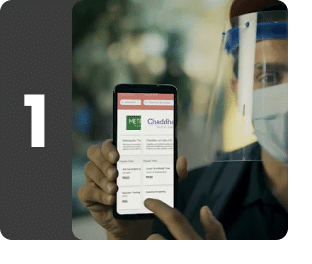
Easy online booking
Search for tests and packages, book your preferred time slot and enter your address for seamless at-home lab tests.
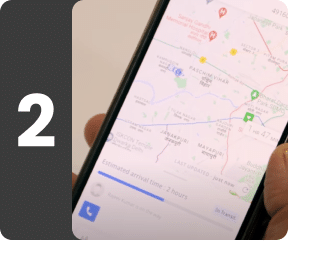
Live tracking of phlebotomist
Track our trained phlebotomist's real time location for seamless sample collection.
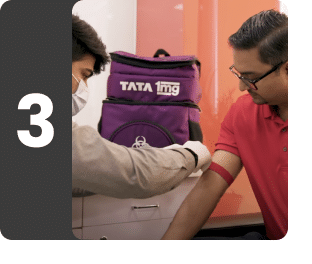
Safe Sample Collection
Our phlebotomists follow strict safety protocols to collect samples safely at home and on time.
Sample received at lab
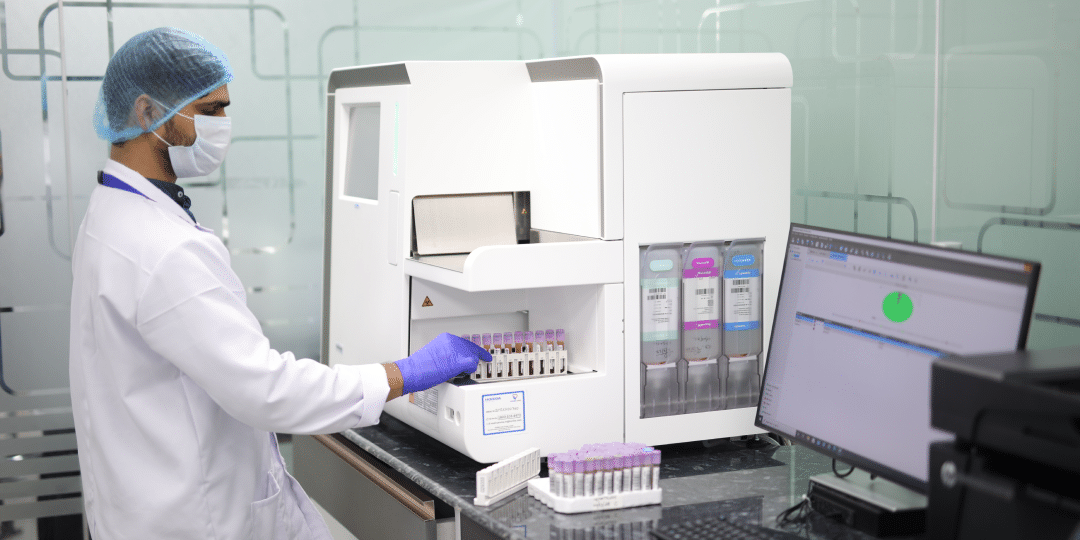
Samples are transported securely to our accredited labs with world-class machines for testing by qualified experts.
Quick, Doctor-Verified Reports
Get doctor-approved reports via email and WhatsApp, with options for doctor follow-ups and AI insights.



References
- Goh LL, Lim CW, Leong KP, Ong KH. TPMT and NUDT15 testing for thiopurine therapy: A major tertiary hospital experience and lessons learned. Front Pharmacol. 2022 Sep 23;13:837164. [Accessed 15 Oct. 2025]. Available From:

- Pratt VM, Cavallari LH, Fulmer ML, Gaedigk A, Hachad H, Ji Y, Kalman LV, Ly RC, Moyer AM, Scott SA, van Schaik RHN, Whirl-Carrillo M, Weck KE. TPMT and NUDT15 Genotyping Recommendations: A Joint Consensus Recommendation of the Association for Molecular Pathology, Clinical Pharmacogenetics Implementation Consortium, College of American Pathologists, Dutch Pharmacogenetics Working Group of the Royal Dutch Pharmacists Association, European Society for Pharmacogenomics and Personalized Therapy, and Pharmacogenomics Knowledgebase. J Mol Diagn. 2022 Oct;24(10):1051-1063. [Accessed 15 Oct. 2025]. Available From:

Recommended for everyone
This package is designed with everyone’s overall health considerations in mind, offering assessments to address a wide range of wellness needs.
Contains 1 test
Report delivery
Standard time
432 hrs
For slots after 11 AM, report will be delivered in 432 hours.
Samples required

Blood
1 vial required
Our phlebotomist will draw a blood sample, typically from a vein in your inner elbow.
Preparations
1
Provide your clinical history, previous test reports, and a valid prescription. Tata 1mg consolidated TRF to be filled.
Why is this test booked?
1
Before starting thiopurine medications like mercaptopurine, azathioprine, or thioguanine.
2
If there is a history of severe adverse reactions to these medications.
3
When a family history suggests drug sensitivity or resistance.
4
For patients with certain conditions where thiopurines are commonly prescribed, including leukemia, inflammatory bowel disease, or autoimmune disorders.
5
To minimise side effects and improve treatment outcomes.
Who's behind your sample collection?




MEET YOUR PHLEBO

Certified & experienced professionals
Tata 1mg phlebotomists are DMLT / B.Sc MLT certified and have 1+ years of experience

Best in-class collections
Tata 1mg phlebotomists are trained for painless, single-prick hygienic sample collection

Comprehensive expertise
Other than sample collection, our phlebos are also skilled in first aid, ECG & BP monitoring
WHAT OUR CUSTOMERS ARE SAYING
Better service
~ Manisha Kobnak