







Protein/Creatinine Ratio
Also referred as
Urine Protein to Creatinine Ratio

3,917+ booked recently

For men & women
Earliest reports in

18 hours

Contains

1 test
Test price:
₹449
Upto 15% extra discount with coupon
Min. order value: ₹5000 | Coupon: 1MGNEWG


More offers available

Know more about this test

The Protein/Creatinine Ratio test helps calculate the amount of protein relative to creatinine in a urine sample. It helps screen, assess, and monitor kidney function. It helps in the diagnosis of kidney damage or diseases, among several other conditions that can affect kidney health.


Samples required
Urine

Find out
Why is this test booked?

Preparation for this test

Sample Collection
Who will collect your samples?
Conducted by

Tata 1mg Labs


Accredited
labs
Highly skilled
Phlebos
Verified
reports
Who will collect your samples?
Tata 1mg certified phlebotomists
Frequently booked together




Test Information is reviewed by: Dr. Swati Gupta (Anand), MBBS, MD Lab Medicine and written by Dr. Lipika Khurana, BDS, PGDHHM . The test details are for information purpose only. Consult a doctor before taking any test. Last updated on: 18th Sep 2026
Did you find information useful ?
 YES (2)
 NO (2)
Book a 3D-CT Scan Left Ankle Joint test at home near me

Easy online booking
Search for tests and packages, book your preferred time slot and enter your address for seamless at-home lab tests.

Live tracking of phlebotomist
Track our trained phlebotomist's real time location for seamless sample collection.

Safe Sample Collection
Our phlebotomists follow strict safety protocols to collect samples safely at home and on time.
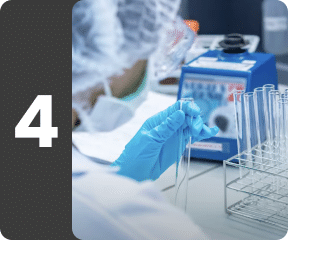
Sample received at lab
Samples are transported securely to our accredited labs with world-class machines for testing by qualified experts.
Quick, Doctor-Verified Reports
Get doctor-approved reports via email and WhatsApp, with options for doctor follow-ups and AI insights.



References
- Kamińska J, Dymicka-Piekarska V, Tomaszewska J, Matowicka-Karna J, Koper-Lenkiewicz OM. Diagnostic utility of protein to creatinine ratio (P/C ratio) in spot urine sample within routine clinical practice. Crit Rev Clin Lab Sci. 2020 Aug;57(5):345-364. [Accessed 03 Jun. 2024]. Available from:

- Haider MZ, Aslam A. Proteinuria. [Updated 2023 Sep 4]. In: StatPearls [Internet]. Treasure Island (FL): StatPearls Publishing; 2024 Jan-. Available from:
- Evans TRJ, Kudo M, Finn RS, Han KH, Cheng AL, Ikeda M, Kraljevic S, Ren M, Dutcus CE, Piscaglia F, Sung MW. Urine protein:creatinine ratio vs 24-hour urine protein for proteinuria management: analysis from the phase 3 REFLECT study of lenvatinib vs sorafenib in hepatocellular carcinoma. Br J Cancer. 2019 Jul;121(3):218-221. doi: 10.1038/s41416-019-0506-6. Epub 2019 Jun 28. Erratum in: Br J Cancer. 2019 Oct;121(7):625. [Accessed 03 Jun. 2024]. Available from:
Contains 1 test
Report delivery
Samples required
Preparations
Why is this test booked?
Coupon details
Available Offers