







Pan-Fungal PCR
Also referred as
Panfungal-DNA Detection by PCR & Sanger Sequencing

For men & women
Earliest reports in

96 hours

Contains

1 test

Know more about this test

The Pan-Fungal PCR test is a blood test that detects the presence of fungal DNA in your blood. It helps doctors quickly identify if a fungal infection is present, enabling timely antifungal treatment and better management of infections, especially in immunocompromised patients.


Samples required
Blood

Find out
Why is this test booked?

Preparation for this test

Sample Collection
Who will collect your samples?
Test conducted by
.png)
MedGenome Labs Limited
ISO, CAP, NABL certified
Know More

Test Information is reviewed by: Dr. Swati Gupta (Anand), MD Lab Medicine, MBBS and written by Shweta Prakash, MSc, BSc . The test details are for information purpose only. Consult a doctor before taking any test. Last updated on: 20th Aug 2026
Did you find information useful ?
 YES
YES  NO
NO 
Book a Review - Histopath (16 to 20 Paraffin Blocks and/or Slides of Single Site) test at home near me

Easy online booking
Search for tests and packages, book your preferred time slot and enter your address for seamless at-home lab tests.

Live tracking of phlebotomist
Track our trained phlebotomist's real time location for seamless sample collection.
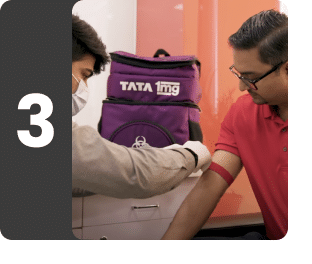
Safe Sample Collection
Our phlebotomists follow strict safety protocols to collect samples safely at home and on time.
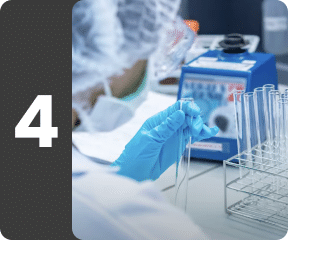
Sample received at lab
Samples are transported securely to our accredited labs with world-class machines for testing by qualified experts.

Quick, Doctor-Verified Reports
Get doctor-approved reports via email and WhatsApp, with options for doctor follow-ups and AI insights.



References
- Van Burik JA, Myerson D, Schreckhise RW, Bowden RA. Panfungal PCR assay for detection of fungal infection in human blood specimens. J Clin Microbiol. 1998 May;36(5):1169-75. [Accessed 22 Oct. 2025]. Available From:

- Van Burik JA, Myerson D, Schreckhise RW, Bowden RA. Panfungal PCR assay for detection of fungal infection in human blood specimens. J Clin Microbiol. 1998 May;36(5):1169-75. [Accessed 22 Oct. 2025]. Available From:
Contains 1 test
Report delivery
Samples required
Preparations
Why is this test booked?