Sign in to your account
or
By signing in you agree to our
Terms & conditions
 and 
Privacy policy

LFT and KFT (Liver Function Test & Kidney Function Test) near me in Noida

xyz people viewed recently
31,997+ booked recently
For men & women
Earliest reports in
18 hours
Contains
19 tests
Test price:
₹1120
₹1550
28% off
Get it at ₹1008 with coupon
Apply coupon 1MGNEWG during checkout
arrow
discount_stamp
More offers available
Know more about this test
<font color='#864291'>Know more about this test</font>

The LFT and KFT (Liver Function Test & Kidney Function Test) is designed to assess overall liver and kidney health at an affordable price in Noida through Tata 1mg labs. This package comprises a kidney function test (KFT) with electrolytes and a liver function test (LFT). It facilitates the evaluation of kidney and liver disorders, enabling timely treatment and preventing future complications. 

KFT with electrolytes helps assess kidney disease and monitor treatment response for kidney or blood pressure problems. This test also measures electrolyte levels to assess water and pH balance in the body. It is generally advised in cases where symptoms suggest kidney problems, such as frequent urination, bloody urine, muscle cramps, or sharp pain in the groin.

LFT helps with the screening of liver problems such as fatty liver disease, cirrhosis, jaundice, and hepatitis. It is also used to monitor the recovery process in case of known liver disease. This test is generally recommended when symptoms suggest liver problems, such as chronic fatigue, abdominal pain, dark urine, and yellowing of the skin or sclerae.

Samples required
Blood
Find out
Why is this test booked?
Preparations
No special preparation is required.
Sample Collection
Who will collect your samples?

What does LFT and KFT (Liver Function Test & Kidney Function Test) measure?

Contains 19 tests

The LFT and KFT (Liver Function Test & Kidney Function Test) assesses key indicators of liver and kidney health. LFT is a group of tests that assesses the levels of liver enzymes, proteins, and bilirubin. These components help assess overall liver health and detect potential liver diseases. KFT with electrolytes assesses kidney function. This package measures various parameters, including creatinine, urea, uric acid, and electrolytes (sodium, potassium, and chloride). It may indicate inflammation, infection, or functional damage in the kidneys.

The LFT (Liver Function Test) helps determine the health of the liver by measuring various key markers in the blood, such as bilirubin, enzymes, and proteins. These components help assess inflammation, infection, diseases, etc., of the liver and monitor the damage due to liver-related issues.

Know more about LFT (Liver Function Test)

  • Gamma Glutamyl Transferase

  • Gamma-Glutamyl Transferase (GGT) is an enzyme found in various organs, with the highest concentration in the liver. Usually, this enzyme is present in low levels in the blood. However, when there is liver damage or disease, GGT is released into the bloodstream, causing an increase in GGT levels. In addition to the liver, GGT can also be elevated in conditions affecting the bile ducts or the pancreas. It is usually, the first liver enzyme to rise in the blood when there is any damage or obstruction in the bile duct, making it one of the most sensitive liver enzyme tests for detecting bile duct problems.

  • SGPT (Alanine Transaminase)

  • An SGPT (Alanine Transaminase) test measures the amount of alanine transaminase (ALT) or SGPT enzyme in your blood. ALT is most abundantly found in the liver but is also present in smaller amounts in other organs like the kidneys, heart, and muscles. Its primary function is to convert food into energy. It also speeds up chemical reactions in the body. These chemical reactions include the production of bile and substances that help your blood clot, break down food and toxins, and fight off an infection.

    Elevated levels of ALT in the blood may indicate liver damage or injury. When the liver cells are damaged, they release ALT into the bloodstream, causing an increase in ALT levels. Therefore, the SGPT/ALT test is primarily used to assess the liver's health and to detect liver-related problems such as hepatitis, fatty liver disease, cirrhosis, or other liver disorders.

  • Alkaline Phosphatase (ALP)

  • An Alkaline Phosphatase (ALP) test measures the quantity of ALP enzyme present throughout the body. The main sources of this enzyme are the liver and bones. It exists in different forms depending on where it originates, such as liver ALP, bone ALP, and intestinal ALP. In the liver, it is found on the edges of the cells that join together to form bile ducts. 

    ALP levels can be increased during pregnancy as it is found in the placenta of pregnant women. It is also higher in children because their bones are in the growth phase. ALP is often high during growth spurts (a short period when an individual experiences quick physical growth in height and body weight).

  • SGOT (Aspartate Aminotransferase)

  • An SGOT (Aspartate Aminotransferase) test measures the levels of serum glutamic-oxaloacetic transaminase (SGOT), also known as aspartate aminotransferase (AST), an enzyme produced by the liver. SGOT is present in most body cells, most abundantly in the liver and heart. The primary function of this enzyme is to convert food into glycogen (a form of glucose), which is stored in the cells, primarily the liver. The body uses this glycogen to generate energy for various body functions.

  • Protein Total, Serum

  • The Protein Total, Serum test measures the amount of proteins in the body. Proteins are known as the building blocks of all cells and tissues. They play a crucial role in the growth and development of most of your organs and in making enzymes and hormones. There are two types of proteins found in the body, namely albumin and globulin. About 60% of the total protein is made up of albumin, which is produced by the liver. It helps to carry small molecules such as hormones, minerals, and medicines throughout the body. It also serves as a source of amino acids for tissue metabolism. On the other hand, globulin is a group of proteins that are made by the liver and the immune system. They play an important role in liver functioning, blood clotting, and fighting off infections.

    This further contains

    • Albumin/Globulin Ratio, Serum
    • Protein Total
    • Serum Albumin
    • Globulin, Serum
  • Bilirubin (Total, Direct and Indirect)

  • The Bilirubin (Total, Direct and Indirect) test measures the level of three forms of bilirubin such as total bilirubin, direct (conjugated bilirubin), and indirect (unconjugated) bilirubin in the blood. Total bilirubin represents the sum of direct and indirect bilirubin. Direct bilirubin is the water-soluble form of bilirubin that has been processed by the liver via a conjugation process with glucuronic acid and is ready to be excreted into the bile ducts and ultimately into the intestines. Indirect bilirubin is the water-insoluble form of bilirubin that has not yet been processed by the liver and is bound to albumin in the blood. It is formed in the spleen and liver during the breakdown of hemoglobin from old or damaged red blood cells and cannot be excreted directly by the liver. Instead, it is transported to the liver, where it undergoes conjugation to become direct bilirubin. 

    Getting tested with the Bilirubin (Total, Direct and Indirect) test provides valuable information into various aspects of liver function, bile duct health, and the body’s ability to break down and eliminate bilirubin.

    This further contains

    • Bilirubin Direct
    • Bilirubin Total
    • Bilirubin Indirect

The KFT with Electrolytes (Kidney Function Test with Electrolytes) test determines the health of your kidneys. It evaluates parameters such as creatinine, blood urea nitrogen (BUN), uric acid, electrolytes (sodium, potassium, and chloride), blood urea, and the BUN/creatinine ratio. This test also helps indicate possible kidney disorders like inflammation, infection, or functional damage.

Know more about KFT with Electrolytes (Kidney Function Test with Electrolytes)

  • Serum Creatinine

  • The Serum Creatinine test measures the creatinine level, a byproduct produced by the wear and tear of muscles during energy production. Since kidneys help filter creatinine, this test helps determine how well your kidneys work. Usually, high levels of creatinine in the blood signal diminished kidney function. At the same time, low levels may indicate decreased muscle mass.

  • Uric Acid, Serum

  • The Uric Acid, Serum test measures the amount of uric acid in your blood. Uric acid is a waste product formed when the body breaks down purines. Purines are the natural substances found in your body’s cells (DNA) and in certain foods like red meat or seafood. Under normal conditions, uric acid dissolves in the blood, passes through the kidneys, and is excreted in the urine. When this process doesn’t work properly, due to either increased production or reduced elimination, the uric acid can build up in the blood. This may indicate underlying health issues such as kidney dysfunction, gout, or the presence of kidney stones. In some cases, the exact reason for high uric acid levels is unclear. On the other hand, low uric acid levels are rarely a cause for concern. This test helps doctors understand if uric acid levels are within a healthy range and whether further evaluation or treatment is needed.

  • Blood Urea Nitrogen

  • The Blood Urea Nitrogen test measures the levels of urea nitrogen in the blood. Blood urea is a waste product that is formed in the liver when you eat food and the protein is metabolized into amino acids. This process leads to the production of ammonia that is further converted into urea. Both ammonia and urea are nitrogenous compounds. Your liver releases urea into the blood which is then carried out to the kidneys. In the kidneys, urea is filtered from the blood and flushed out of the body via urine. This is a continuous process, so a small amount of urea nitrogen always remains in the blood.

    In the case of a kidney or liver disease, there is a change in the amount of urea present in the blood. If your liver produces urea in an increased amount or if there is any problem in kidney functioning, there might be difficulty in filtering out the waste products from the blood, which can result in increased urea levels in the blood.

  • BUN/Creatinine Ratio

  • The BUN/Creatinine Ratio test helps compare the levels of blood urea nitrogen to that of creatinine in your body. Urea is a waste product that is formed in the liver when you eat protein, which is then metabolized into amino acids. This process leads to the production of ammonia that is further converted into urea. Later, the urea is passed out of your body through the urine. On the other hand, creatinine is a byproduct produced by muscles during energy production. Therefore, the more muscle you have, the more creatinine your body produces. The kidneys remove both the urea and creatinine via urine, and this test determines how well your kidneys are functioning.

  • Blood Urea

  • The Blood Urea test measures the level of urea in the blood. Urea is a byproduct of protein metabolism. Proteins you consume in your diet are digested and converted into amino acids, which are then utilized by the body. This metabolic process produces a toxic byproduct known as ammonia. Ammonia is then rapidly converted into urea by your liver. Urea is comparatively less toxic than ammonia and is transported to the kidneys via the blood. The kidneys then filter it out through the urine. This process continues and the body keeps producing and eliminating urea, maintaining its low and steady levels in the blood.

  • Sodium

  • The Sodium test measures the amount of sodium in your body. Sodium is present in all body fluids and is found in the highest concentration in the extracellular fluid. The body absorbs the required amount of sodium through dietary salts, and the kidneys eliminate the remaining sodium. The body keeps your blood sodium within a regular and steady range by following three mechanisms:

    • By producing hormones that control the elimination of sodium through urine, such as natriuretic peptides and aldosterone.

    • By producing hormones that prevent water loss, such as antidiuretic hormone (ADH).

    • By controlling thirst (an increase in blood sodium level can make you thirsty and cause you to drink water, returning your sodium to normal).

    These mechanisms regulate the amount of water and sodium in the body and control blood pressure by keeping the amount of water in check. When the sodium level in the blood changes, the water content in your body changes. These changes can be associated with dehydration, edema, and changes in blood pressure.

  • Chloride

  • The Chloride test measures the amount of chloride in your body. Chloride is present in all body fluids and is found in the highest concentration in the blood and extracellular fluid (fluid present outside the cells). The body gets most of the chloride through dietary salt (sodium chloride or NaCl) and a small amount through other food items. The required amount of chloride is absorbed in the body and the excess amount is excreted by the kidneys through urine. When the chloride is combined with sodium it is mostly found in nature as salt. Chloride generally increases or decreases in direct relationship to sodium but may also change without any changes in sodium levels when there are problems with the body's pH. Usually, the normal blood chloride level remains steady with a slight fall after meals (because the stomach produces hydrochloric acid using chloride from the blood after we eat food).

  • Potassium

  • The Potassium test measures the levels of potassium in your body. Potassium is one of the key electrolytes that helps in the functioning of the kidneys, heart, nerves, and muscles. It also balances the effect of sodium and helps keep your blood pressure normal. The body absorbs the required amount of potassium from the dietary sources and eliminates the remaining quantity through urine. Potassium level is typically maintained by the hormone aldosterone. Aldosterone acts on the nephrons present in the kidneys and activates the sodium-potassium pump that helps the body reabsorb sodium and excrete potassium. This aids in maintaining a regular and steady potassium level in the blood.

Did you find information useful ?
yesYES (55)
noNO (18)

LFT and KFT (Liver Function Test & Kidney Function Test) test price for other cities

Price inBangaloreRs. 649
Price inNew DelhiRs. 839
Price inGurgaonRs. 839
Price inKolkataRs. 649
Price inHyderabadRs. 588
Book a LFT and KFT (Liver Function Test & Kidney Function Test) test at home near me
Easy online booking
Easy online booking
Search for tests and packages, book your preferred time slot and enter your address for seamless at-home lab tests.
Live tracking of phlebotomist
Track our trained phlebotomist's real time location for seamless sample collection.
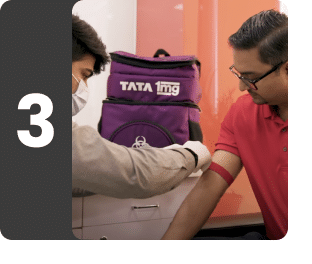
Safe Sample Collection
Our phlebotomists follow strict safety protocols to collect samples safely at home and on time.
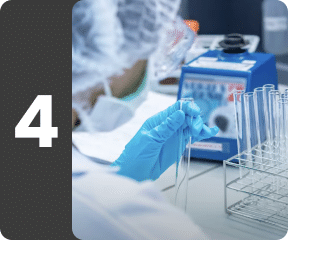
Sample received at lab
Samples are transported securely to our accredited labs with world-class machines for testing by qualified experts.
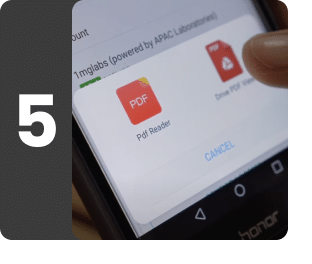
Quick, Doctor-Verified Reports
Get doctor-approved reports via email and WhatsApp, with options for doctor follow-ups and AI insights.

FAQs related to LFT and KFT (Liver Function Test & Kidney Function Test) in Noida

The LFT and KFT (Liver Function Test & Kidney Function Test) is done to check how well your liver and kidneys are working. This package is also used to assess abnormalities related to the liver and kidneys to avoid further complications.
No, fasting is not needed before taking these tests. However, your doctor will guide you if any special preparation is required.

There is usually no risk associated with these tests. Some people may feel a slight sting while the needle is pricked and may experience some bleeding, which is normal and usually not bothersome. Rarely, some people may experience slight swelling or bruising at the site of the needle prick. If it does not get better, consult your doctor.

Yes. In Noida, you can book the LFT and KFT (Liver Function Test & Kidney Function Test) near you with Tata 1mg Labs. These tests are easy to book, cost-effective, and available with a comprehensive report.
Yes, LFT and KFT is eligible for home sample collection in Noida with Tata 1mg Labs. You can select the date and time for sample collection as per your schedule.
If you want to schedule the LFT and KFT (Liver Function Test & Kidney Function Test) with Tata 1mg Labs in Noida, the procedure is fairly easy and hassle-free. Follow these steps to book a test: 1). Visit the Lab Tests section on the Tata 1mg website. 2). Add the test you want in the cart. 3). Pick a time and date slot according to your convenience; however, do consider the necessary prerequisites while scheduling a test. 4). You will receive a notification with all the details once the test is scheduled.
Tata 1mg Labs is a pocket-friendly platform for booking lab tests. In Noida, the LFT and KFT is available at an affordable price of Rs. 1120.
At Tata 1mg Labs, we understand the importance of timely results. We strive to provide fast turnaround times for test results, allowing you to promptly get the information you need. On average, we take 18 hours to provide the reports of the LFT and KFT in Noida.

Other tests

Recommended for everyone
This package is designed with everyone’s overall health considerations in mind, offering assessments to address a wide range of wellness needs.
Package can be booked by :
Men
Women
Contains 19 tests
LFT (Liver Function Test) (11)
Gamma Glutamyl Transferase
SGPT (Alanine Transaminase)
Alkaline Phosphatase (ALP)
SGOT (Aspartate Aminotransferase)
Protein Total, Serum (4)
Bilirubin (Total, Direct and Indirect) (3)
KFT with Electrolytes (Kidney Function Test with Electrolytes) (8)
Serum Creatinine
Uric Acid, Serum
Blood Urea Nitrogen
BUN/Creatinine Ratio
Blood Urea
Sodium
Chloride
Potassium
Report delivery
Standard time
18 hrs
For slots after 11 AM, report will be delivered in 21 hours.
Samples required
Blood
Our phlebotomist will draw a blood sample, typically from a vein in your inner elbow.
Preparations
1
No special preparation is required.
Why is this test booked?
1
A. In Symptomatic Individuals
2
1. Liver-Related Symptoms:
3
Yellowing of the skin or eyes (jaundice)
4
Dark-colored urine or pale stools
5
Abdominal pain or swelling (especially upper right side)
6
Loss of appetite
7
Unexplained weight loss
8
2. Kidney-Related Symptoms:
9
Swelling in hands, feet, or ankles
10
Decreased urine output or changes in urination patterns
11
Fatigue or weakness
12
Shortness of breath
13
Confusion or difficulty concentrating
14
Muscle cramps
15
B. In High-Risk Groups
16
1. Liver-Related Risks:
17
Chronic alcohol consumption
18
Hepatitis B or C infection
19
Fatty liver disease or obesity
20
Use of liver-toxic medications (e.g., certain antibiotics, anti-TB drugs)
21
Metabolic disorders (e.g., diabetes, high cholesterol)
22
2. Kidney-Related Risks:
23
Chronic kidney disease (CKD)
24
Hypertension or cardiovascular disease
25
Diabetes
26
Obesity
27
Use of kidney-impacting medications (e.g., NSAIDs, ACE inhibitors)
28
C. In Special Population
29
Individuals with a family history of liver or kidney disease
30
People with existing liver issues (e.g., hepatitis, cirrhosis, liver fibrosis)
31
Elderly individuals
32
D. In Routine and Ongoing Monitoring
33
As part of a routine health checkup
34
Monitoring progression of known liver or kidney conditions
35
Evaluating response to ongoing treatment for kidney and liver problems
Coupon details
Get it at ₹1008 with coupon
Get upto 15% off on your lab tests
Maximum discount: ₹1500
1MGNEWG
copy
10% off
₹999
separator
13% off
₹3000
separator
15% off
₹5000
Available Offers
Get additional 15% off
Get 15% off on your first order of lab tests
Maximum discount: ₹300
1MGNEW
copy
Get additional upto 15% off
Get upto 15% off on your lab tests
Maximum discount: ₹1500
1MGNEWG
copy
Upto Rs 650 off on all lab tests
Get Upto Rs 650 off on all lab tests
Maximum discount: ₹650
1MGSUPER
copy
Upto Rs 1500 off on all lab tests
Get Upto Rs 1500 off on all lab tests
Maximum discount: ₹1500
1MGSUPERMAX
copy
Who's behind your sample collection?
About Phlebotomist
Play
Tata 1mg Phlebotomist
icon
MEET YOUR PHLEBO
icon
Certified Professionals
Certified & experienced professionals
Tata 1mg phlebotomists are DMLT / B.Sc MLT certified and have 1+ years of experience
Best collections
Best in-class collections
Tata 1mg phlebotomists are trained for painless, single-prick hygienic sample collection
Expertise
Comprehensive expertise
Other than sample collection, our phlebos are also skilled in first aid, ECG & BP monitoring
frame icon
WHAT OUR CUSTOMERS ARE SAYING
frame icon
Pain free collection
~ Sandugade Subhash Tukaram
double quote icon
In one prick, he got the sample. Great work.
~ Abhishek
double quote icon
Pain free blood collection
~ Vaghela Sagar Shashikantbhai
double quote icon
Excellent service
~ JITENDER KUMAR
double quote icon
Pain free collection Conduct & Behaviour good On time collection
~ Kajal Ramakant Pal 0239889984
double quote icon
On Time, pain free collection, Hygiene & safety
~ RAJEEV KUMAR SINGH 7330190217
double quote icon
Technician was great..
~ Saurav Choudhury
double quote icon
Very professional and humble
~ Sheela
double quote icon
Very gentle
~ Divya Chawla
double quote icon
Very polite
~ Sadhana Kumari
double quote icon
Footer