







GLP1 Assessment Package




The GLP1 Assessment Package is a comprehensive health panel designed to evaluate metabolic, hormonal, and nutritional factors linked to weight gain and obesity, especially in individuals with type 2 diabetes. It checks metabolism, organ function, vitamin status, and inflammation to track progress and detect risks during weight-loss therapy. These tests help understand how the body regulates insulin, energy balance, and appetite, supporting personalized treatment plans in patients on or starting with GLP-1–based therapies.








The GLP-1 Assessment Package offers an in-depth evaluation for individuals using GLP-1–based therapies for weight loss, glucose control, or metabolic improvement. GLP-1 medications mimic the natural hormone GLP-1, which helps regulate appetite, control blood sugar, and promote healthy weight reduction. Since these therapies influence multiple body systems, routine monitoring is important to ensure both safety and effectiveness.
This package includes key metabolic tests like HbA1c, which reflects long-term blood sugar control, and additional glucose-related parameters that help detect diabetes, prediabetes, or insulin resistance. The lipid profile assesses cholesterol and triglyceride levels to evaluate cardiovascular risk. Thyroid Profile (T3, T4, TSH) helps identify hormonal imbalances that can affect metabolism, weight, and energy levels.
Organ function is assessed through Liver Function Tests (LFT) and Kidney Function Test with Electrolytes (KFT) to ensure proper detoxification, nutrient processing, and fluid balance, which is critical for individuals on long-term weight-loss therapies. Pancreatic enzymes, Amylase and Lipase, are included as GLP-1 medications can occasionally influence pancreatic activity.
Vitamin D (25-hydroxy) and Vitamin B12 help identify deficiencies affecting bone strength, immunity, nerve function, and overall energy levels. Apolipoproteins A and B, Lipoprotein(a), and Homocysteine help assess cardiovascular risk, metabolic health, and underlying nutritional imbalances that may influence weight management and GLP-1 therapy outcomes. A Complete Blood Count (CBC) checks for anemia, or infection. ESR (erythrocyte sedimentation rate) and hsCRP provide an early overview of systemic inflammation that may impact weight and metabolic health. The package also includes HOMA-IR (Insulin Resistance Index) and HOMA-β/Glucose Resistance Index to assess insulin sensitivity and pancreatic beta-cell function.
This package is recommended for individuals who are currently on or starting GLP-1-based therapies for weight loss or blood sugar management. It is also suitable for people experiencing unexplained weight changes, fatigue, or symptoms of hormonal and metabolic imbalance. Those with a family history of diabetes, obesity, or heart disease should consider this package to monitor early risk factors. Additionally, individuals with sedentary lifestyles, poor dietary habits, or those struggling with weight management may benefit from these tests, as they provide insights into hidden health issues that could affect progress.
An overnight fast (8–12 hours) is required for these tests. Inform the doctor about any medications or supplements being taken, as they might affect the results.
Lab results may vary, and abnormal findings should always be interpreted by a doctor. They can guide and suggest changes like healthy eating, exercise, stress management, or medical treatment if needed.
The GLP1 Assessment Package measures key metabolic, hormonal, and organ-health markers important for safe weight management. It checks blood sugar control (HbA1c, insulin-resistance markers), lipid levels for heart health, and liver and kidney function for proper metabolism and detoxification. Pancreatic enzymes (amylase, lipase) assess pancreatic safety, while thyroid hormones (T3, T4, TSH) evaluate metabolic balance. Vitamin D and B12 levels help detect nutritional deficiencies, and inflammation markers like ESR and hsCRP identify underlying inflammatory risks, especially for cardiac health with hs-CRP. Homocysteine assesses cardiovascular health, and the CBC test helps detect anemia or infection. Together, these tests offer a clear picture of metabolic, nutritional, inflammatory, and organ health during GLP-1 therapy.
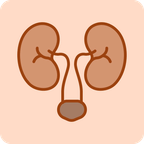
The KFT with Electrolytes (Kidney Function Test with Electrolytes) test determines the health of your kidneys. It evaluates parameters such as creatinine, blood urea nitrogen (BUN), uric acid, electrolytes (sodium, potassium, and chloride), blood urea, and the BUN/creatinine ratio. This test also helps indicate possible kidney disorders like inflammation, infection, or functional damage.
Know more about KFT with Electrolytes (Kidney Function Test with Electrolytes)
Blood Urea Nitrogen
The Blood Urea Nitrogen measures the levels of urea nitrogen in the blood. Blood urea is a waste product that is formed in the liver when you eat food and the protein is metabolized into amino acids. This process leads to the production of ammonia that is further converted into urea. Both ammonia and urea are nitrogenous compounds. Your liver releases urea into the blood which is then carried out to the kidneys. In the kidneys, urea is filtered from the blood and flushed out of the body via urine. This is a continuous process, so a small amount of urea nitrogen always remains in the blood.
In the case of a kidney or liver disease, there is a change in the amount of urea present in the blood. If your liver produces urea in an increased amount or if there is any problem in kidney functioning, there might be difficulty in filtering out the waste products from the blood, which can result in increased urea levels in the blood.
Serum Creatinine
The Serum Creatinine test measures the creatinine level, a byproduct produced by the wear and tear of muscles during energy production. Since kidneys help filter creatinine, this test helps determine how well your kidneys work. Usually, high levels of creatinine in the blood signal diminished kidney function. At the same time, low levels may indicate decreased muscle mass.
BUN/Creatinine Ratio
The BUN/Creatinine Ratio test helps compare the levels of blood urea nitrogen to that of creatinine in your body. Urea is a waste product that is formed in the liver when you eat protein, which is then metabolized into amino acids. This process leads to the production of ammonia that is further converted into urea. Later, the urea is passed out of your body through the urine. On the other hand, creatinine is a byproduct produced by muscles during energy production. Therefore, the more muscle you have, the more creatinine your body produces. The kidneys remove both the urea and creatinine via urine, and this test determines how well your kidneys are functioning.
Potassium
The Potassium measures the levels of potassium in your body. Potassium is one of the key electrolytes that helps in the functioning of the kidneys, heart, nerves, and muscles. It also balances the effect of sodium and helps keep your blood pressure normal. The body absorbs the required amount of potassium from the dietary sources and eliminates the remaining quantity through urine. Potassium level is typically maintained by the hormone aldosterone. Aldosterone acts on the nephrons present in the kidneys and activates the sodium-potassium pump that helps the body reabsorb sodium and excrete potassium. This aids in maintaining a regular and steady potassium level in the blood.
Blood Urea
The Blood Urea measures the amount of urea (also referred to as blood urea nitrogen in some reports) in your blood. Urea is an organic waste product formed from nitrogen obtained after protein breakdown. It travels through the blood to be removed by the kidneys. The test can monitor kidney and liver health, as issues in these organs can alter blood urea levels. Several other health issues, like fluid imbalance and poor nutrition, can also change blood urea nitrogen levels. Thus, the doctor suggests this test to gain insight into your health, especially your key organs, kidneys, and liver.
Uric Acid, Serum
The Uric Acid, Serum measures the amount of uric acid in your blood. Uric acid is a waste product formed when the body breaks down purines. Purines are the natural substances found in your body’s cells (in DNA) and in certain foods like red meat or seafood. Under normal conditions, uric acid dissolves in the blood, passes through the kidneys, and is excreted in the urine. An increase in uric acid production or a decrease in its removal can cause uric acid to build up in the blood. This may lead to health issues such as kidney dysfunction, gout, or kidney stones. This test helps doctors understand if uric acid levels are within a healthy range and whether further evaluation or treatment is needed.
Chloride
The Chloride test measures the amount of chloride in your body. Chloride is present in all body fluids and is found in the highest concentration in the blood and extracellular fluid (fluid present outside the cells). The body gets most of the chloride through dietary salt (sodium chloride or NaCl) and a small amount through other food items. The required amount of chloride is absorbed in the body and the excess amount is excreted by the kidneys through urine. When the chloride is combined with sodium it is mostly found in nature as salt. Chloride generally increases or decreases in direct relationship to sodium but may also change without any changes in sodium levels when there are problems with the body's pH. Usually, the normal blood chloride level remains steady with a slight fall after meals (because the stomach produces hydrochloric acid using chloride from the blood after we eat food).
Sodium
-
By producing hormones that control the elimination of sodium through urine, such as natriuretic peptides and aldosterone.
-
By producing hormones that prevent water loss, such as antidiuretic hormone (ADH).
-
By controlling thirst (an increase in blood sodium level can make you thirsty and cause you to drink water, returning your sodium to normal).
The Sodium test measures the amount of sodium in your body. Sodium is present in all body fluids and is found in the highest concentration in the extracellular fluid. The body absorbs the required amount of sodium through dietary salts, and the kidneys eliminate the remaining sodium. The body keeps your blood sodium within a regular and steady range by following three mechanisms:
These mechanisms regulate the amount of water and sodium in the body and control blood pressure by keeping the amount of water in check. When the sodium level in the blood changes, the water content in your body changes. These changes can be associated with dehydration, edema, and changes in blood pressure.
The CBC (Complete Blood Count) test measures the number of red blood cells (RBCs), white blood cells (WBCs), and platelets. Each of these blood cells performs essential functions–RBCs carry oxygen from your lungs to the various body parts, WBCs help fight infections and other diseases, and platelets help your blood to clot. Therefore, determining their levels can provide significant health information. A CBC test also determines the hemoglobin level, a protein in RBC that carries oxygen from the lungs to the rest of your body. Evaluating all these components together can provide important information about your overall health.
Know more about CBC (Complete Blood Count)
Differential Leukocyte Count
- Differential Neutrophil Count
- Differential Lymphocyte Count
- Differential Monocyte Count
- Differential Eosinophil Count
- Differential Basophil Count
There are five types of WBCs: neutrophils, lymphocytes, monocytes, eosinophils, and basophils. A Differential Leukocyte Count test measures the percentage of each type of WBC in the blood. Leukocytes or WBCs are produced in the bone marrow and defend the body against infections and diseases. Each type of WBC plays a unique role to protect against infections and is present in different numbers.
This further contains
Red Blood Cell Count
The Red Blood Cell Count test measures the total number of red blood cells in your blood. RBCs are the most abundant cells in the blood with an average lifespan of 120 days. These cells are produced in the bone marrow and destroyed in the spleen or liver. Their primary function is to help carry oxygen from the lungs to different body parts. The normal range of RBC count can vary depending on age, gender, and the equipment and methods used for testing.
Hb (Hemoglobin)
The Hb (Hemoglobin) test measures the concentration of hemoglobin in your blood. Hemoglobin binds oxygen molecules and carries them to body tissues while removing carbon dioxide. Low hemoglobin suggests reduced oxygen-carrying capacity. It can be due to anemia, bleeding, nutritional deficiencies (iron, vitamin B12, folate), or chronic disease. High hemoglobin may occur in dehydration, living at high altitudes, smoking, or diseases like polycythemia vera.
Platelet Count
The Platelet Count test measures the average number of platelets in the blood. Platelets are disk-shaped tiny cells originating from large cells known as megakaryocytes, which are found in the bone marrow. After the platelets are formed, they are released into the blood circulation. Their average life span is 7-10 days.
Platelets help stop the bleeding, whenever there is an injury or trauma to a tissue or blood vessel, by adhering and accumulating at the injury site and releasing chemical compounds that stimulate the gathering of more platelets. A loose platelet plug is formed at the site of injury and this process is known as primary hemostasis. These activated platelets support the coagulation pathway that involves a series of steps, including the sequential activation of clotting factors; this process is known as secondary hemostasis. After this step, there is a formation of fibrin strands that form a mesh incorporated into and around the platelet plug. This mesh strengthens and stabilizes the blood clot so that it remains in place until the injury heals. After healing, other factors come into play and break the clot down so that it gets removed. In case the platelets are not sufficient in number or not functioning properly, a stable clot might not form. These unstable clots can result in an increased risk of excessive bleeding.
Total Leukocyte Count
The Total Leukocyte Count test measures the numbers of all types of leukocytes, namely neutrophil, lymphocyte, monocyte, eosinophil, and basophil, in your blood. Leukocytes or WBCs are an essential part of our immune system. These cells are produced in the bone marrow and defend the body against infections and diseases. Each type of WBC plays a unique role to protect against infections and is present in different numbers.
Hematocrit
The Hematocrit test measures the proportion of red blood cells (RBCs) in your blood as a percentage of the total blood volume. It is a crucial part of a complete blood count (CBC) and helps in assessing your blood health. RBCs are responsible for carrying oxygen from the lungs to different parts of the body. The hematocrit test provides valuable information about your blood's oxygen-carrying capacity.
Higher-than-normal amounts of RBCs produced by the bone marrow can cause the hematocrit to increase, leading to increased blood density and slow blood flow. On the other hand, lower-than-normal hematocrit can be caused by low production of RBCs, reduced lifespan of RBCs in circulation, or excessive bleeding, leading to a reduced amount of oxygen being transported by RBCs. Monitoring your hematocrit levels is essential for diagnosing and managing various blood-related disorders.
Mean Corpuscular Volume
The Mean Corpuscular Volume test measures the average size of your red blood cells, which carry oxygen through your body. This test tells whether your RBCs are of average size and volume or whether they are bigger or smaller.
Mean Corpuscular Hemoglobin
An MCH test measures the average amount of hemoglobin in a single red blood cell (RBC). Hemoglobin is an iron-containing protein in RBCs, and its major function is to transport oxygen from the lungs to all body parts. This test provides information about how much oxygen is being delivered to the body by a certain number of RBCs.
Mean Corpuscular Hemoglobin Concentration
An MCHC test measures the average amount of hemoglobin in a given volume of RBCs. MCHC is calculated by dividing the amount of hemoglobin by hematocrit (volume of blood made up of RBCs) and then multiplying it by 100.
Absolute Leucocyte Count
- Absolute Lymphocyte Count (ALC)
- Absolute Neutrophil Count
- Absolute Basophil Count
- Absolute Monocyte Count
- Absolute Eosinophil Count
The Absolute Leucocyte Count test measures the total number of white blood cells (leucocytes) in the given volume of blood. It examines different types of white blood cells such as neutrophils, lymphocytes, monocytes, basophils and eosinophils. These cells tell about the status of the immune system and its ability to fight off infections and other conditions like inflammation, allergies, bone marrow disorders etc.
This further contains
Mean Platelet Volume
An MPV test measures the average size of the platelets in your blood. Platelets are disk-shaped tiny cells originating from large cells known as megakaryocytes, which are found in the bone marrow. After the platelets are formed, they are released into the blood circulation. Their average life span is 7-10 days.
Platelets help stop bleeding whenever there is an injury or trauma to a tissue or blood vessel by adhering and accumulating at the injury site, and by releasing chemical compounds that stimulate the gathering of more platelets. After these steps, a loose platelet plug is formed at the site of injury, and this process is known as primary hemostasis. These activated platelets support the coagulation pathway that involves a series of steps including the sequential activation of clotting factors; this process is known as secondary hemostasis. After this, there is a formation of fibrin strands that form a mesh incorporated into and around the platelet plug. This mesh strengthens and stabilizes the blood clot so that it remains in place until the injury heals. After healing, other factors come into play and break the clot down so that it gets removed. In case the platelets are not sufficient in number or are not functioning properly, a stable clot might not form. These unstable clots can result in an increased risk of excessive bleeding.
PDW
The PDW test reflects variability in platelet size, and is considered a marker of platelet function and activation (clot formation in case of an injury). This marker can give you additional information about your platelets and the cause of a high or low platelet count. Larger platelets are usually younger platelets that have been recently released from the bone marrow, while smaller platelets may be older and have been in circulation for a few days. Higher PDW values reflect a larger range of platelet size, which may result from increased activation, destruction and consumption of platelets.
RDW CV
The RDW CV test which is part of red cell indices, helps identify characteristics of red blood cells. RDW (red cell distribution width) measures the variations in the sizes of red blood cells, indicating how much they differ from each other in a blood sample. RDW is expressed as RDW-CV, a coefficient of variation. A higher RDW may suggest more variation in red cell sizes, while a lower RDW indicates more uniform red cell sizes.
The GLP1 Assessment Package is done to:
- Monitor overall health and safety during GLP-1 therapy for weight loss.
- Evaluate diabetes, prediabetes, insulin resistance, or glucose imbalance.
- Check cholesterol and triglyceride levels for cardiovascular risk assessment.
- Evaluate liver and kidney health for safe medication processing.
- Monitor pancreatic function through amylase and lipase levels.
- Assess thyroid hormones that influence metabolism and energy levels.
- Measure Vitamin D and Vitamin B12 levels, essential for bones, nerves, and energy.
- Support personalized weight-management plans and detect early risk factors for chronic diseases.
- Overnight fasting (8-12 hrs) is required. Do not eat or drink anything except water before the test.
- Do not stop taking your thyroid medications on the day of the test unless otherwise advised by the doctor.






 YES (3)
 NO









- Collins L, Costello RA. Glucagon-Like Peptide-1 Receptor Agonists. [Updated 2024 Feb 29]. In: StatPearls [Internet]. Treasure Island (FL): StatPearls Publishing; 2025 Jan-. Available from:

- Ayoub M, Chela H, Amin N, Hunter R, Anwar J, Tahan V, Daglilar E. Pancreatitis Risk Associated with GLP-1 Receptor Agonists, Considered as a Single Class, in a Comorbidity-Free Subgroup of Type 2 Diabetes Patients in the United States: A Propensity Score-Matched Analysis. J Clin Med. 2025 Feb 1;14(3):944. [Accessed 28 Nov. 2025]. Available from:
- Mozaffarian D, Agarwal M, Aggarwal M, Alexander L, Apovian CM, Bindlish S, Bonnet J, Butsch WS, Christensen S, Gianos E, Gulati M, Gupta A, Horn D, Kane RM, Saluja J, Sannidhi D, Stanford FC, Callahan EA. Nutritional priorities to support GLP-1 therapy for obesity: A joint Advisory from the American College of Lifestyle Medicine, the American Society for Nutrition, the Obesity Medicine Association, and The Obesity Society. Obesity (Silver Spring). 2025 Aug;33(8):1475-1503. [Accessed 28 Nov. 2025]. Available from:
- Weight Management [Internet]. NIH; May 2023. [Accessed 28 Nov. 2025]. Available from:
- About Healthy Weight and Growth [Internet]. CDC; 20 Feb. 2024 [Accessed 13 Mar. 2025]. Available from:
- Overweight & Obesity Statistics [Internet]. NIH; Sep. 2021. [Accessed 28 Nov. 2025]. Available from:
- Obesity [Internet]. WHO; 01 Mar. 2024 [Accessed 28 Nov. 2025]. Available from: