EBV IgG antibody to Early Antigen


The EBV IgG antibody to Early Antigen is a blood test that detects immunoglobulin G (IgG) antibodies against the early antigen (EA) of Epstein-Barr Virus (EBV). It may help identify an active or recent infection as well as reactivation of the virus.



Understanding EBV IgG antibody to Early Antigen
Epstein-Barr Virus (EBV) is a common virus that spreads through saliva and causes infectious mononucleosis, also known as mono. Most individuals are exposed to EBV at some point in their lives, and while many have mild or no symptoms, some experience fatigue, sore throat, fever, and swollen lymph nodes.
The EBV IgG antibody to Early Antigen test detects the presence of IgG antibodies directed against the early antigen complex of EBV (a part of virus seen early in the infection). These antibodies usually appear early in the infection and may persist or reappear during viral reactivation. A positive EBV IgG antibody to Early Antigen result may suggest a recent or active EBV infection or possible reactivation, especially when interpreted alongside other EBV antibody tests (such as VCA IgG and EBNA). This helps differentiate such cases from past infections, which typically show EBV-VCA IgG positivity without EA antibodies. Understanding the stage of EBV infection is important for proper clinical evaluation and monitoring, especially in suspected cases of infectious mononucleosis.
Doctors may recommend this test when ongoing EBV activity is suspected, such as in cases of long-lasting fatigue, unexplained fever, or swollen lymph nodes. It may also be advised for individuals with weakened immune systems who are at higher risk of EBV reactivation. This test is usually performed alongside other EBV antibody tests to provide a more complete diagnostic overview.
No special preparation is required for the EBV IgG antibody to Early Antigen test. However, a brief clinical history is preferred during sample collection. Inform the doctor about all the medications and supplements currently being taken, as some of them may affect the test results, potentially requiring dosage adjustments or temporary discontinuation before the test.
Test result ranges are approximate and may differ slightly between labs depending on the methodology and laboratory guidelines. Do not self-medicate and always consult a doctor to understand the test results correctly.
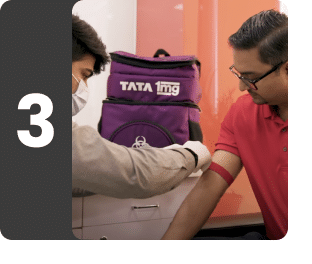
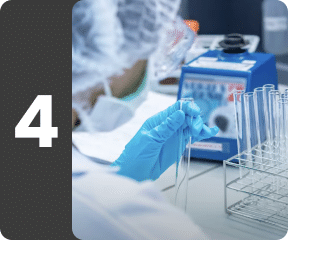
Please note: This is an outsourced test. The sample for this test is collected by TATA 1MG and processed at a NABL accredited partnered lab.
What does EBV IgG antibody to Early Antigen measure?
The EBV IgG antibody to Early Antigen measures the presence of Immunoglobulin G (IgG) antibodies directed against the Early Antigen (EA) complex of the Epstein-Barr Virus. These antibodies typically appear during the early phase of infection, shortly after the initial immune response begins. Unlike IgM antibodies, which rise quickly and decline within weeks, EBV-EA IgG antibodies develop slightly later but usually remain detectable for a few months.
In most cases, EBV-EA IgG antibodies often decline within a few months (commonly 3–6 months) after the primary infection resolves, suggesting reduced viral activity. However, in some individuals, these antibodies may persist for longer periods or reappear at elevated levels if the virus reactivates later, particularly during immune suppression, often suggests reduced active viral activity.
Therefore, the presence of EBV-EA IgG antibodies may suggest a recent or active EBV infection or viral reactivation, rather than a past, fully resolved infection. This helps differentiate it from EBV-VCA IgG antibodies, which usually appear later and typically remain positive for life, indicating past exposure. However, results should always be interpreted together with other EBV markers (such as VCA IgM, VCA IgG, and EBNA IgG) and the person’s symptoms for accurate clinical evaluation.


FAQs related to EBV IgG antibody to Early Antigen
- About Epstein-Barr Virus (EBV) [Internet]. CDC; 09 May 2024 [Accessed 12 Aug. 2025]. Available from:
- Laboratory Testing for Epstein-Barr Virus (EBV) [Internet]. CDC; 10 Apr. 2024 [Accessed 12 Aug. 2025]. Available from:
- De Paschale M, Clerici P. Serological diagnosis of Epstein-Barr virus infection: Problems and solutions. World J Virol. 2012 Feb 12;1(1):31-43. [Accessed 12 Aug. 2025]. Available from:
- Hoover K, Higginbotham K. Epstein-Barr Virus. [Updated 2023 Aug 8]. In: StatPearls [Internet]. Treasure Island (FL): StatPearls Publishing; 2025 Jan-. Available from:
Other tests
- Niva Bupa - Comprehensive Check-up - 74496
- CRP (C-Reactive Protein), Quantitative
- Vitamin B12
- Magnesium
- TW-EYGDS HC
- Good Health Platinum Package with Smart Report
- Senior Citizen Health Checkup with Smart Report,
- Senior Citizen Essential Health Checkup with Smart Report
- Men Advanced Plus Health Checkup with Smart Report
- Men Advanced Health Checkup with Smart Report
- CBC (Complete Blood Count)
- FBS (Fasting Blood Sugar)
- Thyroid Profile Total (T3, T4 & TSH)
- HbA1c (Glycosylated Hemoglobin)
- PPBS (Postprandial Blood Sugar)
- Lipid Profile
- Vitamin D (25-Hydroxy)
- Urine R/M (Urine Routine & Microscopy)
- Coronavirus Covid -19 test- RT PCR
- LFT (Liver Function Test)
- KFT (Kidney Function Test)
- TSH (Thyroid Stimulating Hormone) Ultrasensitive
- ESR (Erythrocyte Sedimentation Rate)
- Uric Acid, Serum
- Vitamin B12
- CRP (C-Reactive Protein), Quantitative
- Urine C/S (Urine Culture and Sensitivity)
- Serum Electrolytes
- Serum Calcium
- Serum Creatinine
- Diabetes Screening (HbA1C & Fasting Sugar)
- KFT with Electrolytes (Kidney Function Test with Electrolytes)
- Cholesterol - Total
- Hb (Hemoglobin)
- Complete Hemogram (CBC & ESR)