







Covid Antibody IgG (Quantitative)
Also referred as
COVID-19 IgG Serology
+2
Sars -Cov- 2 IgG Antibody Test
COVID-19 Ab Detection+Measurement

179+ booked recently

For men & women
Earliest reports in

18 hours

Contains

1 test
Test price:
₹539
50% off
Upto 15% extra discount with coupon
Min. order value: ₹5000 | Coupon: 1MGNEWG


More offers available

Know more about this test

The Covid Antibody IgG (Quantitative) test is a blood test that detects the presence and measures the levels of immunoglobulin G (IgG) antibodies produced by the immune system in response to the spike protein of coronavirus (SARS-CoV-2). It helps identify individuals who are suspected to have had coronavirus disease (COVID-19) or determine if they have developed immunity to the virus through vaccination.


Samples required
Blood

Find out
Why is this test booked?
Preparations
No special preparation is required.

Sample Collection
Who will collect your samples?
Conducted by
Tata 1mg Labs


Accredited
labs
Highly skilled
Phlebos
Verified
reports
Who will collect your samples?
Tata 1mg certified phlebotomists
Packages containing Covid Antibody IgG (Quantitative)

Test Information is reviewed by: Dr. Swati Gupta (Anand), MBBS, MD Lab Medicine and written by Dr. Lipika Khurana, BDS, PGDHHM . The test details are for information purpose only. Consult a doctor before taking any test. Last updated on: 23rd Oct 2026
Did you find information useful ?
 YES (7)
 NO (2)
Book a Covid Antibody IgG (Quantitative) test at home near me
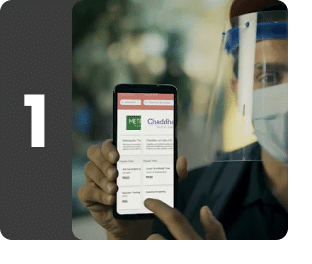
Easy online booking
Search for tests and packages, book your preferred time slot and enter your address for seamless at-home lab tests.
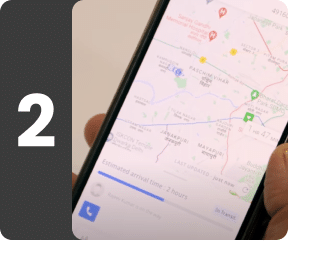
Live tracking of phlebotomist
Track our trained phlebotomist's real time location for seamless sample collection.
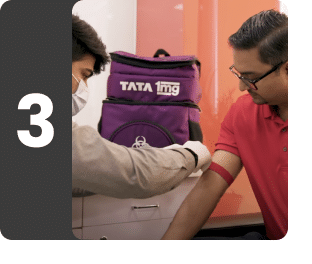
Safe Sample Collection
Our phlebotomists follow strict safety protocols to collect samples safely at home and on time.
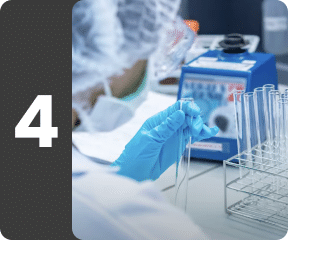
Sample received at lab
Samples are transported securely to our accredited labs with world-class machines for testing by qualified experts.
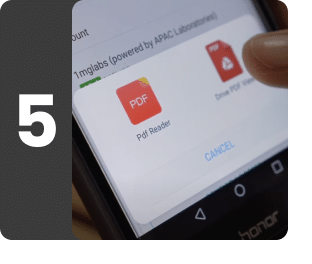
Quick, Doctor-Verified Reports
Get doctor-approved reports via email and WhatsApp, with options for doctor follow-ups and AI insights.



References
- Interim Guidelines for COVID-19 Antibody Testing [Internet]. CDC; 26 Aug. 2021 [Accessed 15 May. 2024]. Available from:

- McFee DRB. COVID-19 Laboratory Testing/CDC Guidelines. Dis Mon. 2020 Sep;66(9):101067. [Accessed 15 May. 2024]. Available from:
- About COVID-19 [Internet]. CDC; 26 Aug. 2021 [Accessed 15 May 2024]. Available from:
- Kusunoki H, Ohkusa M, Iida R, Saito A, Kawahara M, Ekawa K, Kato N, Yamasaki K, Motone M, Shimizu H. Longitudinal Changes in IgG-Type SARS-CoV-2 Antibody Titers after COVID-19 Vaccination and a Prominent Increase in Antibody Titers When Infected after Vaccination. Vaccines (Basel). 2023 Apr 17;11(4):860. [Accessed 15 May. 2024]. Available from:
- Ravi AB, Singh VPP, Chandran R, Venugopal K, Haridas K, Kavitha R. COVID-19 Antibody Tests: An Overview. J Pharm Bioallied Sci. 2021 Jun;13(Suppl 1):S48-S51. [Accessed 15 May. 2024]. Available from:
- Kumar D, Burma A, Mandal AK, Joshy V. A Comparative Analysis of COVID-19 IgG Antibody Level and Socio-Demographic Status in Symptomatic and Asymptomatic Population of South Andaman, India. Cureus. 2022 Feb 20;14(2):e22398. [Accessed 15 May. 2024]. Available from:
- Hasan Z, Masood KI, Qaiser S, Khan E, Hussain A, Ghous Z, Khan U, Yameen M, Hassan I, Nasir MI, Qazi MF, Memon HA, Ali S, Baloch S, Bhutta ZA, Veldhoen M, Pedro Simas J, Mahmood SF, Ghias K, Hussain R. Investigating the impact of prior COVID-19 on IgG antibody and interferon γ responses after BBIBP-CorV vaccination in a disease endemic population: A prospective observational study. Health Sci Rep. 2023 Sep 8;6(9):e1521. [Accessed 15 May. 2024]. Available from:
Contains 1 test
Samples required
Preparations
Why is this test booked?
Coupon details
Available Offers