Sign in to your account
or
By signing in you agree to our
Terms & conditions
 and 
Privacy policy

Blood Urea Nitrogen

Also referred as
Serum BUN
For men & women
Fastest Reports in
7 hrs
Contains
1 test
Test price:
₹129
₹160
19% off
Upto 15% extra discount with coupon
Min. order value: ₹5000 | Coupon: 1MGNEWG
arrow
Know when you'll get your report
For sample collection between
12 AM - 3 PM
Reporting in
7hrs
Report turnaround time
discount_stamp
More offers available
Know more about this test

<font color='#864291'>Know more about this test</font>

The Blood Urea Nitrogen test measures the level of urea nitrogen in the blood. This test is done to detect any kidney disease or damage, or if you are undergoing treatment for any known kidney disease. It is often done as part of routine health checkups to determine your kidney function. 
Samples required
Blood

Find out
Why is this test booked?
Preparations
No special preparation is required.

Sample Collection
Who will collect your samples?
Conducted by

know_more_icon
Tata 1mg Labs
chevron
most trusted lab
Accredited labs
Highly skilled Phlebos
Verified reports
Who will collect your samples?
Tata 1mg certified phlebotomists
View phlebo details

Understanding Blood Urea Nitrogen

Blood urea is the breakdown product of the amino acids which are present in proteins. When proteins break down, they produce nitrogen in the form of ammonia in the liver. The nitrogen combines with other chemicals in the liver to form the waste product called urea. This urea is released into the blood and carried to the kidneys where it is filtered out of the blood and flushed from the body through urine. Usually, healthy kidneys remove more than 90% of the urea the body produces, so determining blood urea levels can show how well your kidneys are working.

Your doctor may advise the Blood Urea Nitrogen test if you have risk factors like diabetes, high blood pressure, liver disease, etc. People with early-stage kidney disease may not show symptoms, but this test can help detect such kidney problems so that the treatment can be more effective. This test also helps determine the effectiveness of dialysis treatment in kidney disease patients. Usually, no special preparation is required for the Blood Urea Nitrogen (BUN) test. You may eat and drink as per your daily routine.

Test result ranges are approximate and may differ slightly between different labs depending on the methodology and laboratory guidelines. Talk to your doctor about your specific test results. Narrate your complete medical history to help the doctor correlate your clinical and laboratory findings. The results will help them determine your medical condition, make recommendations for lifestyle modifications such as diet and exercise, decide whether or not medication will be required to manage your kidney health, and formulate your overall treatment plan.

See more

What does Blood Urea Nitrogen measure?

The Blood Urea Nitrogen test measures the levels of urea nitrogen in the blood. Blood urea is a waste product that is formed in the liver when you eat food and the protein is metabolized into amino acids. This process leads to the production of ammonia that is further converted into urea. Both ammonia and urea are nitrogenous compounds. Your liver releases urea into the blood which is then carried out to the kidneys. In the kidneys, urea is filtered from the blood and flushed out of the body via urine. This is a continuous process, so a small amount of urea nitrogen always remains in the blood.

In the case of a kidney or liver disease, there is a change in the amount of urea present in the blood. If your liver produces urea in an increased amount or if there is any problem in kidney functioning, there might be difficulty in filtering out the waste products from the blood, which can result in increased urea levels in the blood.

Did you find information useful ?
yesYES
noNO

Blood Urea Nitrogen test price for other cities

Price inBangaloreRs. 159
Price inMumbaiRs. 229
Price inKolkataRs. 129
Price inPuneRs. 159
Price inLucknowRs. 80
Book a Blood Urea Nitrogen test at home near me
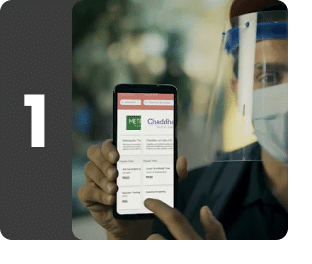
Easy online booking
Easy online booking
Search for tests and packages, book your preferred time slot and enter your address for seamless at-home lab tests.
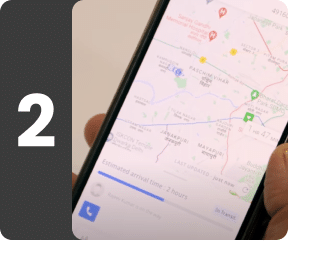
Live tracking of phlebotomist
Track our trained phlebotomist's real time location for seamless sample collection.
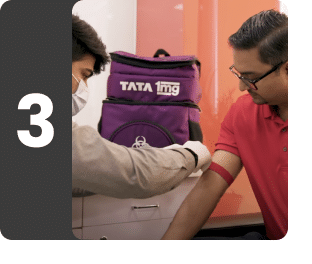
Safe Sample Collection
Our phlebotomists follow strict safety protocols to collect samples safely at home and on time.
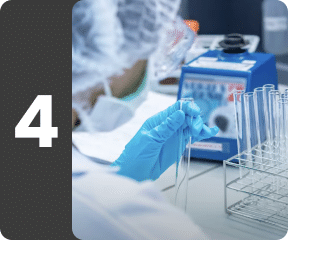
Sample received at lab
Samples are transported securely to our accredited labs with world-class machines for testing by qualified experts.
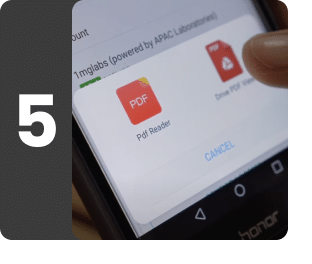
Quick, Doctor-Verified Reports
Get doctor-approved reports via email and WhatsApp, with options for doctor follow-ups and AI insights.

FAQs related to Blood Urea Nitrogen

You may need the blood urea nitrogen (BUN) test if you are suspected of having any kidney disease or symptoms such as swelling or puffiness around the eyes, ankles, and wrist; foamy or bloody urine; burning sensation while urinating; back pain; loss of appetite; or high blood pressure.
There is no risk associated with the BUN test. However, you may feel slight pain at the site where a needle is used to prick to collect a blood sample, which is usually self-limiting. Rarely, some people may also experience swelling or bruising at the injection site. Applying ice over that area 3-4 times a week may provide relief. If it does not get better, consult your doctor.
Always consult your doctor if your BUN level is higher-than-normal. The high BUN level may indicate underlying health issues, such as acute or chronic kidney failure, urinary tract obstruction, or dehydration.
Always consult your doctor if your BUN level is lower-than-normal. A low BUN level may indicate that you are having a low-protein and high carbohydrates diet or have liver failure.
Your doctor may suggest a creatinine test or renal panel along with the BUN test if they suspect kidney diseases.
The signs and symptoms of kidney dysfunction include swelling around eyes or in the face, wrists, abdomen, thighs or ankles, fatigue, lack of concentration, poor appetite, and difficulty sleeping. The other symptoms can be foamy or bloody or coffee-colored urine, decrease in the amount of urine, discomfort in urinating (e.g., feeling of burning sensation while urinating or passage of discharge while urinating), change in frequency of urination, mid back pain below the ribs, and high blood pressure.
Contains 1 test
Samples required
Preparations
Why is this test booked?
Coupon details
Available Offers