







Anti Phospholipid Antibody, IgA
Also referred as
APA-IgA test
IgA antiphospholipid antibody test

For men & women
Earliest reports in

192 hours

Contains

1 test
Test price:
₹989
1% off
Upto 15% extra discount with coupon
Min. order value: ₹5000 | Coupon: 1MGNEWG


More offers available

Know more about this test

The Anti Phospholipid Antibody, IgA test measures the levels of immunoglobulin A (IgA) antiphospholipid antibodies (aPL) in the blood. These antibodies are formed when the immune system mistakenly targets and attacks phospholipids (the essential component of cell membranes). Once formed, these antibodies can bind to phospholipids and other proteins, leading to the activation of the blood clotting cascade and the development of antiphospholipid syndrome (APS), which increases the likelihood of abnormal blood clotting, recurrent miscarriages, and other complications.


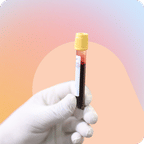
Samples required
Blood

Find out
Why is this test booked?

Preparation for this test

Sample Collection
Who will collect your samples?
Conducted by

Tata 1mg Labs


Accredited
labs
Highly skilled
Phlebos
Verified
reports
Who will collect your samples?
Tata 1mg certified phlebotomists
Frequently booked together






Test Information is reviewed by: Dr. Swati Gupta (Anand), MBBS, MD Lab Medicine and written by Dr. Lipika Khurana, BDS, PGDHHM . The test details are for information purpose only. Consult a doctor before taking any test. Last updated on: 26th Sep 2026
Did you find information useful ?
 YES
YES  NO
NO 
Book a Anti Phospholipid Antibody, IgA test at home near me

Easy online booking
Search for tests and packages, book your preferred time slot and enter your address for seamless at-home lab tests.

Live tracking of phlebotomist
Track our trained phlebotomist's real time location for seamless sample collection.

Safe Sample Collection
Our phlebotomists follow strict safety protocols to collect samples safely at home and on time.

Sample received at lab
Samples are transported securely to our accredited labs with world-class machines for testing by qualified experts.
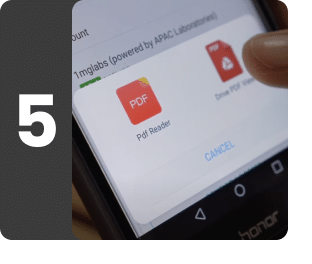
Quick, Doctor-Verified Reports
Get doctor-approved reports via email and WhatsApp, with options for doctor follow-ups and AI insights.



References
- Shen YM, Lee R, Frenkel E, Sarode R. IgA antiphospholipid antibodies are an independent risk factor for thromboses. Lupus. 2008 Nov;17(11):996-1003. [Accessed 06 Dec. 2024]. Available from:

- Reshetnyak T, Cheldieva F, Cherkasova M, Lila A, Nasonov E. IgA Antiphospholipid Antibodies in Antiphospholipid Syndrome and Systemic Lupus Erythematosus. Int J Mol Sci. 2022 Aug 21;23(16):9432. [Accessed 06 Dec. 2024]. Available from:
- Overview-Antiphospholipid syndrome (APS) [Internet]. NHS; 20 Jun. 2022 [Accessed 06 Dec. 2024]. Available from:
- Antiphospholipid Antibody [Internet]. Rochester, NY: University of Rochester Medical Center; [Accessed 06 Dec. 2024]. Available from:
- Arcilla CK, Zubair M. Antiphospholipid Antibody Testing. [Updated 2024 May 5]. In: StatPearls [Internet]. Treasure Island (FL): StatPearls Publishing; 2024 Jan-. Available from:
- Bustamante JG, Goyal A, Rout P, et al. Antiphospholipid Syndrome. [Updated 2024 May 6]. In: StatPearls [Internet]. Treasure Island (FL): StatPearls Publishing; 2024 Jan-. Available from:
- Fischer MJ, Rauch J, Levine JS. The antiphospholipid syndrome. Semin Nephrol. 2007 Jan;27(1):35-46. [Accessed 06 Dec. 2024]. Available from:
- Drug-induced antiphospholipid syndrome: Analysis of the WHO international database [Internet]. ScienceDirect; [Accessed 06 Dec. 2024]. Available from:
Contains 1 test
Samples required
Preparations
Why is this test booked?
Coupon details
Available Offers