Sign in to your account
or
By signing in you agree to our
Terms & conditions
 and 
Privacy policy

Procalcitonin

Also referred as
Serum Procalcitonin
For men & women
Earliest reports in
18 hours
Contains
1 test
Test price:
₹1349
₹2721
50% off
Get it at ₹1214 with coupon
Apply coupon 1MGNEWG during checkout
arrow
discount_stamp
More offers available
Know more about this test

<font color='#864291'>Know more about this test</font>

A Procalcitonin test measures the level of procalcitonin (PCT), a type of protein that the body produces in response to bacterial infections. This test helps distinguish between bacterial and viral infections, offering valuable insights about the nature of the infection. By doing so, it contributes to more effective and targeted treatment decisions.

Samples required
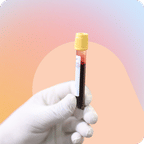
Blood

Find out
Why is this test booked?

Preparations
No special preparation is required.

Sample Collection
Who will collect your samples?
Conducted by

know_more_icon
Tata 1mg Labs
chevron
most trusted lab
Accredited labs
Highly skilled Phlebos
Verified reports
Who will collect your samples?
Tata 1mg certified phlebotomists
View phlebo details

Understanding Procalcitonin

Procalcitonin (PCT) is a precursor protein to the hormone calcitonin, typically produced by the thyroid gland under normal conditions. Under ordinary circumstances, PCT exists at low levels in the blood. However, during severe bacterial infections or sepsis, PCT levels rise significantly, serving as a valuable biomarker for microbial infection diagnosis. 

Apart from bacterial infections, where PCT levels increase markedly, mild to moderate elevation in PCT levels is observed in various other conditions. These include injury, burns, inflammation, kidney infections, pancreatitis, urinary tract infections, meningitis, tissue damage due to trauma, and heart attack, among others. 

A Procalcitonin test is primarily used when there is a suspicion of a systemic infection affecting the entire body, especially in cases of severe illness. Typically employed in hospital settings, particularly for individuals in emergency rooms or those already admitted, the test assists in determining whether bacteria or a virus is the cause behind the infection. It is noteworthy that a Procalcitonin test is not used for detecting routine infections but rather in cases where there is a suspicion of a severe microbial infection, helping doctors to differentiate between bacterial and viral causes and guiding appropriate treatment decisions. 

A Procalcitonin test is often conducted when there are symptoms suggestive of a severe bacterial infection or sepsis, such as fever, chills and shivering, rapid heart rate, low blood pressure, difficulty breathing, confusion, etc. Furthermore, a Procalcitonin test is advised for individuals who are at higher risk of getting infections or sepsis including infants, children, older adults, and those with weakened immune systems or with underlying medical problems. Additionally, a Procalcitonin test is valuable for monitoring the therapeutic response to antibacterial therapy.

No special preparation is required before undertaking a Procalcitonin test. However, it is suggested to inform your doctor about any medications or supplements you are currently taking, as these may influence the test results. 

Lab test results may vary across different laboratories. Abnormal test results require an expert interpretation, therefore, never try to self-medicate at home based solely on these results, and always consult a doctor for proper understanding of the test results. The insights from a Procalcitonin test will help your doctor make informed decisions regarding the management of your condition. If necessary, the results may guide the prescription of medications like antibiotics ensuring a tailored and effective approach towards your condition.

See more

What does Procalcitonin measure?

A Procalcitonin test is useful for early detection of sepsis and severe bacterial infections. PCT serves as a crucial indicator, rising around 3 hours after exposure to a proinflammatory stimulus or bacterial infection and peaking after 6 to 8 hours. This helps distinguish bacterial infections from other causes, facilitating the diagnosis and effective management of various infectious diseases. 

Did you find information useful ?
yesYES (3)
noNO

Procalcitonin test price for other cities

Price inNew DelhiRs. 2699
Price inBangaloreRs. 2999
Price inMumbaiRs. 2949
Price inLucknowRs. 2280
Price inKolkataRs. 2699
Book a Genomepatri Heritage test at home near me
Easy online booking
Easy online booking
Search for tests and packages, book your preferred time slot and enter your address for seamless at-home lab tests.

Live tracking of phlebotomist
Track our trained phlebotomist's real time location for seamless sample collection.

Safe Sample Collection
Our phlebotomists follow strict safety protocols to collect samples safely at home and on time.
Sample received at lab
Samples are transported securely to our accredited labs with world-class machines for testing by qualified experts.

Quick, Doctor-Verified Reports
Get doctor-approved reports via email and WhatsApp, with options for doctor follow-ups and AI insights.

FAQs related to Procalcitonin

A Procalcitonin test is performed to detect sepsis and severe bacterial infections in their early stages. PCT is a marker that increases in response to bacterial infections, making it useful in distinguishing bacterial-induced inflammation from other causes.
There is usually no risk associated with a Procalcitonin test. However, some individuals may feel a slight sting when a needle is pricked to collect a blood sample and may also experience some bleeding that is normal and usually not bothersome. Rarely, some individuals may also experience slight swelling or bruising at the site of the needle prick.
Sepsis is a life-threatening condition where the body’s immune response to an infection causes widespread inflammation, leading to potential tissue damage, organ failure, and if not treated promptly death.
The most common symptoms that may indicate a systemic bacterial infection or sepsis include fever with shivering or chills, rapid heart rate, rapid breathing, confusion, low blood pressure, skin rash, warm and sweaty skin, and body ache.
Individuals at higher risk of developing sepsis include those with weakened immune systems, the elderly, infants, individuals with chronic medical conditions, and those who have undergone surgical procedures or have severe injuries.
A high procalcitonin (PCT) level may indicate the presence of a severe bacterial infection, often associated with conditions like sepsis. High PCT levels are a signal for potential serious infections that require timely medical attention.
PCT and CRP are both markers of inflammation, but they have different roles in the body. PCT is more specific to bacterial infections and can rise rapidly, particularly in severe cases like sepsis. CRP on the other hand, is a general marker of inflammation and can increase in response to various conditions, including infections, but it is not as specific for bacterial infections as PCT.
References
  1. Cleland DA, Eranki AP. Procalcitonin. [Updated 2023 Apr 23]. In: StatPearls [Internet]. Treasure Island (FL): StatPearls Publishing; 2023 Jan-. Available from:
  2. Samsudin I, Vasikaran SD. Clinical Utility and Measurement of Procalcitonin. Clin Biochem Rev. 2017 Apr;38(2):59-68. PMID: 29332972; PMCID: PMC5759088. [Accessed 12 Dec. 2023]. Available from:
  3. Lee H. Procalcitonin as a biomarker of infectious diseases. Korean J Intern Med. 2013 May;28(3):285-91. [Accessed 12 Dec. 2023]. Available from:
  4. Samsudin I, Vasikaran SD. Clinical Utility and Measurement of Procalcitonin. Clin Biochem Rev. 2017 Apr;38(2):59-68. PMID: 29332972; PMCID: PMC5759088 [Accessed 12 Dec. 2023]. Available from:
  5. Vijayan AL, Vanimaya, Ravindran S, Saikant R, Lakshmi S, Kartik R, G M. Procalcitonin: a promising diagnostic marker for sepsis and antibiotic therapy. J Intensive Care. 2017 Aug 3;5:51. [Accessed 12 Dec. 2023]. Available from:
  6. What is Sepsis [Internet]. CDC; 24 Aug. 2023 [Accessed 30 Nov. 2023]. Available from:
  7. Bullock B, Benham MD. Bacterial Sepsis. [Updated 2023 May 21]. In: StatPearls [Internet]. Treasure Island (FL): StatPearls Publishing; 2023 Jan-. Available from:
  8. Evans T. Diagnosis and management of sepsis. Clin Med (Lond). 2018 Mar;18(2):146-149. doi: 10.7861/clinmedicine.18-2-146. PMID: 29626019; PMCID: PMC6303466. [Accessed 12 Dec. 2023]. Available from:
  9. Gregoriano C, Heilmann E, Molitor A, Schuetz P. Role of procalcitonin use in the management of sepsis. J Thorac Dis. 2020 Feb;12(Suppl 1):S5-S15. doi: 10.21037/jtd.2019.11.63. PMID: 32148921; PMCID: PMC7024752. [Accessed 12 Dec. 2023]. Available from:
Contains 1 test
Report delivery
Samples required
Preparations
Why is this test booked?
Coupon details
Available Offers