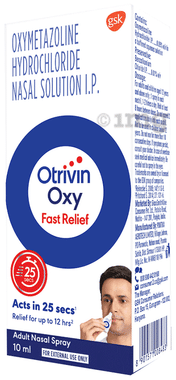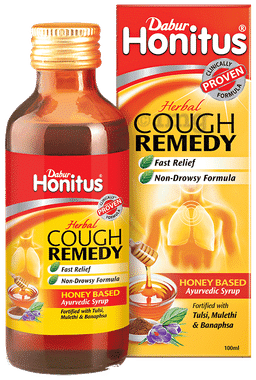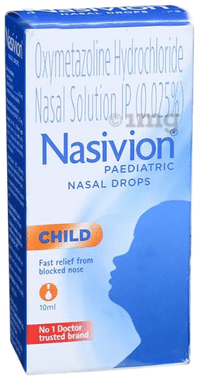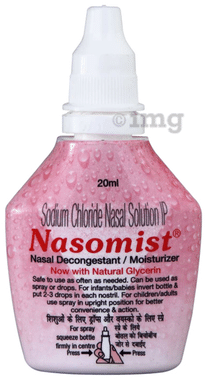


Rhinocid Syrup is a combination medicine used to treat common cold symptoms. It relieves allergy symptoms like runny nose, sneezing, throat irritation, watery eyes, and nasal congestion or stuffiness. This medicine also relieves pain, inflammation, and fever.
Rhinocid Syrup is taken with or without food in a dose and duration as advised by the doctor. The dose you are given will depend on your condition and how you respond to the medicine. You should keep taking this medicine for as long as your doctor recommends. If you stop treatment too early your symptoms may come back and your condition may worsen. Let your healthcare team know about all other medications you are taking as some may affect, or be affected by this medicine.
The most common side effects are nausea, stomach pain, nervousness, and restlessness. Most of these are temporary and usually resolve with time. Contact your doctor straight away if you are at all concerned about any of these side effects. It can also cause dizziness and sleepiness, so do not drive or do anything that requires mental focus until you know how this medicine affects you. Avoid drinking alcohol while taking this medicine as it can worsen your sleepiness.
Never support self-medication or recommend your medicine to another person. It is beneficial to have plenty of fluids while taking this medication. Before taking it, you should tell your doctor if you have any liver diseases so that your doctor can prescribe a suitable dose for you. Also tell your doctor if you are pregnant, planning pregnancy or breastfeeding.
Rhinocid Syrup is a combination of medicines that effectively relieves symptoms of common cold such as blocked nose, runny nose, watery eyes, sneezing, and congestion or stuffiness. It also blocks the activity of certain chemicals that causes pain and fever. An antacid present in Rhinocid Syrup prevents acidity that may occur due to this medicine. This medicine is safe and effective. It usually starts to work within a few minutes and the effects can last up to several hours. Taking this medicine enables you to live your life more freely without worrying so much about things that set off your symptoms.
Side effects of Rhinocid Syrup
Most side effects do not require any medical attention and disappear as your body adjusts to the medicine. Consult your doctor if they persist or if you’re worried about them
Common side effects of Rhinocid
Nausea
Stomach pain
Dizziness
Sleepiness
Nervousness
Restlessness
How to use Rhinocid Syrup
Take this medicine in the dose and duration as advised by your doctor. Check the label for directions before use. Measure it with a measuring cup and take it by mouth. Shake well before use. Rhinocid Syrup may be taken with or without food.
How Rhinocid Syrup works
Rhinocid Syrup is a combination of three medicines: Paracetamol, Chlorpheniramine Maleate and Pseudoephedrine which relieve common cold symptoms. Paracetamol is an analgesic (pain reliever) and antipyretic (fever reducer). It blocks the release of certain chemical messengers in the brain that are responsible for pain and fever. Chlorpheniramine Maleate is an antiallergic which relieves allergy symptoms like runny nose, watery eyes and sneezing. Pseudoephedrine is a decongestant which narrows the small blood vessels providing relief from congestion or stuffiness in the nose.
Safety advice
Alcohol
UNSAFE
Do not drink alcohol while you are taking this medicine. Rhinocid Syrup may cause excessive drowsiness when taken with alcohol.

Pregnancy
CONSULT YOUR DOCTOR
Rhinocid Syrup is not recommended during pregnancy as there is positive evidence of fetal risk based on animal studies. However, it may still be prescribed by a doctor in situations where the benefits outweigh the risks.
Breast feeding
UNSAFE
Rhinocid Syrup is unsafe to use during breastfeeding. Data suggests that the drug may cause toxicity to the baby.

Driving
UNSAFE
Rhinocid Syrup may decrease alertness, affect your vision, or make you feel sleepy and dizzy. Do not drive if these symptoms occur.

Kidney
CAUTION
Rhinocid Syrup should be used with caution in patients with kidney disease. Dose adjustment may be needed.

Liver
UNSAFE
Rhinocid Syrup is unsafe to use in patients with liver disease and should be avoided.

What if you forget to take Rhinocid Syrup?
If you miss a dose of Rhinocid Syrup, take it as soon as possible. However, if it is almost time for your next dose, skip the missed dose and go back to your regular schedule. Do not double the dose.
All substitutes
For informational purposes only. Consult a doctor before taking any medicines.
No substitutes found for this medicine
Quick tips
Rhinocid Syrup is prescribed to get relief from symptoms of common cold.
Take exactly as directed by your doctor or on the label. Do not increase the dosage or take for longer than is recommended.
Call your doctor if your symptoms have not improved within seven days of treatment.
Inform your doctor if you are taking any other medications for cold.
Along with taking Rhinocid Syrup do the following simple tips at home to get relief:
Steam inhalation.
Gargling with warm saltwater.
Apply vapor rubs on chest, back if needed. Take enough rest.
Take warm food and fluid only. Ensure adequate fluid intake.
Advise hygiene measures to reduce spread: frequent hand-washing, avoiding sharing towels, pillowcases, etc.
Fact Box
Habit Forming
No
Therapeutic Class
RESPIRATORY
Patient concerns
common cold,snizning and headache which tab can take to common cold?
Dr. Shubhra Chandan Pradhan
ENT
Take tab LCZ PLUS and consult an ENT specialist for proper clinical examination
Common cold with bronchitis fever two days Fever with common cold & bronchitis
Dr. Gopal Bansilal Samdani
Paediatrics
There are many underlying causes of your symptoms. Different cause needs different treatment. Specific treatment cannot be given unless we establish exact underlying cause. Final and perfect diagnosis cannot be done without doing clinical examination of child. Please consult me or any other Paediatrician. will take detail history and will examine your child in detail. All information will be used to determine exact underlying cause of problem. Depending upon cause will prescribe you treatment. At time may ask you relevant investigations if necessary. Your child may need antibiotics and/or other prescription drugs.
For cough, cold -- Prevent dehydration. Fluids may help thin secretions and soothe an irritated throat. Dry, hacking coughs respond to honey in hot water, tea, or lemon juice. Drink plenty of fluids to replace those lost from sweating and having a runny nose, get plenty of rest, eat healthily ? a low-fat, high-fibre diet is recommended, including plenty of fresh fruit and vegetables. OTC drugs, gargling with salt water and sucking on menthol sweets can help relieve a sore throat and blocked nose, are generally safe for older children and adults to take, but might not be suitable for babies, young children. Avoid applying Vicks VapoRub to babies and toddlers.You should never give children under 4 years of age over-the-counter cough and cold products without checking with your child's doctor. These medicines may harm young children.
For cough, cold -- Prevent dehydration. Fluids may help thin secretions and soothe an irritated throat. Dry, hacking coughs respond to honey in hot water, tea, or lemon juice. Drink plenty of fluids to replace those lost from sweating and having a runny nose, get plenty of rest, eat healthily ? a low-fat, high-fibre diet is recommended, including plenty of fresh fruit and vegetables. OTC drugs, gargling with salt water and sucking on menthol sweets can help relieve a sore throat and blocked nose, are generally safe for older children and adults to take, but might not be suitable for babies, young children. Avoid applying Vicks VapoRub to babies and toddlers.You should never give children under 4 years of age over-the-counter cough and cold products without checking with your child's doctor. These medicines may harm young children. There are many underlying causes of Patient?s symptoms. Different cause needs different treatment. Specific treatment cannot be given unless we establish exact underlying cause. Final and perfect diagnosis cannot be done without doing clinical examination of patient. Please consult me or any other Paediatrician. will take detail history and will examine patient in detail. All information will be used to determine exact underlying cause of problem. Depending upon cause will prescribe you specific treatment.
Rhinocid Syrup is used to treat the symptoms of the common cold, and flu. It provides relief from a range of symptoms, including fever, headache, body aches, stuffy nose, runny nose, sneezing, and watery eyes.<br>
Will Rhinocid Syrup make me drowsy?
Yes. One of the main ingredients in Rhinocid Syrup, chlorpheniramine maleate, can cause significant drowsiness and sleepiness. Because of this, it is often best to take this medicine when you are able to rest, and you should avoid activities that require full mental alertness, such as driving or operating heavy machinery.<br>
How quickly can I expect to feel better after taking Rhinocid Syrup?
You should start to feel relief from symptoms such as fever, pain, and nasal congestion within about 30 to 60 minutes of taking Rhinocid Syrup. The full effects will be felt within a couple of hours as the medicine is absorbed into your bloodstream.<br>
Can I take Rhinocid Syrup for my seasonal allergies, even if I do not have a cold?
The antihistamine (chlorpheniramine) and decongestant (pseudoephedrine) in Rhinocid Syrup make it effective for treating allergic rhinitis (hay fever). It can help relieve sneezing, a runny nose, and nasal congestion associated with seasonal allergies.<br>
What should I tell my doctor before I start taking Rhinocid Syrup?
Before starting Rhinocid Syrup, you should inform your doctor if you have a history of high blood pressure, heart disease, thyroid problems, glaucoma, or an enlarged prostate. The phenylpropanolamine in this medicine can worsen these conditions, so your doctor will need to determine if it is safe for you.<br>
How long can I take Rhinocid Syrup for?
Rhinocid Syrup is intended for short-term relief of symptoms. You should not take it for more than 5 to 7 days. If your symptoms persist or get worse, you should stop taking the medicine and consult your doctor.<br>
Tata 1mg's sole intention is to ensure that its consumers get information that is expert-reviewed, accurate and trustworthy. However, the information contained herein should NOT be used as a substitute for the advice of a qualified physician. The information provided here is for informational purposes only. This may not cover everything about particular health conditions, lab tests, medicines, all possible side effects, drug interactions, warnings, alerts, etc. Please consult your doctor and discuss all your queries related to any disease or medicine. We intend to support, not replace, the doctor-patient relationship.
References
MedlinePlus. Chlorpheniramine. [Accessed 29 Apr. 2019] (online) Available from:
MedlinePlus. Pseudoephedrine. [Accessed 26 Apr. 2019] (online) Available from: