








Peractam Injection
Piperacillin (2000mg)+ Tazobactum (250mg)


Peractam Injection is a combination of two antibiotics. It is used to treat various types of bacterial infections. It fights against the infection by killing the microorganisms.
Written By Dr. Anuj Saini, MMST, MBBS,
Reviewed By Dr. Mekhala Chandra, MD, MBBS,
Last updated on 17 Oct 2026 | 01:01 AM (IST)
Written By Dr. Anuj Saini, MMST, MBBS,
Reviewed By Dr. Mekhala Chandra, MD, MBBS,
Last updated on 17 Oct 2026 | 01:01 AM (IST)

Available alternative from Top Brand
Sold out
Peractam Injection
vial of 1 Injection
₹101

Same composition
Tapic EM 2000 mg/250 mg Injection
vial of 1 Injection
by Emcure Pharmaceuticals Ltd
Get by Tue, 20 Oct
₹167
₹142.0 per unit
₹142
order for
₹1200
Save more with additional offers

Get upto Rs.150 Cashback on minimum transaction of Rs.599/- with Mobikwik UPI (@ikwik).
Get upto Rs.150 Cashback on minimum transaction of Rs.599/- with Mobikwik UPI (@ikwik).


Get up to ₹75 cashback on a minimum order value (MOV) of ₹499 and above, valid once per customer.
Get up to ₹75 cashback on a minimum order value (MOV) of ₹499 and above, valid once per customer.
Get up to ₹75 cashback on a minimum order value (MOV) of ₹499 and above, valid once per customer.
Get up to ₹75 cashback on a minimum order value (MOV) of ₹499 and above, valid once per customer.
Get upto Rs.150 Cashback on minimum transaction of Rs.599/- with Mobikwik UPI (@ikwik).
Get upto Rs.150 Cashback on minimum transaction of Rs.599/- with Mobikwik UPI (@ikwik).
Get up to ₹75 cashback on a minimum order value (MOV) of ₹499 and above, valid once per customer.
Get up to ₹75 cashback on a minimum order value (MOV) of ₹499 and above, valid once per customer.
Get up to ₹75 cashback on a minimum order value (MOV) of ₹499 and above, valid once per customer.
Get up to ₹75 cashback on a minimum order value (MOV) of ₹499 and above, valid once per customer.

Assured cashback up to ₹300*. T&C Apply*
Assured cashback up to ₹300*. T&C Apply*
General Information
Contains
Piperacillin (2000mg)+ Tazobactum (250mg)
Marketer
Vhb Life Sciences Inc
Storage
Store below 30°C
The content is shown in English




All substitutes for Peractam Injection
For information purposes only. Consult a doctor before taking any medicine.
Tapic EM 2000 mg/250 mg Injection
by Emcure Pharmaceuticals Ltd
₹179.37/injection
65% costlier
Tazact 2.25gm Injection
by Cipla Ltd
₹205.93/injection
89% costlier
Durataz 2000 mg/250 mg Injection
by Aristo Pharmaceuticals Pvt Ltd
₹182.73/injection
68% costlier
Maxotaz 2000 mg/250 mg Injection
by Macleods Pharmaceuticals Pvt Ltd
₹201.1/injection
85% costlier
Pipcot 2000mg/250mg Injection
by Alcott Healthcare Pvt Ltd
₹178.13/injection
64% costlier
Safety advice

Alcohol
SAFE
Consuming alcohol with Peractam Injection does not usually cause any harmful side effects.

Pregnancy
SAFE IF PRESCRIBED
Peractam Injection is generally considered safe to use during pregnancy. Animal studies do not indicate harmful effects. However, there are limited human studies.

Breast feeding
SAFE IF PRESCRIBED
Available human data suggest that the drug does not pass into breast milk in clinically significant amounts and is unlikely to harm the infant.

Driving
CONSULT YOUR DOCTOR
It is not known whether Peractam Injection alters the ability to drive. Do not drive if you experience any symptoms that affect your ability to concentrate and react. Please consult your doctor.

Kidney
CAUTION
Peractam Injection should be used with caution in patients with kidney disease. Dose adjustment may be needed.

Liver
SAFE IF PRESCRIBED
Peractam Injection is probably safe to use in patients with liver disease. Limited data suggest dose adjustment may not be needed.
Related lab tests

Related products
Products related to Peractam Injection
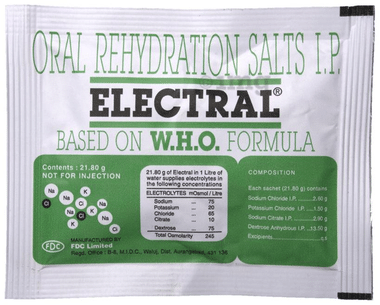


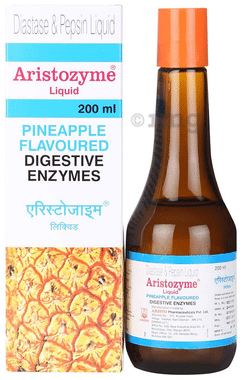
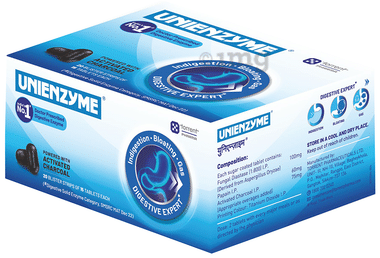



100% genuine products

Safe & secure payments

No contact delivery

Fully sanitized facilities

Want to know more
We provide you with authentic, trustworthy and relevant information
Have issue with the content
Why we need a prescription?

