








Ofrond Eye Drop
Ofloxacin (NA)+ Dexamethasone (NA)
 Genuine
Authenticity Assured
 Prescription
required
Ofrond Eye Drop is a prescription medicine used in the treatment of bacterial infections of the eye. It stops the growth of bacteria and helps in relieving redness, itching, and swelling. This way it treats the infection relieves your symptoms.
Written By Dr. Sakshi Jain, MS, BDS,
Reviewed By Dr. Rajeev Sharma, MBA, MBBS,
Last updated on 15 Sep 2026 | 01:03 AM (IST)
Written By Dr. Sakshi Jain, MS, BDS,
Reviewed By Dr. Rajeev Sharma, MBA, MBBS,
Last updated on 15 Sep 2026 | 01:03 AM (IST)
Save more with additional offers

10% cashback up to 200 on Min Transaction of Rs.1000, for first time users of Airtel Payments Bank.
10% cashback up to 200 on Min Transaction of Rs.1000, for first time users of Airtel Payments Bank.


Get up to ₹75 cashback on a minimum order value (MOV) of ₹499 and above, valid once per customer.
Get up to ₹75 cashback on a minimum order value (MOV) of ₹499 and above, valid once per customer.
Get up to ₹75 cashback on a minimum order value (MOV) of ₹499 and above, valid once per customer.
Get up to ₹75 cashback on a minimum order value (MOV) of ₹499 and above, valid once per customer.
10% cashback up to 200 on Min Transaction of Rs.1000, for first time users of Airtel Payments Bank.
10% cashback up to 200 on Min Transaction of Rs.1000, for first time users of Airtel Payments Bank.
Get up to ₹75 cashback on a minimum order value (MOV) of ₹499 and above, valid once per customer.
Get up to ₹75 cashback on a minimum order value (MOV) of ₹499 and above, valid once per customer.
Get up to ₹75 cashback on a minimum order value (MOV) of ₹499 and above, valid once per customer.
Get up to ₹75 cashback on a minimum order value (MOV) of ₹499 and above, valid once per customer.

Assured cashback up to ₹300*. T&C Apply*
Assured cashback up to ₹300*. T&C Apply*
General Information

The content is shown in English




All substitutes for Ofrond Eye Drop
For information purposes only. Consult a doctor before taking any medicine.
Safety advice

Alcohol
No interaction found/established

Pregnancy
CONSULT YOUR DOCTOR
The safety of Ofrond Eye Drop during pregnancy has not been established. There are no adequate and well-controlled studies in pregnant women, and animal data on reproductive toxicity are insufficient. Your doctor will weigh the benefits and any potential risks before prescribing.

Breast feeding
CONSULT YOUR DOCTOR
Ofrond Eye Drop may be unsafe to use during breastfeeding. Limited human data suggests that the drug may pass into the breastmilk and harm the baby. It should be used only if the expected benefit outweighs the potential risk. Please consult your doctor.

Driving
UNSAFE
Ofrond Eye Drop may cause side effects that could affect your ability to drive.

Kidney
No interaction found/established

Liver
No interaction found/established


Related products
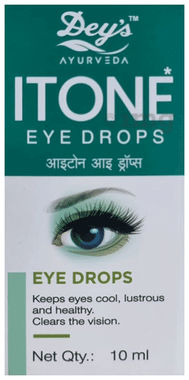
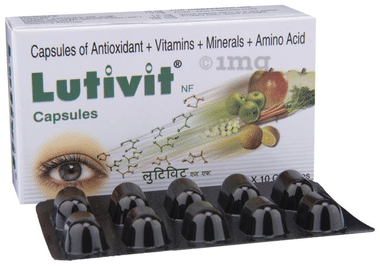
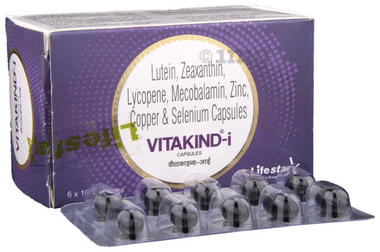
Products related to Ofrond Eye Drop


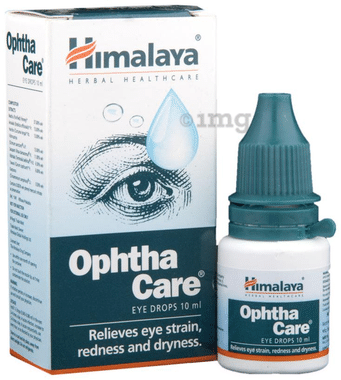
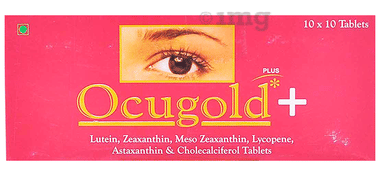
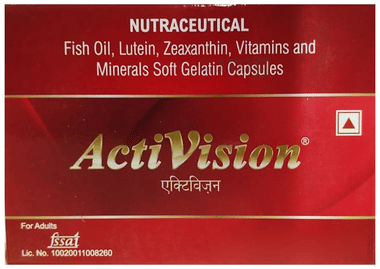
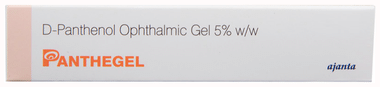


100% genuine products

Safe & secure payments

No contact delivery

Fully sanitized facilities

Want to know more
We provide you with authentic, trustworthy and relevant information
Have issue with the content
Why we need a prescription?

