








Gogo- Active Tablet
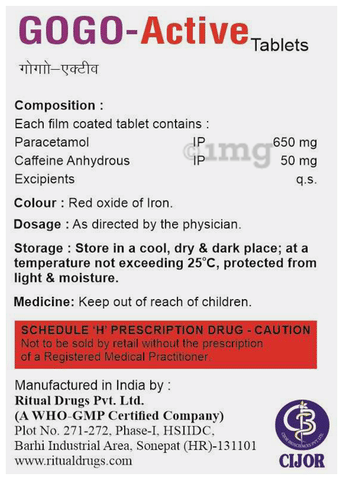
Caffeine (50mg)+ Paracetamol (650mg)
 Genuine
Authenticity Assured
 Prescription
required
Gogo- Active Tablet is a combination of two medicines used in the treatment of headache. It helps relieve headache by blocking the release of certain chemical messengers that causes headache.
Written By Dr. Sakshi Jain, MS, BDS,
Reviewed By Dr. Sachin Gupta, MD Pharmacology, MBBS,
Last updated on 05 Sep 2026 | 01:04 AM (IST)
Written By Dr. Sakshi Jain, MS, BDS,
Reviewed By Dr. Sachin Gupta, MD Pharmacology, MBBS,
Last updated on 05 Sep 2026 | 01:04 AM (IST)
70% cheaper alternative available
Sold out
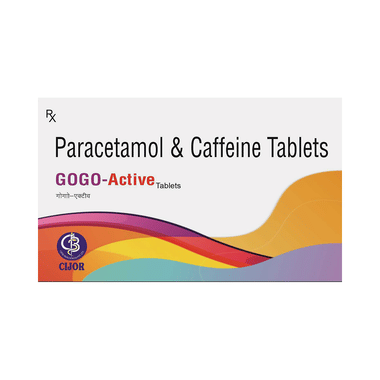
Gogo- Active Tablet
strip of 10 tablets
₹66

Same composition
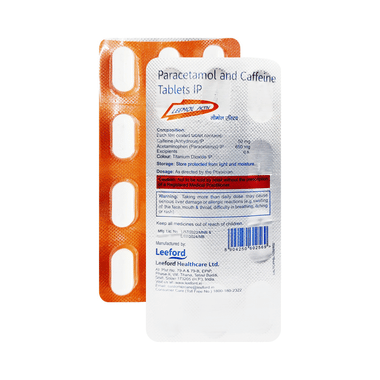
Leemol Activ 50mg/650mg Tablet
strip of 10 tablets
by Leeford Healthcare Ltd
Get in 60 mins

₹20
₹1.7 per tablet
₹17
order for
₹1200
Save more with additional offers

Get up to ₹75 cashback on a minimum order value (MOV) of ₹499 and above, valid once per customer.
Get up to ₹75 cashback on a minimum order value (MOV) of ₹499 and above, valid once per customer.

Get up to ₹75 cashback on a minimum order value (MOV) of ₹499 and above, valid once per customer.
Get up to ₹75 cashback on a minimum order value (MOV) of ₹499 and above, valid once per customer.
Flat Rs.150 on a Min Transaction of Rs.1000.
Flat Rs.150 on a Min Transaction of Rs.1000.
Get up to ₹75 cashback on a minimum order value (MOV) of ₹499 and above, valid once per customer.
Get up to ₹75 cashback on a minimum order value (MOV) of ₹499 and above, valid once per customer.
Get up to ₹75 cashback on a minimum order value (MOV) of ₹499 and above, valid once per customer.
Get up to ₹75 cashback on a minimum order value (MOV) of ₹499 and above, valid once per customer.
Flat Rs.150 on a Min Transaction of Rs.1000.
Flat Rs.150 on a Min Transaction of Rs.1000.

Assured cashback up to ₹300*. T&C Apply*
Assured cashback up to ₹300*. T&C Apply*
General Information
Contains
Caffeine (50mg)+ Paracetamol (650mg)
Marketer
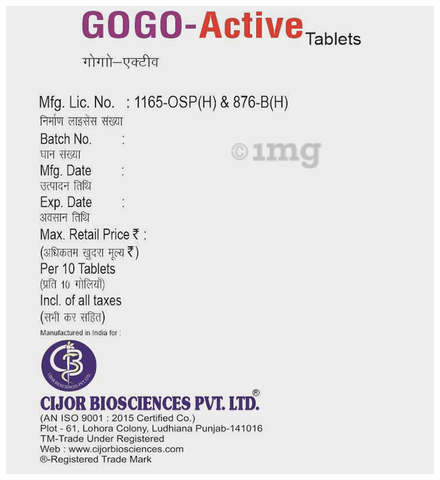
Cijor Biosciences Pvt Ltd
Storage
Store below 25°C
The content is shown in English



All substitutes for Gogo- Active Tablet
For information purposes only. Consult a doctor before taking any medicine.
Leemol Activ 50mg/650mg Tablet
by Leeford Healthcare Ltd
₹2/tablet
70% cheaper
Crocin Pain Relief Tablet
by GlaxoSmithKline India Pvt. Ltd.
₹5.13/tablet
22% cheaper
Novalgin NU Tablet
by Sanofi India Ltd
₹4.01/tablet
39% cheaper
Saridon Advance Tablet for 5 in 1 Pain Relief
by Bayer Pharmaceuticals Pvt Ltd
₹5.3/tablet
20% cheaper
Pacimol Active Tablet
by Ipca Laboratories Ltd
₹4.22/tablet
36% cheaper
Safety advice
Alcohol
CAUTION
Alcohol should be used with caution while taking Gogo- Active Tablet.

Pregnancy
CONSULT YOUR DOCTOR
Gogo- Active Tablet is not recommended during pregnancy as there is positive evidence of fetal risk based on animal studies. However, it may still be prescribed by a doctor in situations where the benefits outweigh the risks.

Breast feeding
UNSAFE
Gogo- Active Tablet is unsafe to use during breastfeeding. Data suggests that the drug may cause toxicity to the baby.

Driving
NOT RELEVANT
Not relevant, as Gogo- Active Tablet is intended for use in hospitalized patients.
Kidney
CAUTION
Gogo- Active Tablet should be used with caution in patients with severe kidney disease. Dose adjustment may be needed.
However, Gogo- Active Tablet contains paracetamol which is considered the safest painkiller for kidney disease patients.
However, Gogo- Active Tablet contains paracetamol which is considered the safest painkiller for kidney disease patients.
Liver
UNSAFE
Gogo- Active Tablet is unsafe to use in patients with liver disease and should be avoided.
However, the use of Gogo- Active Tablet is not recommended in patients with severe liver disease and active liver disease.
However, the use of Gogo- Active Tablet is not recommended in patients with severe liver disease and active liver disease.

References
- Lanteri-Minet M, Pegahi R. Paracetamol and Caffeine Combination in Pain Management: A Narrative Review. Pain Res Manag. 2025;2025:9166828. [Accessed 29 Nov. 2025]. Available from:

- Acetaminophen and Caffeine. Youghal Road, Dungarvan: Haleon Ireland Ltd.; 2025. [Accessed 06 Jan. 2026] (online). Available from:
Related products
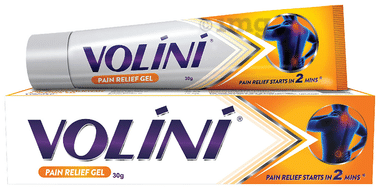
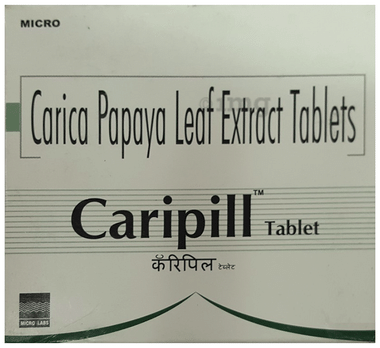
Products related to Gogo- Active Tablet



100% genuine products

Safe & secure payments
No contact delivery
Fully sanitized facilities

Want to know more
We provide you with authentic, trustworthy and relevant information
Have issue with the content
Why we need a prescription?

