






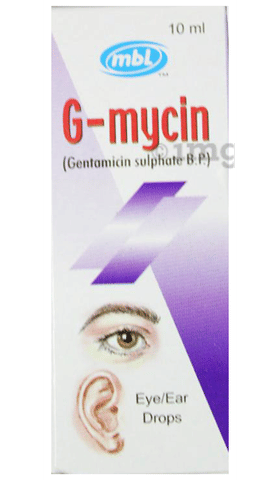

जी माइसीन आई ड्रॉप
जेंटामायसिन (0.3% w/v)
 असली
असलीप्रामाणिकता सुनिश्चित
 डॉक्टर की पर्ची
ज़रूरी है
जी माइसीन आई ड्रॉप एक एंटीबायोटिक है जिसका उपयोग आंख के बैक्टीरियल संक्रमण (जैसे, नेत्रश्लेष्मलाशोथ) और पलकों के बैक्टीरियल संक्रमण (जैसे, ब्लेफेराइटिस) के इलाज के लिए किया जाता है. यह आंख की चोट या सर्जरी के बाद संक्रमण को रोकने में भी मदद कर सकता है.
लेखक डॉ. सुबिता अलघ, बीडीएस,
समीक्षक डॉ. राजीव शर्मा, एमबीए, एमबीबीएस,
लास्ट अपडेटेड on 02 अक्टूबर 2026 | 01:00 एएम (Ist)
लेखक डॉ. सुबिता अलघ, बीडीएस,
समीक्षक डॉ. राजीव शर्मा, एमबीए, एमबीबीएस,
लास्ट अपडेटेड on 02 अक्टूबर 2026 | 01:00 एएम (Ist)
आर्डर की न्यूनतम मात्रा
अतिरिक्त ऑफ़र के साथ अधिक बचत करें

Mobikwik UPI (@ikwik) के साथ न्यूनतम ₹.599/- के ट्रांज़ैक्शन पर ₹.150 तक का कैशबैक पाएं.
Mobikwik UPI (@ikwik) के साथ न्यूनतम ₹.599/- के ट्रांज़ैक्शन पर ₹.150 तक का कैशबैक पाएं.


₹499 और उससे अधिक की न्यूनतम ऑर्डर वैल्यू (MOV) पर ₹75 तक का कैशबैक पाएं, प्रति कस्टमर एक बार मान्य.
₹499 और उससे अधिक की न्यूनतम ऑर्डर वैल्यू (MOV) पर ₹75 तक का कैशबैक पाएं, प्रति कस्टमर एक बार मान्य.
₹499 और उससे अधिक की न्यूनतम ऑर्डर वैल्यू (MOV) पर ₹75 तक का कैशबैक पाएं, प्रति कस्टमर एक बार मान्य.
₹499 और उससे अधिक की न्यूनतम ऑर्डर वैल्यू (MOV) पर ₹75 तक का कैशबैक पाएं, प्रति कस्टमर एक बार मान्य.
Mobikwik UPI (@ikwik) के साथ न्यूनतम ₹.599/- के ट्रांज़ैक्शन पर ₹.150 तक का कैशबैक पाएं.
Mobikwik UPI (@ikwik) के साथ न्यूनतम ₹.599/- के ट्रांज़ैक्शन पर ₹.150 तक का कैशबैक पाएं.
₹499 और उससे अधिक की न्यूनतम ऑर्डर वैल्यू (MOV) पर ₹75 तक का कैशबैक पाएं, प्रति कस्टमर एक बार मान्य.
₹499 और उससे अधिक की न्यूनतम ऑर्डर वैल्यू (MOV) पर ₹75 तक का कैशबैक पाएं, प्रति कस्टमर एक बार मान्य.
₹499 और उससे अधिक की न्यूनतम ऑर्डर वैल्यू (MOV) पर ₹75 तक का कैशबैक पाएं, प्रति कस्टमर एक बार मान्य.
₹499 और उससे अधिक की न्यूनतम ऑर्डर वैल्यू (MOV) पर ₹75 तक का कैशबैक पाएं, प्रति कस्टमर एक बार मान्य.
न्यूनतम ₹1000 के ट्रांज़ैक्शन पर ₹150 का सीधा ट्रांज़ैक्शन.
न्यूनतम ₹1000 के ट्रांज़ैक्शन पर ₹150 का सीधा ट्रांज़ैक्शन.

₹300 तक का सुनिश्चित कैशबैक. शर्तें लागू*
₹300 तक का सुनिश्चित कैशबैक. शर्तें लागू*
सामान्य जानकारी

अपनी भाषा चुनें हिंदी


सुरक्षा संबंधी सलाह

अल्कोहल
किसी प्रभाव की जानकारी प्राप्त/उपलब्ध नहीं है

गर्भावस्था
डॉक्टर की सलाह लें
गर्भावस्था के दौरान जी माइसीन आई ड्रॉप के इस्तेमाल से संबंधित जानकारी उपलब्ध नहीं है. कृपया अपने डॉक्टर से सलाह लें.

स्तनपान
डॉक्टर की सलाह लें
स्तनपान के दौरान जी माइसीन आई ड्रॉप के इस्तेमाल से संबंधित जानकारी उपलब्ध नहीं है. कृपया अपने डॉक्टर से सलाह लें.

ड्राइविंग
असुरक्षित
जी माइसीन आई ड्रॉप के कारण कुछ समय के लिए नजर से जुड़ी समस्या हो सकती है. ऐसे में तब तक गाड़ी ना चलाएं जब तक आपको सब कुछ साफ़ ना नज़र आने लगे.
किडनी
किसी प्रभाव की जानकारी प्राप्त/उपलब्ध नहीं है

लिवर
किसी प्रभाव की जानकारी प्राप्त/उपलब्ध नहीं है

संदर्भ
- MacDougall C, Chambers HF. Aminoglycosides. In: Brunton LL, Chabner BA, Knollmann BC, editors. Goodman & Gilman’s: The Pharmacological Basis of Therapeutics. 12th ed. New York, New York: McGraw-Hill Medical; 2011. pp. 1515-16.
- Chambers HF, Deck DH. Aminoglycosides & Spectinomycin. In: Katzung BG, Masters SB, Trevor AJ, editors. Basic and Clinical Pharmacology. 11th ed. New Delhi, India: Tata McGraw Hill Education Private Limited; 2009. pp. 811-12.
- Briggs GG, Freeman RK, editors. A Reference Guide to Fetal and Neonatal Risk: Drugs in Pregnancy and Lactation. 10th ed. Philadelphia, PA: Wolters Kluwer Health; 2015. pp. 620-22.
- ScienceDirect. Gentamicin. [Accessed 31 Mar. 2019] (online) Available from:

- PubChem. Gentamicin. [Accessed 31 Mar. 2019] (online) Available from:
- Chaves RG, Lamounier JA. Breastfeeding and maternal medications. J Pediatr (Rio J). 2004;80(5 Suppl):S189-98. [Accessed 31 Mar. 2019] (online) Available from:
- Gentamicin. Bhiwadi, Rajasthan: Ahlcon Parenterals (India) Ltd.; 2019 [Accessed 08 Feb. 2026] (online). Available from:
Related products
Products related to G Mycin Eye Drop
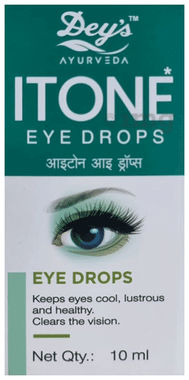


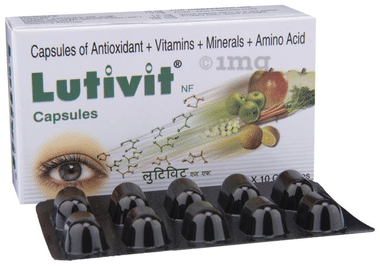
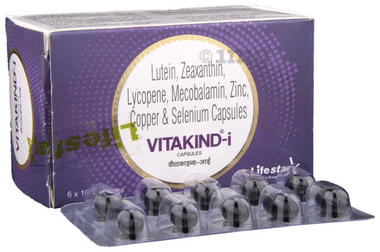

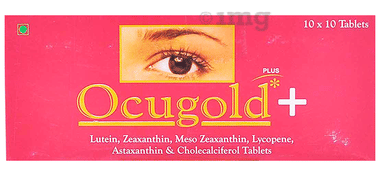
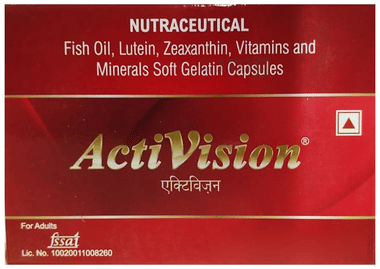
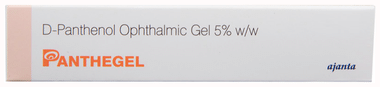
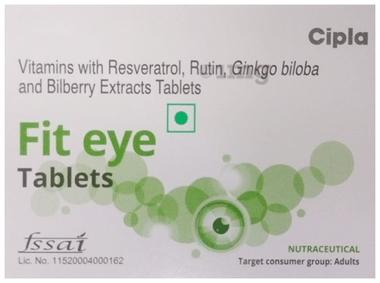


100% असली प्रोडक्ट

सुरक्षित भुगतान

संपर्क रहित डिलीवरी

पूरी तरह से सैनिटाइज्ड सुविधाएं

और अधिक जानना चाहते हैं
हम आपको प्रमाणिक, भरोसेमंद और प्रासंगिक जानकारी प्रदान करते हैं
क्या आपको यहां दी गई जानकारी से कोई समस्या है?
हमें डॉक्टर के पर्चे की आवश्यकता क्यों है?

