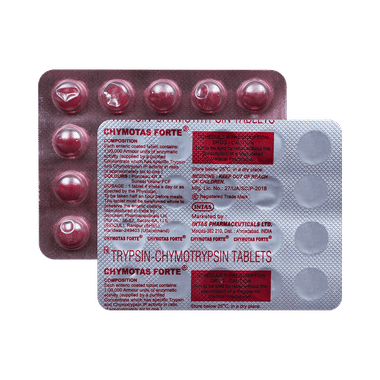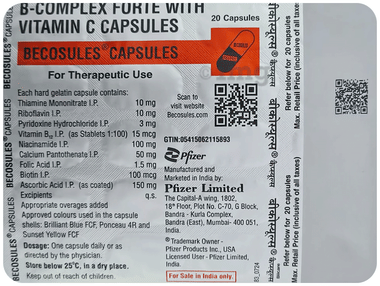

Chymonext Tablet is a medicine used in the treatment of pain and inflammation (swelling). It helps relieve pain and swelling in postoperative wounds and other inflammatory diseases.
Chymonext Tablet can be taken with or without food. In general, you should try to use the smallest amount necessary to control your symptoms for the shortest possible time. You should take this medicine regularly while you need it. Try not to miss doses, as this will make the medicine less effective.
This medicine is generally well-tolerated and does not usually cause common side effects. However, in rare cases, it may cause an allergic reaction. Symptoms of an allergic reaction include itching, shortness of breath, swelling of the lips or throat, shock, or loss of consciousness. Occasionally, it may also cause stomach (gastric) disturbances. Consult your doctor immediately if you experience any of these symptoms.
To make sure it is safe for you, before taking this medicine, let your doctor know if you have any medical conditions or disorders. You should also tell your doctor all the other medicines you are using or taking. Pregnant and breastfeeding women should consult their doctors before using this medicine.
Chymonext Tablet is a combination of enzymes that helps relieve pain associated with inflammation after injury or surgery. It works by reducing inflammatory substances at the affected site, thereby easing pain and discomfort. This helps improve movement and makes daily activities more comfortable during recovery.
In Treatment of Swelling
Chymonext Tablet helps reduce swelling and inflammation by breaking down proteins involved in the inflammatory process. This improves blood flow to the affected area and supports faster healing of damaged tissues. As swelling decreases, it helps restore mobility and promotes overall recovery.
Side effects of Chymonext Tablet
Most side effects do not require any medical attention and disappear as your body adjusts to the medicine. Consult your doctor if they persist or if you’re worried about them
Common side effects of Chymonext
Limited data available
How to use Chymonext Tablet
Take this medicine in the dose and duration as advised by your doctor. Swallow it as a whole. Do not chew, crush or break it. Chymonext Tablet is to be taken on an empty stomach.
How Chymonext Tablet works
Chymonext Tablet is an enzyme. It works by breaking down proteins into smaller fragments, thereby making them available for absorption into the blood. Once absorbed, it helps increase blood supply in the affected area and reduces swelling.
Safety advice
Alcohol
CONSULT YOUR DOCTOR
It is not known whether it is safe to consume alcohol with Chymonext Tablet. Please consult your doctor.

Pregnancy
CONSULT YOUR DOCTOR
Information regarding the use of Chymonext Tablet during pregnancy is not available. Please consult your doctor.
Breast feeding
CONSULT YOUR DOCTOR
Information regarding the use of Chymonext Tablet during breastfeeding is not available. Please consult your doctor.

Driving
CONSULT YOUR DOCTOR
It is not known whether Chymonext Tablet alters the ability to drive. Do not drive if you experience any symptoms that affect your ability to concentrate and react. Please consult your doctor.
Kidney
UNSAFE
Chymonext Tablet is unsafe to use in patients with kidney disease and should be avoided.

Liver
UNSAFE
Chymonext Tablet is unsafe to use in patients with liver disease and should be avoided.

What if you forget to take Chymonext Tablet?
If you miss a dose of Chymonext Tablet, take it as soon as possible. However, if it is almost time for your next dose, skip the missed dose and go back to your regular schedule. Do not double the dose.
All substitutes
For informational purposes only. Consult a doctor before taking any medicines.
Take Chymonext Tablet about 30 minutes before meals or as directed by your doctor.
Take Chymonext Tablet exactly for the duration advised and do not extend treatment without medical review.
Drink adequate water while taking Chymonext Tablet to support recovery and reduce inflammation-related discomfort.
Consult your doctor as Chymonext Tablet may need to be stopped a couple of weeks before having surgery,
Inform your doctor if you have liver disease, kidney disease, stomach ulcers, or bleeding disorders before taking Chymonext Tablet.
Tell your doctor if you are taking any blood-thinning medicines (such as warfarin). Taking them together with Chymonext Tablet may increase your risk of bleeding
Seek medical advice if you notice unusual bruising, bleeding gums, or blood in urine or stool.
Use supportive measures such as rest, elevation, or physiotherapy if recommended for swelling or injury recovery.
Consult your doctor if swelling or pain worsens or is accompanied by fever.
Follow your doctor’s wound care or post-surgery recovery instructions along with taking Chymonext Tablet.
Fact Box
Chemical Class
Proteolytic enzymes
Habit Forming
No
Therapeutic Class
PAIN ANALGESICS
Action Class
Anti-inflammatory Enzymes
FAQs
Should Chymonext Tablet be taken with food or before meals?
Chymonext Tablet is often recommended about 30 minutes before meals because this timing may help it work more effectively in reducing swelling and inflammation. However, the exact timing should follow your doctor’s advice, as individual stomach sensitivity and treatment plans can vary. If you experience stomach discomfort, consult your doctor before changing how you take Chymonext Tablet.
How long can Chymonext Tablet be taken?
Chymonext Tablet is usually prescribed for short-term use and is commonly taken for up to about 10 days, depending on your condition. Always follow the dose and duration recommended by your doctor and do not continue or stop the medicine without medical advice.
What is Chymonext Tablet used for and how does it work?
Chymonext Tablet is used to reduce swelling and support recovery in conditions involving inflammation, injury, dental procedures, or surgery. It contains proteolytic enzymes that help break down inflammatory proteins and reduce fluid buildup in tissues, which may decrease swelling and support healing.
What should I do if I miss a dose of Chymonext Tablet?
If you miss a dose of Chymonext Tablet, take the next planned dose at the usual time unless your doctor advises otherwise. Do not take two doses together to make up for a missed dose because this may increase the risk of side effects.
What happens if I overdose on Chymonext Tablet?
Chymonext Tablet should always be used in the dose prescribed by your doctor. Taking more than recommended may increase the chance of side effects. If you think you have taken too much, contact your doctor or seek medical advice promptly.
Is Chymonext Tablet safe for everyone?
Chymonext Tablet should be used during pregnancy or breastfeeding only if advised by a doctor. People with sensitive stomachs may experience symptoms such as acidity, nausea, or abdominal discomfort. Inform your doctor about your medical history before starting treatment.
Can I drink alcohol while taking Chymonext Tablet?
It is generally better to avoid alcohol while using Chymonext Tablet because alcohol may increase stomach irritation, dizziness, dehydration, or other side effects.
What are the common side effects of Chymonext Tablet?
Some people may experience stomach upset, nausea, dizziness, or loose stools while taking Chymonext Tablet. These effects are usually mild and temporary. Stop the medicine and seek medical help if you develop a severe rash, breathing difficulty, swelling of the face, black stools, persistent vomiting, or fainting.
Want to share the information?
Disclaimer:
Tata 1mg's sole intention is to ensure that its consumers get information that is expert-reviewed, accurate and trustworthy. However, the information contained herein should NOT be used as a substitute for the advice of a qualified physician. The information provided here is for informational purposes only. This may not cover everything about particular health conditions, lab tests, medicines, all possible side effects, drug interactions, warnings, alerts, etc. Please consult your doctor and discuss all your queries related to any disease or medicine. We intend to support, not replace, the doctor-patient relationship.
References
Shah D, Mital K. The Role of Trypsin:Chymotrypsin in Tissue Repair. Adv Ther. 2018;35(1):31-42. [Accessed 02 Apr. 2019] (online) Available from: