







Agromir S Tablet
Mirabegron (50mg)+ Solifenacin (5mg)
 Genuine
Authenticity Assured
 Prescription
required
Agromir S Tablet is a combination of two medicines used in the treatment of the symptoms of an overactive bladder. It relieves urinary symptoms like frequent urination, urgent need to urinate and inability to control urination.
Written By Dr. Lipika Khurana, PGDHHM, BDS,
Reviewed By Dr. Sachin Gupta, MD Pharmacology, MBBS,
Last updated on 19 Sep 2026 | 01:01 AM (IST)
Written By Dr. Lipika Khurana, PGDHHM, BDS,
Reviewed By Dr. Sachin Gupta, MD Pharmacology, MBBS,
Last updated on 19 Sep 2026 | 01:01 AM (IST)

Available alternative from Mankind
Sold out
Agromir S Tablet
strip of 10 tablets
₹428

Same composition
Mirablad S 50mg/5mg Tablet
strip of 10 tablets
by Mankind Pharma Ltd
Get by Wed, 23 Sep
₹503
₹50.3 per tablet
Save more with additional offers
10% cashback up to 200 on Min Transaction of Rs.1000, for first time users of Airtel Payments Bank.
10% cashback up to 200 on Min Transaction of Rs.1000, for first time users of Airtel Payments Bank.


Get up to ₹75 cashback on a minimum order value (MOV) of ₹499 and above, valid once per customer.
Get up to ₹75 cashback on a minimum order value (MOV) of ₹499 and above, valid once per customer.
Get up to ₹75 cashback on a minimum order value (MOV) of ₹499 and above, valid once per customer.
Get up to ₹75 cashback on a minimum order value (MOV) of ₹499 and above, valid once per customer.
10% cashback up to 200 on Min Transaction of Rs.1000, for first time users of Airtel Payments Bank.
10% cashback up to 200 on Min Transaction of Rs.1000, for first time users of Airtel Payments Bank.
Get up to ₹75 cashback on a minimum order value (MOV) of ₹499 and above, valid once per customer.
Get up to ₹75 cashback on a minimum order value (MOV) of ₹499 and above, valid once per customer.
Get up to ₹75 cashback on a minimum order value (MOV) of ₹499 and above, valid once per customer.
Get up to ₹75 cashback on a minimum order value (MOV) of ₹499 and above, valid once per customer.

Assured cashback up to ₹300*. T&C Apply*
Assured cashback up to ₹300*. T&C Apply*
General Information

The content is shown in English




All substitutes for Agromir S Tablet
For information purposes only. Consult a doctor before taking any medicine.
Mirablad S 50mg/5mg Tablet
by Mankind Pharma Ltd
₹50.3/tablet
18% costlier
Embeflo S 50mg/5mg Tablet
by Corona Remedies Pvt Ltd
₹51.4/tablet
20% costlier
Exena S 50mg/5mg Tablet
by Dr Reddy's Laboratories Ltd
₹41.8/tablet
2% cheaper
Miraron S 50mg/5mg Tablet
by Walron Healthcare Pvt Ltd
₹39.8/tablet
7% cheaper
Mirabet S 50mg/5mg Tablet
by Macleods Pharmaceuticals Pvt Ltd
₹48.9/tablet
14% costlier
Safety advice

Alcohol
CONSULT YOUR DOCTOR
It is not known whether it is safe to consume alcohol with Agromir S Tablet. Please consult your doctor.

Pregnancy
CONSULT YOUR DOCTOR
Agromir S Tablet is not recommended during pregnancy as there is positive evidence of fetal risk based on animal studies. However, it may still be prescribed by a doctor in situations where the benefits outweigh the risks.

Breast feeding
CAUTION
Agromir S Tablet should be used with caution during breastfeeding. Breastfeeding should be held until the treatment of the mother is completed and the drug is eliminated from the body.

Driving
UNSAFE
Agromir S Tablet may decrease alertness, affect your vision, or make you feel sleepy and dizzy. Do not drive if these symptoms occur.
Kidney
CAUTION
Agromir S Tablet should be used with caution in patients with severe kidney disease. Dose adjustment may be needed.
Liver
UNSAFE
Agromir S Tablet is unsafe to use in patients with liver disease and should be avoided.
Related lab tests
Related products
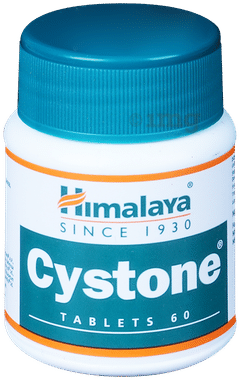
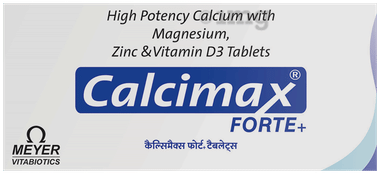
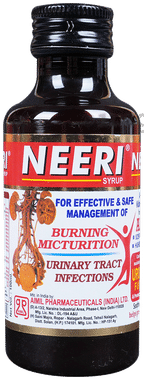
Products related to Agromir S Tablet



100% genuine products

Safe & secure payments
No contact delivery

Fully sanitized facilities

Want to know more
We provide you with authentic, trustworthy and relevant information
Have issue with the content
Why we need a prescription?

